Source Automatic Control Wooden Garage Door for Garage, Workshop, Dining
Source 24 Automatic Control Wooden Garage Door options from verified suppliers. Compare features like insulation, customization, and hardware quality for residential and commercial applications. Explore various materials including steel and solid wood with customizable sizes and finishes to meet specific project needs.
Updated
Key considerations
Products List

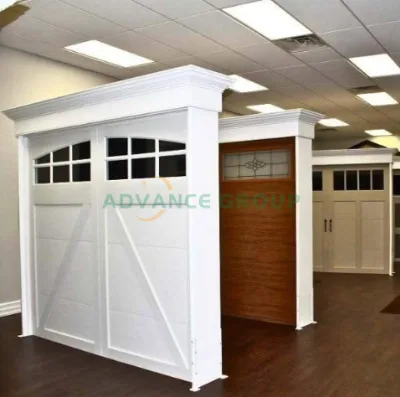
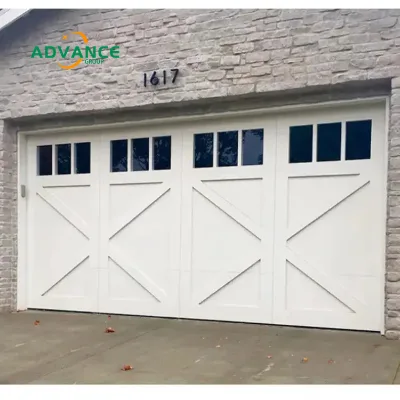
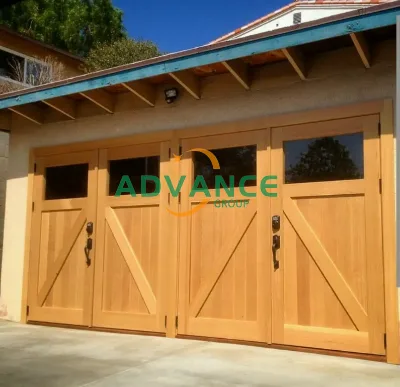
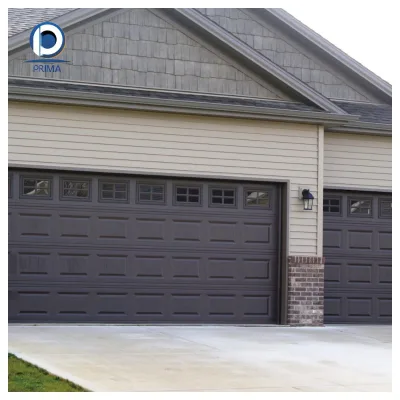
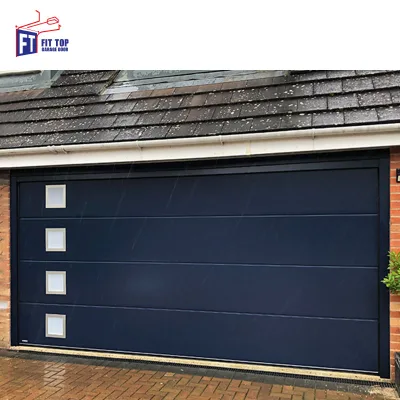
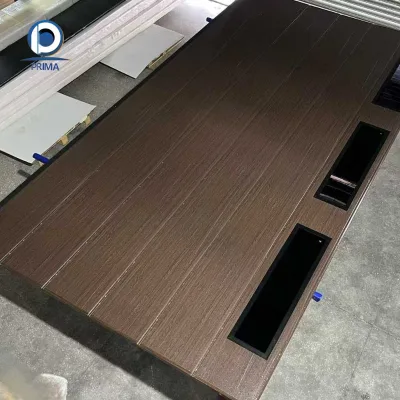
Solid Wood Garage Door Glass Design Door Custom Smart Garage Door Automatic Garage Door for Basement
$308.013 - $1540.0651
MOQ: 1 Minimum
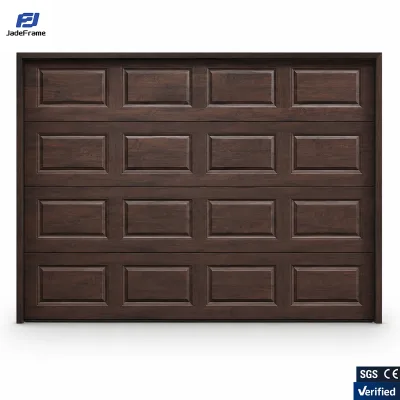
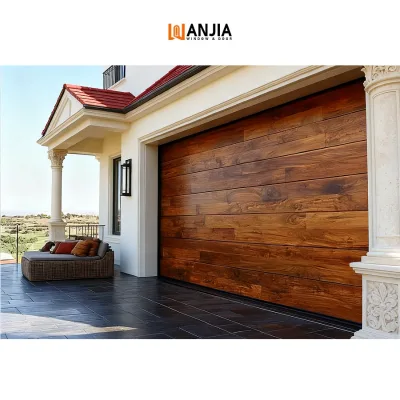
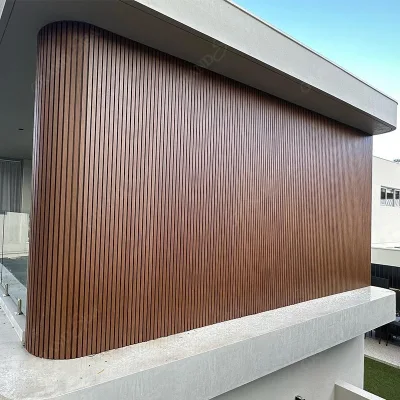
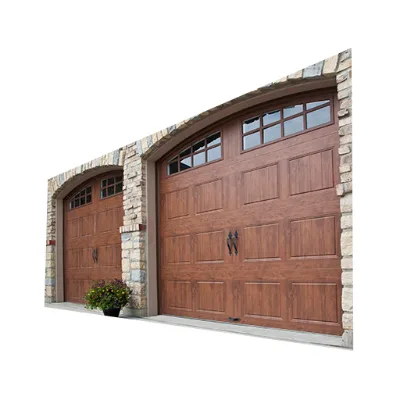
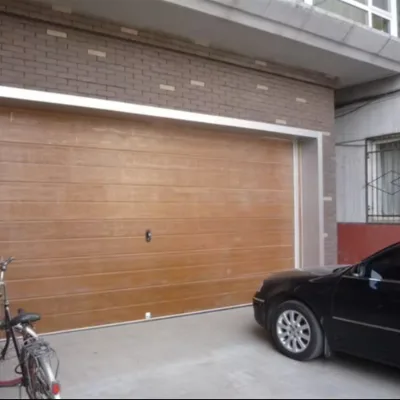
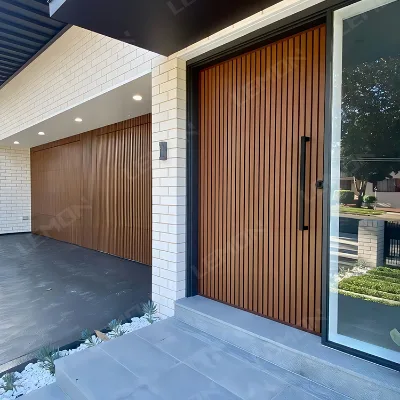
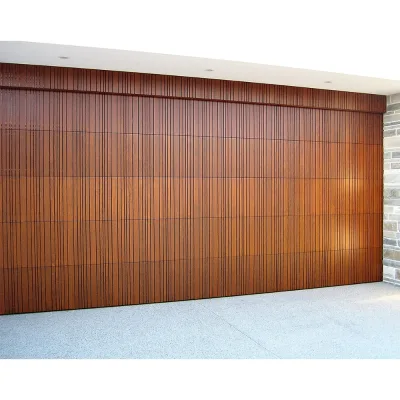
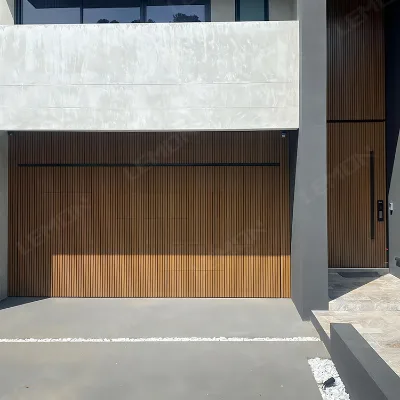
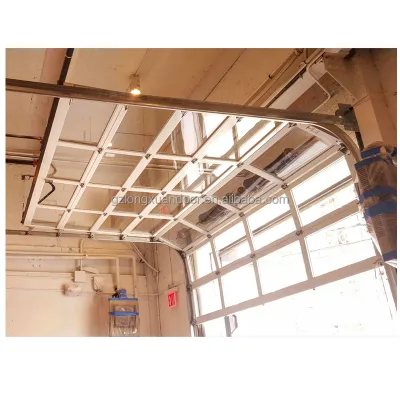
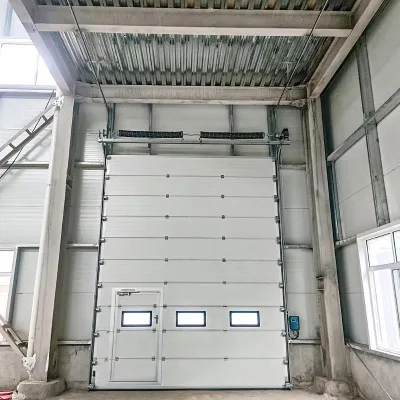
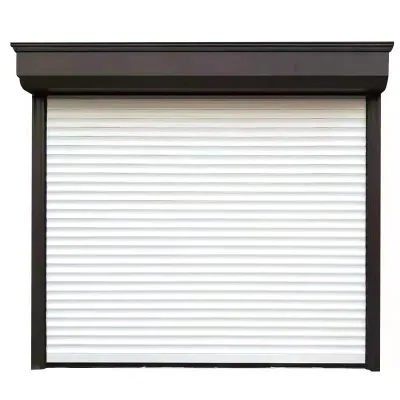
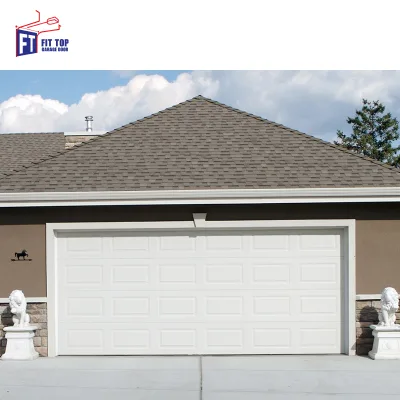

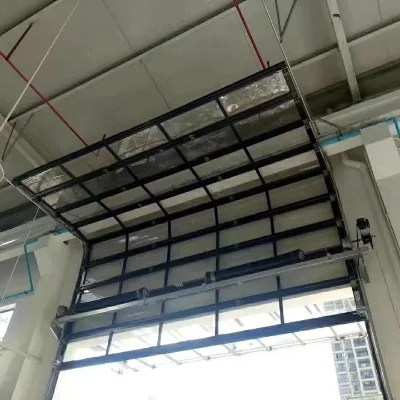
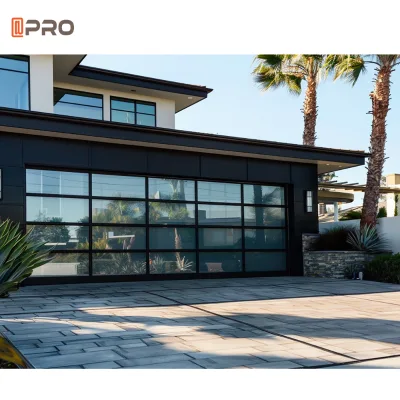
High Quality Automatic Garage Door Modern Overhead Black Color Aluminum Garage Doors
$168.1908 - $294.3331
MOQ: 1 square

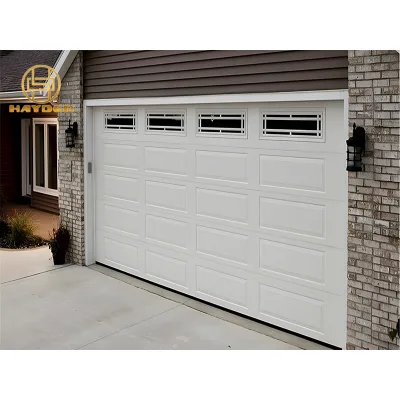
Comprehensive Sourcing Guide
Automatic Control Wooden Garage Door Sourcing Guide
Procuring automatic control wooden garage doors requires distinguishing between genuine solid wood constructions and composite panels that merely feature wood aesthetics. The supplied data indicates that while some listings specify "Solid Wood" as the primary material, others describe a hybrid construction using galvanized steel or aluminum cores with polyurethane insulation. Buyers must verify the specific material composition of the door panel to ensure the product meets the intended aesthetic and structural requirements for residential or commercial applications.
The market offers diverse customization options, including various door panel types such as Classic, One-Line, and Flat-Smooth designs, alongside customizable sizes. When sourcing, it is critical to confirm whether the "wooden" designation refers to the visible surface layer or the core material, as this impacts durability and maintenance. The availability of customization allows for tailored solutions, but the buyer must explicitly define the desired finish and structural integrity before engaging with suppliers to avoid receiving a product that does not match the visual expectations of a wooden door.
Product Scope and Observed Listing Signals
The observed product listings reveal a wide price range from approximately 9.9 to 1540.07 USD, reflecting significant variations in material quality, insulation thickness, and hardware specifications. This disparity suggests that lower-priced items may utilize thinner steel plates or basic insulation, while higher-cost units likely feature thicker panels, advanced locking mechanisms, and superior surface treatments like power coating. Buyers should correlate the listed price with the specific thickness options, such as 40mm, 43mm, 50mm, or 75mm, to understand the value proposition of each offering.
Listing signals also highlight the availability of different opening mechanisms, including vertical opening and rolling pull styles, which must align with the specific architectural constraints of the installation site. The presence of features like quiet operation and quick installation indicates a focus on user experience, yet the buyer must verify if these claims apply to the specific model number, such as NTGD or AD0012, being considered. Understanding these listing signals helps in filtering out products that may lack the necessary automation capabilities or structural robustness for long-term use.
Technical Specifications to Verify
Technical verification must begin with the door panel thickness and internal reinforcement, as these factors directly influence thermal performance and security. The data specifies internal reinforce steel plate thicknesses of 1.0mm and widths of 16mm, which are critical for maintaining panel rigidity under the stress of automatic operation. Buyers should confirm that the selected model meets these reinforcement standards, particularly if the door is intended for high-traffic commercial areas or regions with extreme weather conditions.
Insulation and surface treatment are equally vital for energy efficiency and longevity, with polyurethane insulation and hot-dipped galvanized steel being common specifications. The applicable temperature range of -60 to +100 degrees Celsius suggests a broad operational envelope, but the buyer must ensure the specific unit's insulation density of 40kg/M3 is sufficient for their local climate. Additionally, verifying the surface treatment process, such as power coating, ensures the door can withstand environmental exposure without degrading, which is essential for maintaining the wooden appearance over time.
Compliance and Safety Documentation
Safety compliance is paramount when sourcing automatic garage doors, particularly regarding the hardware quality and operational standards. The supplied context notes that hardware quality should meet the latest EN13241 standard, a critical benchmark for the safety and performance of garage door operators and accessories. Buyers must request certification documents proving that the specific model's hardware components have been tested and certified against this standard to ensure safe operation and liability protection.
While some background information mentions UL 325, the primary focus for verification should remain on the explicitly stated EN13241 compliance and the specific safety features of the door itself. Features such as finger-safe designs and anti-theft mechanisms are listed as attributes, but their effectiveness depends on the quality of the installation and the integration of the automatic control system. Procurement teams should demand test reports or compliance certificates that validate these safety claims before finalizing any purchase agreement.
Cost Drivers and Commercial Terms
Cost drivers in this category are heavily influenced by the customization level, material selection, and the complexity of the automatic control system integration. The minimum order quantity (MOQ) of 1 set offers flexibility for small projects, but larger orders may yield better commercial terms. Buyers should analyze how the choice between solid wood, galvanized steel, or aluminum affects the final price, as well as the impact of custom sizes and specific surface finishes on the overall cost structure.
Commercial terms also encompass the warranty period and after-sales support, which are listed as one year with options for online technical support and onsite training. These services are crucial for mitigating risks associated with installation errors or mechanical failures in automated systems. Procurement strategies should include negotiating clear terms for warranty claims and ensuring that the supplier provides comprehensive documentation for maintenance, which is essential for the long-term reliability of the automatic control features.
Supplier Qualification and Quality Control
Supplier qualification requires a thorough assessment of their production capabilities and quality control processes, particularly regarding the consistency of the wooden finish and structural integrity. The data indicates that products originate from Guangdong, China, a region known for manufacturing, but buyers must verify the specific factory's ability to maintain the required standards for insulation density and steel plate thickness. Requesting samples or factory audit reports can help validate the supplier's claim of providing high-quality, finished products.
Quality control should also extend to the packaging and shipping processes, as the standard seaworthy package and plywood case are designed to protect the doors during transit. Buyers must ensure that the supplier has a robust logistics plan to prevent damage to the delicate automatic components and the finished surface of the door. Establishing a clear communication channel for quality inspections before shipment is essential to ensure that the delivered products meet the agreed-upon specifications and performance expectations.
Long-Term Procurement Checks
Long-term procurement success depends on the supplier's ability to provide consistent after-sales service and spare parts availability over the product's lifecycle. The listed after-sale services, including onsite inspection and training, are valuable assets that should be leveraged to ensure the automatic control systems remain functional and safe. Buyers should establish a service level agreement that defines response times and support protocols to minimize downtime in case of mechanical or electrical failures.
Regular performance reviews and maintenance checks are necessary to monitor the door's operation, especially given the wide temperature range and potential exposure to harsh environmental conditions. The buyer should implement a schedule for inspecting the insulation integrity, surface coating condition, and the functionality of the automatic opener. By maintaining a proactive approach to maintenance and supplier relationship management, organizations can ensure the continued reliability and aesthetic appeal of their wooden garage doors.
FAQs
What materials are used in automatic control wooden garage doors?
These doors typically use solid wood for the main panel structure, combined with galvanized steel or aluminum for durability. The internal reinforcement often features steel plates, while the insulation core is made of polyurethane to provide heat insulation and waterproofing. This composite construction ensures structural integrity and thermal efficiency for both residential and commercial applications.
Can automatic control wooden garage doors be customized?
Yes, customization is available for these garage doors. Buyers can select from various door panel types such as Classic, One-Line, Three-Line, or Flat-Smooth designs. Additionally, options include different visible window configurations and color choices like White, Brown, Dark Gray, or Black. The size can also be customized to fit specific garage openings precisely.
What is the typical thickness of the door panels?
The door panel thickness varies, with common options including 40mm, 43mm, 50mm, and 75mm. Some models may also offer 60mm thickness. This variation allows buyers to choose the appropriate insulation and strength level for their specific climate and security requirements, ensuring optimal performance for vertical opening mechanisms in garage settings.
What standards do the hardware components meet?
The hardware quality meets the latest EN13241 standard, ensuring safety and reliability for automatic operation. This compliance guarantees that the mechanical components, including springs and tracks, perform safely under regular use. Buyers can rely on these standardized parts for consistent operation, which is crucial for maintaining the quiet operation and low maintenance features of the door system.
What is the minimum order quantity for these doors?
The minimum order quantity is one set. This low MOQ allows buyers to test the product quality or order for single residential projects without committing to large volumes. It facilitates easy sourcing for individual homeowners or small commercial installations, making it accessible for various budget levels and project scales across different regions.
What after-sale services are provided for these doors?
Providers offer online technical support, onsite training, and onsite inspection services. These comprehensive support options ensure that installation and maintenance are handled correctly. Buyers receive guidance on operating the automatic control systems and maintaining the door panels, which helps extend the product lifespan and ensures the anti-theft and heat insulation features remain effective over time.