Source Hotel Interior Wooden Door for hotels, hospitals, and offices
Compare 30 verified options for Hotel Interior Wooden Door featuring fire resistance, soundproofing, and custom designs. Buyers can evaluate materials like solid wood and MDF, along with specifications for various safety standards and finishes; compare the available evidence and request quotations based on your requirements.
Updated
Key considerations
Products List


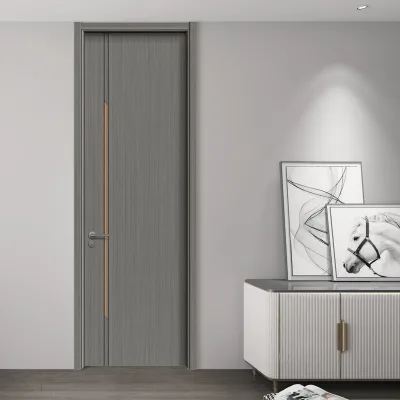
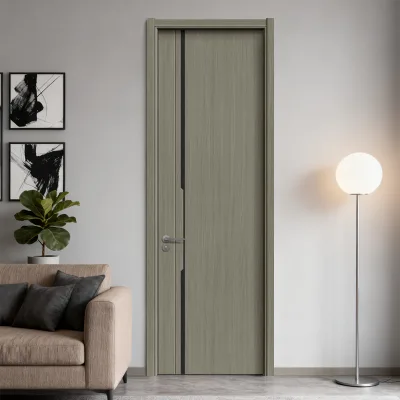
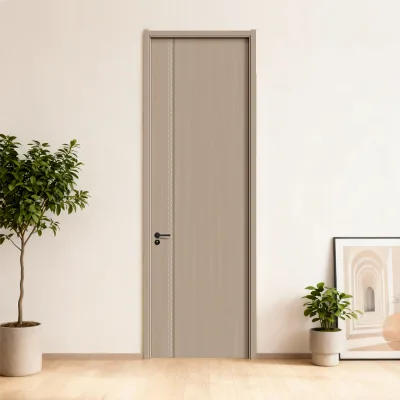
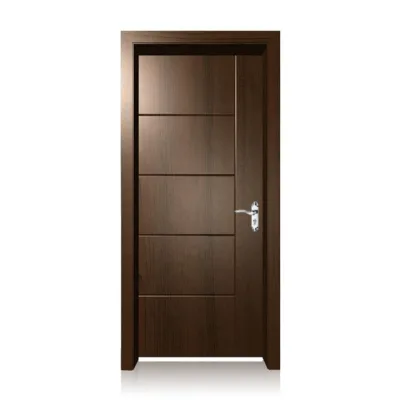


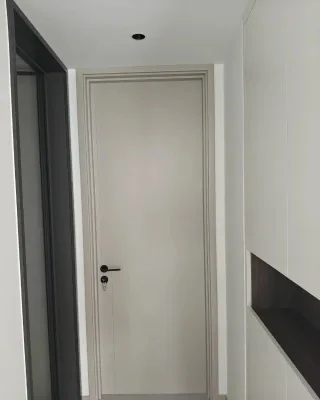


Top Quality Oak Wooden Interior Doors Modern Internal Door Interior Door
$577.00 - $681.00
MOQ: 1 Pieces

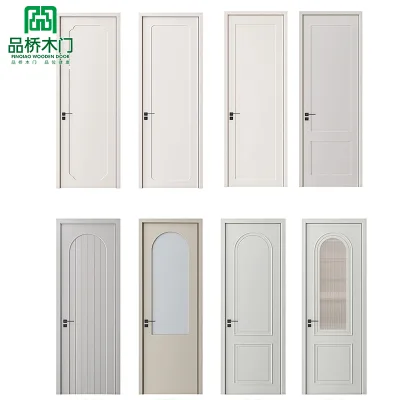
Comprehensive Sourcing Guide
Hotel Interior Wooden Door Sourcing Guide
Procuring wooden doors for hotel interiors requires balancing aesthetic appeal with rigorous functional performance standards. Buyers must evaluate how door materials and construction methods align with specific room types, such as guest suites, conference halls, or service corridors. The selection process involves analyzing visual finishes, structural integrity, and acoustic properties to ensure consistency across large-scale installations. Understanding the interplay between core materials and surface veneers is critical for achieving the desired luxury feel while maintaining durability under high traffic conditions.
Sourcing decisions should also account for customization capabilities and project solution support offered by manufacturers. Hotels often require tailored dimensions, unique hardware configurations, or specialized finishes to match interior design themes. Evaluating a supplier’s ability to provide graphic design support and custom packaging solutions can streamline logistics and reduce on-site installation errors. Buyers need to verify that the supplier can handle complex orders with varying specifications without compromising quality or delivery timelines, ensuring a cohesive look throughout the property.
Product Scope and Observed Listing Signals
The market for hotel interior wooden doors presents a diverse range of options, with observed prices ranging from $18.5 to $681 USD. This wide variance reflects differences in material quality, construction complexity, and included accessories. Minimum order quantities typically span from 1 to 200 units, allowing flexibility for both small boutique hotels and large resort chains. Buyers should note that some listings include only the door leaf, while others may offer complete frames or hardware packages, necessitating careful comparison of what is actually included in the quoted price.
Observed product attributes highlight a strong emphasis on specialized functions beyond standard entryways. Many doors are engineered for blast resistance, bullet resistance, fire protection, gas tightness, water tightness, and radiation shielding. These features suggest that hotel doors are often designed for high-security or specialized environments, such as executive suites, medical facilities, or secure storage areas. The presence of these advanced functions indicates that buyers should clearly define their security and safety requirements before selecting a supplier, as standard interior doors may not meet these stringent operational needs.
Technical Specifications to Verify
Verifying technical specifications is essential to ensure the doors meet the hotel’s structural and aesthetic requirements. Key attributes to confirm include the inner frame material, which can be wooden, aluminum, or a mixed steel-wood composite. The door core material varies significantly, with options including wood cement board, honey paper, or semi-hollow strips with honeycomb or lead infillings. Buyers must specify the desired core type based on weight, insulation, and acoustic performance needs, as these factors directly impact the door’s functionality and longevity in a hotel setting.
Surface finishing and veneer materials also play a crucial role in the final appearance and durability of the doors. Common veneer options include plywood, PVC veneer, and three-ply board, applied over solid wood or MDF cores. The surface treatment may involve buckling or other finishing techniques to achieve a smooth, professional look. Additionally, buyers should verify the door’s style, such as European style, and confirm whether glass is included or excluded. Standard dimensions like 2100x850x40mm or customizable sizes up to 2300x1100x40mm should be matched to the hotel’s architectural plans to ensure proper fit and alignment.
Compliance and Safety Documentation
Compliance with safety standards is non-negotiable for hotel interior doors, particularly those marketed as fire doors or radiation shield doors. Buyers must request documentation that verifies the doors meet relevant national and international safety regulations. This includes fire resistance ratings, structural integrity test results, and environmental protection certifications. Given the claim of 100% environmental protection, suppliers should provide evidence of low VOC emissions and sustainable material sourcing to align with green building standards often required in modern hospitality projects.
Safety features such as hinges, handles, and locks must also be verified for quality and compatibility. These accessories are critical for the secure operation of the doors and should be sourced from reputable manufacturers. Buyers should ensure that the hardware is suitable for the door’s weight and function, especially for heavy-duty applications like blast-resistant or water-tight doors. Additionally, confirming that the doors are finished and ready for installation can reduce on-site labor costs and minimize the risk of damage during the finishing process, ensuring a seamless handover to the hotel management team.
Cost Drivers and Commercial Terms
Several factors influence the final cost of hotel interior wooden doors, including material selection, customization level, and order volume. The use of premium materials like solid wood, MDF with PVC lamination, or specialized infillings such as lead for radiation shielding can significantly increase the price. Customization options, such as unique dimensions, specific veneer patterns, or tailored hardware configurations, also add to the cost. Buyers should request detailed quotes that break down these components to understand the true cost drivers and avoid hidden fees.
Commercial terms, including lead times and packaging, are critical for project planning. Typical lead times are around 25 days for 500 sets, but this can vary based on order complexity and supplier capacity. Packaging methods, such as foam plastic boards, plastic bags, and strong cartons, or customized packaging, help protect the doors during transit. Buyers should negotiate clear terms regarding delivery schedules, payment conditions, and warranty coverage to mitigate risks associated with delays or damage. Understanding these commercial aspects ensures that the procurement process aligns with the hotel’s opening timeline and budget constraints.
Supplier Qualification and Quality Control
Selecting a qualified supplier is vital for ensuring consistent quality across large hotel projects. Buyers should verify the supplier’s production capabilities, including their ability to handle mixed inner frames and various core materials. Suppliers located in industrial hubs like Foshan, Guangdong, or other regions in China often have established supply chains and manufacturing expertise. However, buyers must conduct thorough due diligence to confirm the supplier’s reliability, including their track record in delivering projects on time and meeting quality standards.
Quality control measures should be clearly defined and enforced throughout the production process. This includes inspecting raw materials, monitoring construction techniques, and performing final quality checks before shipment. Buyers should request samples or visit the factory to assess the supplier’s quality management systems. Additionally, verifying the supplier’s ability to provide project solution capabilities, such as graphic design support, can enhance the overall procurement experience. Establishing a strong partnership with a qualified supplier ensures that the hotel receives doors that meet both aesthetic and functional requirements.
Long-Term Procurement Checks
Long-term procurement success depends on establishing robust checks and balances for ongoing orders. Buyers should implement regular quality audits and performance reviews to ensure that suppliers maintain consistent standards over time. This includes monitoring the durability of materials, the integrity of finishes, and the functionality of hardware under real-world conditions. Feedback from hotel staff and guests can provide valuable insights into the doors’ performance, helping to identify any issues that need to be addressed in future orders.
Building a relationship with suppliers who offer customization and project support can also enhance long-term procurement efficiency. Suppliers who can adapt to changing design trends or operational needs are valuable partners for hotel chains undergoing renovations or expansions. Buyers should maintain open communication with suppliers to discuss future requirements, share feedback, and negotiate favorable terms. By focusing on long-term partnerships and continuous improvement, hotels can ensure that their interior wooden doors continue to meet high standards of quality, safety, and aesthetics.
FAQs
What materials are used for the inner frame of these doors?
The inner frame is constructed from a mix of stainless steel plate and wood, or aluminum plate and wood. Some models feature a wooden inner frame made of fir or wood grafting. This combination ensures structural integrity while maintaining the aesthetic appeal required for hotel interiors.
Can these doors be customized for specific hotel projects?
Yes, customization is available for these hotel interior wooden doors. Buyers can request specific dimensions, veneer materials like plywood or PVC, and functional requirements such as fire or bullet resistance. Graphic design services are also offered to support unique project solution capabilities.
What is the typical lead time for ordering these doors?
The lead time is approximately 25 days for orders of 500 sets. Production schedules may vary based on the specific model and customization level. Buyers should confirm exact timelines with manufacturers in Foshan, Guangdong, or other Chinese origins before finalizing procurement plans.
Which functions do these doors support for safety requirements?
These doors support multiple safety functions including blast, bullet resistance, fire, gas tightness, water tightness, and radiation shielding. Specific models may focus on single functions like water tightness or fire resistance. The core materials often include wood cement board or honeycomb structures to meet these standards.
What is the price range for these hotel interior wooden doors?
The observed price range for these doors is between 18.5 and 681 USD. Pricing depends on the model, material composition, and customization options. Buyers should note that the listed price often includes only the door leaf, excluding frames or accessories unless specified.
How are these doors packaged for shipping and protection?
Doors are typically packed in foam plastic boards, plastic bags, and strong cartons. Some suppliers offer customized packaging options to ensure safe transport. This robust packaging protects the finished surface and prevents damage during transit from the origin location to the final destination.
What specifications are available for standard door dimensions?
Standard specifications include sizes like 2100 by 850 by 40 mm or up to 2300 by 1100 by 40 mm. Customized dimensions are also available to fit specific architectural needs. The door core material and inner frame layout vary to accommodate these different size requirements effectively.