Source Stainless Steel Loose Joint Hinges for doors, cabinets, and windows
Compare 30 listings of Stainless Steel Loose Joint Hinges suitable for doors, cabinets, and windows. Buyers can review specifications like material, size, and load capacity to find the right fit for their projects; compare the available evidence and request quotations based on your requirements.
Updated
Key considerations
Products List



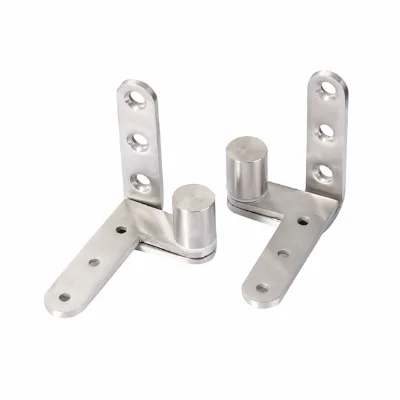
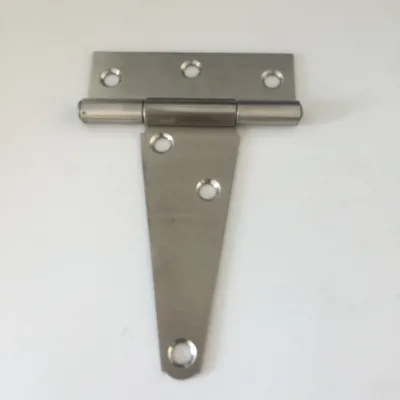
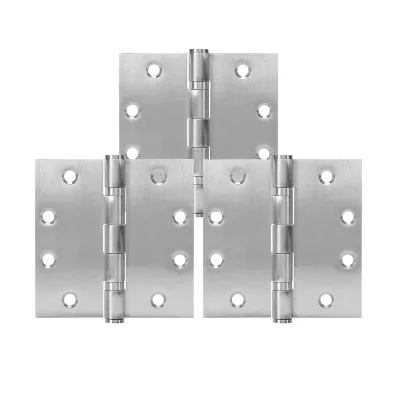
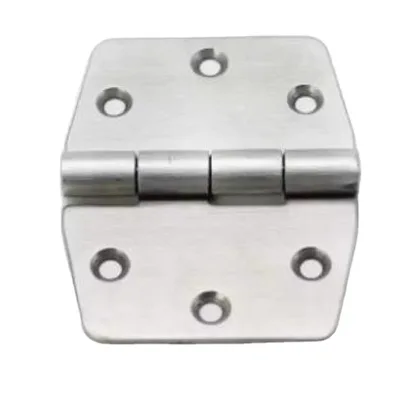


Comprehensive Sourcing Guide
Stainless Steel Loose Joint Hinges Sourcing Guide
Procuring Stainless Steel Loose Joint Hinges requires a nuanced understanding of material grades, mechanical tolerances, and supply chain transparency. These components serve as critical pivot points for heavy-duty doors, cabinets, and industrial enclosures, where reliability under repeated stress is non-negotiable. Buyers must distinguish between standard concealed mechanisms and exposed loose-joint designs, as the latter often offer easier maintenance but different aesthetic and security profiles. The decision hinges on balancing corrosion resistance with load-bearing capacity, ensuring the selected hinge meets the specific environmental and usage demands of the final assembly.
This guide provides a structured approach to evaluating suppliers and verifying product specifications based on observed market data. It focuses on actionable verification steps rather than generic advice, helping procurement teams mitigate risks associated with material substitution, inaccurate load ratings, and inconsistent manufacturing quality. By adhering to the evidence-based criteria outlined below, buyers can establish a robust sourcing strategy that aligns with technical requirements and commercial expectations, ensuring long-term performance and supply chain stability for their hardware needs.
Product Scope and Observed Listing Signals
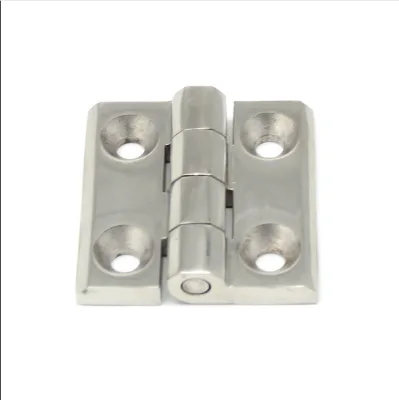
The current market for stainless steel hinges reveals a diverse range of configurations, including 180-degree and 270-degree variants, with some models designed for completely hidden installation systems. Observed listings indicate a primary material composition of stainless steel, with specific models like the SG-HC28160SS-120 and SG-HC3D29111SS-100 highlighting concealed designs capable of supporting significant door weights, such as 120kg per pair or 80-100kg for other variants. These signals suggest a strong demand for high-load capacity solutions in residential and commercial settings, where durability and seamless aesthetics are prioritized. Buyers should note that while stainless steel is the dominant material, some listings also mention zinc alloy or aluminum alloy options, requiring careful verification to ensure the specified grade matches the project’s corrosion resistance needs.
Pricing and minimum order quantities (MOQs) vary significantly across suppliers, with observed price ranges extending from $0.04 to $80 per unit and MOQs ranging from 100 pieces to 5000 pieces. This disparity reflects differences in customization levels, material thickness, and brand positioning, with some suppliers offering customized sizes and others providing standard dimensions like 1602832mm or 1112934mm. The availability of samples is a common feature, allowing buyers to physically inspect the hinge’s finish, such as zinc plating or natural stainless steel, before committing to large orders. Understanding these market signals helps buyers set realistic budget expectations and identify suppliers who can accommodate both small-scale prototyping and large-volume production runs.
Technical Specifications to Verify
Verifying technical specifications is paramount when sourcing stainless steel hinges, particularly regarding door thickness compatibility and load-bearing limits. Observed data indicates that hinges are designed for specific door thicknesses, such as 30mm, 40mm, or even 45mm, with corresponding cup diameters of 35mm and hole diameters ranging from 3.2mm to 6mm. Buyers must ensure that the selected hinge model aligns precisely with their door’s dimensions to avoid installation failures or compromised structural integrity. Additionally, the angle of operation, whether 180 degrees or 270 degrees, must be confirmed to match the spatial requirements of the installation site, ensuring smooth opening and closing without obstruction.
Material grade and finish are critical technical factors that influence longevity and appearance. While stainless steel is the primary material, buyers should verify if the steel is 304 grade or another variant, as this affects corrosion resistance in humid environments like bathrooms or kitchens. Some listings mention zinc-plated finishes, which may offer additional protection but require confirmation of coating thickness and adhesion quality. Furthermore, the left and right applicability of the hinge should be checked, as some models are universal while others are direction-specific. Confirming these details prevents costly rework and ensures that the hinges perform reliably under the expected operational conditions.
Compliance and Safety Documentation
Compliance with international safety and quality standards is essential for stainless steel hinges, especially in commercial and public buildings where fire safety and structural integrity are regulated. Buyers should request documentation that verifies the hinge’s load-bearing capacity against recognized testing standards, ensuring that the stated weight limits, such as 120kg per pair, are validated through independent laboratory tests. This documentation should include details on fatigue testing, which assesses the hinge’s performance over thousands of open-close cycles, providing assurance of long-term durability. Without such evidence, buyers risk procuring components that may fail prematurely, leading to safety hazards and liability issues.
Environmental and material compliance is another critical aspect, particularly for projects requiring sustainable or non-toxic materials. Buyers should inquire about the presence of hazardous substances, such as lead or cadmium, in the hinge’s finish or alloy composition, ensuring adherence to regulations like RoHS or REACH. Additionally, certifications related to manufacturing quality, such as ISO 9001, can indicate a supplier’s commitment to consistent production standards. While specific certification statuses are not universally listed, buyers should proactively request these documents to verify that the supplier’s processes meet international benchmarks for quality and environmental responsibility, reducing the risk of non-compliance in regulated markets.
Cost Drivers and Commercial Terms
Cost drivers for stainless steel hinges include material grade, customization complexity, and packaging requirements. Observed listings show that customized sizes and specific finishes, such as zinc plating, can influence pricing, with higher customization levels typically commanding premium rates. The brand name, such as JG or Warmstar, may also affect cost, as established brands often charge more for perceived reliability and after-sales support. Buyers should analyze these factors to determine the true value proposition, ensuring that they are not overpaying for unnecessary features while still meeting their technical requirements. Understanding these drivers helps in negotiating better terms and identifying cost-effective alternatives without compromising quality.
Commercial terms, including MOQs and payment conditions, vary widely among suppliers, with some requiring MOQs as low as 100 pieces and others up to 5000 pieces. Buyers should assess their volume needs against these thresholds to avoid excessive inventory costs or production delays. Additionally, packaging details, such as white inner boxes and yellow-brown outer cartons, can impact shipping efficiency and product protection during transit. Clear communication regarding lead times and sample availability is crucial, as some suppliers offer samples to facilitate decision-making, while others may have longer production cycles for customized orders. Aligning commercial terms with project timelines and budget constraints ensures a smooth procurement process and minimizes disruptions.
Supplier Qualification and Quality Control
Supplier qualification involves assessing manufacturing capabilities, quality control processes, and track record in producing stainless steel hinges. Buyers should verify the supplier’s production facilities, including equipment for precision machining and surface finishing, to ensure consistent quality across batches. Observing the supplier’s response to sample requests can provide insights into their responsiveness and attention to detail, as high-quality suppliers typically provide samples with accurate specifications and professional packaging. Additionally, checking for certifications or audits related to quality management systems can offer assurance that the supplier adheres to standardized production practices, reducing the risk of defects and inconsistencies.
Quality control measures should be explicitly defined in the procurement agreement, including inspection protocols for material composition, dimensional accuracy, and load testing. Buyers should request detailed quality reports for each batch, covering aspects such as stainless steel grade verification, hinge angle precision, and finish durability. Implementing third-party inspections or pre-shipment audits can further mitigate risks, providing an independent verification of product quality before delivery. By establishing rigorous quality control requirements, buyers can ensure that the hinges meet their performance expectations and maintain reliability throughout their service life, protecting their brand reputation and customer satisfaction.
Long-Term Procurement Checks
Long-term procurement checks focus on maintaining supplier performance and adapting to evolving market conditions. Buyers should conduct periodic reviews of supplier quality, delivery reliability, and cost competitiveness to ensure continued alignment with project needs. Monitoring feedback from end-users or installation teams can highlight any emerging issues with hinge performance, such as corrosion or mechanical failure, allowing for proactive adjustments in sourcing strategies. Additionally, staying informed about advancements in hinge technology, such as improved materials or innovative designs, can help buyers identify opportunities for cost savings or performance enhancements, keeping their products competitive in the market.
Building a resilient supply chain involves diversifying suppliers and establishing strong relationships with key partners. Buyers should avoid over-reliance on a single supplier by qualifying alternative sources for stainless steel hinges, ensuring continuity in case of disruptions. Regular communication with suppliers regarding market trends, material availability, and regulatory changes can facilitate better planning and risk management. By implementing these long-term checks, buyers can sustain a high-quality supply of hinges, supporting the reliability and longevity of their final products while maintaining cost efficiency and operational flexibility in a dynamic procurement environment.
FAQs
What materials are these Stainless Steel Loose Joint Hinges made from?
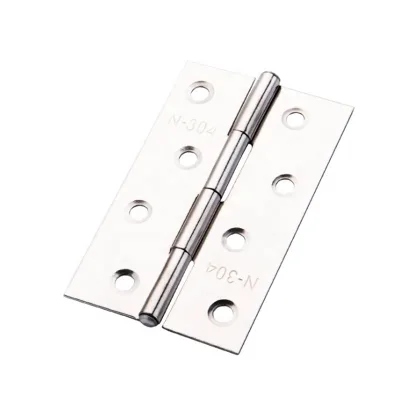
The listed hinges are made from stainless steel, with some models combining zinc alloy and aluminum alloy components. Stainless steel versions are commonly chosen for doors, windows, cabinets, and boxes where corrosion resistance matters. Buyers should confirm the exact grade, such as stainless steel 304, with the supplier before ordering, since material composition can vary between models and customized production runs.
What sizes are available for these Stainless Steel Loose Joint Hinges?
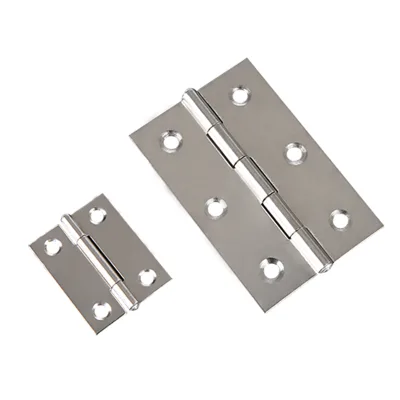
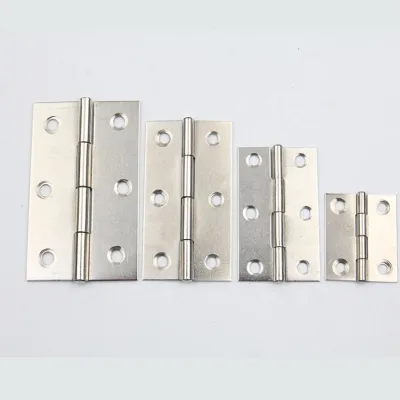
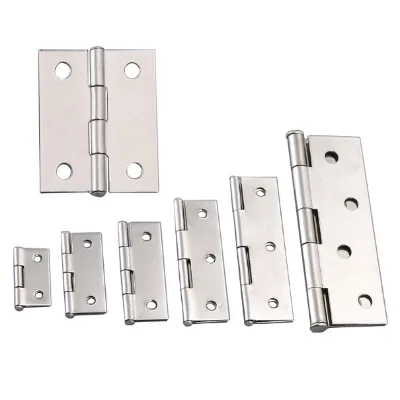
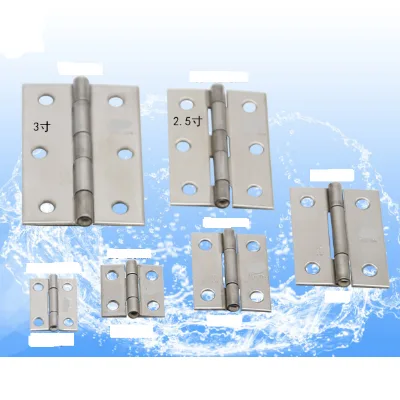
Sizes range from 1 inch to 4 inches, and customized sizes are available. Specific concealed hinge models are listed at 160*28*32mm, 160*28*33mm, and 111*29*34mm. When ordering, provide your door thickness and weight requirements so the supplier can confirm which size and load rating suits your application, as dimensions differ across the available product lines.
What door weight can these stainless steel hinges support?
The listed concealed hinge models support door weights of 80-100kg and up to 120kg with two pieces, depending on the model. Heavier doors generally need additional hinge sets or a higher-rated model. Always match the hinge rating to your actual door weight and thickness, and confirm load specifications with the supplier before placing a bulk order.
What is the minimum order quantity for these hinges?
The listed product shows a minimum order quantity of 100 pieces, while another listed hinge line requires 5000 pieces. MOQ therefore varies by product and supplier. If you need a smaller trial quantity, ask about sample availability, since samples are provided for the listed hinge products, allowing you to test fit and finish before committing to volume.
Can these hinges be customized for specific project requirements?
Yes, customization is available for the listed hinges, including customized sizes. Buyers can typically specify dimensions, finish, and packaging details to match project needs. Provide drawings or clear specifications such as door thickness, opening angle, and mounting requirements when requesting a quote, so the supplier can confirm feasibility, tooling needs, and any effect on price or lead time.
What surface finish do these stainless steel hinges have?
The listed hinges come with a zinc plated finish, and black is one of the available color options, with stainless steel color also listed. Zinc plating adds a protective layer that helps resist corrosion on doors, windows, and cabinets. Confirm the available finish and color options for the specific model you need, since appearance options can vary between product lines.
Which opening angles do these hinges support?
The listed products include both 180 degree and 270 degree hinge types. A 180 degree hinge allows the door to open flat against a adjacent surface, while a 270 degree hinge provides wider swing clearance. Choose the angle based on your door layout and clearance needs, and confirm the opening angle for the exact model before ordering in bulk.
Where are these hinges produced and how are they packed?
The listed hinges are produced in Hebei, China, under the JG and Warmstar brand names. Packing is listed as white inner boxes with yellow-brown outer cartons for some models. If you have specific packing requirements for retail or project delivery, discuss them with the supplier, as packing arrangements can often be adjusted for bulk or customized orders.