Source IP65 Aluminum Alloy Linear Actuator for Automation, Medical, and Agriculture
Find 30 IP65 Aluminum Alloy Linear Actuator options with varying thrust, stroke, and duty cycles. Compare specifications like motor type, feedback sensors, and certifications to select the right component for your industrial or medical application needs; compare the available evidence and request quotations based on your requirements.
Updated
Key considerations
Products List
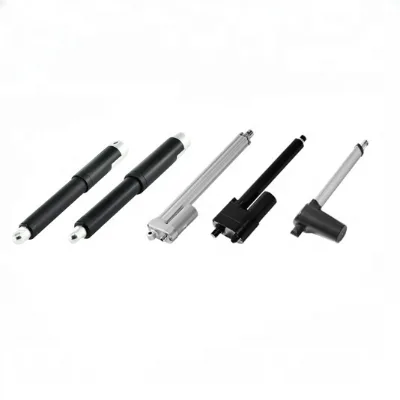
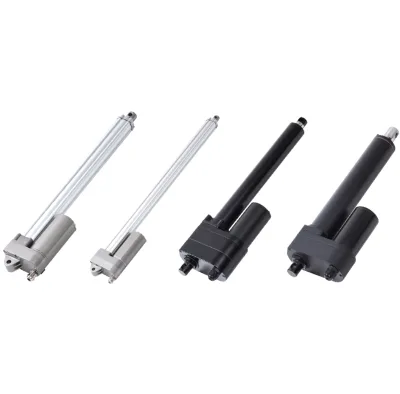
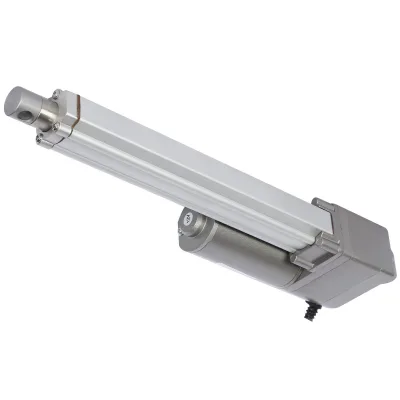

$19.00 - $29.00
MOQ: 2 Pieces


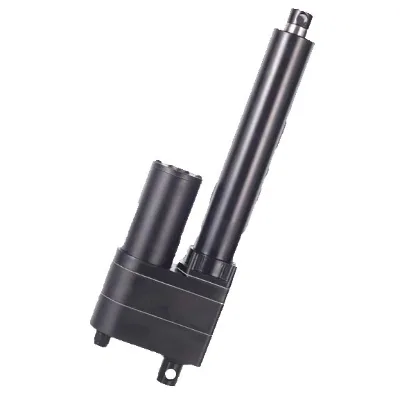
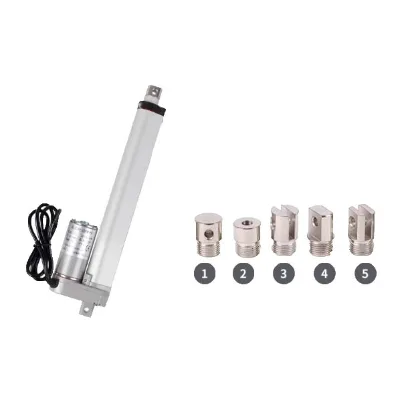
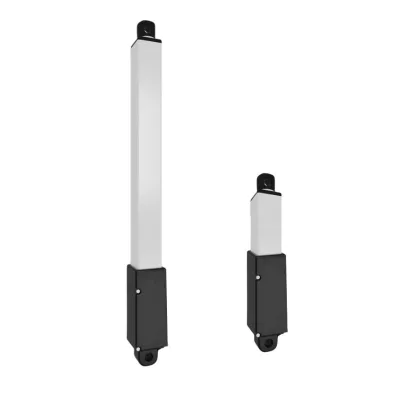
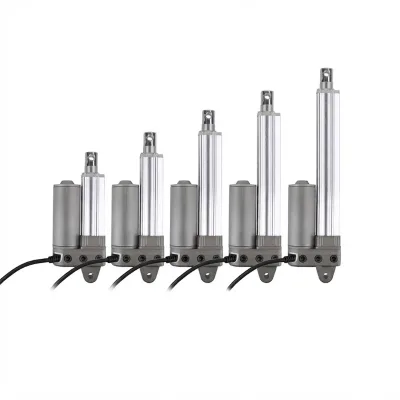
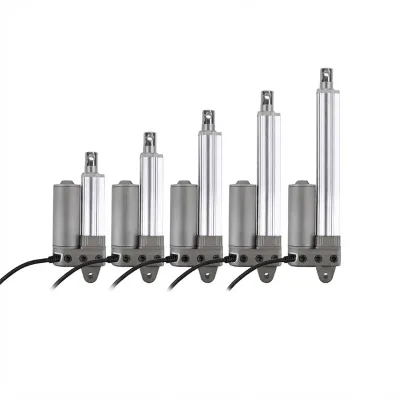


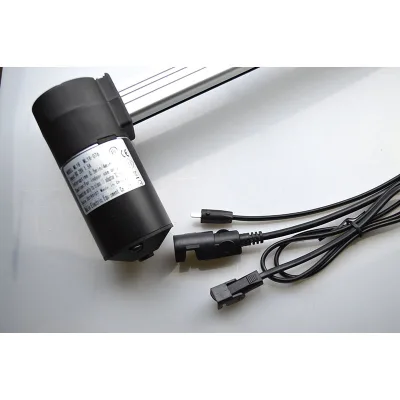

$600.00 - $2500.00
MOQ: 1 Pieces
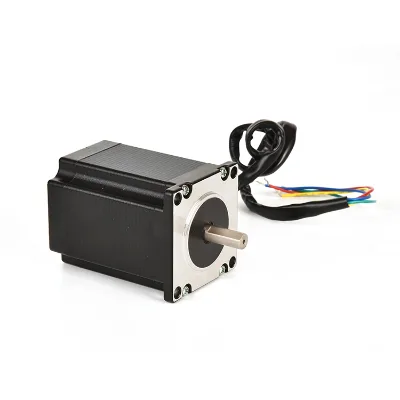

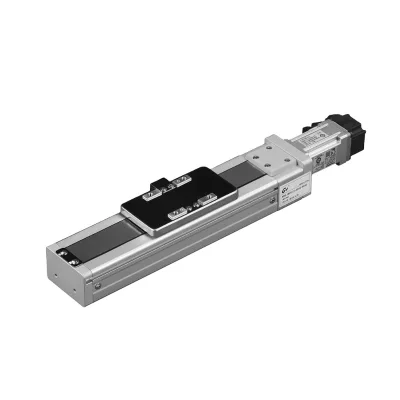
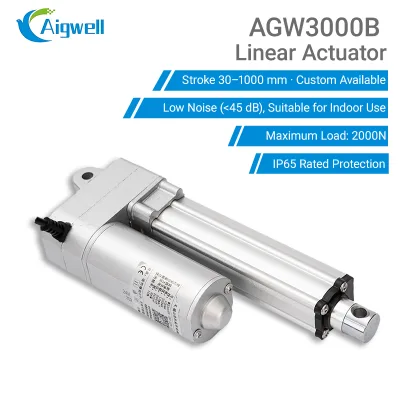
Comprehensive Sourcing Guide
IP65 Aluminum Alloy Linear Actuator Sourcing Guide
Selecting the right linear actuator requires balancing environmental resilience with mechanical precision. Buyers must prioritize units that combine robust housing materials with verified ingress protection ratings to ensure longevity in demanding industrial settings. This guide outlines the critical verification steps for sourcing reliable components that meet specific operational thresholds.
Procurement teams should focus on verifying material composition and electrical safety standards before finalizing orders. The intersection of aluminum alloy construction and IP65 sealing offers a durable solution for applications requiring resistance to dust and water jets. Understanding these core attributes helps buyers avoid costly failures and ensures compatibility with existing automation systems.
Product Scope and Observed Listing Signals
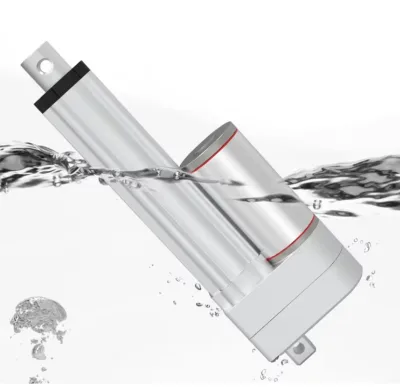
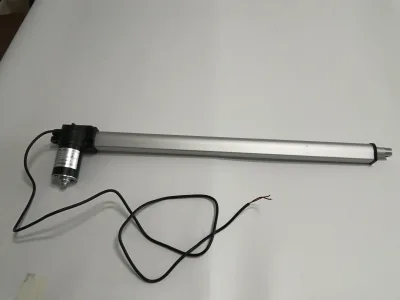
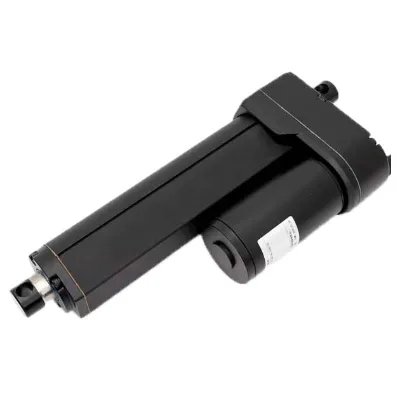
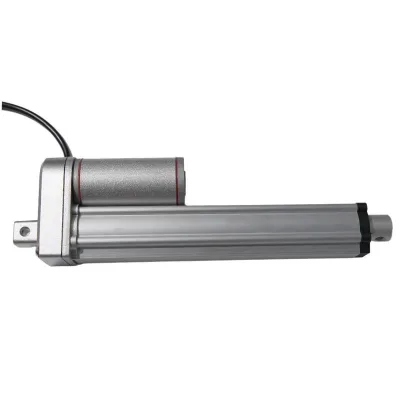
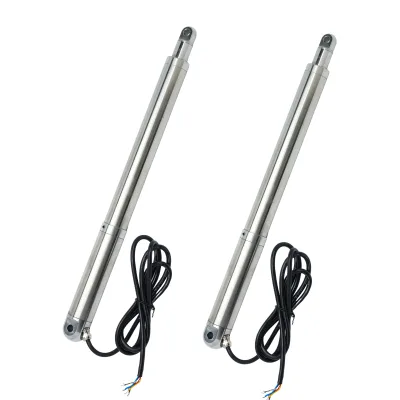
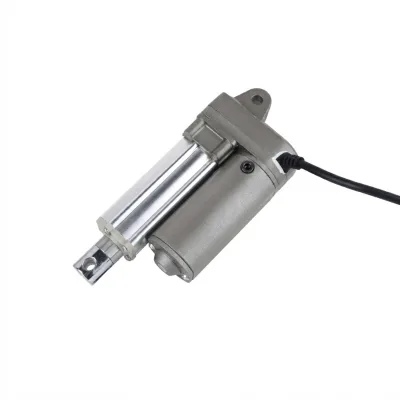
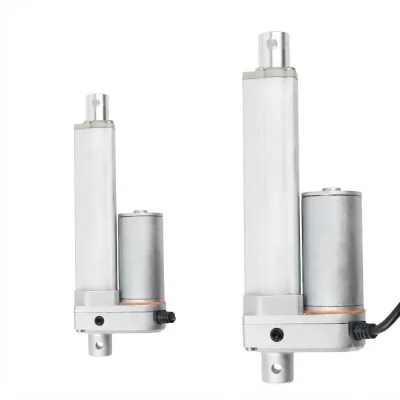
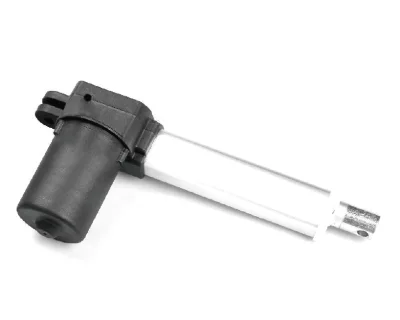
Market listings for aluminum alloy linear actuators frequently highlight specific model series such as the ALM-601, ALM-602, DLA-AP, DLA-HB, and DLA-A. These models often feature aluminum outer tubes and stroke rods, providing a lightweight yet rigid structure essential for high-speed linear motion. Buyers should observe that customization is widely available, allowing for tailored stroke lengths ranging from 30mm to 800mm to fit unique spatial constraints.
Observed product attributes indicate a strong emphasis on durability and operational flexibility. Many units boast a silver finish and utilize brush PMDC motors for efficient power delivery. The presence of built-in limit switches and internal mechanical clutches suggests integrated safety features designed to prevent over-travel. Procurement specialists must verify that the listed characteristics align with their specific load and speed requirements before committing to a purchase.
Technical Specifications to Verify
Engineers must rigorously validate the maximum load and static force capabilities of the selected actuator. Typical specifications include a max load of 1500N and a max static force of 3000N for certain models, while others may support up to 2000N of thrust. It is crucial to confirm the duty cycle, which often ranges from 20% for general use to 10% for high-speed linear applications, to prevent motor overheating during continuous operation.
Thermal management and feedback mechanisms are equally critical for system integration. Operating temperatures typically span from -20°C to +65°C, ensuring functionality in varied environmental conditions. Buyers should verify the screw type, noting that Acme screws are standard while ball screws may be customized. Additionally, confirm the availability of feedback options such as potentiometers or Hall sensors, which are essential for precise position control in automated workflows.
Compliance and Safety Documentation
Regulatory compliance is non-negotiable for industrial procurement, with RoHS, ISO, and CE certifications being common markers of quality. These certifications indicate adherence to environmental standards and European safety directives, facilitating smoother market entry and deployment. Buyers must request valid certificates for each batch to ensure that materials and manufacturing processes meet international regulatory requirements without exception.
Electrical safety and insulation classes further define the reliability of the actuator in harsh environments. An insulation class of F and a protection class of IP65 suggest robust resistance to electrical faults and environmental ingress. Procurement teams should verify that the CE label is present and that the unit meets specific noise level standards, often below 50dB, to maintain a safe and compliant working environment for operators.
Cost Drivers and Commercial Terms
Pricing for aluminum alloy linear actuators varies significantly based on customization and component quality. Observed price ranges in the market span from $5 to $2500, reflecting differences in motor type, screw mechanism, and feedback integration. Buyers should anticipate higher costs for units featuring ball screws, custom cable lengths, or specialized feedback sensors, which add complexity to the manufacturing process.
Minimum order quantities (MOQ) and lead times are key commercial factors influencing supply chain planning. Typical MOQs range from 1 to 10 units, offering flexibility for both prototyping and small-batch production. Procurement specialists must negotiate clear terms regarding standard export packing and customized standards to ensure that logistical costs do not erode the overall value proposition of the purchase.
Supplier Qualification and Quality Control
Verifying the supplier’s origin and manufacturing capabilities is essential for maintaining consistent quality. Many suppliers are located in industrial hubs such as Changzhou, Jiangsu, China, which are known for precision engineering and competitive production costs. Buyers should assess the supplier’s ability to provide customized solutions, including tailored strokes and specific certification packages, to meet unique project requirements.
Quality control processes must include rigorous testing of mechanical limits and electrical performance. Suppliers should demonstrate the ability to produce units with a life time of 50,000 complete cycles or 500 million mm of travel, depending on the model. Procurement teams should request sample units for testing to verify noise levels, thrust consistency, and the reliability of built-in limit switches before scaling up orders.
Long-Term Procurement Checks
Sustainability and lifecycle management are critical considerations for long-term procurement strategies. Buyers should evaluate the actuator’s maintenance requirements and the availability of replacement parts to minimize downtime. Units with powder metal gears or metal gear rolling mechanisms may offer different wear characteristics, influencing the total cost of ownership over the product’s lifespan.
Continuous monitoring of supplier performance and product consistency is necessary to mitigate supply chain risks. Procurement teams should establish clear communication channels for addressing defects or performance deviations promptly. By maintaining a focus on verified specifications and compliance documentation, buyers can ensure that their linear actuator investments deliver reliable performance and operational efficiency for years to come.
FAQs
What certifications do the IP65 Aluminum Alloy Linear Actuator models have?
The IP65 Aluminum Alloy Linear Actuator models hold RoHS, ISO, CE, and CCC certifications. These credentials ensure compliance with international safety and environmental standards. The CE label is explicitly present on the units. This combination of certifications supports global sourcing requirements for industrial automation components.
Can the IP65 Aluminum Alloy Linear Actuator be customized for specific needs?
Yes, the IP65 Aluminum Alloy Linear Actuator offers available customization options. The standard stroke can be adjusted, and the screw type can be customized to a ball screw. Cable length is also available in 1000mm or customized lengths. This flexibility allows for tailored integration into various mechanical systems.
What is the maximum load capacity of the IP65 Aluminum Alloy Linear Actuator?
The IP65 Aluminum Alloy Linear Actuator features a maximum load of 1500N and a max static force of 3000N. Another variant supports a max thrust of 2000N with a load range of 200-2000N. These capacities ensure robust performance for demanding linear motion applications in industrial environments.
How long is the expected life of the IP65 Aluminum Alloy Linear Actuator?
The IP65 Aluminum Alloy Linear Actuator has a life time of 50,000 complete cycles. Another specification indicates a life time of 500 million mm. These durability metrics reflect the robust construction using aluminum alloy housing and metal gear rolling or powder metal gears for reliable long-term operation.
What is the operating temperature range for the IP65 Aluminum Alloy Linear Actuator?
The IP65 Aluminum Alloy Linear Actuator operates within a temperature range of -26 to +65 degrees centigrade. One variant specifies a range of -20 to +65 degrees centigrade. This wide operating range ensures stable performance in diverse environmental conditions without compromising the IP65 protection class.
What motor type is used in the IP65 Aluminum Alloy Linear Actuator?
The IP65 Aluminum Alloy Linear Actuator utilizes a Brush PMDC Motor. This motor type is paired with Acme screws, though ball screws can be customized. The system includes built-in limit switches and offers feedback options like potentiometers or Hall sensors for precise control and positioning.