Source Automatic Powder Packing Machine for Food, Beverage, and Chemical
Find 30 Automatic Powder Packing Machine for Food and Beverage applications. Compare models like DXDF50F and DXDMFII featuring stainless steel construction, PLC control, and high-precision screw filling for powders with poor fluidity; compare the available evidence and request quotations based on your requirements.
Updated
Key considerations
Products List


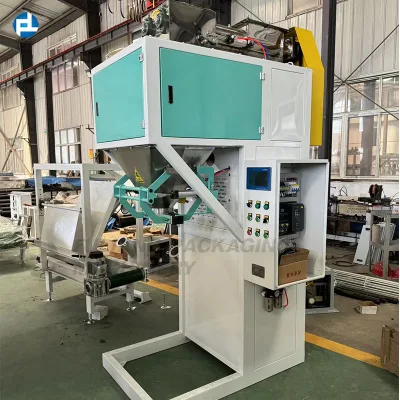
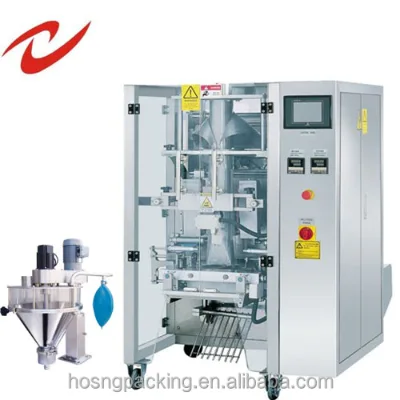

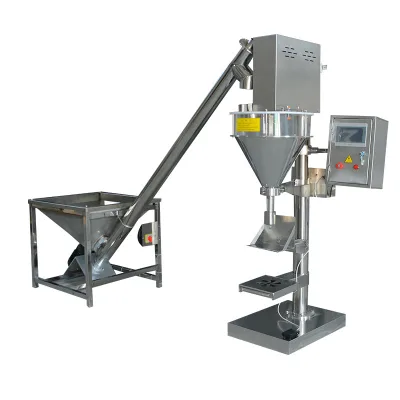
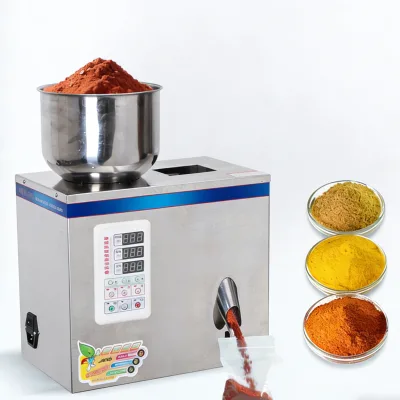
Automatic Powder Packing Packaging Machine for Milk Coffee Spice and Flour Powder
$10228.25 - $11046.51
MOQ: 1 Pieces

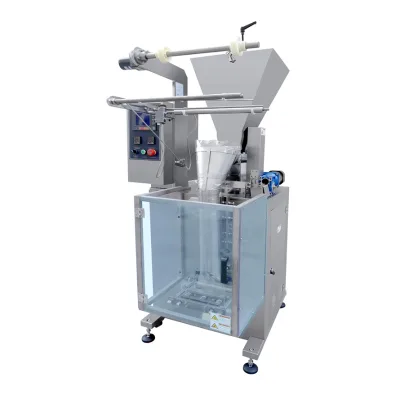
Automatic Powder Packaging Machine for Coffee Powder and Milk Powder
$10228.25 - $11046.51
MOQ: 1 Pieces


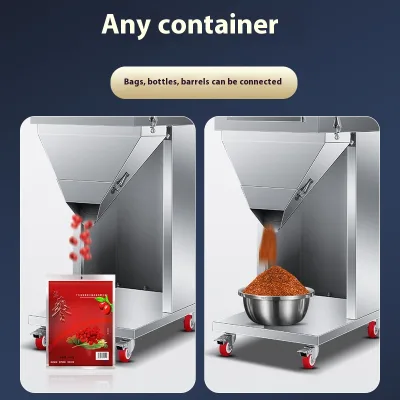
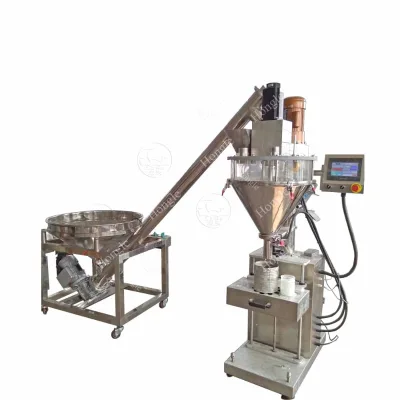
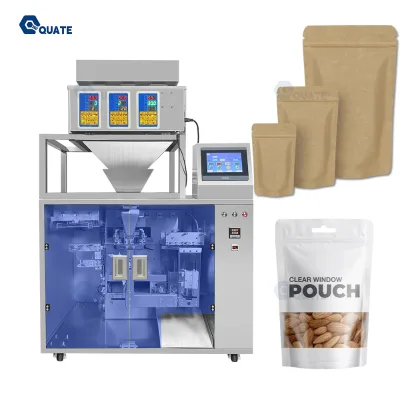

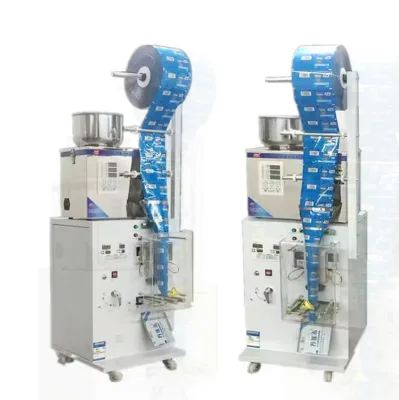


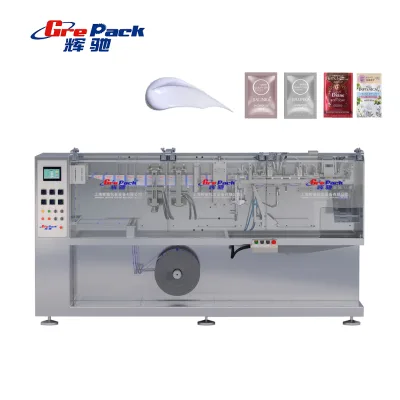
Food Packaging Machine Automatic Packaging Machine for Granular Powder Packaging
$2199.00 - $2799.00
MOQ: 1 Pieces


Comprehensive Sourcing Guide
Automatic Powder Packing Machine for Food and Beverage Sourcing Guide
Procuring an Automatic Powder Packing Machine for Food and Beverage applications requires a careful alignment of mechanical capabilities with strict hygiene standards. The market offers diverse solutions, ranging from high-precision screw filling systems to linear weighing-type machines, each suited for specific material behaviors. Buyers must first identify whether their target material consists of powders with poor fluidity or standard powder mixtures, as this dictates the necessary dosing device, such as a plunger or auger mechanism. Understanding these fundamental distinctions ensures that the selected equipment can handle the unique flow characteristics of ingredients like spices, dairy powders, or nutritional supplements without clogging or inconsistent dosing.
Beyond mechanical fit, the automation grade and control interface play pivotal roles in operational efficiency. Modern units typically feature advanced touch human-machine interfaces that streamline setup and monitoring, reducing the learning curve for operators. The choice between fully automatic and semi-automatic configurations often hinges on production volume and labor constraints. Furthermore, the machine’s ability to adapt to different packaging specifications, such as varying bag sizes or sealing modes, adds significant value. Buyers should prioritize equipment that offers quick-change modular structures, allowing for rapid product changeovers and minimizing downtime during shifts between different food products or beverage mixes.
Product Scope and Observed Listing Signals
The current market landscape for automatic powder packing machines reveals a wide spectrum of capabilities tailored to various industrial needs. Listings frequently highlight machines designed for the pharmaceutical, food, cosmetic, and chemical industries, indicating a broad applicability across sectors requiring precise powder handling. Specific models, such as the DXDF50F and DXDMFII, demonstrate the variety in design, with some focusing on high-precision screw filling and others on weighing-type accuracy. These signals suggest that buyers can find specialized equipment for distinct tasks, whether it involves filling tea, snacks, seasonings, or dairy products into different packaging formats.
Observed listing data also points to specific technical attributes that define product suitability. For instance, some machines are equipped with single-head filling valves and pressure-based filling principles, while others utilize linear structures with single-room feeding cylinders. The packaging materials supported range from PVC and polyethylene to aluminum and composite materials, reflecting the versatility required in modern packaging lines. Additionally, the presence of features like three-side and four-side sealing modes indicates that buyers can select machines capable of producing various bag styles, including 3-side seal and 4-side seal bags, which are common in food and beverage packaging.
Technical Specifications to Verify
When evaluating technical specifications, buyers must scrutinize the filling method and measurement accuracy to ensure product consistency. High-precision screw filling is often preferred for powders with poor fluidity, as it provides controlled dispensing. Conversely, weighing-type filling machines offer alternative accuracy, with some models boasting a measurement error of ±1%. It is crucial to verify the filling head configuration, as options may include single-head setups or optional multiple heads to increase throughput. Understanding the dosing device, whether it is a plunger or an auger, helps in matching the machine to the specific viscosity and flow properties of the powder being processed.
Production speed and power requirements are equally critical for operational planning. Some machines operate at speeds of 10-25 cans per minute, which may be suitable for small to medium-scale production runs. Buyers should also check the power supply compatibility, as units may require 380V at 50Hz or 60Hz, and have power ratings around 2.2kw. Dimensions and weight, such as approximately 200kg for certain models, impact installation logistics and floor space allocation. Verifying these physical and electrical parameters ensures that the machine integrates seamlessly into the existing facility infrastructure without requiring extensive modifications.
Compliance and Safety Documentation
Compliance with safety and hygiene standards is non-negotiable in the food and beverage industry. Buyers must ensure that the machine’s construction materials, particularly those in contact with food, meet relevant regulatory requirements. Stainless steel is a common material for machine construction, offering durability and ease of cleaning, which are essential for maintaining sanitary conditions. It is vital to verify that all components, including the filling valve heads and feed cylinders, are designed to prevent contamination and allow for thorough cleaning between batches. Documentation should confirm that the materials used are food-grade and resistant to corrosion and chemical degradation.
Safety certifications and operational safeguards are also key areas of verification. While specific certification statuses may vary, buyers should look for evidence of compliance with international safety standards, such as CE marking, which indicates adherence to European health, safety, and environmental protection standards. The machine’s control interface should include emergency stop functions and interlocks to protect operators during maintenance or malfunction. Additionally, the driven type, typically electric, should be equipped with proper grounding and insulation to prevent electrical hazards. Ensuring that the supplier provides comprehensive safety documentation helps mitigate risks and ensures a safe working environment.
Cost Drivers and Commercial Terms
Cost drivers for automatic powder packing machines include the level of automation, customization options, and the complexity of the filling mechanism. Machines with advanced touch interfaces and modular designs often command higher prices due to their flexibility and ease of use. Customization availability allows buyers to tailor the machine to specific packaging requirements, which can influence the final cost. Buyers should also consider the packaging material compatibility, as machines supporting a wider range of materials, from plastic films to aluminum, may offer greater versatility but at a potentially higher price point.
Commercial terms, such as minimum order quantity (MOQ) and lead times, significantly impact procurement planning. Observed data suggests an MOQ of 1 for many listings, indicating that single-unit purchases are feasible, which is beneficial for small-scale operations or pilot projects. Lead times can vary based on customization needs and supplier capacity, so buyers should request clear timelines before committing. Additionally, the packing method, whether in wooden cases or plastic film and wooden cases, affects shipping costs and handling requirements. Understanding these commercial aspects helps in budgeting accurately and managing supply chain expectations effectively.
Supplier Qualification and Quality Control
Supplier qualification is a critical step in ensuring the reliability and longevity of the purchased equipment. Buyers should assess the supplier’s manufacturing capabilities, particularly their expertise in producing machines for the food and beverage industry. Factories located in regions known for machinery manufacturing, such as Guangdong, may offer competitive advantages in terms of supply chain efficiency and technical support. It is advisable to request detailed information about the supplier’s quality control processes, including factory audits and product testing protocols, to verify that the machines meet specified performance standards.
Quality control measures should extend to the post-sale support and warranty provisions. Buyers should inquire about the availability of spare parts, technical assistance, and training services to ensure smooth operation and maintenance. The machine’s modular design, featuring quick-change structures, can simplify maintenance tasks, but it is essential to confirm that the supplier provides comprehensive manuals and support resources. Additionally, verifying the supplier’s reputation through customer references or industry reviews can provide insights into their reliability and commitment to customer satisfaction, reducing the risk of operational disruptions.
Long-Term Procurement Checks
Long-term procurement checks involve monitoring the machine’s performance and adaptability to evolving market demands. Buyers should establish key performance indicators, such as production speed consistency, measurement accuracy over time, and maintenance frequency, to evaluate the machine’s reliability. Regular audits of the machine’s condition, including the wear and tear of critical components like filling valves and sealing mechanisms, help in planning preventive maintenance and avoiding unexpected downtime. Tracking these metrics ensures that the machine continues to meet production targets and quality standards throughout its lifecycle.
Adaptability to future product changes is another crucial consideration. As market trends shift, buyers may need to process different types of powders or switch to new packaging formats. Machines with customizable features and modular designs offer greater flexibility, allowing for easier upgrades or modifications. Buyers should also stay informed about advancements in packaging technology and automation to ensure that their equipment remains competitive. By maintaining a proactive approach to procurement checks and staying engaged with supplier updates, buyers can maximize the return on investment and sustain operational efficiency in the long run.
FAQs
What filling methods are available for automatic powder packing machines?
High-precision screw filling and auger filling are the primary methods used for powders with poor fluidity. These systems ensure accurate dosing for mixtures and fine powders in pharmaceutical, food, and chemical industries. The machines often feature single-head or optional multiple-head configurations to meet varying production speeds and precision requirements.
Can the machine handle different packaging materials and bag styles?
Yes, the equipment supports various materials including PVC, polyethylene, aluminum, and composite materials. It forms and seals bags using three-side or four-side sealing modes. The modular design allows for quick changes to accommodate different bag styles, ensuring versatility for snacks, seasonings, and dairy products in automated packaging lines.
What is the typical production speed and measurement error?
The production speed ranges from 10 to 25 cans per minute depending on the specific model and configuration. The measurement error is maintained at approximately plus or minus one percent. This precision is achieved through advanced touch human-machine interfaces and linear structure designs that optimize the filling and sealing process for consistent output.
Which industries commonly use these automatic powder packing machines?
These machines are widely used in the pharmaceutical, food, cosmetic, and chemical industries. They are suitable for packaging tea, snacks, seasonings, and dairy products. The automatic grade and stainless steel construction ensure hygiene and durability, making them ideal for handling powders and powder mixtures in regulated manufacturing environments with high standards.
What are the standard power supply and machine dimensions?
The standard power supply is 380V at 50Hz or 60Hz with a power consumption of 2.2kw. The machine dimensions are approximately 2000 by 1000 by 1980mm, and the weight is around 200kg. These specifications ensure compatibility with standard industrial electrical systems while providing a compact footprint for efficient factory floor integration.
Is customization available for specific product specifications?
Customization is available to adapt to specific product requirements such as 300 to 1000g capacities with spiral attachments. The modular design allows for quick changes to suit different filling principles and valve head configurations. Buyers can request tailored solutions for unique powder characteristics or packaging formats to optimize their production line efficiency.