Source PVC Tape Rewinding Machine for Paper, Film, and Cloth
Compare 30 PVC tape rewinding machines from verified Chinese suppliers. These units support paper, insulating materials, and cloth substrates with automatic operation and customizable options for machinery and hardware applications; compare the available evidence and request quotations based on your requirements.
Updated
Key considerations
Products List


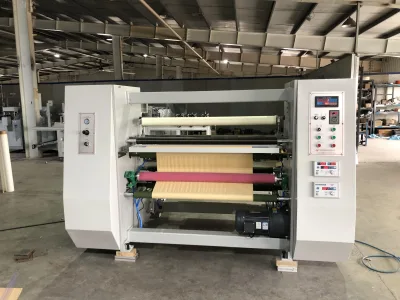


Fr-808 Double-Shaft Construction Tape Rewinding Machine/PVC Tape Rewinder
$10000.00 - $25000.00
MOQ: 1 set


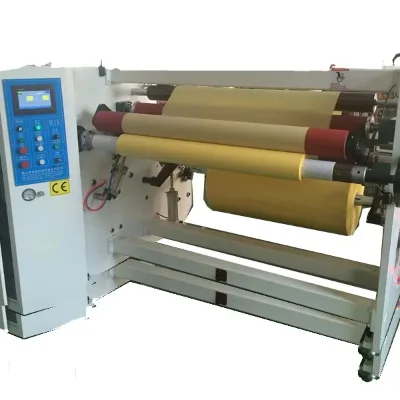
Foam Tape Rewinding Machine/Kraft Paper/Duct/Aluminum Foil Tape Rewinder
$8000.00 - $20000.00
MOQ: 1 set


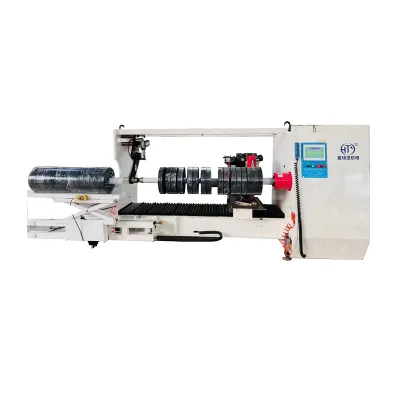
Single Shaft Automatic Glue Tape Adhesive Tape Winding Rewinder Machine
$8000.00 - $10000.00
MOQ: 1 Sets


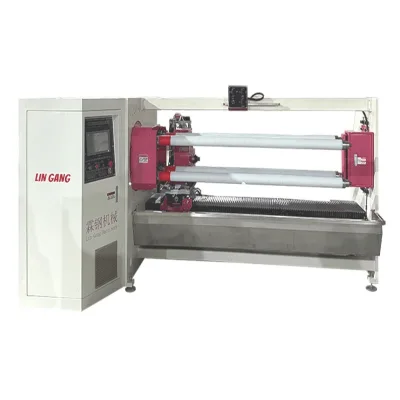
BOPP Plastic Tape Rewinding Machine Adhesive Packing Tape Winding Rewinder Machinery
$14000.00 - $23000.00
MOQ: 1 Sets


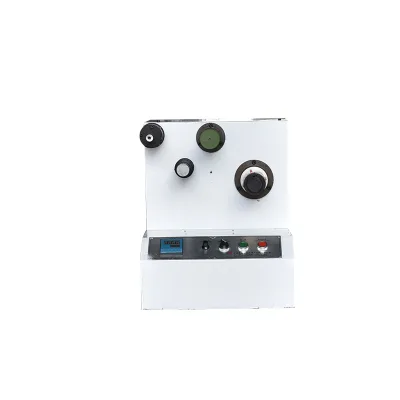
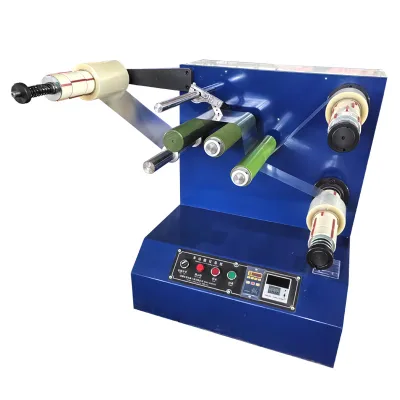
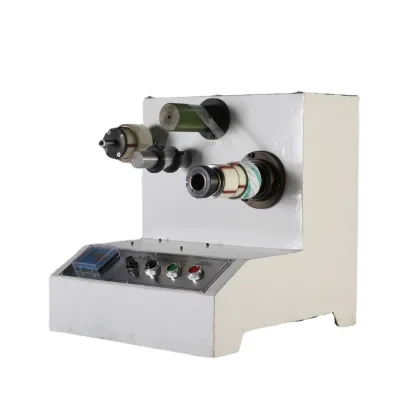
Comprehensive Sourcing Guide
PVC Tape Rewinding Machine Sourcing Guide
Selecting the right PVC Tape Rewinding Machine requires a clear understanding of the specific operational needs and the technical capabilities of available equipment. Buyers must evaluate whether the machinery aligns with their production volume, substrate types, and desired output quality. The market offers various models, each with distinct features that cater to different industrial requirements, from small-scale operations to high-speed manufacturing lines.
This guide provides a structured approach to sourcing these machines, focusing on key technical specifications, compliance standards, and supplier qualifications. By carefully assessing these factors, procurement teams can make informed decisions that minimize risk and ensure long-term operational efficiency. The following sections detail the essential considerations for selecting the optimal rewinding solution for your business.
Product Scope and Observed Listing Signals
The current market for PVC tape rewinding machines presents a diverse range of options, with observed prices spanning from $327 to $60,000 USD. This wide variance reflects differences in automation levels, build quality, and additional features such as online support or video technical assistance. Buyers should note that the minimum order quantity (MOQ) is typically set at one unit, allowing for flexible procurement strategies tailored to specific project needs or pilot installations.
Observed listings indicate that customization is available, enabling buyers to tailor machines to specific production environments. Common packaging methods include plastic stretch film or wooden cases, ensuring safe transit for heavy components. The origin of these machines is predominantly China, with specific manufacturing hubs in Henan, Tai Cang, Jiangsu, and Wuhu, Anhui. Understanding these geographic and commercial signals helps buyers assess logistics, lead times, and potential supply chain dependencies.
Technical Specifications to Verify
When evaluating technical specifications, voltage requirements are a critical first step, with observed options including 220V and 380V configurations. Buyers must ensure their facility’s power infrastructure matches the machine’s electrical needs to avoid operational disruptions. Additionally, the driven type, often electric and pneumatic, influences the machine’s responsiveness and control precision, which is vital for maintaining consistent tape quality during high-speed operations.
Core components such as PLCs and motors are frequently highlighted, indicating a focus on automated control and reliability. Weight varies significantly, from 75kg for lighter models to 1200kg for heavier, industrial-grade units, impacting installation and floor space requirements. Dimensions also differ, with some models measuring around 227018701420mm, while others are more compact. Verifying these physical and electrical specs ensures the machine fits seamlessly into existing production lines.
Compliance and Safety Documentation
Safety and compliance are paramount when operating industrial machinery, and buyers should verify that machines meet relevant local and international safety standards. Although specific certification details are not always listed, the presence of features like automatic grades and easy-to-operate interfaces suggests a focus on user safety and ergonomic design. Buyers must ensure that the supplier provides necessary documentation, including electrical safety certificates and operational manuals, to guarantee safe installation and use.
Warranty terms, such as the observed one-year coverage, provide a baseline for risk mitigation, but buyers should clarify the scope of this warranty. It is essential to confirm whether the warranty covers core components like PLCs and motors, as these are critical to machine functionality. Additionally, verifying the availability of after-sales services, including online support and video technical assistance, ensures that any technical issues can be resolved promptly, minimizing downtime and maintaining production continuity.
Cost Drivers and Commercial Terms
Several factors influence the total cost of ownership for PVC tape rewinding machines, including power consumption, material handling capabilities, and automation levels. For instance, a machine with a power rating of 2500W and a rewinding speed of 24m/min may offer higher throughput but also incur greater energy costs. Buyers should analyze these operational metrics to determine the most cost-effective solution for their specific production volume and efficiency targets.
Commercial terms such as packaging and shipping methods also impact overall costs. Wooden case packaging is common for heavier units, adding to shipping expenses but providing essential protection during transit. Buyers should negotiate clear terms regarding delivery, installation, and training to avoid hidden costs. Understanding the full cost structure, including maintenance and potential upgrades, allows for more accurate budgeting and long-term financial planning.
Supplier Qualification and Quality Control
Supplier qualification is a critical step in ensuring the reliability and quality of the purchased machinery. Buyers should verify the supplier’s manufacturing capabilities, including their ability to provide video outgoing-inspections, which offer transparency into the quality control process before shipment. This visual verification helps confirm that the machine meets specified standards and is free from defects, reducing the risk of receiving subpar equipment.
Additionally, buyers should assess the supplier’s reputation and track record in the industry. While specific supplier names are not recommended, observing the availability of online support and video technical assistance indicates a commitment to customer service. Suppliers that provide detailed product specifications, such as model numbers and dimensions, demonstrate professionalism and attention to detail, which are key indicators of a reliable partner for long-term collaboration.
Long-Term Procurement Checks
Long-term procurement success depends on establishing robust maintenance and support protocols for the PVC Tape Rewinding Machine. Buyers should inquire about the availability of spare parts and the supplier’s response time for technical issues. A supplier that offers comprehensive after-sales support, including video technical assistance, can significantly reduce downtime and extend the machine’s operational lifespan.
Furthermore, buyers should consider the machine’s adaptability to future production needs. With customization options available, it is possible to upgrade or modify the machine as business requirements evolve. Regularly reviewing the machine’s performance against initial specifications and adjusting operational parameters can help maintain efficiency. Establishing a proactive maintenance schedule and staying informed about technological advancements in rewinding machinery ensures sustained productivity and competitive advantage.
FAQs
What customization options are available for pvc tape rewinding machines?
Customization is available for these machines to meet specific production needs. Buyers can select from various models such as BG-800 or RED-3111. The equipment supports different substrates including paper and insulating materials. This flexibility allows manufacturers to adapt the machinery to their unique operational requirements effectively.
How is the voltage configured for industrial pvc tape rewinding machines?
Voltage configurations vary by model to suit different power infrastructures. Some units operate at 220V, while others support 380V for heavier industrial loads. The core components often include PLC and motor systems. Buyers should verify the specific voltage requirement for their chosen model before installation to ensure compatibility.
Which specifications define the standard dimensions of these rewinding machines?
Standard dimensions differ across models to accommodate various production scales. For instance, one model measures 2270*1870*1420 mm, while another is 3.58*1.99*1.9M. Specific standards like 1600MM may also apply. These physical attributes help buyers determine the floor space required for integration into their existing factory layouts.
Can buyers access after-sales support for pvc tape rewinding machines?
Yes, after-sales support is provided for these industrial machines. Services typically include online support and video technical assistance. This ensures that operators can resolve issues remotely without immediate on-site visits. Buyers benefit from continuous technical guidance to maintain machine performance and minimize production downtime during operation.
What is the typical weight and packaging for these machines?
Weights vary significantly based on the machine model and capacity. Lighter units may weigh around 75kgs, while larger industrial models can reach 1200kg. Packaging is usually provided in wooden cases or plastic stretch film. This robust packaging protects the machinery during transit from manufacturing locations in China to global destinations.
What is the maximum rewinding speed for these machines?
Maximum speeds depend on the specific model selected for production. Some machines offer a max speed of 100m/Min, while others may have a rewinding speed of 24m/min. These performance metrics allow buyers to match the equipment speed with their production line requirements. Higher speeds generally correlate with increased output capacity.