Source Automatic Remote Monitoring Packaging Machine for Food, Beverage, Chemical
Compare 30 automatic remote monitoring packaging machines from verified suppliers. These units support filling, sealing, and capping for food, beverage, and chemical applications with remote monitoring capabilities. Options include electric driven types with PLC control systems and CE certification for diverse industrial needs.
Updated
Key considerations
Products List
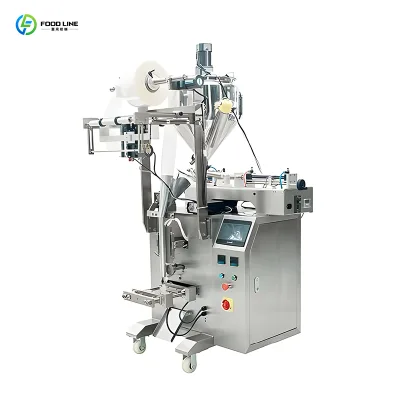
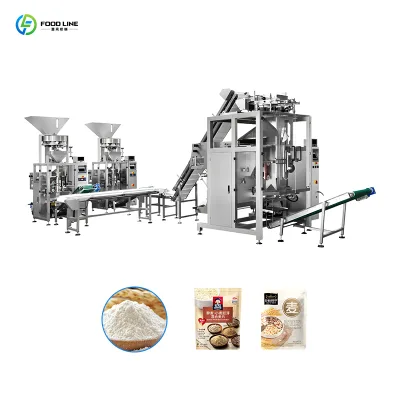
Adaptive Adjustment Packaging Machine Sealing Temperature Stable Packaging Machine
$4700.00 - $7900.00
MOQ: 1 units
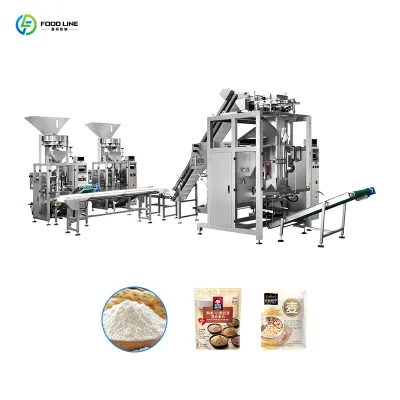
Fault Warning Function Packaging Machine Capacity Statistics Packaging Machine
$4700.00 - $7900.00
MOQ: 1 units
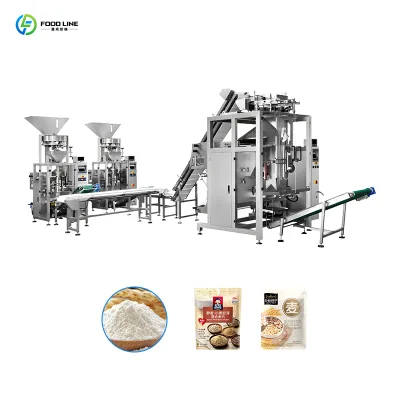
Strong Linkage Function Packaging Machine Adaptive Adjustment Function Packaging Machine
$4700.00 - $7900.00
MOQ: 1 units
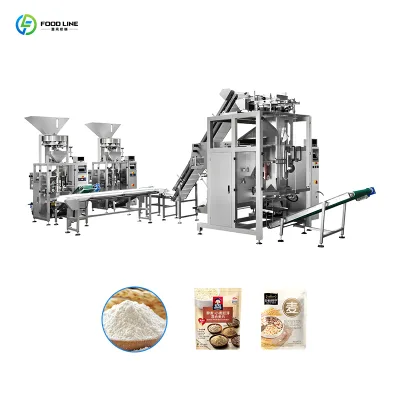
High Comprehensive Efficiency Packaging Machine Short Downtime Packaging Machine
$4700.00 - $7900.00
MOQ: 1 units
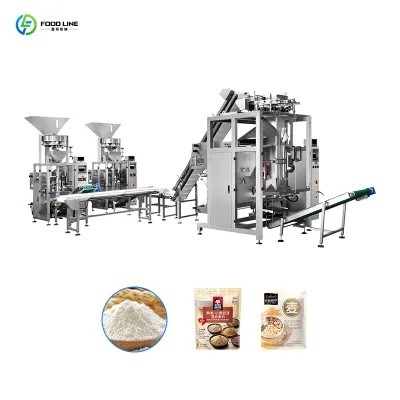
High Precision Measuring Packaging Machine Intelligent Fault Diagnosis Packaging Machine
$4700.00 - $7900.00
MOQ: 1 units

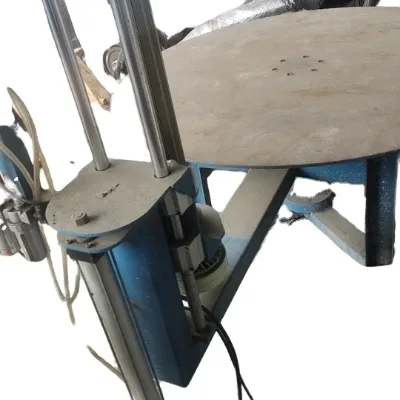

Intelligent-Control Packaging Machine System Automatic Packaging Machine
$140000.00 - $170000.00
MOQ: 1 Pieces

Advanced-Sensor Packaging Machine Controlled Automatic Packaging Machine
$140000.00 - $170000.00
MOQ: 1 Pieces

High-Performance Packaging Machine China-Manufactured Fully Automatic Packaging Machine
$140000.00 - $170000.00
MOQ: 1 Pieces

Packing Machine Packaging Equipment Sealing Automatic Packaging Machine
$6000.00 - $8000.00
MOQ: 1 Pieces
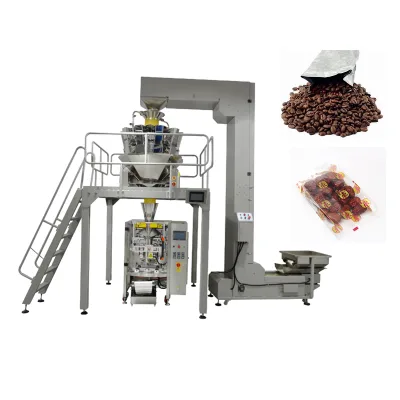
Automatic Red Dates Packing Packaging Machine
$15000.00 - $25000.00
MOQ: 1 pieces
Shanghai Dingjiang Packaging Machinery Manufacturing Co., Ltd.


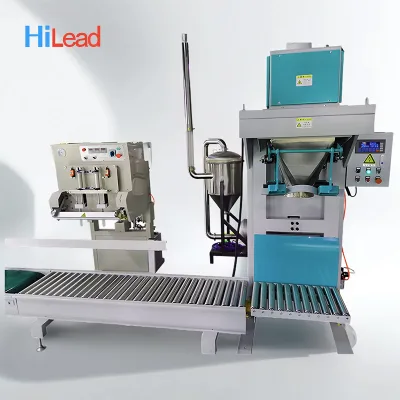
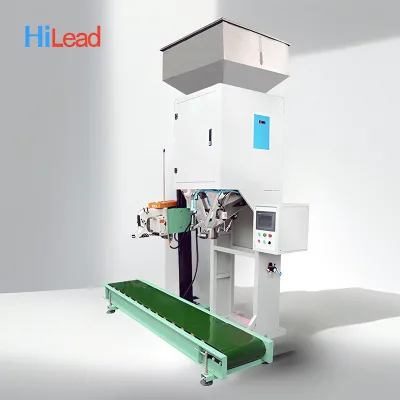
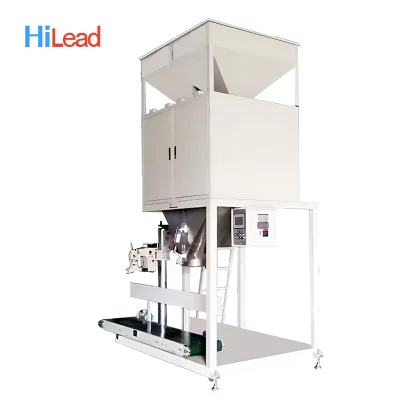
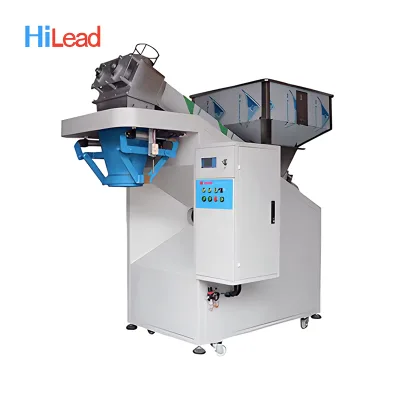
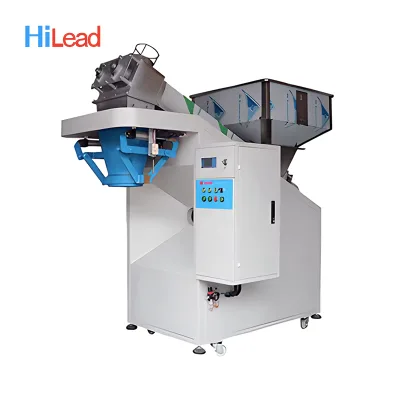
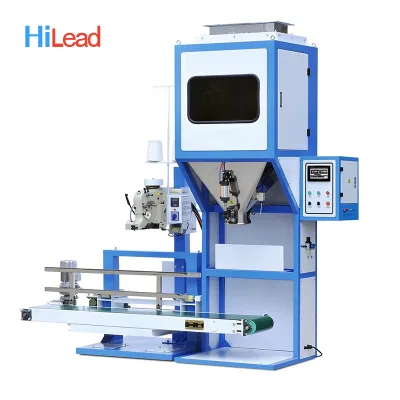
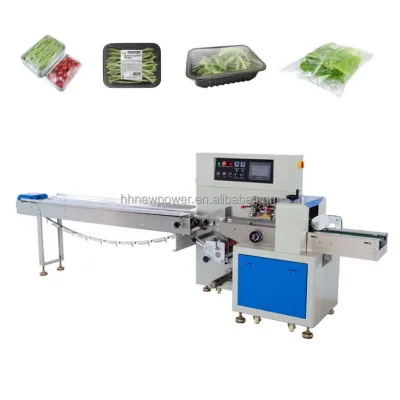

Automatic Packaging Machine and Box Packing Line Production Packaging Machine
$20000.00 - $23000.00
MOQ: 1 Pieces


Remote Monitoring Packing System for Drum Filling Secondary Packaging Equipment
$7299.00 - $16500.00
MOQ: 1 Sets


Comprehensive Sourcing Guide
Automatic Remote Monitoring Packaging Machine Sourcing Guide
Procuring an Automatic Remote Monitoring Packaging Machine requires a strategic approach to align technical capabilities with operational efficiency. These systems integrate advanced automation with digital oversight, allowing operators to manage filling, sealing, capping, and labeling processes from a distance. The core value proposition lies in the ability to reduce manual intervention while maintaining high throughput, which is critical for modern production lines that demand consistency and speed. Buyers must evaluate how well the remote monitoring features integrate with existing factory infrastructure to ensure seamless data flow and real-time decision-making.
The market offers a diverse range of models, from compact units handling small batches to large-scale systems capable of processing thousands of units per hour. Observed listings indicate a wide price spectrum, reflecting variations in automation depth, material handling capabilities, and brand reputation. Understanding the specific needs of your production line, such as the type of product being packaged and the required output volume, is essential before engaging with suppliers. This guide provides a structured framework for evaluating these machines based on verified technical attributes and commercial terms, ensuring that procurement decisions are grounded in factual data rather than marketing claims.
Product Scope and Observed Listing Signals
The observed product scope encompasses a variety of automatic packaging solutions, including filling and sealing machines, wrapping machines, and bag molding systems. Key selling points frequently highlighted include remote monitoring, ease of operation, and high efficiency, with some models claiming speeds of up to sixteen bales per minute. These machines are designed to handle a broad spectrum of materials, including solids, liquids, and granules, making them versatile for industries ranging from food and beverage to chemicals and hardware. The presence of customization options suggests that suppliers can tailor these systems to specific production requirements, such as unique packaging dimensions or specialized sealing techniques.
Listing signals reveal significant variation in technical specifications and physical attributes. For instance, voltage requirements range from standard 220V to industrial 380V, indicating that power infrastructure compatibility is a critical verification step. Weight and dimensions also vary widely, with some units weighing as little as 300 kg while others exceed 6,500 kg, necessitating careful planning for floor space and load-bearing capacity. Packaging materials for the machines themselves include cartons, wooden cases, and plastic films, which impacts shipping logistics and protection during transit. Buyers should carefully review these observed signals to ensure that the selected machine aligns with their facility’s physical and electrical constraints.
Technical Specifications to Verify
Verifying technical specifications is paramount to ensuring that the selected machine meets production demands. Core components, such as the motor, are critical to the machine’s performance and longevity, and buyers should inquire about the brand and quality of these parts. The control system, often a PLC in modern automatic machines, dictates the precision and reliability of operations, so understanding its capabilities and upgrade potential is essential. Additionally, the forming function, whether it involves bag molding, filling, or sealing, must match the specific packaging format required by your product. Misalignment in these areas can lead to operational inefficiencies and increased maintenance costs.
Power supply and voltage compatibility are other vital technical aspects that require thorough verification. While some listings indicate 220V or 110V options, others specify 380V, which is common for high-power industrial equipment. Buyers must confirm that their facility’s electrical infrastructure can support the machine’s total power consumption, which can be substantial, with some models requiring approximately 40 kW. Furthermore, the automatic grade of the machine should be confirmed to ensure it meets the desired level of automation, reducing the need for manual labor. Detailed technical datasheets should be requested to validate these specifications against actual operational requirements.
Compliance and Safety Documentation
Compliance with international standards is a non-negotiable aspect of sourcing industrial machinery. Many observed listings indicate that machines carry CE certification, which is a mandatory mark for products sold within the European Economic Area. Buyers should request valid certification documents to verify that the machine meets relevant safety and performance standards. Additionally, some machines may adhere to specific waterproofing standards, such as IP65, which is crucial for environments where cleaning or moisture exposure is common. Ensuring that the machine complies with local regulations in your country is equally important to avoid legal and operational hurdles.
Safety documentation should also include detailed user manuals, maintenance guides, and emergency stop procedures. These documents are essential for training operators and ensuring safe machine operation. Buyers should verify that the supplier provides comprehensive after-sales support, including online assistance, to address any technical issues that may arise post-purchase. The availability of machinery test reports, although not always provided, can offer valuable insights into the machine’s performance under various conditions. Requesting these reports can help buyers assess the reliability and durability of the equipment before making a final decision.
Cost Drivers and Commercial Terms
Understanding the cost drivers associated with automatic remote monitoring packaging machines is essential for budgeting and negotiation. The price range observed in listings is vast, from relatively affordable units to high-end systems costing tens of thousands of dollars. This variation is driven by factors such as automation level, material quality, brand reputation, and the complexity of the remote monitoring features. Buyers should consider the total cost of ownership, including installation, training, maintenance, and energy consumption, rather than focusing solely on the initial purchase price. A higher upfront cost may be justified by greater efficiency and lower long-term operational expenses.
Commercial terms, including minimum order quantities (MOQ) and payment terms, also play a significant role in the procurement process. Observed listings often indicate an MOQ of one unit, suggesting that suppliers are flexible and willing to accommodate small orders. However, buyers should negotiate for favorable payment terms, such as partial payments upon delivery or extended credit periods, to manage cash flow effectively. Additionally, shipping and logistics costs should be factored into the total cost, especially for heavy and bulky machines. Clear communication with suppliers regarding these terms can help avoid unexpected expenses and ensure a smooth transaction.
Supplier Qualification and Quality Control
Supplier qualification is a critical step in mitigating procurement risks. Buyers should conduct thorough due diligence on potential suppliers, verifying their business licenses, manufacturing capabilities, and track record in the industry. Requesting references from previous clients can provide valuable insights into the supplier’s reliability and customer service quality. Additionally, buyers should assess the supplier’s ability to provide customization and after-sales support, as these factors are crucial for long-term operational success. A supplier with a strong reputation for quality and service is more likely to deliver a machine that meets expectations and provides ongoing support.
Quality control measures should be clearly defined and agreed upon before placing an order. Buyers should request detailed quality assurance protocols, including inspection procedures and testing standards, to ensure that the machine meets specified requirements. Video outgoing inspections, as mentioned in some listings, can provide visual confirmation of the machine’s condition before shipment. Additionally, buyers should consider implementing third-party inspections or audits to verify the supplier’s quality control processes. Establishing a robust quality control framework helps ensure that the purchased machine is free from defects and performs as expected upon installation.
Long-Term Procurement Checks
Long-term procurement checks are essential for maintaining the performance and reliability of automatic remote monitoring packaging machines. Buyers should establish a regular maintenance schedule and ensure that spare parts are readily available to minimize downtime. Monitoring the machine’s performance metrics, such as throughput and error rates, can help identify potential issues early and facilitate proactive maintenance. Additionally, staying updated with software and firmware updates for the remote monitoring system can enhance functionality and security. Regular training for operators on new features and best practices is also crucial for maximizing the machine’s efficiency and lifespan.
Building a strong relationship with the supplier is another key aspect of long-term procurement success. Open communication channels can facilitate quick resolution of technical issues and ensure that the supplier remains responsive to changing needs. Buyers should also consider negotiating service level agreements (SLAs) that define response times and support quality. Furthermore, periodically reviewing the machine’s performance against initial expectations can help identify areas for improvement or potential upgrades. By focusing on long-term checks and supplier collaboration, buyers can ensure that their investment in automatic remote monitoring packaging machines continues to deliver value over time.
FAQs
What are the key selling points of this Automatic Remote Monitoring Packaging Machine?
The key selling points include remote monitoring capabilities and ease of operation. These features allow operators to manage the equipment efficiently from a distance. The system is designed for automatic performance, ensuring consistent results. Users benefit from simplified controls that reduce training time. This combination of remote access and user-friendly design enhances overall productivity and operational safety in industrial settings.
Which certifications does the Automatic Remote Monitoring Packaging Machine hold?
The machine holds CE certification, ensuring compliance with European safety standards. This certification verifies that the equipment meets rigorous quality and safety requirements for industrial machinery. Buyers can rely on this mark for regulatory compliance in many international markets. The CE mark is a critical indicator of product quality and safety for automated packaging solutions.
What is the voltage requirement for the Automatic Remote Monitoring Packaging Machine?
The machine operates on 220V at 50/60Hz frequency. Some models may support 110V or 380V options depending on specific configurations. This flexibility allows adaptation to various regional power standards. Buyers should verify the exact voltage requirement for their specific model to ensure proper electrical connection and safe operation in their facility.
Can the Automatic Remote Monitoring Packaging Machine handle different packaging materials?
Yes, the machine supports various packaging materials including plastic, glass, wood, bamboo, and film. It is designed to fill and seal liquids, solids, and granules. The system accommodates bottles, bags, pouches, and cans. This versatility allows manufacturers to use the same equipment for diverse product lines, reducing the need for multiple specialized machines.
What warranty and after-sales service are provided for the Automatic Remote Monitoring Packaging Machine?
The machine comes with a one-year warranty covering core components like the motor. After warranty service includes online support to assist with technical issues. Buyers can access remote troubleshooting and guidance for maintenance. This support structure ensures minimal downtime and helps maintain operational efficiency throughout the machine's lifecycle.
What is the production capacity of the Automatic Remote Monitoring Packaging Machine?
The machine achieves high efficiency with a capacity of 8-16 bales per minute. Specific models may process 8-23 pieces per time cycle. This throughput rate supports high-volume production requirements. The automatic grade ensures consistent performance without manual intervention, making it suitable for continuous industrial operations.