Source Round Glass Bottle Labeling Machine for Cosmetics, Drinks, and Oil
Find 30 round glass bottle labeling machines from verified suppliers. Compare automatic electric models for cosmetics, drinks, and oil applications with customizable features and stainless steel construction. These units support various bottle shapes including square, round, and flat designs with labeling speeds up to 150 bottles per minute.
Updated
Key considerations
Products List


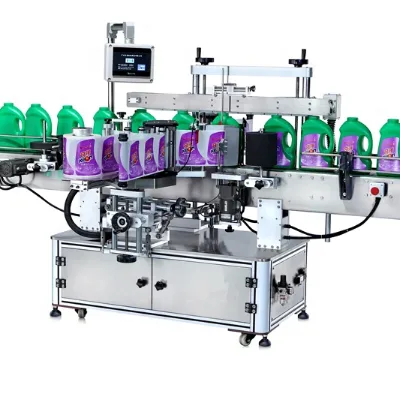
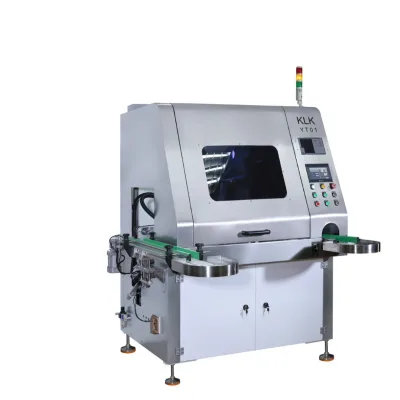
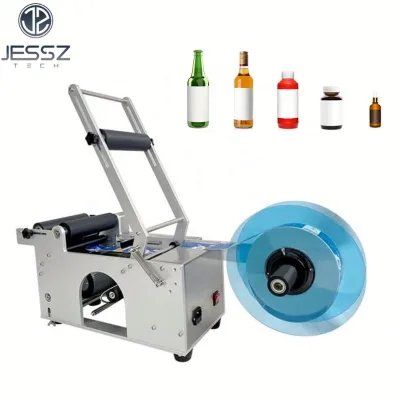


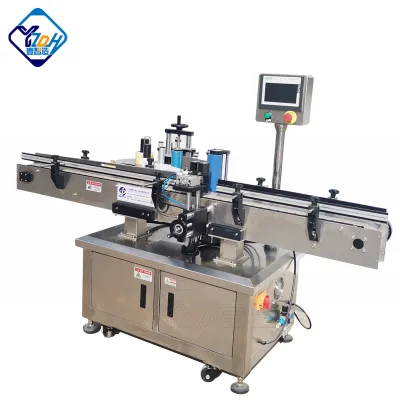
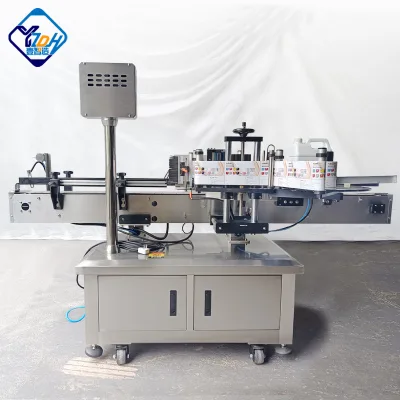
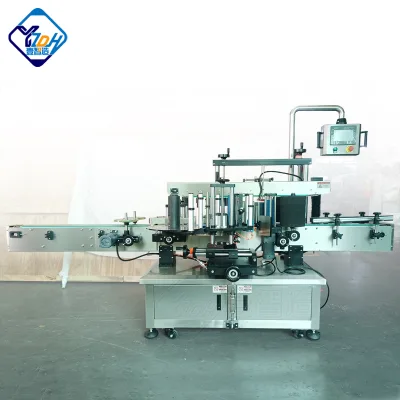
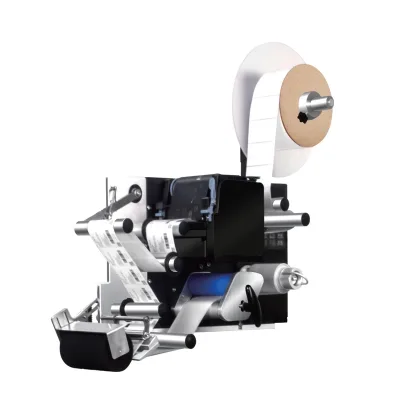
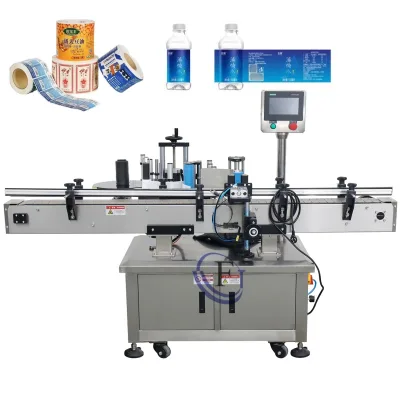
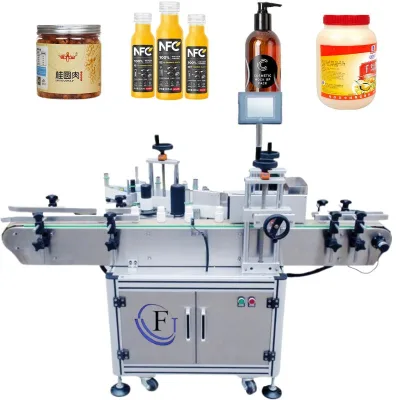
Automatic Round Bottle Labeling Machine With Date Printer Bottle Label Machine
$2850.00 - $3450.00
MOQ: 1 sets




Comprehensive Sourcing Guide
Round Glass Bottle Labeling Machine Sourcing Guide
Procuring automatic labeling equipment for round glass bottles requires careful alignment of mechanical specifications with production line dynamics. Buyers must evaluate whether the machine supports the specific geometry of their containers, as observed listings indicate compatibility with square, round, and flat bottle formats. The distinction between unilateral and double-sided labeling capabilities is critical, as it directly impacts the visual presentation and labeling density on the final product. Understanding these mechanical distinctions ensures that the selected equipment integrates seamlessly with existing filling and capping stations without causing bottlenecks or misalignment issues.
The drive mechanism and automation level significantly influence operational efficiency and maintenance requirements. Observed data highlights a range from electric-driven automatic systems to mechanical servo-motor configurations, each offering distinct advantages in speed and precision. Automatic grade machines typically deliver higher throughput, with observed speeds ranging from sixty to one hundred fifty bottles per minute, making them suitable for high-volume cosmetic and beverage production. Conversely, mechanical or servo-driven options may offer greater flexibility for smaller batches or specialized applications where precise tension control and gentle handling of fragile glass containers are paramount.
Product Scope and Observed Listing Signals
The market for round glass bottle labeling machines encompasses a diverse array of configurations tailored to various industries. Observed product classifications include automatic vertical and horizontal round bottle labelers, as well as specialized units for penicillin and ampoule bottles. These machines are designed to handle a wide spectrum of applications, including cosmetics, hair care, skin care, drinks, oils, and cleaning detergents. The versatility of these systems allows manufacturers to label products ranging from small pharmaceutical vials to larger beverage containers, provided the labeling dimensions fall within the specified range of less than three hundred millimeters in length and one hundred twenty millimeters in height.
Material compatibility and labeling type are key factors in selecting the appropriate machine for specific production needs. The observed listings indicate that these machines are primarily constructed from 304 or 316 stainless steel, ensuring durability and resistance to corrosion in wet or chemically intensive environments. The labeling type is predominantly stick paper label application, which requires precise tension control to prevent material fracture. Features such as friction braking devices for unwinding wheels and buffer wheels to absorb tension are essential for maintaining label integrity and ensuring smooth application onto the curved surfaces of glass bottles.
Technical Specifications to Verify
When evaluating technical specifications, buyers must prioritize label accuracy and positioning consistency. Observed data indicates a label accuracy of plus or minus one millimeter, excluding product and label errors, which is a critical metric for maintaining brand integrity and regulatory compliance. The labeling range must be verified against the specific dimensions of the bottles in production, ensuring that the machine can accommodate the maximum length and height requirements without compromising speed or precision. Additionally, the operating direction, whether left or right, should be assessed to ensure compatibility with the overall layout of the production line and operator workflow.
Power supply and capacity requirements are essential for ensuring stable operation and energy efficiency. Observed specifications include AC220V at 50Hz power supply with a power capacity of 1.75kw for certain models, while others may utilize servo motors for enhanced control. The driven type, whether electric or mechanical, influences the machine's responsiveness and ability to handle varying line speeds. Buyers should also consider the physical dimensions of the equipment, with observed standard sizes around 1930mm by 1120mm by 1340mm, to ensure adequate floor space and integration with existing infrastructure.
Compliance and Safety Documentation
Compliance with industry standards is non-negotiable for labeling machines used in regulated sectors such as pharmaceuticals and food and beverage. Observed listings reference ISO and GMP standards, indicating that certain models are designed to meet stringent hygiene and safety requirements. Buyers must verify that the equipment meets the specific safety and hygiene standards applicable to their industry, particularly when labeling products that come into direct contact with consumables. Documentation should include detailed safety protocols, emergency stop mechanisms, and clear operational guidelines to ensure safe handling by production staff.
Certification support and customization options are vital for adapting the machine to specific regulatory environments. Some observed listings highlight compliance support as a key purchasing point, suggesting that suppliers may assist in navigating local regulatory requirements. Buyers should inquire about the availability of customization options, such as specific material grades or labeling configurations, to ensure the machine meets unique production needs. Additionally, the origin of the machine, often noted as Shandong, China, may influence the availability of local service support and spare parts, which are crucial for minimizing downtime.
Cost Drivers and Commercial Terms
Cost drivers for round glass bottle labeling machines include the level of automation, material quality, and customization requirements. Observed price ranges vary significantly, from approximately 165 USD to over 37,000 USD, reflecting differences in complexity, brand reputation, and included features. Automatic grade machines with servo motors and advanced tension control systems typically command higher prices due to their precision and efficiency. Buyers should assess the total cost of ownership, including maintenance, energy consumption, and potential downtime, rather than focusing solely on the initial purchase price.
Commercial terms such as minimum order quantity (MOQ) and packaging details also impact procurement decisions. Observed MOQ ranges from one to 5000 units, offering flexibility for both small-scale operations and large industrial buyers. Packaging is typically specified as wooden cases or wood, ensuring safe transit and protection of the equipment during shipping. Buyers should negotiate clear terms regarding delivery lead times, warranty coverage, and after-sales support to mitigate risks associated with equipment failure or performance issues.
Supplier Qualification and Quality Control
Supplier qualification is a critical step in ensuring the reliability and performance of the labeling machine. Buyers should verify the supplier's manufacturing capabilities, quality control processes, and track record in the industry. Observed brand names such as Supm and models like GFRTB-1 and Fxp-a provide specific identifiers for due diligence. It is essential to confirm that the supplier adheres to recognized industry standards and provides comprehensive documentation, including technical manuals, safety certifications, and maintenance guides.
Quality control measures should be established to monitor the machine's performance during installation and initial operation. Buyers should conduct factory acceptance tests to verify label accuracy, speed, and consistency under various operating conditions. Additionally, establishing a clear communication channel with the supplier for technical support and troubleshooting is crucial for resolving any issues that may arise during production. Regular maintenance schedules and spare parts availability should be discussed to ensure long-term operational efficiency and minimize disruptions.
Long-Term Procurement Checks
Long-term procurement checks involve monitoring the machine's performance and adapting to evolving production needs. Buyers should regularly assess the machine's labeling accuracy and speed to ensure it continues to meet production targets. Any deviations from the observed specifications, such as changes in label accuracy or speed, should be investigated and addressed promptly. Additionally, staying informed about advancements in labeling technology and materials can help buyers identify opportunities for upgrading or replacing equipment to maintain competitiveness.
Sustainability and operational efficiency are increasingly important factors in long-term procurement strategies. Buyers should evaluate the machine's energy consumption and waste generation, seeking opportunities to optimize resource usage. Customization options, such as the ability to handle different bottle shapes or labeling types, provide flexibility to adapt to changing market demands. By maintaining a proactive approach to equipment management and supplier relationships, buyers can ensure that their labeling operations remain efficient, compliant, and cost-effective over time.
FAQs
What labeling accuracy can be expected from automatic round bottle labeling machines?
Automatic round bottle labeling machines typically achieve a labeling accuracy of ±1mm, excluding product and label errors. This precision ensures consistent application on various bottle shapes including square, round, and flat bottles. The high accuracy supports quality control in cosmetics and drinks industries where precise label placement is critical for brand presentation and regulatory compliance.
Which materials are used to construct automatic labelers for hygiene compliance?
Automatic labelers are constructed from 304 or 316 stainless steel to ensure hygiene and durability. These materials meet safety and hygiene standards required for food, beverage, and cosmetic applications. The stainless steel construction resists corrosion and facilitates easy cleaning, making the equipment suitable for environments where strict sanitation protocols are enforced by industry regulations.
Can automatic labeling machines handle different bottle types like square or flat bottles?
Yes, automatic labeling machines can handle square, round, and flat bottles. The equipment is designed with adjustable components to accommodate various bottle geometries. This versatility allows manufacturers to label different product types without changing machinery, supporting flexible production lines for cosmetics, drinks, and other packaged goods requiring diverse packaging formats.
What is the typical labeling speed for automatic round bottle labeling equipment?
Typical labeling speeds range from 60 to 150 bottles per minute. This capacity supports high-volume production needs in industries like cosmetics and beverages. The speed is influenced by bottle size and label type, with smaller labels and optimized setups achieving higher throughput. This efficiency helps manufacturers meet demand while maintaining consistent label application quality.
What certifications are relevant for automatic labelers in regulated industries?
Relevant certifications include ISO and GMP standards for automatic labelers. These certifications ensure compliance with international quality and good manufacturing practice requirements. They are particularly important for applications in cosmetics, drinks, and pharmaceuticals where regulatory adherence is mandatory. Buyers should verify these certifications to ensure the equipment meets industry-specific safety and quality benchmarks.
How does customization affect the specification of automatic labeling machines?
Customization allows adjustments to labeling range, speed, and operational direction to fit specific production needs. Machines can be tailored for left or right operating directions and adapted for various label types. This flexibility ensures the equipment integrates seamlessly into existing production lines, accommodating unique bottle dimensions and label requirements without compromising performance or efficiency.