Source Automatic UV LED Nail Lamp for Salons, Home, and Travel
Find 30 Automatic UV LED Nail Lamp options for nail salons, home use, and travel. Compare portable, wireless, and desktop models with features like smart timers and dual LED lights from verified manufacturers; compare the available evidence and request quotations based on your requirements.
Key considerations
Products List




Comprehensive Sourcing Guide
Automatic UV LED Nail Lamp Sourcing Guide
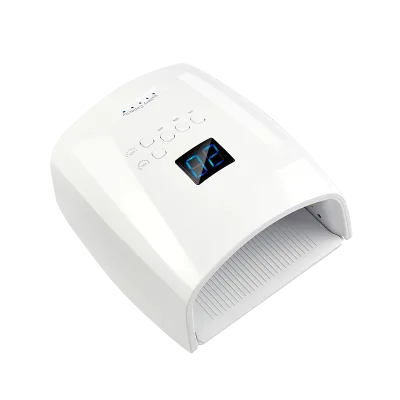
The market for automatic UV LED nail lamps currently features a diverse range of handheld and portable units designed for both commercial salons and home enthusiasts. Buyers observe products with distinct design styles, ranging from compact modern forms to minimalist structures, often featuring soft pink or gold color themes. These devices typically utilize dual UV LED light sources and are engineered for quick gel polish curing, making them suitable for mobile nail services and professional technician workflows.
Procurement decisions must account for the variation in power types, with some units offering rechargeable wireless capabilities while others rely on standard electric or USB power supplies. The control systems vary significantly, with options including simple button controls with digital displays or advanced one-touch operations. Understanding these operational differences is critical for selecting a lamp that matches the specific workflow requirements of a nail salon or a mobile service provider.
Product Scope and Observed Listing Signals
Buyers should verify the specific product type and model numbers to ensure alignment with their inventory needs, as listings often distinguish between handheld UV LED lamps and specialized portable units. Observed models such as the YH-603 and YH-610 indicate a range of structural designs, including flexible gooseneck arms and round shapes, which directly impact the user experience during application. The presence of smart timer functions and fast curing capabilities suggests a focus on efficiency, which is a primary driver for professional adoption in high-volume salon environments.
Listing signals also reveal significant variation in packaging and physical dimensions, with standard box packages available for models measuring anywhere from compact 11cm units to larger 225mm structures. The target market data indicates a strong focus on nail technicians and distributors, yet the same products are frequently marketed for home use and travel scenarios. This duality requires buyers to carefully assess whether the observed design style and portability features meet the durability expectations of professional settings versus the convenience needs of individual consumers.
Technical Specifications to Verify
Technical due diligence must begin with the light source configuration, specifically confirming the number of LED beads and the spectral output required for effective gel curing. Listings indicate configurations such as 45-piece LED arrays, which are essential for ensuring uniform curing across different nail shapes and gel thicknesses. Buyers should verify that the dual UV LED light technology is properly calibrated to prevent under-curing or overheating, which can compromise the longevity of the manicure and the safety of the client.
Power supply compatibility and control system reliability are equally critical verification points, as the market offers a mix of USB, electric, and rechargeable options. The presence of digital displays and one-touch controls suggests an expectation of user-friendly operation, yet the actual implementation of these features varies by model. Procurement teams must confirm that the control system supports the specific timer functions advertised and that the power input types match the electrical standards of the intended destination market to avoid operational failures.
Compliance and Safety Documentation
Safety compliance is a non-negotiable aspect of sourcing, with many suppliers providing certifications such as CE, RoHS, CB, and MSDS to validate product safety. These documents are essential for verifying that the electrical components and materials used in the lamp construction meet international safety standards, particularly for devices that generate UV radiation and heat. Buyers must request current certification copies to ensure that the specific batch being purchased adheres to the latest regulatory requirements for the target export markets.
Material composition and structural integrity also require verification through safety data sheets and material declarations. While some listings specify plastic construction, others indicate metal bodies, which can influence heat dissipation and overall durability. It is imperative to confirm that the materials used are non-toxic and that the device includes necessary safety mechanisms to prevent accidental exposure to UV light, ensuring that the product remains safe for both professional technicians and home users during extended operation.
Cost Drivers and Commercial Terms
Pricing in this category is influenced by the complexity of the control system, the quality of the LED components, and the inclusion of customization features like OEM or ODM branding. The observed price range of 0.8 to 33.2 USD reflects significant variation based on these factors, with higher-priced units typically offering advanced features such as smart timers and superior build materials. Buyers must analyze the cost-to-feature ratio to determine if the premium for a specific model justifies the operational benefits it provides in a salon setting.
Commercial terms, including Minimum Order Quantity (MOQ) and lead times, vary widely and can significantly impact inventory planning and cash flow. Listings show MOQs ranging from a single piece to 3000 units, with delivery times often spanning 25 to 30 days for standard orders. Procurement strategies should account for these variables by negotiating flexible terms that align with demand forecasts, ensuring that the supply chain remains responsive to market fluctuations without incurring excessive holding costs or stockouts.
Supplier Qualification and Quality Control
Supplier qualification should prioritize manufacturers with a proven track record in producing nail care equipment, specifically those offering OEM and ODM customization services. The availability of business support for customization indicates a supplier's capacity to adapt products to specific brand requirements, which is vital for establishing a unique market position. Buyers should verify the supplier's production capacity and quality control processes to ensure consistent output, particularly when dealing with complex electronic components like UV LED arrays and digital control systems.
Quality control protocols must extend beyond the final product to include raw material inspection and in-process testing. Given the variation in materials from plastic to metal, suppliers should demonstrate rigorous testing for structural integrity and electrical safety. Buyers are advised to request sample units for independent testing to validate claims regarding curing speed, heat management, and durability, ensuring that the product meets the high-performance standards expected by professional nail technicians and discerning home users.
Long-Term Procurement Checks
Sustainable procurement requires establishing clear warranty terms and after-sales support mechanisms to mitigate the risk of product failure over time. Listings indicate warranty periods of up to two years, which serves as a baseline for supplier confidence in product longevity. Buyers should negotiate service level agreements that cover repair or replacement of defective units, ensuring that their business operations are not disrupted by equipment malfunctions in the field or within their salon locations.
Continuous monitoring of supplier performance and market trends is essential for maintaining a competitive edge in the nail care sector. As technology evolves, suppliers may introduce new features or improved materials that enhance product performance and safety. Procurement teams should maintain open communication channels with suppliers to stay informed about product updates and potential supply chain disruptions, allowing for proactive adjustments to sourcing strategies that protect the business from market volatility and ensure a steady supply of high-quality nail lamps.
FAQs
What customization options are available for Automatic UV LED Nail Lamp orders?
Customization is available for these devices, supporting both OEM and ODM services. Buyers can request specific design styles, such as compact modern or minimalist aesthetics, and color themes like soft pink. The product packaging can also be tailored to box packages. This flexibility allows brands to align the handheld UV LED nail lamp with their unique identity and target market requirements effectively.
Which certifications do Automatic UV LED Nail Lamp products typically hold?
Many Automatic UV LED Nail Lamp models hold CE, RoHS, CB, and MSDS certifications. These standards ensure compliance with international safety and environmental regulations for electronic devices. The presence of these certifications is critical for distributors and nail salon owners who need to verify product legality and safety before importing or selling the portable nail curing tools in their respective regions.
How does the power supply work for portable automatic uv led nail lamps?
Portable automatic uv led nail lamps often feature rechargeable batteries for wireless use, making them ideal for mobile nail services. Some models support USB power supply or electric operation. This dual capability ensures that nail technicians can cure gel polish quickly at home, in the salon, or while traveling, providing reliable performance without being tethered to a wall outlet during use.
What is the typical MOQ for sourcing Automatic UV LED Nail Lamp units?
The minimum order quantity for Automatic UV LED Nail Lamp units ranges from 1 to 3000 pieces. This wide range accommodates both individual nail enthusiasts and large-scale distributors. Buyers can start with a single piece for testing or place bulk orders for commercial supply. The flexibility in MOQ allows businesses of various sizes to source these handheld UV LED nail lamps according to their specific inventory needs.
Where are Automatic UV LED Nail Lamp products typically manufactured?
These products are primarily manufactured in China, with specific origins noted in Ningbo and Guangdong. The manufacturing hubs provide access to advanced LED technology and plastic or metal material sourcing. Buyers can leverage these locations to find reliable suppliers for portable nail lamps, ensuring consistent quality and competitive pricing for commercial and home use applications in the global nail care industry.
What key features define the Automatic UV LED Nail Lamp design?
Key features include portability, lightweight construction, and easy operation via button controls or one-touch functions. Many models incorporate digital displays for smart timer settings and fast curing capabilities. The design style is often modern and minimalist, with options like flexible gooseneck arms or round shapes. These attributes make the Automatic UV LED Nail Lamp suitable for both professional technicians and home users seeking efficient gel curing.