Source Basketball Stand for Gyms Schools Courts
Source 30 Basketball Stand units from verified manufacturers in Hebei, China. Buyers can compare adjustable heights, base sizes, and hydraulic systems for indoor or outdoor gymnasium and school court applications.
Key considerations
Products List


Customized Basketball Courts Require High-Quality Basketball Stands and Durable Backboards
$599.00 - $999.00
MOQ: 10 Pieces


Basketball Stand with Height Adjustable Basketball Hoop System Basketball Goal
$20000.00 - $30000.00
MOQ: 1 Pieces


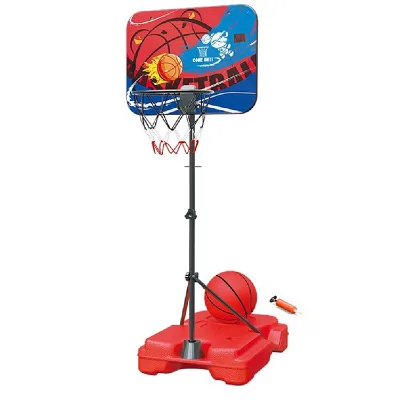
Portable Children's Basketball Hoop Basketball Stand with Height Adjustment
$500.00 - $1000.00
MOQ: 1 Pieces




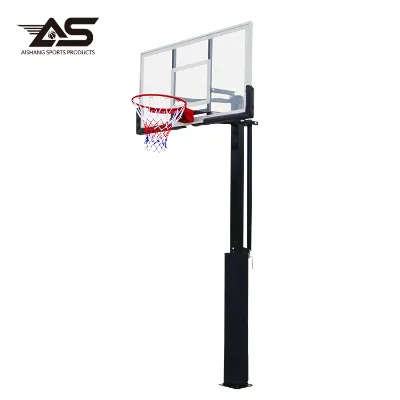
Inground Height Adjustable Basketball Stand with Backboard, Basketball Hoop
$780.00 - $880.00
MOQ: 1 Pieces




Comprehensive Sourcing Guide
Strategic Sourcing Guide for Professional Basketball Stands
The global market for basketball stands has evolved significantly, moving from simple portable units to sophisticated, high-performance systems designed for professional leagues, educational institutions, and commercial entertainment venues. For procurement professionals, navigating this sector requires a disciplined approach that prioritizes technical alignment, regulatory compliance, and supply chain reliability. This guide synthesizes available market data to provide a framework for evaluating Basketball Stand suppliers, focusing on the critical attributes that define product quality and operational longevity.
Technical Specifications and Structural Integrity
The foundation of any reliable Basketball Stand lies in its structural specifications, particularly the base dimensions, material composition, and lifting mechanisms. Procurement teams must scrutinize the base size, as this determines the unit's stability and portability. Market observations indicate a range of base configurations, with common dimensions including 2.4m by 1.2m, 2.0m by 1.26m, and specialized sizes like 1.3m by 1.2m by 0.45m. The material used for the base is equally critical; high-grade steel is the industry standard for ensuring the necessary weight to counterbalance the hoop during play.
The backboard assembly represents another area requiring precise verification. Standardized dimensions for backboards often appear as 1800mm by 1050mm with a thickness of 12mm. The material of the backboard itself can vary, with tempered glass being a preferred choice for high-level play due to its consistent rebound properties. The rim specifications are equally vital; a standard rim diameter of 450mm constructed from 16mm round steel ensures durability under high-impact loads.
Lifting mechanisms are a primary differentiator in this category. Buyers should distinguish between manual hydraulic systems and electric hydraulic systems. Electric lifting offers precision and ease of use, particularly in venues where height adjustments are frequent, such as multi-purpose gyms. The extension length of the base also plays a role in stability; observed data points to extension lengths ranging from 1.68m to 3.25m. The frame material, often an aluminium alloy, contributes to the overall weight-to-strength ratio, ensuring the unit remains manageable while maintaining rigidity.
Compliance, Certification, and Safety Standards
In the B2B procurement of sports equipment, compliance is not merely a formality but a prerequisite for liability management and operational safety. Reputable suppliers typically adhere to a suite of international standards. Verified market data suggests that leading manufacturers often hold certifications such as CE, ISO9001, ISO14001, and OHSAS. These certifications indicate adherence to quality management systems, environmental standards, and occupational health and safety protocols.
Buyers must verify that the specific product model being sourced carries these certifications. For instance, the presence of a CE mark implies conformity with health, safety, and environmental protection standards for products sold within the European Economic Area. Similarly, ISO9001 certification validates the supplier's commitment to consistent quality control processes. It is essential to request current certification documents rather than relying on general claims, as standards can vary by region and product line.
Safety features extend beyond the frame to include padding and protective elements. High-quality stands often feature 100mm thickness padding on the base to prevent injury during accidental contact. Additionally, the inclusion of backboard guards, such as EVA protective tape or soft sponge sheaths, is a critical safety observation. These components mitigate the risk of glass shattering or edge injuries, a common concern in high-traffic facilities.
Cost Drivers and Pricing Dynamics
The pricing of basketball stands is influenced by a complex interplay of material costs, manufacturing complexity, and customization requirements. The observed price range in the market is substantial, spanning from approximately $12.71 to $30,000. This wide variance reflects the difference between basic portable units and fully automated, professional-grade systems.
Several factors drive these costs. First, the material grade is a primary determinant; high-grade steel and tempered glass command higher prices than alternative materials. Second, the lifting mechanism significantly impacts cost; electric hydraulic systems are more expensive to manufacture and install than manual hydraulic counterparts. Third, customization plays a major role. Suppliers offering OEM or ODM services can tailor the product to specific branding or dimensional requirements, which adds to the unit cost but provides unique value for large organizations.
Minimum Order Quantity (MOQ) is another cost consideration. The market shows an MOQ range from 1 to 1000 units. Buyers purchasing single units for small gyms or schools may face higher per-unit costs compared to bulk purchasers who can leverage economies of scale. Additionally, packaging requirements, such as a safety four-layer package involving EPE and weaving sacks, contribute to the overall logistics cost and must be factored into the total landed cost calculation.
Typical Applications and Usage Scenarios
Basketball stands are designed for diverse environments, and selecting the right product requires matching the equipment to the intended usage. The market distinguishes between indoor and outdoor applications, with some units designed for both. Indoor units are typically optimized for gymnasium and school court environments, where surface conditions are controlled and the focus is on high-performance play. These units often feature adjustable goal heights ranging from 2.44m to 3.05m, catering to various age groups and skill levels.
Outdoor units must withstand environmental stressors such as rain, UV exposure, and temperature fluctuations. While the provided data highlights "Indoor" and "Outdoor" usage categories, buyers should verify the specific weather resistance of the materials used, particularly for the base and frame. The "Entertainment" usage category suggests applications in commercial venues, arcades, or public parks, where durability and aesthetic appeal are paramount.
The suitability of a stand for a specific location, such as a gymnasium, school, or basketball court, should be confirmed against the facility's floor type and space constraints. The base size and extension length must be compatible with the available footprint to ensure stability without obstructing other activities.
Supplier Evaluation and Sourcing Strategy
When evaluating potential suppliers, procurement teams should look for evidence of capability beyond basic product listings. The ability to provide OEM or ODM services is a strong indicator of a supplier's flexibility and manufacturing maturity. Suppliers that explicitly state "Yes, We Can" regarding customization demonstrate a capacity to adapt to specific client needs, which is crucial for large-scale procurement projects.
Origin and logistics are also key evaluation criteria. Data indicates that production often originates from regions like Hebei, China. Buyers should assess the supplier's logistics network to ensure they can handle the delivery of heavy, bulky items. The delivery time is a critical metric; observed lead times can be as short as 10 days, but this should be verified for each specific order to avoid project delays.
Supplier reliability is further evidenced by their warranty offerings. A standard warranty period of 12 months is observed in the market, serving as a baseline for after-sales support. Buyers should negotiate terms that extend beyond this baseline if the intended usage involves high-frequency play. Additionally, the supplier's response to quality control inquiries and their willingness to provide detailed technical documentation are essential indicators of their professionalism.
Quality Control and Long-Term Procurement Considerations
Ensuring long-term value requires a rigorous quality control strategy. Buyers should implement a verification process that includes checking the steel plate thickness, which is observed to be 4mm in some high-specification models. Thicker plates generally indicate a more robust structure capable of withstanding repeated impact. The packing method is also a proxy for quality; a "Safety 4 Layer Package" suggests that the supplier understands the fragility of the components during transit.
Long-term procurement considerations include the availability of spare parts and the ease of maintenance. Systems with electric lifting mechanisms require regular maintenance of the hydraulic fluid and electrical components. Buyers should inquire about the availability of replacement parts, such as rims, backboards, and hydraulic pumps, to ensure the equipment remains operational for years.
Furthermore, the adaptability of the product to future needs is important. The adjustable goal height feature allows a single unit to serve multiple age groups, from youth leagues to professional training. This versatility maximizes the return on investment. Finally, buyers should consider the total cost of ownership, including installation, maintenance, and potential replacement costs, rather than focusing solely on the initial purchase price. By adhering to these structured evaluation criteria, organizations can secure basketball stands that meet rigorous performance standards and provide reliable service for years to come.
FAQs
What are the standard backboard dimensions for these basketball stands?
The standard backboard size is 1800mm by 1050mm with a thickness of 12mm. This dimension is consistent across multiple models like LDK1003 and LDK1019A to ensure professional play quality.
Can I customize the logo and design of the Basketball Stand?
Yes, customization is available with logo printing and OEM or ODM services offered. Suppliers can tailor the product to specific branding needs while maintaining structural integrity and safety standards.
Which lifting mechanisms are available for adjusting the goal height?
Both electric hydraulic and manual hydraulic systems are optional for height adjustment. The goal height is adjustable between 2.44m and 3.05m to suit various age groups and usage scenarios.
What certifications do the Basketball Stand manufacturers typically hold?
Manufacturers often hold CE, ISO9001, ISO14001, and OHSAS certifications. These credentials verify adherence to international quality, environmental, and occupational health and safety protocols for the equipment.
How long is the delivery time for these basketball stands?
The typical delivery time is 10 days from order confirmation. This lead time applies to standard orders, though specific customization or bulk quantities may require verification of current capacity.
What is the minimum order quantity for purchasing basketball stands?
The minimum order quantity ranges from 1 to 1000 units depending on the supplier. Buyers can source single units for small gyms or place bulk orders for larger institutional projects.
Where are these basketball stands manufactured and what is the origin?
The products originate from Hebei, China, with production facilities located in that region. This location is a known hub for manufacturing high-grade steel sports equipment and related components.