Source Basketball Storage Frame for gyms, schools, and courts
Source a Basketball Storage Frame from 30 verified listings featuring electric lifting, tempered glass backboards, and portable designs. Compare specifications for indoor and outdoor gymnasium applications with customizable options and varying MOQs.
Key considerations
Products List


Basketball Stand with Height Adjustable Basketball Hoop System Basketball Goal
$20000.00 - $30000.00
MOQ: 1 Pieces


Durable Structure Underground Basketball Stand, Underground Basketball Stand
$1500.00 - $2000.00
MOQ: 1 Pieces

Basketball Hoop Basketball Stand Basketball for and Teenagers Height Adjustable
$7200.00 - $7500.00
MOQ: 1 Pieces

Underground Basketball Rack Professional Basketball Stand Manufacturer
$1200.00 - $1800.00
MOQ: 1 Pieces
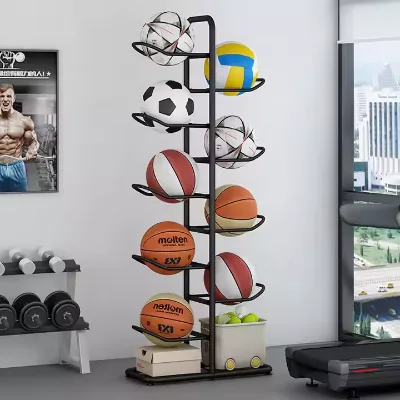
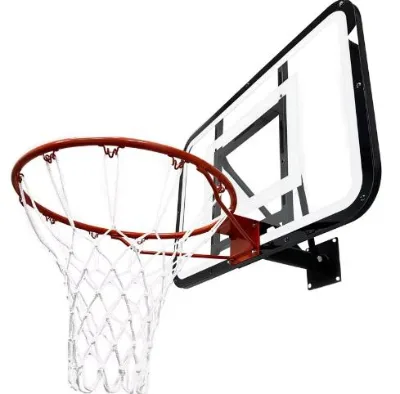
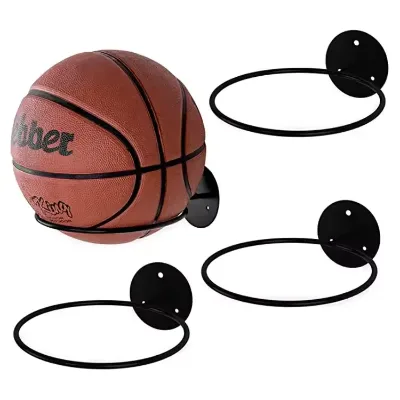
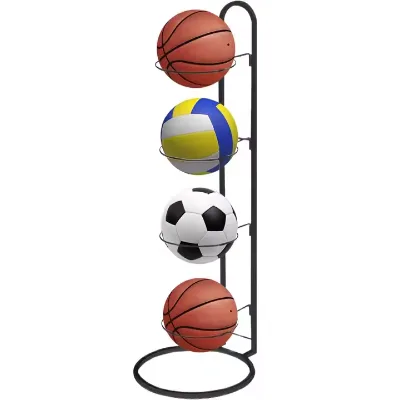

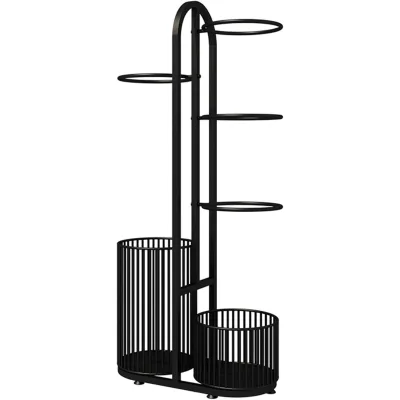


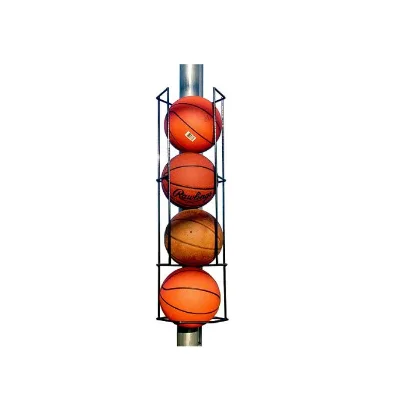


Wholesale Easy Assembly Foldable Basketball Hoop and Basketball Stand
$3000.00 - $10000.00
MOQ: 1 Pieces

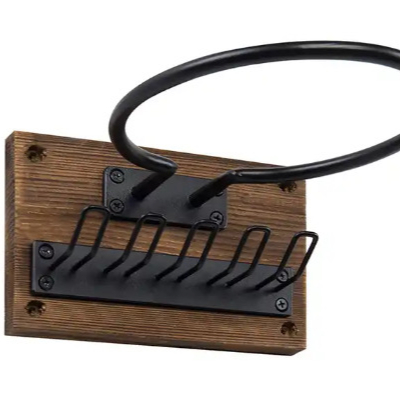
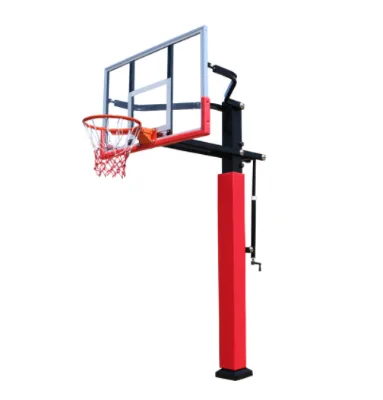
Newly Hot Selling Basketball Flexible and Convenient Mobile Basket Frame
$265.50 - $325.50
MOQ: 5 pieces
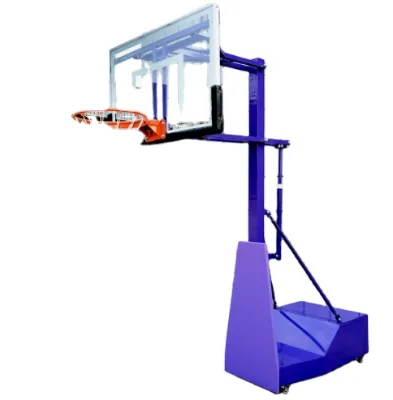
Comprehensive Sourcing Guide
Strategic Sourcing Guide for Basketball Storage Frames
Understanding Product Definitions and Core Specifications
When initiating a procurement strategy for basketball storage frames, buyers must first distinguish between static storage solutions and dynamic equipment that integrates storage with play functionality. The market presents a diverse array of configurations, ranging from simple racks designed to hold multiple balls to complex, electrically operated systems that serve as both storage and training aids. A critical observation in the current supply landscape is the variation in physical dimensions. While some units are compact, others are substantial structures with specific capacity requirements. For instance, certain high-capacity units are engineered to hold exactly twelve standard basketballs, ensuring that inventory management is seamless during high-volume training sessions.
The physical footprint of these units is a primary consideration for facility managers. Dimensions vary significantly across models, with some units measuring approximately 43 inches in length, 20 inches in width, and 45 inches in height. This specific size profile suggests a design optimized for indoor environments where space efficiency is paramount. Conversely, other product lines offer adjustable or larger dimensions, such as models with a height range of 200 to 275 centimeters, catering to different court standards or multi-purpose gymnasium layouts. Buyers must verify the exact spatial requirements of their facility before selecting a unit, as the "one-size-fits-all" approach rarely applies to heavy-duty sports infrastructure.
Material composition is another fundamental specification that dictates durability and longevity. The supply chain features products constructed from robust steel and metal alloys, which provide the necessary structural integrity to support the weight of multiple basketballs and withstand repeated impact. In contrast, specific components, such as backboard guards or padding, may utilize materials like EVA protective tape or soft sponge sheaths to ensure player safety. It is also observed that some units incorporate PET materials, likely for specific protective or aesthetic elements. The choice of material directly influences the net weight of the product; for example, a single unit may weigh as much as 943 kilograms, indicating a permanent or semi-permanent installation, while others are designed to be portable with a net weight of around 19 kilograms.
Technical Performance and Operational Capabilities
The operational capabilities of basketball storage frames extend beyond simple containment. Advanced models in the market feature electric lifting mechanisms, allowing for dynamic height adjustments that can accommodate different training drills or storage needs. This feature is particularly valuable in multi-purpose facilities where the equipment must adapt to various user groups, from youth leagues to professional teams. The arm size of these units is a critical technical parameter, with some specifications indicating an arm length of 3.25 meters, which ensures adequate reach and stability for the backboard assembly.
Backboard specifications are equally vital for units that integrate storage with play surfaces. High-performance units often utilize 1800mm by 1050mm tempered glass backboards, a standard that ensures clarity and safety during gameplay. The inclusion of protective features, such as EVA tape or soft sponge sheaths on the backboard guards, is a standard safety measure to prevent injuries during collisions. These technical attributes must be cross-referenced with the intended usage environment. For indoor applications, the focus is often on precision and surface protection, whereas units intended for outdoor or mixed-use environments may require enhanced weather resistance, although the provided data primarily highlights indoor suitability for gymnasiums and schools.
The condition of the product upon delivery is another technical specification that buyers must verify. The market predominantly offers new condition units, ensuring that the equipment is free from prior wear and tear. However, the customization aspect introduces variability. Some suppliers offer customized models, allowing buyers to tailor the product to specific branding or functional requirements. This level of customization can affect the lead time and the final configuration of the unit. Buyers should clarify whether the customization extends to the structural frame, the color scheme, or the branding elements, as these decisions impact the overall procurement timeline.
Compliance, Safety Standards, and Certification Verification
Navigating the compliance landscape for basketball equipment requires a careful approach, as specific certification statuses are not universally guaranteed across all listed products. While general industry standards such as ASTM F2360 and ISO 9001 are often referenced in the broader context of sports equipment manufacturing, buyers should not assume that every listed product automatically meets these specific criteria without explicit verification. The absence of a definitive certification claim in the product data necessitates a proactive verification process during the supplier evaluation phase.
Buyers must request current test reports and certification documents directly from the supplier to confirm compliance with local and international safety standards. For equipment intended for use in schools or professional gyms, adherence to safety standards regarding structural stability, material toxicity, and impact resistance is non-negotiable. The presence of tempered glass backboards and metal frames suggests that the equipment must withstand significant force, making structural integrity testing a priority. Additionally, the use of specific materials like PET or EVA requires verification that these materials meet fire safety and environmental regulations relevant to the buyer's location.
It is also essential to verify the origin of the products. The data indicates that a significant portion of the supply originates from China, specifically from the Jiangsu province. While this region is a major manufacturing hub, buyers should ensure that the export processes comply with the import regulations of their destination country. This includes checking for proper labeling, packaging standards, and any required documentation for customs clearance. The "Place of Origin" field should be treated as a factual statement of manufacturing location rather than a guarantee of quality, and due diligence is required to assess the specific factory's track record and compliance history.
Cost Drivers and Pricing Dynamics
The pricing structure for basketball storage frames is influenced by a complex interplay of factors, including material costs, customization levels, and logistical requirements. The observed price range in the market is exceptionally broad, spanning from 0.82 USD to 30,000 USD. This wide disparity reflects the diversity of products available, from simple, lightweight racks to heavy-duty, electrically operated systems with advanced features. The lower end of the price spectrum likely corresponds to basic storage racks or accessories, while the higher end encompasses full-court systems with electric lifting capabilities and premium materials.
Several key drivers influence the final cost of these units. First, the material composition plays a significant role; steel and metal frames generally command higher prices than lighter alternatives due to the cost of raw materials and the complexity of fabrication. Second, the inclusion of advanced features, such as electric lifting mechanisms or specialized backboard materials like tempered glass, adds to the manufacturing cost. Third, customization options, including custom logos, specific color schemes, and tailored dimensions, introduce additional expenses. The "on-demand customized" packaging and branding options further contribute to the cost variability.
Minimum Order Quantity (MOQ) requirements also impact the effective cost per unit. The market shows MOQs ranging from 1 piece to 1000 pieces, with specific models requiring orders of 5 or 20 pieces. For buyers with smaller budgets or those testing the market, suppliers with lower MOQs are preferable, although the unit price may be higher. Conversely, bulk purchases can leverage economies of scale to reduce the per-unit cost, but they require a higher upfront capital investment. Buyers must balance their budget constraints with their volume needs to optimize the total cost of ownership.
Supplier Evaluation and Procurement Strategy
Selecting the right supplier is a critical step in the procurement process, requiring a thorough evaluation of the vendor's capabilities, reliability, and product range. The market features a variety of suppliers, some of whom offer a wide range of models, including the JNE series and GP series, indicating a capacity to serve diverse client needs. When evaluating suppliers, buyers should prioritize those who demonstrate transparency in their product specifications and are willing to provide detailed technical documentation.
Key evaluation criteria include the supplier's ability to meet customization requests, their production capacity, and their track record for on-time delivery. The observed delivery time of 10 days for certain models suggests a relatively efficient supply chain, but buyers should confirm this lead time for customized orders, as personalization often extends the production schedule. Additionally, the supplier's willingness to provide samples or detailed product images is essential for verifying the quality and specifications before committing to a large order.
Buyers should also assess the supplier's after-sales support and warranty policies. Given the high value and safety-critical nature of basketball equipment, a robust warranty and responsive customer service are vital. The presence of a "Brand Name" such as GET POWER on some products indicates that established brands are present in the market, which can be a positive indicator of quality and reliability. However, buyers should not rely solely on brand recognition and must conduct their own due diligence to ensure the supplier meets their specific requirements.
Quality Control and Long-Term Maintenance
Implementing a rigorous quality control (QC) protocol is essential to ensure that the delivered basketball storage frames meet the required standards and perform reliably over time. Buyers should establish clear acceptance criteria based on the product specifications, including dimensions, material thickness, and functional performance. For units with electric lifting mechanisms, testing the smoothness of operation and the stability of the lifting system is crucial. Similarly, the integrity of the backboard and the effectiveness of the protective padding must be verified upon receipt.
Long-term maintenance considerations should be integrated into the procurement strategy from the outset. The durability of the materials, particularly the steel and metal components, will determine the lifespan of the equipment. Buyers should inquire about the recommended maintenance schedule and the availability of replacement parts. For units with customized features, ensuring that the supplier can provide spare parts or technical support for repairs is vital to minimize downtime.
The condition of the product upon delivery is a key quality indicator. All listed products are described as "New," but buyers should inspect the packaging to ensure that the units are protected during transit. The "Carton" packaging mentioned in the data suggests standard protective measures, but for heavy units, additional reinforcement may be necessary. Regular inspections and maintenance checks should be scheduled to identify any signs of wear, corrosion, or mechanical failure, ensuring that the equipment remains safe and functional for years of use.
Application Scenarios and Facility Integration
Basketball storage frames are designed for a variety of applications, primarily serving gymnasiums, schools, and basketball courts. The suitability of these units for indoor environments is a recurring theme in the product data, with specific mentions of "Indoor" usage and "Gymnasium" settings. This focus suggests that the equipment is optimized for controlled environments where weather resistance is less of a concern than precision and safety.
The versatility of these units allows them to be used in training facilities, professional sports centers, and educational institutions. The "Training" application and "Basketball Playing" usage indicate that the equipment is integral to both practice and competitive play. For facilities that host multiple sports or activities, the portability of certain units, such as those described as "Portable," offers the flexibility to reconfigure the space as needed.
When integrating these units into a facility, buyers must consider the spatial layout and the flow of activity. Units with a capacity to hold twelve balls are ideal for high-traffic areas where quick access to equipment is necessary. The dimensions of the units must be compatible with the existing court layout to avoid obstruction of play or movement. Additionally, the aesthetic integration of the units, including color options and branding, should align with the facility's overall design and branding strategy. By carefully planning the placement and integration of basketball storage frames, facility managers can enhance the efficiency and safety of their operations.
FAQs
What customization options are available for basketball storage frames?
Customization is available for these frames, including on-demand customized packaging and logo options. Buyers can request specific branding or functional adjustments, though this may affect the delivery timeline and final configuration of the unit.
Which materials are used to construct basketball storage frames?
Frames are constructed from robust steel and metal alloys to ensure structural integrity. Some components may also utilize PET materials or EVA protective tape for safety, depending on the specific model and its intended application.
Can these frames hold multiple basketballs simultaneously?
Yes, certain high-capacity units are engineered to hold exactly twelve standard basketballs. This design ensures seamless inventory management during high-volume training sessions in gymnasiums or schools.
What is the typical lead time for delivery of these frames?
The observed delivery time for certain models is ten days. Buyers should confirm this lead time for customized orders, as personalization often extends the production schedule beyond the standard timeframe.
How does the price range vary for basketball storage frames?
The price range spans from 0.82 USD to 30,000 USD depending on features. Basic racks cost less, while heavy-duty systems with electric lifting and tempered glass command higher prices.
Where are these basketball storage frames manufactured?
The products originate from China, specifically from the Jiangsu province. Buyers should verify that the export processes comply with the import regulations of their destination country.