Source Basswood Toddler Wooden Puzzle for Learning, Play, and Development
Compare 30 Basswood Toddler Wooden Puzzle options from verified Chinese manufacturers. These educational toys feature shapes like cars and houses, support early learning, and offer customization for diverse age groups and styles; compare the available evidence and request quotations based on your requirements.
Key considerations
Products List




Hot Sale Wooden Educational Baby Walker Toddler Toy for Kids and Children
$17.46 - $18.46
MOQ: 1000 Sets




Comprehensive Sourcing Guide
Basswood Toddler Wooden Puzzle Sourcing Guide
Sourcing basswood toddler wooden puzzles requires a careful balance between material safety, structural integrity, and developmental appropriateness for young children. Basswood is a preferred material in this category due to its fine grain, ease of laser cutting, and smooth finish, which minimizes splinter risks. Buyers must verify that the wood is sourced responsibly and processed to meet strict toxicity standards, as toddlers frequently explore objects orally. The procurement strategy should prioritize suppliers who demonstrate transparent material traceability and consistent quality control in their manufacturing processes.
The market for these puzzles is diverse, ranging from simple shape sorters to complex 3D assembly models. While some listings indicate materials like MDF or beech, basswood remains a distinct premium option for high-end educational toys. Procurement teams should distinguish between pure wooden constructions and those with mixed materials, ensuring that any adhesives or paints used are non-toxic and compliant with international safety regulations. Understanding the specific age range, typically under three years or early preschool, is critical for selecting puzzles with appropriate piece sizes and cognitive challenges.
Product Scope and Observed Listing Signals
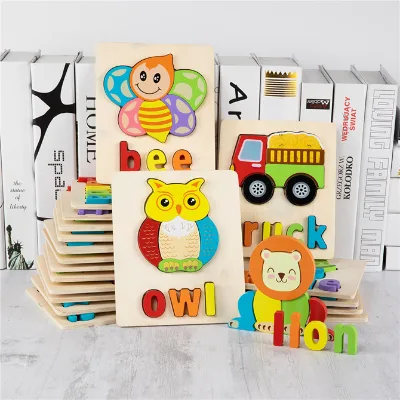
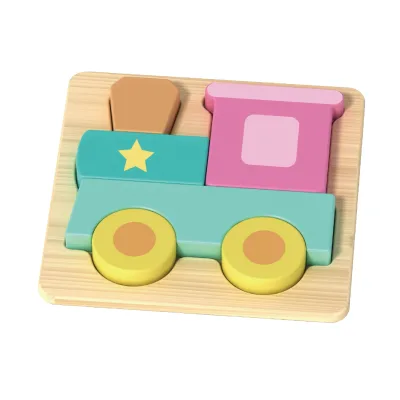
Current market listings reveal a wide variance in product attributes, including shapes such as cars, houses, and animals like fish or owls. Buyers should note that while some products are labeled for children under three years, others target broader age ranges up to thirteen years. This discrepancy highlights the need for precise specification matching. The observed price range of 0.6 to 18.46 USD reflects differences in complexity, packaging, and material quality. Procurement teams must align their budget with the intended use case, whether for bulk educational distribution or premium retail packaging.
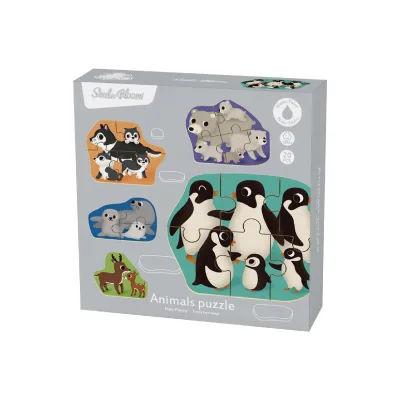
Packaging and branding signals also vary significantly across suppliers. Some items are shipped in simple paper cartons, while others feature branded boxes with detailed educational descriptions. Customization options, including logo placement and model numbers like CM0011-1 or BBT-187, are frequently available. Buyers should evaluate whether the supplier offers OEM services that align with their brand identity. Additionally, the presence of specific certifications such as ASTM, CE, and EN in product descriptions serves as an initial indicator of compliance, though verification is always required before finalizing orders.
Technical Specifications to Verify
Dimensional accuracy and piece count are critical technical factors for toddler puzzles. Listings indicate sizes such as 14.5x17.5 cm and single package weights around 0.1 to 0.2 kg. Buyers must verify that these specifications match the physical product received, as discrepancies can affect shipping costs and shelf presentation. For puzzles with fewer than fifty pieces, the size of individual components must be large enough to prevent choking hazards. Confirming the exact dimensions and weight ensures that the product fits within logistical constraints and meets safety guidelines for the target age group.
Material thickness and finish quality are equally important technical specifications. Basswood puzzles should exhibit smooth edges and consistent thickness to ensure durability and safe handling. Buyers should request samples to assess the laser-cut precision and the quality of any surface treatments. Adjustable size features or modular designs, as seen in some models, require additional verification of joint stability. Ensuring that the wood is properly dried and treated prevents warping or cracking over time, which is essential for maintaining product integrity and customer satisfaction in the long term.
Compliance and Safety Documentation
Safety compliance is non-negotiable for toddler wooden puzzles. Buyers must ensure that all products carry valid certifications such as ASTM, CE, and EN standards. These certifications indicate that the toys have undergone rigorous testing for mechanical, physical, and chemical safety. Procurement teams should request copies of test reports from accredited laboratories to verify that the products meet the specific regulatory requirements of their target markets. Relying solely on supplier claims without documented proof exposes the buyer to significant legal and reputational risks.
Chemical safety is particularly critical for products intended for children under three years. Buyers should verify that all paints, stains, and adhesives used in the puzzle construction are non-toxic and free from harmful substances like lead or phthalates. Documentation should confirm compliance with international standards for toy safety, ensuring that the materials are safe for oral contact. Additionally, buyers should check for any additional certifications, such as FSC, which indicate responsible forestry practices. Comprehensive documentation not only ensures compliance but also enhances brand trust among parents and educators.
Cost Drivers and Commercial Terms
Several factors influence the final cost of basswood toddler wooden puzzles. The primary cost drivers include the type of wood, the complexity of the design, and the level of customization required. Simple shapes with minimal packaging will generally be more cost-effective than intricate 3D models with branded boxes. Buyers should also consider the impact of order volume on pricing, as higher quantities often lead to better unit costs. Understanding these variables allows procurement teams to negotiate more effectively and align costs with their budget constraints.
Minimum Order Quantities (MOQs) and payment terms are key commercial considerations. Observed MOQs range from 1 to 3000 units, with some suppliers requiring as few as thirty sets for customization. Buyers should assess whether the MOQ aligns with their inventory needs and storage capacity. Payment terms, such as deposits or letters of credit, should be negotiated to mitigate financial risk. Additionally, lead times and shipping methods should be clearly defined to ensure timely delivery. Transparent commercial terms help avoid unexpected costs and ensure a smooth procurement process from order placement to product receipt.
Supplier Qualification and Quality Control
Supplier qualification is essential for ensuring consistent product quality and reliability. Buyers should conduct thorough due diligence, including verifying the supplier’s business license, manufacturing capabilities, and quality management systems. Visiting the factory or requesting virtual tours can provide insights into production processes and hygiene standards. Suppliers with a proven track record in producing wooden toys for international markets are preferable, as they are likely to have established quality control protocols. Building a relationship with a qualified supplier reduces the risk of defects and delays.
Quality control measures should be implemented at multiple stages of production. Buyers should define clear acceptance criteria for materials, workmanship, and packaging. Pre-shipment inspections are recommended to verify that the products meet all specified requirements before they leave the factory. Suppliers should be willing to accommodate third-party inspection services if requested. Additionally, establishing a clear process for handling defects or non-conforming products is crucial. A robust quality control framework ensures that the buyer receives products that meet safety and performance standards, protecting brand reputation and customer satisfaction.
Long-Term Procurement Checks
Long-term procurement success depends on continuous monitoring and relationship management. Buyers should regularly review supplier performance metrics, including on-time delivery rates, defect rates, and responsiveness to issues. Establishing key performance indicators (KPIs) helps track progress and identify areas for improvement. Regular communication with suppliers fosters collaboration and allows for proactive problem-solving. Buyers should also stay informed about changes in regulations and market trends that may impact product requirements or sourcing strategies.
Sustainability and ethical sourcing are increasingly important considerations for long-term procurement. Buyers should encourage suppliers to adopt environmentally friendly practices, such as using sustainably sourced wood and eco-friendly packaging. Regular audits can verify compliance with these practices. Additionally, buyers should explore opportunities for product innovation and customization to keep their offerings competitive. By maintaining a strategic focus on quality, compliance, and sustainability, procurement teams can build resilient supply chains that support long-term business growth and customer loyalty.
FAQs
What certifications do these wooden puzzles have?
These puzzles hold ASTM, CE, and EN certifications to ensure safety for young children. The materials used include beech wood, MDF, and basswood plywood, all meeting strict international standards for toy safety and quality assurance in global markets.
Can I customize the logo on these toys?
Yes, logo customization is available for these wooden puzzles to meet your branding needs. Buyers can request specific designs or text to be added to the product, allowing for unique marketing solutions while maintaining the high-quality wooden construction standards.
What is the minimum order quantity for these items?
The minimum order quantity varies, with some listings starting at just one set while others require thirty sets. Buyers should check specific product models like CM0023 or BBT-187 to confirm the exact MOQ required for their specific procurement needs and budget.
Which shapes are available for these toddler puzzles?
Available shapes include cars, houses, fish, and various animals like owls, sharks, and lions. These diverse forms support educational play and cognitive development, offering a wide selection of designs suitable for different age groups and learning objectives in early childhood.
How are these puzzles packaged for shipping?
Products are typically packed in paper cartons or standard box packaging to ensure safe transport. This packaging method protects the wooden pieces during transit while keeping the overall weight manageable, with single package sizes often around 14.5 by 17.5 centimeters.
What age range is suitable for these toys?
These puzzles are designed for children ranging from under three years up to teenagers and adults. Specific models target ages like 12 months and up, while others cater to groups aged 2 to 4, 5 to 7, and even those 14 years and older.