Source Belt Type Brake Actuator Motor for industrial control and driving
Compare 30 Belt Type Brake Actuator Motor options from verified Chinese suppliers. Buyers can review specifications like power, voltage, reduction ratios, and starting modes for industrial control and driving applications to find suitable units; compare the available evidence and request quotations based on your requirements.
Updated
Key considerations
Products List


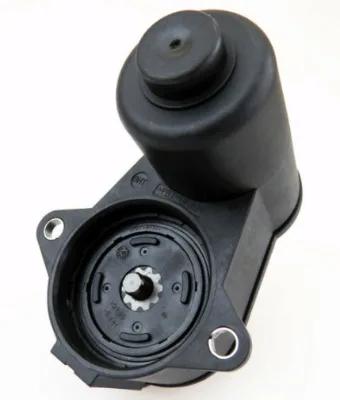
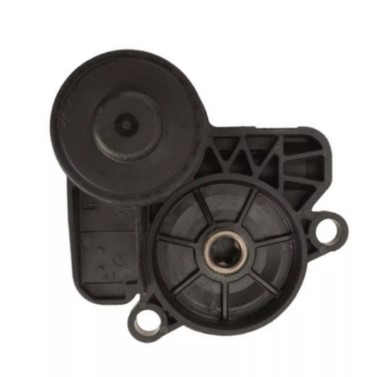


Customized Robust Three Phase Brake Motor for Industrial Applications
$100.00 - $200.00
MOQ: 10 Pieces


Factory Outlet Reliable Performance Heavy-Duty Motor Three Phase Brake Motor
$100.00 - $200.00
MOQ: 10 Pieces


Sale Electric Motor Three Phase Brake Motor for Robust Industrial Use
$100.00 - $200.00
MOQ: 10 Pieces


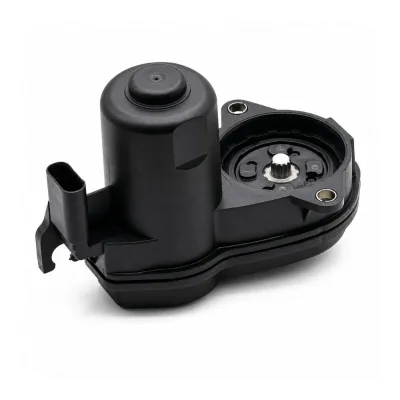

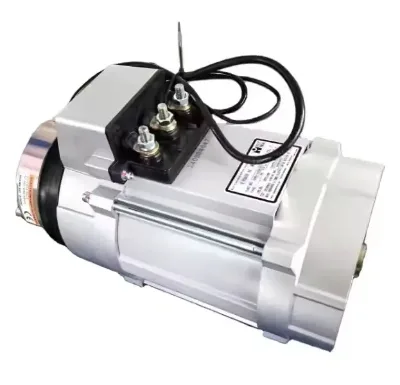




Comprehensive Sourcing Guide
Belt Type Brake Actuator Motor Sourcing Guide
Procuring belt type brake actuator motors requires a disciplined approach to aligning mechanical transmission needs with electrical control specifications. These components are critical in industrial automation where precise torque delivery and compact footprint are paramount. Buyers must first define the operational environment, including duty cycles and load requirements, to select the appropriate motor class. The integration of a belt drive system offers distinct advantages in noise reduction and shock absorption compared to direct-drive alternatives, making it suitable for sensitive equipment. Understanding the specific application context ensures that the selected actuator meets both performance and longevity expectations without over-engineering the solution.
The sourcing landscape for these motors is diverse, with manufacturers offering various customization options to meet unique mechanical constraints. Key variables include the reduction ratio, which can range significantly to accommodate different speed and torque profiles. Buyers should evaluate the starting mode, such as auto-induction or direct on-line starting, to ensure compatibility with existing power infrastructure. Additionally, the casing protection type, whether closed or protection type, must be matched to the environmental conditions, such as dust or moisture exposure. This initial assessment forms the foundation for a successful procurement strategy, minimizing the risk of operational failure in the field.
Product Scope and Observed Listing Signals
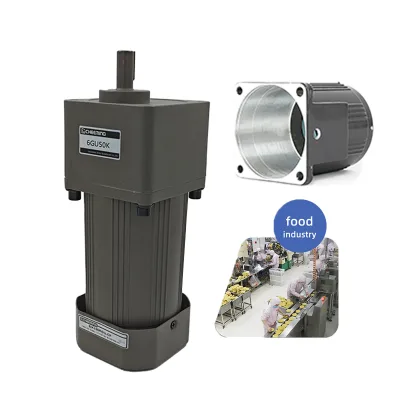
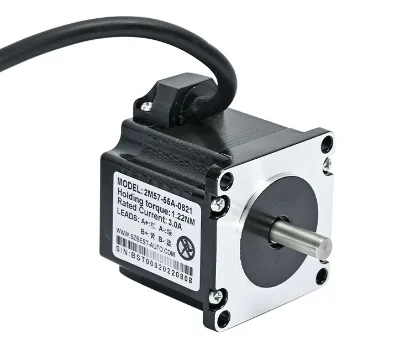
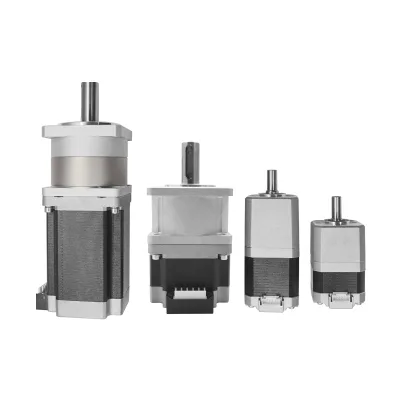
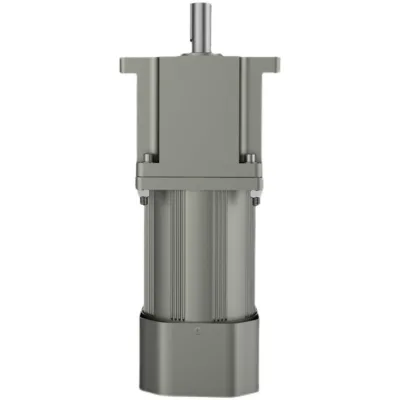
Market listings for belt type brake actuator motors reveal a wide spectrum of power ratings and physical dimensions. Observed power outputs typically span from low-wattage units like 6W and 10W to higher capacity models reaching 120W. These variations cater to applications ranging from light-duty control mechanisms to more robust industrial driving tasks. The physical size of the stator also varies, with common dimensions including 60mm, 70mm, 80mm, and 90mm. Buyers must carefully match these physical constraints to their equipment design, ensuring that the motor fits within the allocated space while providing sufficient power for the intended load.
Listing signals also highlight significant variability in reduction ratios, which are crucial for determining the final output speed and torque. Ratios can extend from modest reductions up to 200K or even 750K, depending on the specific model and gear configuration. This flexibility allows for precise control in applications requiring slow, high-torque movements. Furthermore, voltage options such as 110V and 220V are commonly available, providing compatibility with different regional power standards. Buyers should verify these specifications against their system requirements to avoid costly modifications or performance mismatches during installation.
Technical Specifications to Verify
Verifying the technical specifications of a Belt Type Brake Actuator Motor is essential for ensuring seamless integration into the target system. The number of poles and stator configuration, often single-phase for these units, dictates the motor's operational characteristics and efficiency. Buyers must confirm the starting mode, whether it is auto-induction with voltage-reduced starting, direct on-line starting, or variable frequency starting, as this impacts the inrush current and control complexity. Additionally, the motor winding material, such as 100% copper winding, should be verified to ensure durability and thermal performance under continuous operation.
The mechanical interface and packaging details are equally important for logistical and installation planning. The product model numbers, such as 5IK90GU-AMF or 2RK6GN-C, serve as unique identifiers for cross-referencing datasheets and spare parts. Buyers should also check the packing method, whether in cartons or neutral packing, to assess handling requirements and potential for damage during transit. The single package size and gross weight provide critical data for calculating shipping costs and warehouse storage needs. Ensuring these details are accurate prevents unexpected delays and additional expenses during the procurement process.
Compliance and Safety Documentation
Compliance with international standards is a non-negotiable aspect of sourcing belt type brake actuator motors for global markets. Certifications such as CCC, ISO9001, UL, CE, and RoHS indicate that the manufacturer adheres to specific safety and environmental regulations. Buyers must verify that the provided documentation matches the destination country's legal requirements, particularly for electrical safety and electromagnetic compatibility. The presence of these certifications not only ensures regulatory compliance but also serves as an indicator of the manufacturer's commitment to quality control and consistent production standards.
Beyond formal certifications, buyers should request detailed test reports and performance data to validate the motor's reliability. While some listings may claim "High Quality" or "OEM Quality," these terms are subjective and require substantiation through objective metrics. It is advisable to ask for specific test results related to insulation resistance, dielectric strength, and thermal endurance. Additionally, confirming the warranty terms, such as 12 or 24 months, provides a safety net against early failures. A robust warranty policy often reflects the manufacturer's confidence in their product's durability and their willingness to support post-sale issues.
Cost Drivers and Commercial Terms
The cost of belt type brake actuator motors is influenced by several factors, including power rating, reduction ratio, and certification requirements. Higher power outputs and complex reduction mechanisms typically command higher prices, while standard configurations may offer more competitive rates. Buyers should also consider the impact of customization, as tailored solutions often incur additional tooling or engineering fees. The observed price range in the market is broad, reflecting the diversity of specifications and quality levels available. Understanding these cost drivers helps buyers negotiate effectively and allocate their budget efficiently.
Commercial terms, including payment methods and shipping options, play a significant role in the total cost of ownership. Common payment terms include T/T, PayPal, and Western Union, each with different implications for cash flow and security. Shipping terms such as DHL, FedEx, or sea freight affect delivery times and logistics costs. Buyers should also inquire about the minimum order quantity (MOQ), which can range from 1 to 1000 units, to determine the feasibility of small-scale trials or large-volume purchases. Clarifying these terms early in the negotiation process prevents misunderstandings and ensures a smooth transaction.
Supplier Qualification and Quality Control
Evaluating supplier qualification is crucial for mitigating risks associated with quality inconsistencies and delivery delays. Buyers should verify the supplier's production capabilities, including their facility location and manufacturing processes. Many suppliers originate from industrial hubs like Cixi, Zhejiang, China, which are known for their concentration of motor manufacturing expertise. Assessing the supplier's track record, including their experience with OEM projects and their ability to meet specific client requests, provides insight into their reliability. A supplier with a strong history of fulfilling custom orders is more likely to deliver products that meet exact specifications.
Quality control measures implemented by the supplier are equally important for ensuring product consistency. Buyers should inquire about the supplier's QC processes, including incoming material inspections, in-process checks, and final product testing. The use of neutral packing or client-requested packaging can also indicate the supplier's flexibility and attention to detail. Additionally, verifying the supplier's ability to provide original color or plated finishes, as requested, ensures that the aesthetic and functional requirements are met. A robust quality control system minimizes the risk of defects and ensures that the delivered motors perform as expected.
Long-Term Procurement Checks
Establishing long-term procurement checks is essential for maintaining supply chain stability and product quality over time. Buyers should implement regular audits of supplier performance, focusing on delivery times, defect rates, and responsiveness to issues. Tracking the performance of the motors in the field provides valuable feedback for future procurement decisions. If any recurring issues arise, such as premature wear or electrical failures, buyers should address them with the supplier promptly to prevent further disruptions. Continuous monitoring helps identify potential problems early and allows for proactive management of the supply relationship.
Additionally, buyers should stay informed about changes in industry standards and technological advancements that may impact the suitability of the current motor selection. Regularly reviewing the supplier's certification status and compliance documentation ensures that they remain aligned with regulatory requirements. Exploring opportunities for cost optimization through volume discounts or alternative sourcing strategies can also enhance the procurement process. By maintaining a proactive approach to supplier management, buyers can secure a reliable supply of belt type brake actuator motors that support their operational goals and business growth.
FAQs
What certifications do the motors have?
The motors hold CCC, ISO9001, UL, CE, and RoHS certifications. These standards ensure compliance with international safety and quality requirements for industrial applications. Some listings also mention high-quality assurance, confirming the products meet rigorous manufacturing benchmarks for reliability.
Which power ratings are available for these motors?
Available power ratings include 6W, 10W, 25W, 40W, 60W, 90W, and 120W. These options cater to various industrial needs, allowing buyers to select the appropriate capacity for their specific machinery or control systems without needing custom modifications for standard applications.
Can I request custom packaging for my order?
Yes, customization is available including neutral packing or client-requested packaging. Buyers can specify their preferred packing method to suit logistics requirements. This flexibility ensures the products arrive safely while meeting specific branding or shipping constraints for different distribution channels.
What is the reduction ratio range for these units?
The reduction ratio ranges from 3 to 200K or up to 750K depending on the model. This wide range allows for precise speed control in various industrial settings. Buyers can choose specific ratios to match their mechanical transmission needs effectively.
Where are these motors manufactured?
These motors originate from Cixi, Zhejiang, China. The location indicates a established manufacturing hub known for producing high-quality electrical components. Buyers sourcing from this region can expect consistent production capabilities and established supply chains for industrial motor components.
What starting modes are supported by the motors?
Supported starting modes include auto-induction voltage-reduced starting, direct on-line starting, and variable frequency starting. These options provide flexibility for different electrical environments and load requirements. Selecting the correct mode ensures optimal performance and longevity for the specific application.
How long is the warranty period for these products?
Warranty periods range from 12 months to 24 months depending on the specific product listing. This coverage protects buyers against manufacturing defects and ensures reliability. The warranty terms provide peace of mind for industrial users investing in long-term operational equipment.