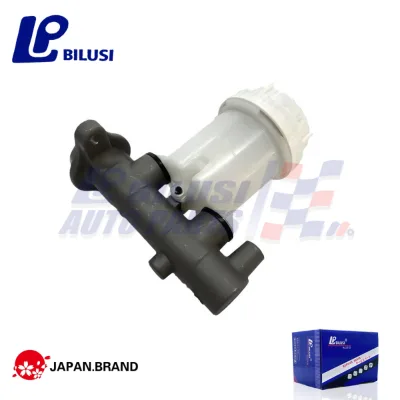
Source MG HS Brake Pump for MG HS, NG HS, Trumpchi GS4
Find 30 verified MG HS Brake Pump options for MG HS, NG HS, and Trumpchi GS4 vehicles. Compare prices, MOQs, and specifications from suppliers in China to find the right part for repair or upgrade needs; compare the available evidence and request quotations based on your requirements.
Updated
Key considerations
Products List
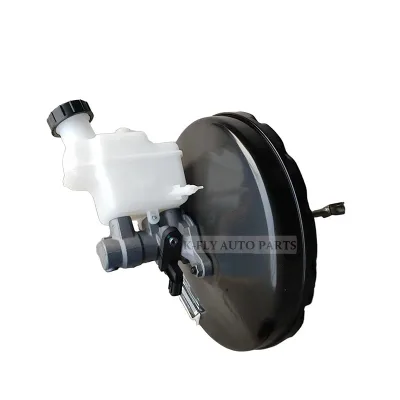
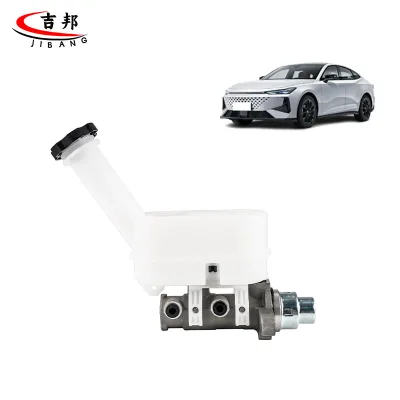
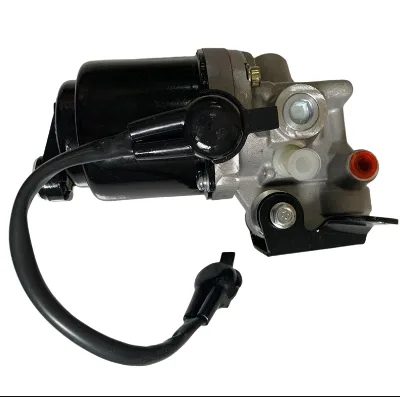
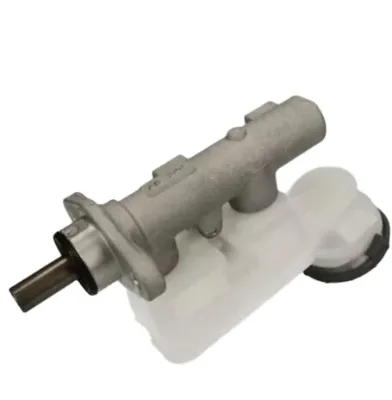
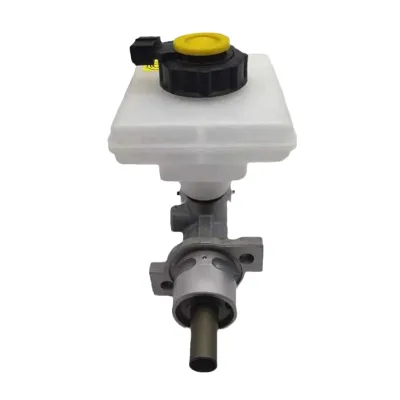
Original Replacement Mg Auto Spare Part 10967681 Brake Brake Pump for MG HS ZS EZS RX5
$87.9343 - $103.4505
MOQ: 2 units
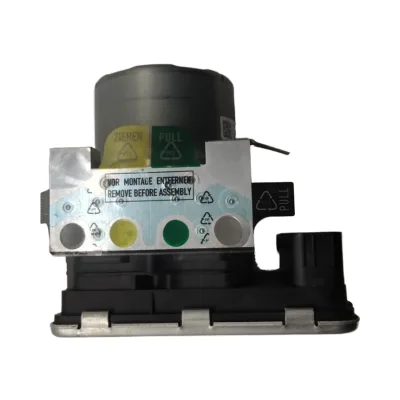
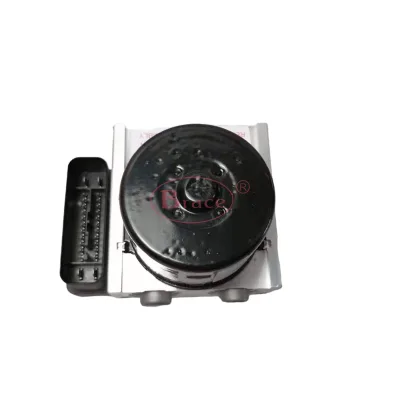
Nio Car Parts 544833429 Car Original ABS Brake Pump for MG HS 11091513 544833429
$237.7744 - $268.7887
MOQ: 2 units


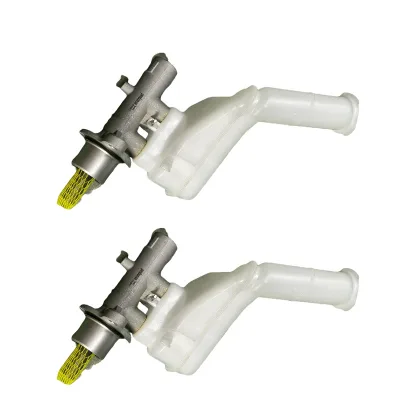
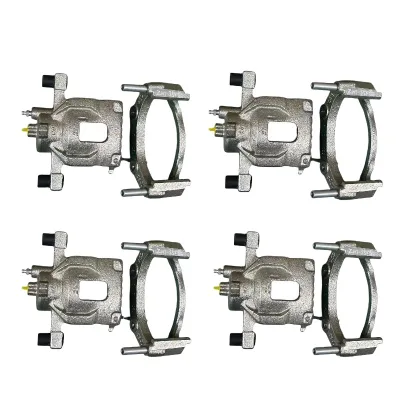
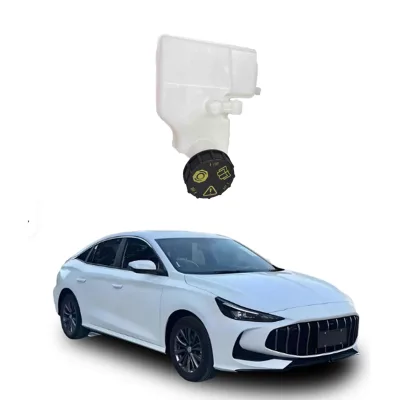
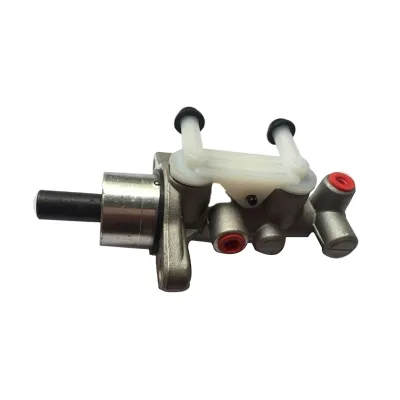
3550040-H01 Brake Pump ABS Pump Assembly for Changan Alsvin/Chana Alsvin 2010
$105.00 - $210.00
MOQ: 1 pieces




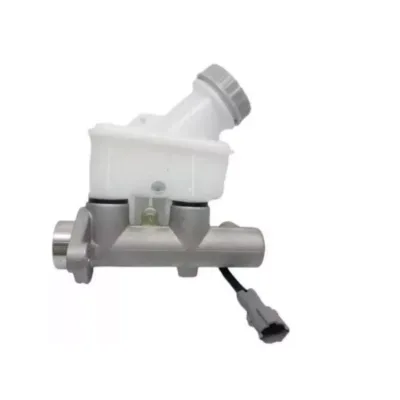
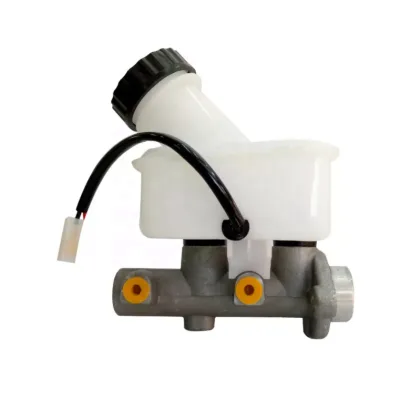
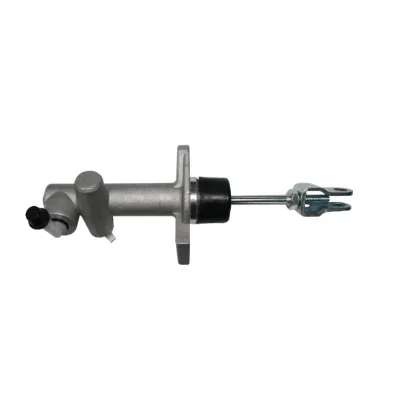
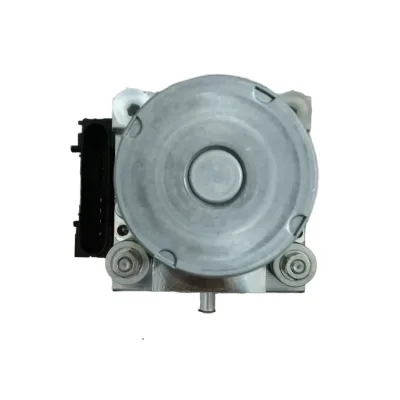


Comprehensive Sourcing Guide
MG HS Brake Pump Sourcing Guide
Sourcing replacement braking components for the MG HS requires a disciplined approach to verifying part compatibility and supplier reliability. The market offers various listings, but buyers must distinguish between genuine OE specifications and aftermarket alternatives that may not meet original equipment standards. This guide focuses on the critical steps for identifying the correct brake booster or master cylinder, ensuring that the selected component aligns with the vehicle’s specific model year and engineering requirements. Procurement teams should prioritize suppliers who provide clear OE number cross-references and transparent technical data to minimize the risk of installation errors or premature failure.
The procurement process begins with a thorough audit of available product listings to confirm alignment with the MG HS platform. Buyers should examine product attributes such as condition, warranty terms, and packaging details to gauge supplier professionalism. It is essential to verify that the listed parts are new and come with a defined warranty period, typically one year, to protect against manufacturing defects. Additionally, understanding the supplier’s delivery timeline and minimum order quantity (MOQ) is crucial for maintaining inventory levels without overstocking. This initial screening helps filter out unreliable vendors and establishes a baseline for evaluating the technical and commercial viability of potential suppliers.
Product Scope and Observed Listing Signals
The observed product landscape for MG HS braking components includes a variety of items such as brake boosters and brake cylinders, often listed with specific OE numbers like 10967681 and 11091513. These listings frequently indicate a place of origin in China, with some suppliers specifying Guangzhou as the production hub. Buyers should note that while some products are marketed for the MG HS, others may be listed for related models like the NG HS or Trumpchi GS series, requiring careful cross-referencing to ensure exact fitment. The presence of customization options suggests that some suppliers may offer tailored solutions, but this should be verified against the vehicle’s original specifications to avoid compatibility issues.
Packaging and physical attributes provide additional signals regarding product quality and handling. Listings often specify single package dimensions, such as 20x20x20 cm or 30x30x30 cm, and gross weights ranging from 0.5 kg to 4.0 kg, which can help in estimating shipping costs and storage requirements. The use of color boxes or export cartons indicates a level of protection during transit, while neutral packing may suggest a focus on cost efficiency. Buyers should also observe the stated materials, such as iron or steel, and confirm that these align with the durability expectations for braking systems. These physical details, combined with warranty terms like 12 months, offer insights into the supplier’s confidence in their product’s longevity.
Technical Specifications to Verify
Verifying technical specifications is paramount when sourcing brake components for the MG HS. Buyers must confirm that the part number, such as MB295330 or 10030588, matches the vehicle’s requirements exactly. It is critical to distinguish between brake boosters and brake master cylinders, as these components serve different functions within the braking system. The application should be explicitly stated as compatible with Mitsubishi vehicles or specific MG models, and any discrepancies in model numbers should be investigated thoroughly. Suppliers should provide detailed specifications, including single package sizes and gross weights, to ensure that the part fits within the vehicle’s designated mounting points and operational parameters.
Material composition and construction quality are key indicators of performance and safety. Listings may specify materials like iron or steel, which are standard for braking components due to their strength and heat resistance. Buyers should verify that the parts are 100% tested before shipment, as indicated by some suppliers, to ensure reliability. The color of the component, such as silver, may also be a relevant detail for identification purposes. Additionally, the purpose of the part, whether for replacement, repair, retrofit, or upgrade, should be clearly defined to avoid purchasing components that are not suitable for the intended application. Confirming these technical details helps prevent costly errors and ensures that the installed part meets the vehicle’s safety standards.
Compliance and Safety Documentation
Compliance with international standards is essential for braking components, given their critical role in vehicle safety. Buyers should inquire about certifications such as IATF-ISO, which indicates adherence to quality management systems in the automotive industry. While specific certification documents may not always be visible in initial listings, suppliers should be able to provide proof of compliance upon request. This documentation ensures that the manufacturing process meets rigorous quality controls, reducing the risk of defects that could compromise braking performance. Buyers should also verify that the parts meet relevant regional safety standards, particularly if importing to markets with strict regulatory requirements.
Safety documentation should also include detailed product specifications and testing reports. Suppliers may provide information on the part’s durability, heat resistance, and performance under various conditions. Buyers should request test results or quality assurance certificates to validate the supplier’s claims. Additionally, it is important to confirm that the parts are new and not refurbished, as this can impact their reliability and lifespan. The warranty terms, typically one year, should be clearly stated and understood, outlining the conditions under which replacements or refunds are provided. This level of documentation provides assurance that the components are safe and reliable for use in the MG HS.
Cost Drivers and Commercial Terms
Cost drivers for MG HS brake components include material costs, manufacturing complexity, and supplier overhead. Buyers should analyze the listed prices, which can range significantly, to understand the market value of these parts. The minimum order quantity (MOQ) is another critical factor, with some suppliers requiring as few as one piece, while others may have higher thresholds. Understanding these terms helps in negotiating favorable deals and managing inventory costs. Additionally, the payment terms, such as T/T, Western Union, PayPal, or Trade Assurance, should be evaluated for security and convenience. Buyers should prioritize suppliers who offer secure payment options to protect their financial interests.
Delivery time and shipping costs also impact the total cost of ownership. Listings often indicate delivery times of 3-10 days, which can be advantageous for urgent repairs. However, buyers should confirm these timelines with the supplier to avoid delays. Shipping costs can vary based on package size and weight, so it is important to factor these into the overall budget. Suppliers may offer different packing options, such as color boxes or export cartons, which can affect shipping efficiency. By carefully evaluating these commercial terms, buyers can optimize their procurement strategy and ensure cost-effective sourcing of high-quality brake components.
Supplier Qualification and Quality Control
Supplier qualification is a critical step in ensuring the reliability of sourced brake components. Buyers should assess the supplier’s reputation, experience, and track record in the automotive parts industry. This includes verifying their business credentials, such as IATF-ISO certification, and checking for any negative feedback or complaints. Suppliers who provide detailed product information and responsive customer service are often more reliable. Additionally, buyers should inquire about the supplier’s quality control processes, including testing procedures and inspection protocols. This due diligence helps identify suppliers who are committed to delivering high-quality products and maintaining consistent standards.
Quality control measures should be clearly defined and enforced by the supplier. Buyers should request information on the testing methods used to ensure part reliability, such as pressure testing or durability assessments. Suppliers who offer 100% tested products demonstrate a higher level of quality assurance. It is also important to verify the supplier’s ability to handle returns or replacements in case of defects. Clear warranty terms and a responsive support team are indicators of a supplier’s commitment to customer satisfaction. By prioritizing suppliers with robust quality control systems, buyers can minimize the risk of receiving substandard parts and ensure the safety and performance of the MG HS braking system.
Long-Term Procurement Checks
Long-term procurement checks involve continuous monitoring of supplier performance and product quality. Buyers should establish key performance indicators (KPIs) to track delivery times, product defect rates, and customer satisfaction. Regular audits of supplier facilities and quality control processes can help identify potential issues before they impact production. Additionally, buyers should maintain open communication with suppliers to address any concerns promptly. This proactive approach ensures that any deviations from agreed standards are corrected quickly, maintaining the integrity of the supply chain. Continuous improvement initiatives should be encouraged to enhance product quality and operational efficiency.
Building a strong relationship with reliable suppliers is essential for long-term success. Buyers should consider developing strategic partnerships with suppliers who demonstrate consistent quality and reliability. This can lead to better pricing, priority service, and access to new products. Regular reviews of supplier performance and market trends can help identify opportunities for cost savings and innovation. Additionally, buyers should stay informed about changes in automotive regulations and technology that may impact the sourcing of brake components. By maintaining a vigilant and adaptive procurement strategy, buyers can ensure a steady supply of high-quality parts for the MG HS, supporting vehicle safety and performance over time.
FAQs
What is the warranty period for MG HS brake pumps?
The warranty period is typically 1 year or 12 months for these brake components. This coverage applies to new condition parts sourced from China. Buyers should verify specific terms with the supplier before purchase to ensure the warranty aligns with their regional requirements and the specific product model being acquired.
Can I customize MG HS brake pumps for specific needs?
Yes, customization is available for these brake booster and cylinder units. Suppliers offer tailored solutions to meet specific vehicle requirements or retrofit needs. Buyers can request modifications to fit particular MG HS models or other compatible vehicles like Trumpchi GS series, ensuring the part meets exact operational standards.
What is the minimum order quantity for brake master cylinders?
The minimum order quantity varies, typically starting at 1 piece for some items and 2 pieces for others. This flexibility allows buyers to test quality before larger purchases. The MOQ depends on the specific OE number and product type, such as brake cylinders or boosters, so check the listing details for exact requirements.
How long does delivery take for MG HS brake parts?
Delivery time is generally 3 to 10 days for these brake components. This timeframe applies to parts shipped from Guangzhou or other locations in China. Buyers should confirm the exact lead time with the supplier, as it may vary based on stock availability, shipping method, and the specific product model ordered.
Which OE numbers are compatible with MG HS brake pumps?
Compatible OE numbers include 10967681, 11091513, MB295330, 10030588, 10030669, and 23875599. These numbers correspond to various brake boosters and cylinders for MG HS and other models. Buyers should match the OE number to their vehicle's requirements to ensure proper fitment and functionality of the replacement part.
What materials are used in MG HS brake master cylinders?
These brake components are primarily made from iron and steel. The material choice ensures durability and performance for braking systems. Buyers can expect high-quality construction suitable for replacement or repair purposes. The specific material may vary slightly between brake boosters and cylinders, but both are designed for reliable operation in vehicles.