Source Biodegradable Durable Paper Mailing Bag for Stationery, Medical, Gift
Compare 30 listings for Biodegradable Durable Paper Mailing Bag options featuring custom sizes, self-sealing methods, and applications in stationery, medical, and gift packaging. Buyers can evaluate materials like PLA and Pbat alongside shipping specifications; compare the available evidence and request quotations based on your requirements.
Updated
Key considerations
Products List


Eco Friendly Biodegradable Compostable Shipping Bag Kraft Paper Mailer Bag
$0.05 - $0.35
MOQ: 10000 Pieces


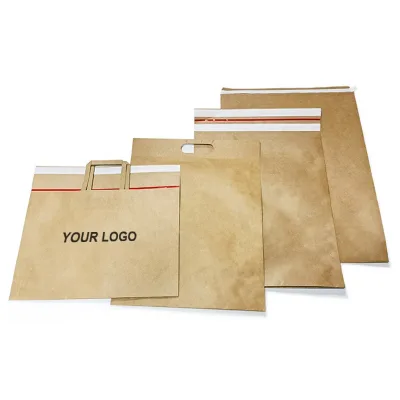


Cheap 100% Biodegradable Mailer Bag, Compostable Customized Courier Bag
$3670.00 - $4200.00
MOQ: 2 Tons


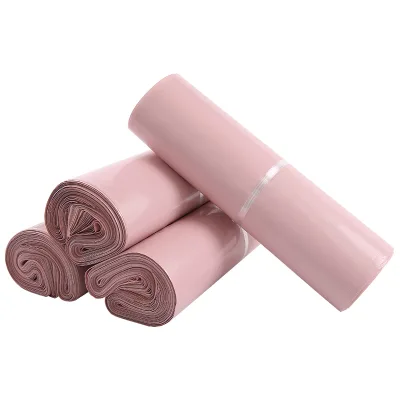
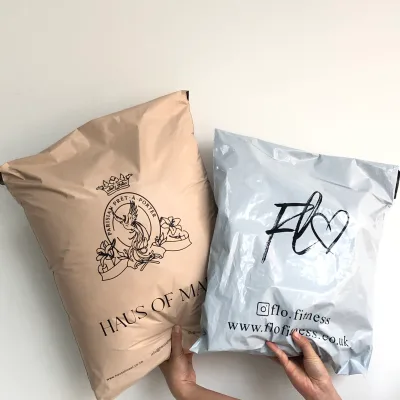
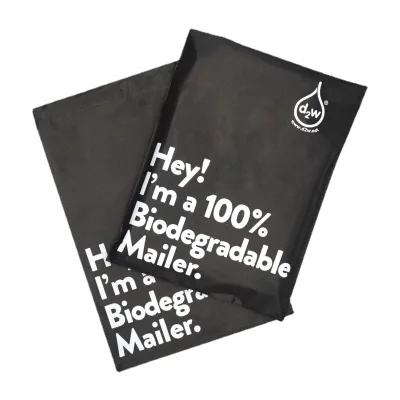


Biodegradable Mailer Bags Printing Logo Cloth Mail Shipping Packaging Mailing Bags
$0.225 - $0.378
MOQ: 1000 Pieces


Custom Print Mail Courier Packaging Shipping Plastic Bio Degradable Bags
$0.225 - $0.378
MOQ: 1000 Pieces
Comprehensive Sourcing Guide
Biodegradable Durable Paper Mailing Bag Sourcing Guide
Procuring biodegradable durable paper mailing bags requires balancing environmental claims with functional performance, as the market offers diverse material compositions ranging from pure paper to complex laminates. Buyers must first distinguish between products marketed as purely paper-based and those utilizing composite structures like Pbat, PLA, and starch blends, which offer enhanced durability and moisture resistance. The observed listings indicate a wide spectrum of raw materials, including laminated materials and cornstarch-based polymers, meaning that "paper" in the product title may not reflect the entire structural composition. Sourcing teams should verify the exact raw material breakdown to ensure alignment with corporate sustainability goals and regulatory requirements in target markets.
Furthermore, the durability of these bags is often achieved through specific manufacturing processes such as composite packaging techniques or the addition of antistatic and shock-resistant features. While some products are explicitly labeled as non-waterproof, others offer waterproof performance, which is critical for shipping environments where humidity or accidental exposure to moisture is a risk. Buyers should assess whether the bag’s shape, whether upright, shaped, or special, meets the dimensional requirements of their logistics operations. Understanding these physical attributes is essential before requesting samples, as the structural integrity and protective qualities vary significantly across different supplier offerings and material choices.
Product Scope and Observed Listing Signals
The current market landscape for biodegradable mailing bags reveals a diverse array of product models and applications, with suppliers offering solutions for stationery, medical, gift, food, cosmetic, and clothing packaging. Observed listings highlight specific product identifiers such as model numbers like a20240522-4, KDD0013, and TCKD, indicating that manufacturers often produce specialized variants rather than generic stock items. These variations are tailored to different usage scenarios, from express delivery to general shopping and household promotion, suggesting that buyers should not assume a one-size-fits-all solution. The presence of customized logo acceptance and various bag varieties, including upright and shaped bags, demonstrates the flexibility available in the supply chain for branding and aesthetic requirements.
Price and minimum order quantity (MOQ) signals in the market show significant variance, with observed price ranges extending from very low entry points to higher tiers for specialized durable options. MOQs are observed to range from as low as one piece for sampling up to 10,000 pieces for standard orders, with some suppliers requiring volumes as high as 100,000 pieces for certain customized runs. This disparity suggests that smaller buyers may face higher per-unit costs or limited customization options, while larger volume purchasers can negotiate more favorable terms and specific material compositions. Buyers must align their order volume with supplier capabilities, as the availability of specific features like offset printing or biodegradable certifications may be contingent on meeting these volume thresholds.
Technical Specifications to Verify
When evaluating technical specifications, buyers must scrutinize the sealing method and transparency, as these directly impact usability and product visibility. Observed data indicates that many biodegradable bags utilize self-sealing mechanisms, which streamline packing operations but require verification of seal strength to prevent accidental opening during transit. Transparency levels vary, with some products being non-transparent and others transparent, allowing for visual inspection of contents without opening the package. Additionally, the hardness of the material, described as soft in some listings, influences the tactile experience and how well the bag conforms to irregularly shaped items, which is a critical consideration for clothing and soft goods packaging.
Weight limits and dimensional standards are equally critical for ensuring that the selected bag can safely contain the intended merchandise. Listings show weight limits ranging from 5-10 kg, which defines the upper bound for safe handling and shipping, while standard sizes like 20cm30cm and 38cm40cm provide baseline dimensions for planning. Buyers should verify if these dimensions are fixed or if customized sizing is available, as non-standard package sizes may incur additional tooling or setup costs. The inclusion of features such as shock resistance and moisture proofing further enhances the bag’s utility, but these attributes must be confirmed through technical datasheets rather than assumed from marketing descriptions, ensuring the bag meets the specific protective needs of the shipped goods.
Compliance and Safety Documentation
Compliance with environmental standards is a primary driver for sourcing biodegradable packaging, with buyers needing to verify certifications such as EN13432 for compostability. Although some background context mentions FSC certification, buyers must confirm whether this applies to the paper component or the entire product, as mixed-material bags may have different compliance pathways. The presence of bio-degradable and biodegradable features in product descriptions suggests that suppliers are targeting markets with strict plastic reduction mandates, but buyers should request third-party test reports to validate these claims. Without verified documentation, there is a risk of greenwashing, where products labeled as biodegradable do not break down under industrial composting conditions, leading to regulatory penalties and reputational damage.
Safety and material safety data sheets (MSDS) are also essential, particularly for applications involving food, medical, or cosmetic packaging. Buyers must ensure that the raw materials, whether Pbat, PLA, starch, or laminated composites, are food-grade and free from harmful additives. The observation of specific raw material compositions like Pbat+PLA+St indicates a move towards plant-based polymers, but the safety of these blends must be confirmed for direct contact applications. Additionally, the antistatic feature noted in some listings is crucial for electronics or sensitive items, requiring verification that the antistatic properties do not compromise the biodegradability or safety of the packaging material.
Cost Drivers and Commercial Terms
Cost structures for biodegradable mailing bags are influenced by raw material volatility, customization complexity, and order volume. The use of advanced materials like Pbat and PLA typically commands a premium over standard paper or plastic alternatives, reflecting the higher production costs associated with biodegradable polymers. Customization options, such as offset printing of logos and customized sizes, add to the unit cost due to setup fees and reduced production efficiency. Buyers should anticipate that smaller order quantities, even those as low as one piece, will carry a significantly higher per-unit price compared to bulk orders of 10,000 or more pieces, where economies of scale can mitigate material and labor costs.
Commercial terms, including lead times and packaging methods, also impact the total cost of ownership. Observed lead times of 15-20 days suggest that buyers must plan inventory carefully to avoid stockouts, especially for customized orders that require additional production time. The packaging of the bags themselves, whether in PE bags, cartons, or pallets, affects shipping efficiency and storage requirements. Buyers should negotiate clear terms regarding who bears the cost of shipping and insurance, as well as the conditions for returns or replacements in case of quality issues. Understanding these commercial dynamics allows for more accurate budgeting and prevents unexpected expenses during the procurement process.
Supplier Qualification and Quality Control
Supplier qualification begins with verifying the origin and manufacturing capabilities of the provider, with observed origins including Guangdong and Henan in China. Buyers should assess the supplier’s production capacity and quality control processes to ensure consistent output, particularly for customized orders where precision is key. The availability of customization services, including logo printing and size adjustments, indicates a flexible manufacturing base, but buyers must verify the supplier’s ability to maintain quality across different material types and production runs. Requesting references or case studies from previous clients can provide insight into the supplier’s reliability and responsiveness to issues.
Quality control measures should include pre-shipment inspections and sample approvals to ensure that the final product matches the agreed specifications. Buyers should establish clear acceptance criteria for defects, such as seal failures, printing errors, or material inconsistencies, and ensure that the supplier has a robust process for addressing these issues. The observation of specific packing methods like PE Bag+Carton+Pallet suggests that suppliers have standardized logistics practices, but buyers should confirm that these methods protect the bags from damage during transit. Implementing a rigorous quality control protocol helps mitigate the risk of receiving substandard products and ensures that the biodegradable claims are backed by tangible product performance.
Long-Term Procurement Checks
Long-term procurement success depends on continuous monitoring of supplier performance and market trends in biodegradable materials. Buyers should regularly review supplier compliance with environmental regulations, as standards like EN13432 may evolve, requiring updates to product formulations or certifications. Maintaining open communication with suppliers about new material innovations, such as improved starch-based blends or enhanced durability features, can help buyers stay ahead of competitors and meet changing customer expectations. Regular audits of supplier facilities and quality systems ensure that the supplier remains committed to high standards and ethical manufacturing practices.
Additionally, buyers should track the total cost of ownership over time, including fluctuations in raw material prices and shipping costs, to optimize procurement strategies. Building a diversified supplier base can reduce risk and provide leverage in negotiations, especially when dealing with specialized biodegradable materials that may have limited sources. By staying informed about industry developments and maintaining strong relationships with qualified suppliers, buyers can ensure a steady supply of high-quality, compliant biodegradable mailing bags that support their sustainability goals and operational needs.
FAQs
Can I get a customized logo on the Biodegradable Durable Paper Mailing Bag?
Yes, you can get a customized logo on the Biodegradable Durable Paper Mailing Bag. The product accepts customized logos and offers various printing processes like offset printing. This allows businesses to brand their packaging effectively while maintaining the eco-friendly nature of the materials used.
What are the raw materials used for the Biodegradable Durable Paper Mailing Bag?
The raw materials include Pbat, PLA, St, and cornstarch blends. These components ensure the bag is biodegradable and suitable for various applications. The composite packaging process combines these materials to create a durable yet environmentally friendly solution for shipping and storage needs.
How long is the delivery time for the Biodegradable Durable Paper Mailing Bag?
The delivery time is typically 15 to 20 days. This lead time applies to orders placed for the Biodegradable Durable Paper Mailing Bag. Buyers should plan their procurement schedule accordingly to ensure timely receipt of goods for their specific packaging requirements and project deadlines.
Which certifications or standards apply to the Biodegradable Durable Paper Mailing Bag?
The product standard is customized to meet specific buyer requirements. While EN13432 is mentioned in background context, the primary standard is defined by the customization agreement. Buyers should confirm specific compliance needs with the supplier to ensure the bag meets their regulatory or market standards.
What is the minimum order quantity for the Biodegradable Durable Paper Mailing Bag?
The minimum order quantity is 100,000 pieces for this specific product model. This high MOQ reflects the industrial scale of production for the Biodegradable Durable Paper Mailing Bag. Smaller quantities may not be available for this particular item, so bulk planning is essential for procurement.
Where is the Biodegradable Durable Paper Mailing Bag manufactured?
The product originates from Guangdong, China, and Henan regions. These locations serve as the primary manufacturing hubs for the Biodegradable Durable Paper Mailing Bag. Buyers can expect logistics and shipping arrangements to be coordinated from these mainland Chinese production centers.
What are the key features of the Biodegradable Durable Paper Mailing Bag?
Key features include being disposable, antistatic, shock-resistant, and moisture-proof. The bag is designed for applications like clothing, food, and cosmetic packaging. These attributes ensure the product protects contents while offering the environmental benefits of biodegradable materials in a durable format.