Source Circular FIBC Bag for Transport, Cement, and Food
Compare 30 Circular FIBC Bag options featuring antistatic properties and various loop configurations. Buyers can evaluate models like SIN 0779 and SINOPACK 231 for applications in chemical, food, and cement transport with safety factors up to 5:1; compare the available evidence and request quotations based on your requirements.
Updated
Key considerations
Products List


$10.00 - $20.00
MOQ: 1000 Pieces


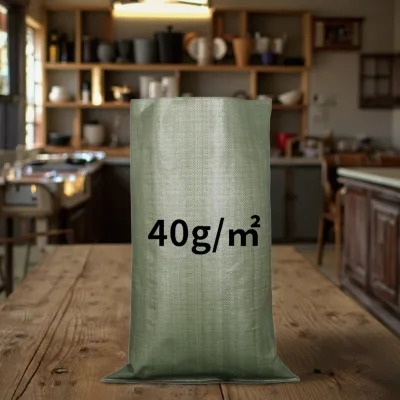
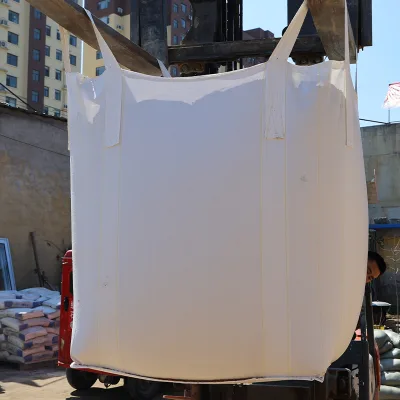
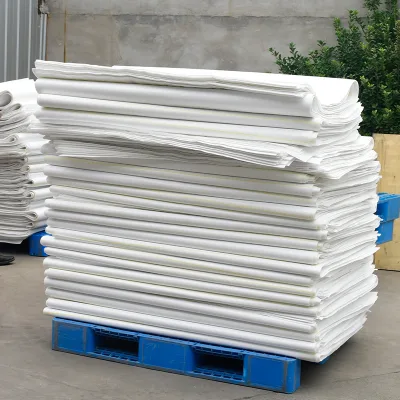
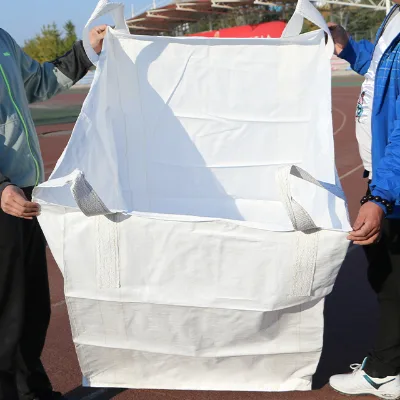


Comprehensive Sourcing Guide
Circular FIBC Bag Sourcing Guide
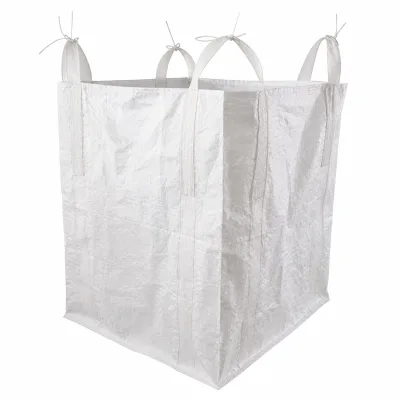
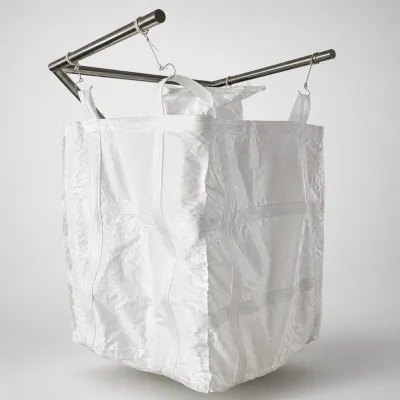
Sourcing circular flexible intermediate bulk containers requires careful attention to structural integrity and material composition, particularly when handling bulk powders or granular materials. These bags are typically constructed from polypropylene, offering a balance of durability and cost-effectiveness for industrial transport. Buyers must distinguish between circular designs and square-bottom variants, as the former often lacks the rigid base structure needed for stable stacking without pallets. The observed market includes models with specific features such as antistatic properties, which are critical for handling flammable or sensitive chemical products. Understanding the fundamental differences in loop options, such as cross-corner versus side-seam configurations, is essential for selecting the right lifting mechanism for your facility’s cranes or hoists.
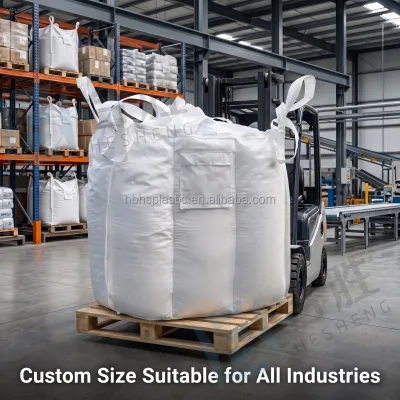
Procurement decisions should also account for the specific application environment, whether it involves cement, fertilizer, food-grade substances, or general transport. The versatility of polypropylene allows for customization in terms of printing and liner options, though many standard offerings remain unlined for general-purpose use. Buyers need to verify if the bag’s design supports single-use recycling or if it is intended for multiple trips, as this impacts long-term logistics costs. The presence of features like anti-fogging or specific bottom options, such as flat bottoms or spouts, can significantly influence the bag’s suitability for automated filling and discharge processes. Aligning these technical attributes with your operational workflow ensures efficient material handling and minimizes the risk of product contamination or spillage during transit.
Product Scope and Observed Listing Signals
The current market landscape for circular FIBC bags reveals a diverse range of product models, including specific identifiers like SIN 0779, SINOPACK 231, and SIN 0850, which help in tracking supplier catalogs. Observed listing signals indicate a wide price range from $0.03 to $35 USD, reflecting variations in material thickness, loop strength, and customization levels. Minimum order quantities typically start at 100 units, scaling up to 2000, which suggests that suppliers cater to both small-scale trials and large-volume industrial contracts. Buyers should note that while prices vary, the core material remains consistent as polypropylene, ensuring baseline performance across different price points. This price dispersion allows for strategic sourcing based on budget constraints without necessarily compromising on the fundamental structural integrity of the bag.
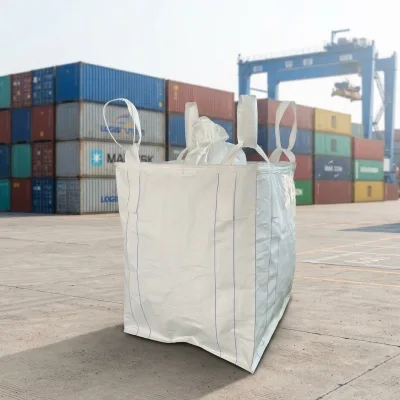
Listing data also highlights specific physical dimensions, such as 35x35x36 inches or 95x95x110 cm, which are crucial for calculating storage and transport efficiency. The observed applications span from sand and cement bags to food and chemical packaging, indicating the broad utility of these containers. Some listings emphasize antistatic fabric standards, a key differentiator for industries handling combustible dusts or sensitive electronic components. Additionally, packing methods like pallet or bale packing are commonly noted, which affects how the bags are received and stored at the destination. Buyers must cross-reference these observed signals with their specific operational needs, ensuring that the selected model’s size and loop configuration match their existing handling equipment and storage infrastructure.
Technical Specifications to Verify
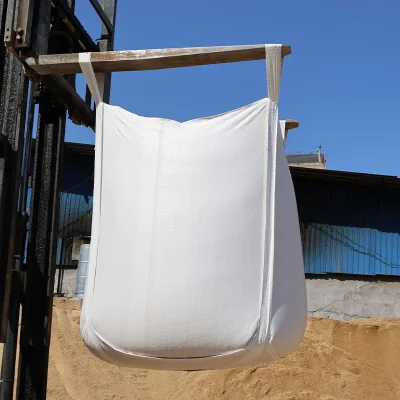
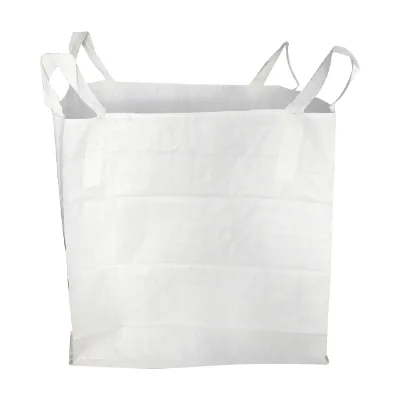
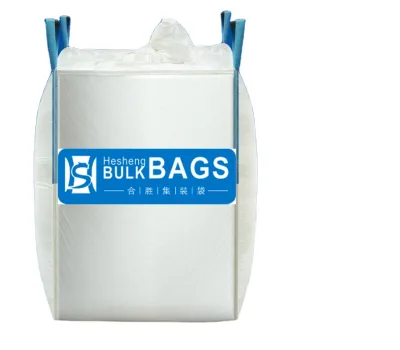
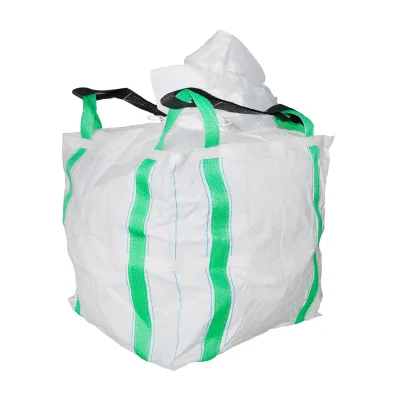
Verifying technical specifications is paramount to ensuring that the Circular FIBC Bag meets the mechanical demands of your supply chain. Key attributes to confirm include the safety factor, which is often listed as 5:1, indicating the ratio of breaking strength to safe working load. The safe working load (SWL) is another critical metric, with observed values around 1000 kg, which must align with the weight of the materials you intend to transport. Buyers should also inspect the loop options, such as blue cross-corner loops or side-seam loops, to ensure compatibility with your lifting hardware. The shape of the bag, whether straight tube or upright, influences how it stands during filling and discharge, so visual confirmation or detailed diagrams are necessary before placing large orders.
Material composition and manufacturing processes also require close scrutiny. The raw materials are typically polypropylene plastic bags, produced through plastic packaging bag techniques that ensure consistent weave density. Buyers should verify if the bag is lined or unlined, as liners provide an additional barrier against moisture or fine powders. Features like antistatic properties are not universal and must be explicitly confirmed for hazardous environments. Additionally, the bottom option, whether flat or with a spout, affects discharge efficiency. Confirming these details prevents operational bottlenecks and ensures that the bag performs reliably under load, reducing the risk of failure during lifting or transport.
Compliance and Safety Documentation
Compliance and safety documentation serve as the backbone of risk management in FIBC procurement. Buyers must request certificates of conformity that verify adherence to recognized standards, such as SGS or HACCP, particularly for food-grade applications. The presence of antistatic fabric standards is another critical document, ensuring that the bag dissipates static electricity to prevent sparks in volatile environments. These certifications provide assurance that the manufacturer has undergone rigorous testing for tensile strength, UV resistance, and chemical compatibility. Without proper documentation, buyers expose themselves to potential liability in case of product failure or contamination, making it essential to audit these records before finalizing any purchase agreement.
In addition to product-specific certifications, buyers should inquire about the manufacturer’s quality management systems and production audits. Documentation should clearly state the testing protocols used to determine the safety factor and safe working load. For chemical applications, material safety data sheets (MSDS) may be required to ensure the bag does not react with the stored substance. Buyers should also verify if the supplier provides traceability information, linking each batch of bags to its production date and raw material source. This level of transparency is crucial for maintaining supply chain integrity and addressing any quality issues that may arise post-delivery.
Cost Drivers and Commercial Terms
Understanding the cost drivers behind circular FIBC bags helps buyers negotiate better commercial terms and forecast budget requirements. The primary cost factors include the weight of the polypropylene fabric, the complexity of the loop configuration, and any additional features like printing or liners. Customization options, such as specific sizes or branded printing, typically increase the unit price but can enhance brand visibility and operational efficiency. Buyers should also consider the impact of minimum order quantities on pricing, as larger volumes often secure more favorable rates. However, it is important to balance cost savings with the risk of excess inventory, especially if storage space is limited or if product specifications change frequently.
Commercial terms such as payment methods, lead times, and shipping arrangements significantly influence the total cost of ownership. Buyers should clarify whether the quoted price includes packaging, such as pallet or bale packing, and if there are additional charges for export documentation. Lead times can vary based on the level of customization and the supplier’s current production capacity, so establishing clear delivery schedules is essential for maintaining supply continuity. Additionally, buyers should inquire about warranty policies and return procedures for defective goods. Transparent commercial terms reduce the risk of hidden costs and ensure a smoother procurement process from order placement to final delivery.
Supplier Qualification and Quality Control
Supplier qualification is a critical step in mitigating procurement risks associated with circular FIBC bags. Buyers should assess the supplier’s manufacturing capabilities, including their production volume, quality control processes, and experience in the flexible packaging industry. Visiting the factory or conducting third-party audits can provide valuable insights into their operational standards and consistency. It is also important to verify the supplier’s ability to meet specific technical requirements, such as antistatic properties or custom printing. A qualified supplier should demonstrate a commitment to continuous improvement and have a robust system for addressing customer feedback and resolving quality issues.
Quality control measures should be integrated into the procurement process to ensure that delivered goods meet the agreed-upon specifications. Buyers should request pre-shipment inspections or sample approvals before authorizing full production runs. Establishing clear quality benchmarks, such as acceptable defect rates and packaging standards, helps maintain consistency across orders. Additionally, buyers should evaluate the supplier’s responsiveness and communication skills, as these factors are crucial for managing any issues that arise during the supply chain. A reliable supplier partnership is built on trust, transparency, and a shared commitment to quality, ensuring that the circular FIBC bags perform as expected in real-world applications.
Long-Term Procurement Checks
Long-term procurement checks involve ongoing monitoring of supplier performance and market trends to ensure sustained value. Buyers should regularly review key performance indicators, such as on-time delivery rates, product quality consistency, and responsiveness to issues. Establishing a periodic review process allows for the identification of potential problems before they escalate into major disruptions. Additionally, buyers should stay informed about advancements in FIBC technology, such as new materials or improved designs, that could offer better performance or cost savings. This proactive approach ensures that the procurement strategy remains aligned with evolving business needs and industry standards.
Sustainability and regulatory changes also require long-term attention. Buyers should assess the environmental impact of their FIBC usage, exploring options for recyclable or reusable bags where feasible. Keeping abreast of changing regulations, particularly in food and chemical industries, ensures continued compliance and avoids potential legal issues. Building a diversified supplier base can also mitigate risks associated with single-source dependencies. By maintaining a strategic focus on long-term checks, buyers can optimize their FIBC procurement process, ensuring reliability, cost-effectiveness, and compliance over time.
FAQs
What is the safety factor for circular fibc bags?
The safety factor is 5:1, ensuring reliable performance during transport. This standard applies to models like SIN 0779 and SIN 0850. It provides a secure margin for lifting heavy loads up to 1000 kg. The design supports various applications including cement and chemical handling. Always verify specific model ratings before use.
Can circular fibc bags be customized for specific needs?
Yes, customization is available for many Circular FIBC Bag options. Buyers can select specific sizes, loop types, and bottom configurations. Features like antistatic properties or printed branding are also possible. Models such as SINOPACK 231 offer flexible design choices. Contact suppliers to discuss your exact packaging requirements and specifications.
What materials are used in circular fibc bags?
These bags are primarily made from polypropylene plastic, specifically PP material. This raw material ensures durability and resistance to various environmental factors. The plastic packaging bags are suitable for food, fertilizer, and chemical applications. Some variants include antistatic fabric for safety. The material choice supports single-use or recyclable options depending on the design.
Which certifications are available for circular fibc bags?
Certifications such as SGS and HACCP are available for certain models. These standards ensure quality and safety for food and chemical applications. Some bags also meet antistatic fabric standards for hazardous environments. Verify the specific certification requirements with the manufacturer. Compliance with these standards helps in meeting regulatory requirements for international transport.
What are the common sizes for circular fibc bags?
Common sizes include 35x35x36 inches and 95x95x110 cm. These dimensions accommodate various load volumes and handling equipment. The square bottom or straight tube shapes affect the footprint. Select the size based on your product density and storage needs. Suppliers offer pallet or bale packing for efficient shipping and storage logistics.
How much is the minimum order quantity for circular fibc bags?
The minimum order quantity typically ranges from 100 to 2000 units. This range allows flexibility for both small and large procurement needs. Pricing varies based on the quantity ordered and specific customization. Higher volumes may offer better per-unit costs. Check with suppliers for their specific MOQ policies and bulk pricing tiers.