Source Blue Motor Control Shield for Industrial, Car, and Power Tools
Find 15 verified Blue Motor Control Shield options for industrial machinery, automotive systems, and power tools. Compare specifications like voltage, speed, and protection levels from suppliers in China to find the right component for your project; compare the available evidence and request quotations based on your requirements.
Updated
Key considerations
Products List



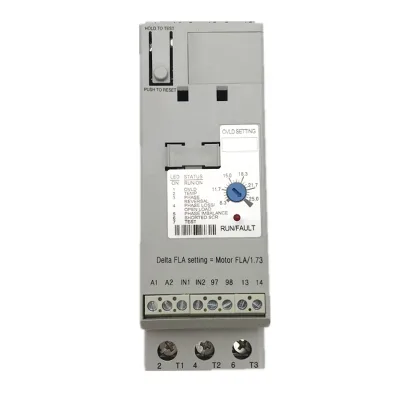
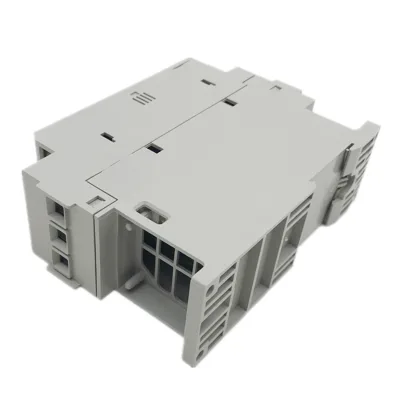

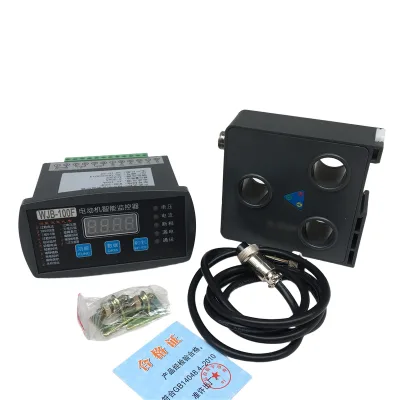
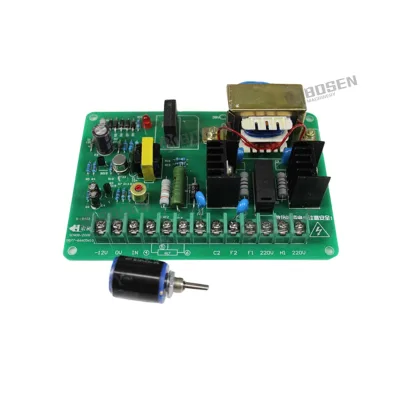
Comprehensive Sourcing Guide
Blue Motor Control Shield Sourcing Guide
Procuring a Blue Motor Control Shield requires careful alignment with specific industrial and consumer applications. The observed market data indicates a diverse range of products, from general-purpose motor drive expansion boards to specialized pump controllers. Buyers must distinguish between simple expansion boards and complex integrated controllers, as the functional requirements vary significantly. For instance, some listings highlight applications in car electronics, household appliances, and power tools, while others focus on metal processing machinery parts. Understanding these distinct use cases is the first step in defining accurate technical requirements.
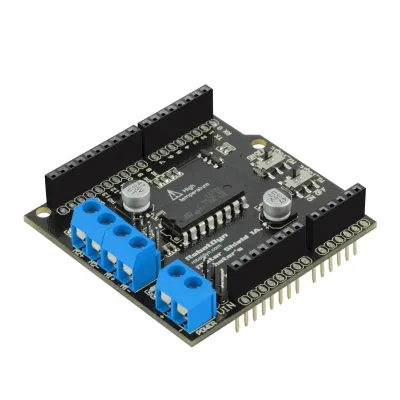
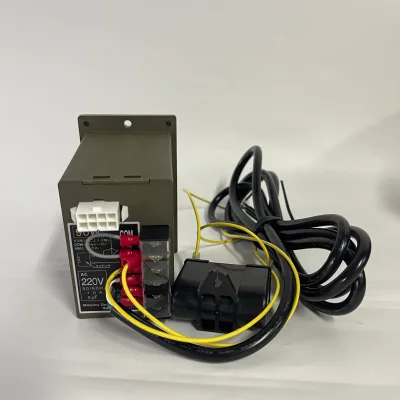
The visual descriptor "blue" often refers to the printed circuit board (PCB) solder mask color, which is a common aesthetic choice in the electronics manufacturing industry. However, this color does not dictate performance or compatibility. Sourcing decisions should prioritize the underlying component specifications, such as the L293 motor driver model or ZWYT-100-8D pump controller variants. Buyers should verify that the physical form factor matches their host system, noting that mounting types can vary from standard to other mounting configurations. This ensures that the shield integrates seamlessly without requiring extensive mechanical modifications to the existing assembly line or product design.
Product Scope and Observed Listing Signals
The current supply landscape for motor control shields exhibits a wide variance in product attributes and commercial terms. Listings reveal models such as the L293 and ZWYT-100-8D, indicating that the market offers both discrete driver components and integrated control units. The observed minimum order quantities (MOQ) range from 1 to 500 pieces, suggesting flexibility for both prototyping and small-batch production. However, some suppliers specify an MOQ of 5 pieces, which may serve as a baseline for initial quality verification. Buyers should assess whether the supplier’s MOQ aligns with their immediate production needs or if they are willing to hold higher inventory levels for better unit economics.
Pricing structures in this segment are often opaque, with many suppliers listing "please contact us" for unit prices. This indicates that final costs are likely determined by volume, customization requirements, and specific component sourcing. The observed price range spans from $1 to $2040, reflecting the disparity between simple expansion boards and complex, high-power controllers. This broad range underscores the importance of detailed specification matching. Buyers must avoid assuming that all blue motor control shields are functionally equivalent; instead, they should request detailed datasheets to understand the power handling capabilities, voltage ratings, and current limits of each specific model before committing to a purchase.
Technical Specifications to Verify
Technical verification is critical when selecting a motor control shield, as specifications vary widely across different models. Key parameters to verify include the rated voltage and current, with some products supporting 220V and 12A ratings. It is essential to confirm the operating speed range, which may vary from 500 to 1250 rpm depending on the application. Additionally, the excitation mode, such as shunt excitation, and the structure, whether brushless or brushed, must match the motor type being controlled. Buyers should also check the insulation class, which may be Class B/F or Class a/B, to ensure compatibility with the electrical environment and safety standards of the end product.
Protection levels and environmental ratings are equally important for long-term reliability. Some controllers offer an IP43 protection level, which provides adequate defense against dust and water spray for indoor industrial applications. However, for harsher environments, higher IP ratings may be necessary. The material composition, often plastic for the casing, should be evaluated for thermal resistance and durability. Furthermore, the frequency rating, typically 50Hz, must align with the local power grid standards. Buyers should also verify the mounting type, as "other mounting type" may require custom brackets or adapters, potentially increasing assembly time and cost.
Compliance and Safety Documentation
Compliance with international standards is non-negotiable for motor control shields, especially those used in industrial or consumer applications. Suppliers often cite certifications such as CE, ROHS, SGS, UL, and CCC, which indicate adherence to specific safety and environmental regulations. Buyers must request valid certification documents to verify that the products have been tested by accredited laboratories. The presence of ISOCE certification suggests a commitment to quality management systems, but this should be cross-referenced with the specific product batch to ensure consistency. Without proper documentation, there is a risk of non-compliance in the target market, leading to potential legal liabilities and product recalls.
Safety features are another critical aspect of compliance. Products often highlight features such as "safety" and "protection type" casing, which are designed to prevent electrical hazards. Buyers should verify that these features meet the specific requirements of their application, such as overload protection or short-circuit prevention. The insulation class, whether Class B/F or Class a/B, provides additional assurance against electrical breakdown. It is also important to check for any region-specific certifications, such as UL for the North American market or CCC for China. Ensuring that all necessary certifications are in place before procurement helps mitigate risks and facilitates smoother customs clearance and market entry.
Cost Drivers and Commercial Terms
Several factors influence the total cost of ownership for motor control shields, beyond the initial unit price. Lead times, typically ranging from 1 to 3 days for some suppliers, can impact inventory management and production schedules. However, longer lead times may be associated with customized orders or higher-volume production runs. Buyers should negotiate clear delivery terms to avoid production delays. Additionally, packaging requirements, such as "original package" or "1PC/1box," can affect shipping costs and handling efficiency. Customized packaging according to customer requirements may incur additional fees but can improve logistics and reduce damage during transit.
Customization availability is a significant cost driver, as it allows for tailored solutions but may increase per-unit costs. Suppliers offering customization options should be evaluated for their ability to meet specific technical requirements without compromising quality. The condition of the products, often listed as "original 100%" or "100% new and original," is crucial for ensuring reliability. Buyers should verify the warranty terms, which may range from 12 months to longer periods, to protect against early failures. Understanding these commercial terms helps in building a realistic budget and avoiding hidden costs associated with delays, returns, or inadequate support.
Supplier Qualification and Quality Control
Supplier qualification is essential to ensure consistent quality and reliable supply of motor control shields. Buyers should assess the supplier’s production capabilities, including their origin in regions like Guangdong, Jiangsu, or Chongqing in China, which are known for electronics manufacturing. Verifying the supplier’s history and reputation can provide insights into their reliability and customer service. It is also important to check if the supplier offers OEM services, as this indicates flexibility and experience in meeting diverse customer needs. Suppliers with a strong track record in producing high-quality components are more likely to deliver products that meet strict technical specifications.
Quality control processes should be rigorously evaluated to minimize the risk of defects. Buyers should inquire about the supplier’s testing procedures, including functional tests and environmental stress screening. The condition of the products, whether new or refurbished, must be clearly defined to avoid receiving substandard items. Additionally, the brand name, whether original or OEM, should be verified to ensure authenticity. Suppliers who provide detailed quality reports and traceability information are preferable, as they demonstrate a commitment to transparency and accountability. Establishing a strong relationship with a qualified supplier helps in maintaining consistent product quality and reducing supply chain risks.
Long-Term Procurement Checks
Long-term procurement success depends on continuous monitoring of supplier performance and product reliability. Buyers should establish key performance indicators (KPIs) to track delivery times, defect rates, and customer support responsiveness. Regular audits of the supplier’s quality management systems can help identify potential issues before they impact production. It is also important to stay updated on changes in regulatory requirements, such as new certification standards or environmental regulations, to ensure ongoing compliance. By maintaining a proactive approach to supplier management, buyers can mitigate risks and ensure a stable supply of motor control shields.
Technological advancements in motor control may necessitate periodic reviews of the current product lineup. Buyers should evaluate whether the existing shields meet evolving performance requirements, such as higher efficiency or smarter control features. Engaging with suppliers for feedback on product improvements and new innovations can help in staying competitive. Additionally, diversifying the supplier base can reduce dependency on a single source and enhance supply chain resilience. By focusing on long-term partnerships and continuous improvement, buyers can secure a reliable supply of high-quality motor control shields that support their business growth and operational efficiency.
FAQs
What is the model number for the L293 motor drive expansion board?
The model number for the L293 motor drive expansion board is L293. This component serves as a general-purpose control unit designed for various applications. It is available in an original package condition to ensure authenticity. Buyers can expect high-quality performance suitable for industrial and household appliance integration. The board supports brushless structure principles and shunt excitation modes for reliable operation.
Can I customize the Blue Motor Control Shield for specific needs?
Yes, customization is available for the Blue Motor Control Shield. The product supports OEM requirements and allows for tailored specifications. Buyers can request specific packaging according to their requirements. This flexibility ensures the component meets unique operational needs. The customization option extends to various mounting types and functional applications, providing versatility for different engineering projects and industrial setups.
What certifications are associated with the motor control shield products?
The motor control shield products are associated with CE, ROHS, SGS, UL, and CCC certifications. These standards ensure compliance with international safety and quality regulations. The certifications cover various aspects of electrical safety and environmental protection. Buyers can rely on these documented standards for global sourcing. The ISOCE certification further validates the manufacturing quality and adherence to strict industry protocols for reliable performance.
What is the lead time for ordering the L293 expansion board?
The lead time for ordering the L293 expansion board is typically one to three days. This rapid turnaround supports urgent procurement needs for industrial projects. The fast delivery is complemented by a warranty of twelve months for added assurance. Buyers can plan their production schedules with confidence due to this efficient processing time. The quick lead time ensures minimal downtime for ongoing manufacturing or assembly operations.
Where are the motor control shields manufactured and shipped from?
The motor control shields are manufactured and shipped from locations in China, including Guangdong and Jiangsu provinces. Specific origins include Changzhou in Jiangsu and general Guangdong manufacturing hubs. These regions are known for robust electronics production capabilities. Buyers can expect consistent quality from these established industrial centers. The domestic sourcing from China facilitates efficient logistics and competitive pricing for international procurement teams.
What is the minimum order quantity for the motor drive boards?
The minimum order quantity for the motor drive boards is five pieces. This low MOQ allows for small-scale testing and prototyping. Buyers can acquire the necessary components without committing to large volumes. The flexible ordering policy supports diverse project requirements. This approach reduces initial investment risks while ensuring access to high-quality original components for various electronic applications and development stages.