Source Adjustable Frequency Signal Generator for testing, calibration, and repair
Compare 30 Adjustable Frequency Signal Generator options from verified suppliers in Guangdong, China. Buyers can evaluate specifications like frequency response, output impedance, and mounting types to find suitable units for general purpose applications; compare the available evidence and request quotations based on your requirements.
Updated
Key considerations
Products List
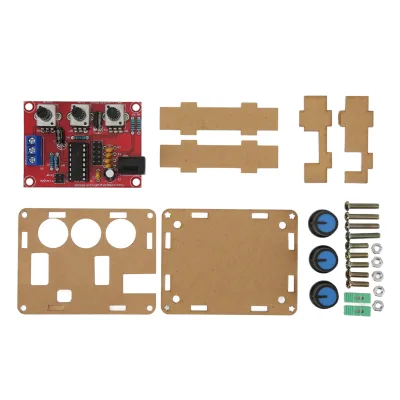
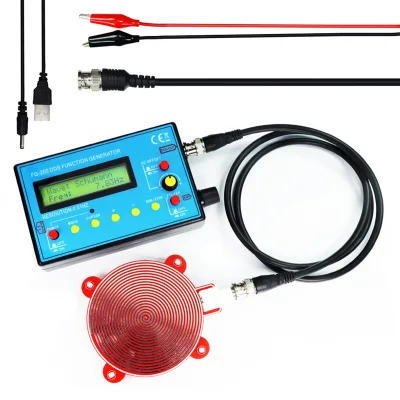
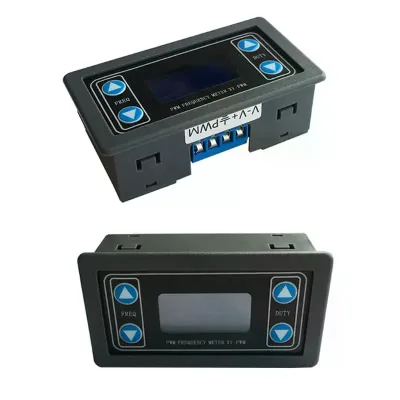
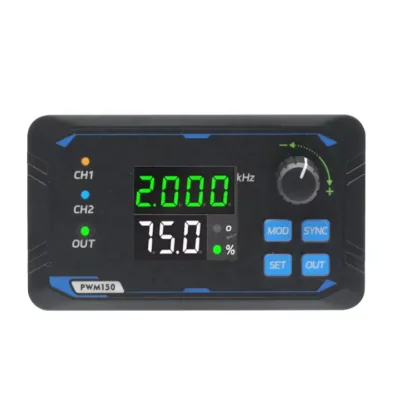
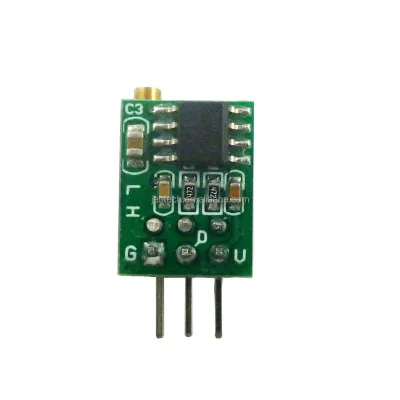
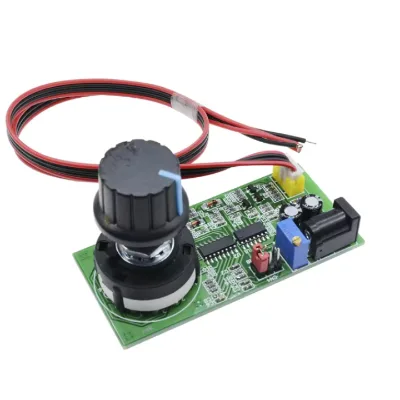
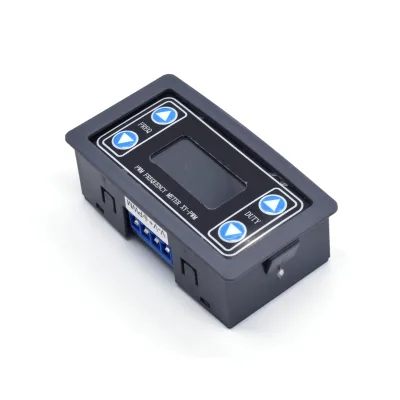
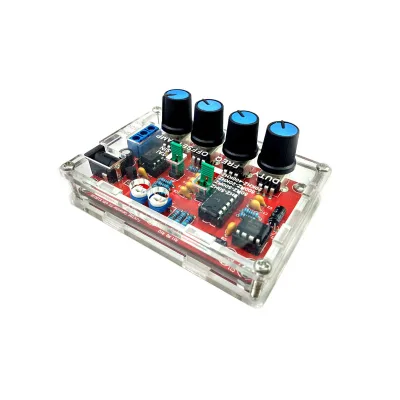
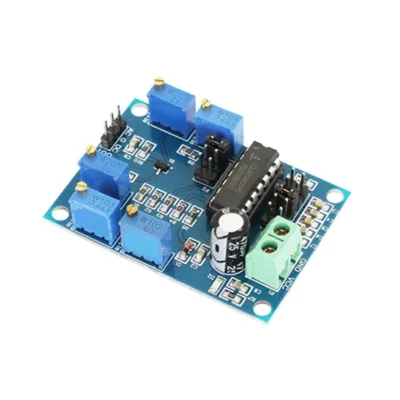
1Hz-150KHz PWM Pulse Frequency Duty Cycle Adjustable Module Signal Generator
$1.6369 - $1.9562
MOQ: 10 Minimum
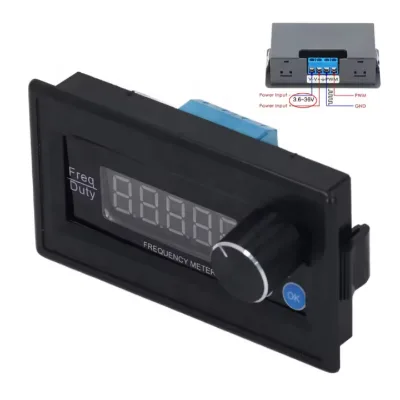
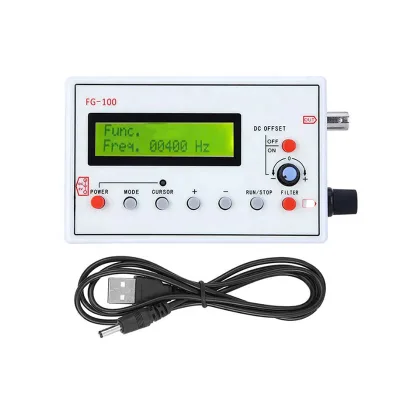
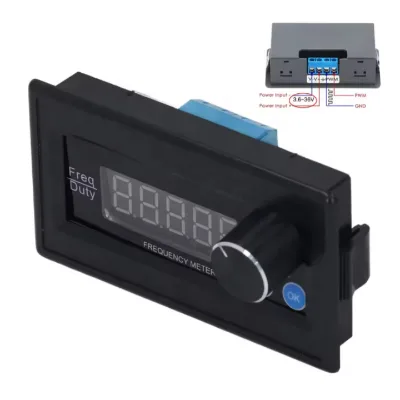
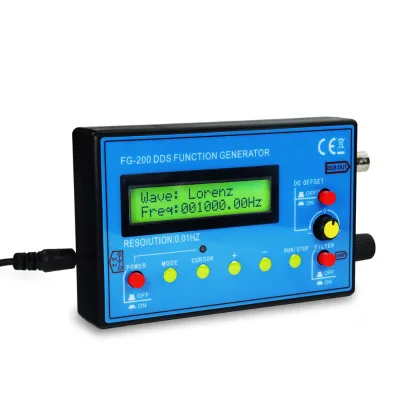
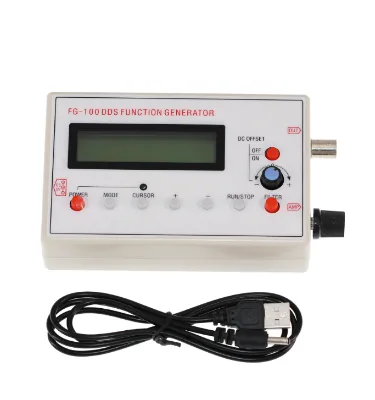
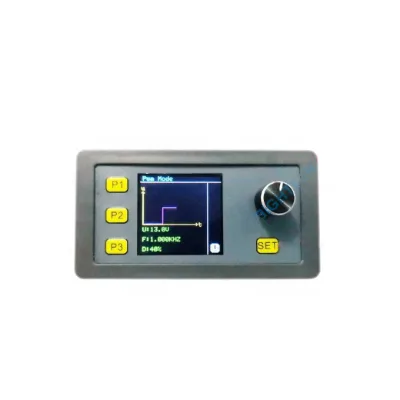
FG-100 Function Signals Generator Frequency Counter 1Hz - 500KHz Signals Source Module
$9.8559 - $10.6864
MOQ: 5 Minimum
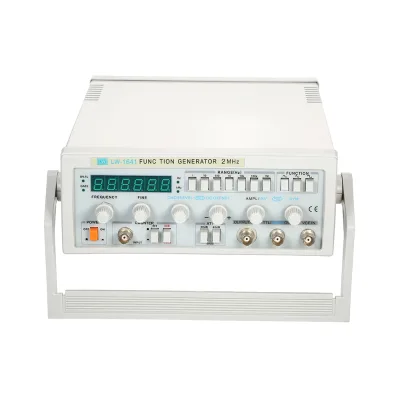
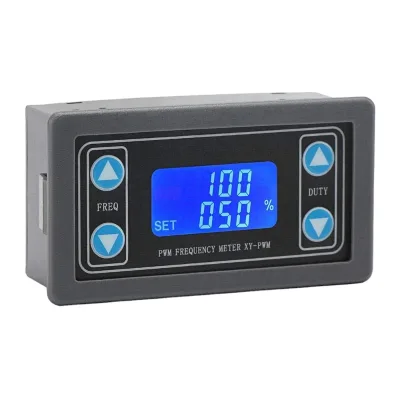
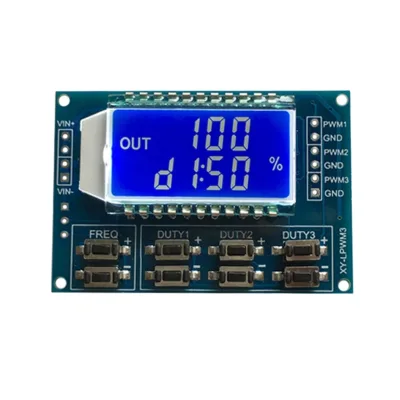


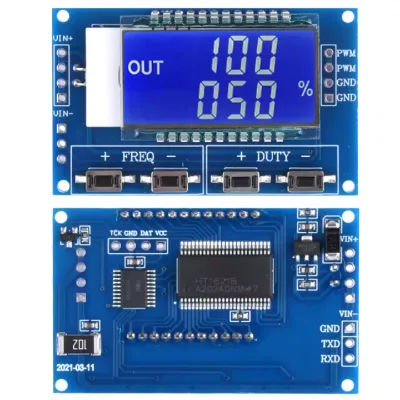



Comprehensive Sourcing Guide
Adjustable Frequency Signal Generator Sourcing Guide
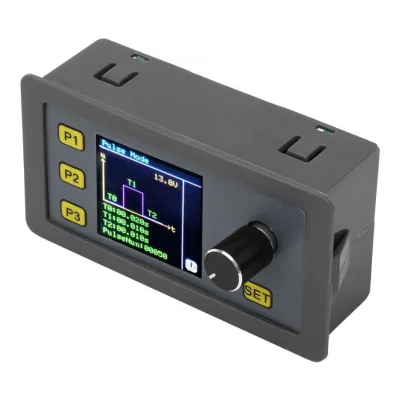
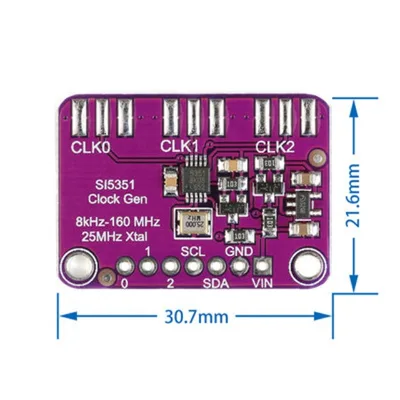
Procuring an Adjustable Frequency Signal Generator requires careful evaluation of module types and their specific operational parameters. Buyers often encounter listings for general-purpose modules, such as the FG-100 or DC 5-24V Dual Signal Generator, which serve as foundational components for broader electronic systems. These units are frequently described as having standard mounting types and are designed for integration into custom hardware rather than standalone benchtop use. Understanding the distinction between a complete instrument and a signal source module is critical for aligning procurement with engineering requirements.
The market offers various form factors, ranging from compact single-item packages to larger units with specific dimensional constraints. Observations indicate that some models are equipped with USB power cables and BNC clip cables, suggesting ease of integration for testing environments. Other listings highlight digital display generators or square pulse wave frequency meters, which may cater to different waveform generation needs. Buyers must verify whether the listed product is a standalone device or a component module to ensure compatibility with existing infrastructure and power supply standards.
Product Scope and Observed Listing Signals
Current market listings reveal a diverse range of signal generator products, primarily originating from Guangdong, China. The observed product count suggests a robust supply chain, with items ranging from basic modules to more complex frequency generators. Key identifiers include model numbers such as 1110210075511 and E25954-1, which help in tracking specific inventory batches. The presence of brands like "Original" and "LW" indicates a mix of generic and potentially branded components, requiring buyers to scrutinize authenticity claims carefully during the sourcing process.
Shipping and packaging details provide additional context for logistical planning. Most suppliers offer standard or safe packaging, with single package sizes varying from 10x7x3 cm to 30x20x20 cm depending on the unit. Weight observations range from 0.090 kg for smaller modules to 0.55 kg for heavier units, influencing freight cost calculations. Contact information via WhatsApp, Skype, and WeChat is commonly provided, facilitating direct communication for negotiation and technical clarification before finalizing purchase orders.
Technical Specifications to Verify
Frequency response and impedance are critical technical parameters that must be validated against application requirements. Some observed specifications indicate a frequency response of 10Hz to 1MHz with a tolerance of +/-0.5dB, which is suitable for general-purpose testing. Output impedance values, such as 600 ohms, must be matched to the load requirements of the receiving equipment. Buyers should also verify rise and fall times, with some units specifying 0.5 microseconds at maximum output, to ensure signal integrity for high-speed digital applications.
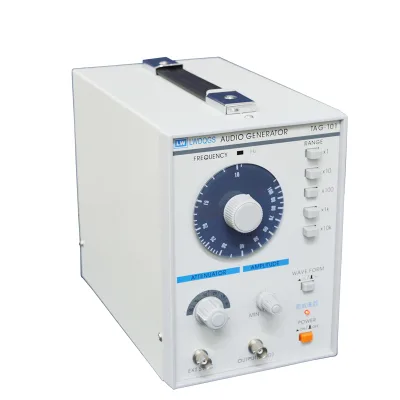
Physical dimensions and power requirements are equally important for system integration. Listings show size variations, including a 239x140x200 mm unit and smaller modules with specific single package dimensions. Power inputs may range from DC 5-24V, requiring verification of voltage stability and current draw. The inclusion of USB power cables in some packages suggests low-power operation, while other modules may require external power supplies. Confirming these electrical and physical attributes prevents integration failures and ensures the generator meets the precise operational envelope of the target system.
Compliance and Safety Documentation
Safety and regulatory compliance are essential for deploying signal generators in professional environments. Buyers must request documentation confirming that the modules meet relevant international safety standards, such as IEC 61010 for measurement, control, and laboratory equipment. Although specific certification statuses are not always listed in initial product descriptions, verifying compliance with electromagnetic compatibility (EMC) directives is crucial to prevent interference with other electronic devices. This is particularly important for units operating in sensitive laboratory or industrial settings.
Data security and operational safety protocols should also be reviewed, especially for generators with digital displays or USB connectivity. Ensuring that the firmware and hardware design adhere to modern safety guidelines protects against electrical hazards and data corruption. Buyers should inquire about the manufacturer’s quality management systems and whether the products have undergone rigorous testing for reliability. Requesting test reports or compliance certificates from the supplier adds a layer of assurance, confirming that the signal generator is safe for long-term use and meets industry best practices.
Cost Drivers and Commercial Terms
Pricing for adjustable frequency signal generators varies significantly based on complexity, brand, and included accessories. Observed unit prices range from $0.31 for basic components to $13,000 for high-end specialized units, reflecting the wide spectrum of available technologies. Minimum order quantities (MOQ) typically range from 1 to 10 pieces, offering flexibility for small-scale prototyping or larger production runs. Buyers should consider the total cost of ownership, including shipping, taxes, and potential customs duties, when evaluating the final landed cost of each unit.
Payment terms and lead times are key commercial factors that influence procurement strategy. Common payment methods include TT, PayPal, Alipay, and Western Union, providing options for different financial preferences. Lead times are often short, with some suppliers offering 1-3 days for dispatch, which is beneficial for urgent project needs. However, buyers should confirm these timelines during negotiation, as they can vary based on stock availability and shipping method. Understanding these commercial terms helps in budgeting accurately and planning project schedules effectively.
Supplier Qualification and Quality Control
Verifying supplier credibility is paramount when sourcing electronic components from international markets. Buyers should prioritize suppliers who provide clear contact information and responsive communication channels, such as WhatsApp or Skype, to facilitate quick resolution of queries. Checking for consistent product descriptions and professional packaging standards can indicate a reliable operation. It is advisable to request samples before placing bulk orders to assess build quality, signal accuracy, and overall performance against the stated specifications.
Quality control processes should be explicitly discussed with the supplier to ensure consistency across batches. Inquire about the supplier’s testing procedures for frequency accuracy, waveform purity, and durability. Suppliers claiming "Original 100%" condition should provide evidence of authenticity, such as manufacturer authorization or traceable serial numbers. Establishing a clear quality agreement that defines acceptable tolerances and return policies protects the buyer from receiving substandard components and ensures that the signal generators meet the required engineering standards.
Long-Term Procurement Checks
Establishing a long-term relationship with a reliable supplier involves regular performance reviews and continuous monitoring of product quality. Buyers should track key performance indicators such as delivery times, defect rates, and responsiveness to technical support. Maintaining open communication channels allows for timely updates on product improvements or changes in specifications. Regularly reviewing supplier performance helps in identifying potential risks and ensures that the supply chain remains robust and efficient over time.
Future-proofing procurement strategies requires staying informed about technological advancements in signal generation. As applications evolve, the demand for higher frequency ranges, greater precision, and additional features may increase. Buyers should periodically reassess their technical requirements and compare them with the latest offerings from their suppliers. Building a diversified supplier base can mitigate risks associated with single-source dependencies. By maintaining a proactive approach to supplier management, buyers can ensure a steady supply of high-quality adjustable frequency signal generators for their ongoing projects.
FAQs
What is the MOQ for Adjustable Frequency Signal Generator modules?
The minimum order quantity is 1 piece for standard items. Some listings specify a higher threshold of 5 pieces for specific models. Buyers should verify the exact requirement for their chosen model number before placing an order to ensure compliance with supplier policies.
How long is the lead time for these signal generators?
The typical lead time is 1 to 3 days for processing orders. This fast turnaround applies to available stock items. Buyers requiring custom configurations or larger volumes should confirm specific delivery schedules with the supplier to avoid production delays.
Which shipping methods are available for these modules?
Suppliers offer shipping via DHL, FedEx, UPS, and other courier services. Some vendors also utilize Yanwen, EMS, TNT, or Aramex for international delivery. Buyers can select the most suitable logistics partner based on their location and urgency requirements.
What payment methods are accepted for these products?
Accepted payment options include TT, PayPal, Alipay, Escrow, Western Union, and credit cards. These methods provide flexibility for international transactions. Buyers should confirm the preferred payment gateway with the supplier to ensure secure and smooth processing of their orders.
Where are these signal generators manufactured?
These products originate from Guangdong, China, or Mainland China. The manufacturing location ensures access to established electronic component supply chains. Buyers can rely on the consistent quality standards associated with this specific regional production base for their sourcing needs.
What is the frequency response range for these generators?
One observed specification indicates a frequency response of 10Hz to 1MHz with a tolerance of plus or minus 0.5dB. This range suits general purpose applications. Buyers requiring different frequency ranges should check the specific model number details for accurate performance data.