Source Power Tools Battery Protection Board for Drills, Saws, and Grinders
Explore 30 listings for Power Tools Battery Protection Board options from verified suppliers. Compare specifications like voltage, capacity, and cycle life to find the right solution for your power tool applications; compare the available evidence and request quotations based on your requirements.
Updated
Key considerations
Products List
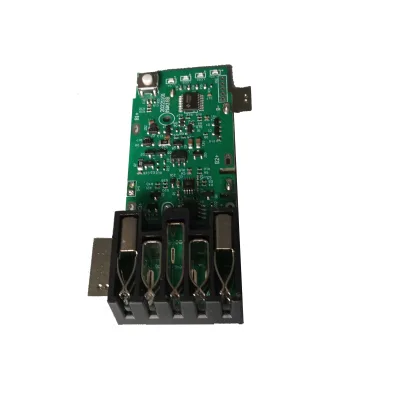
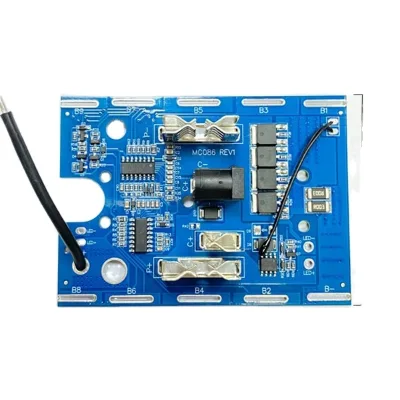
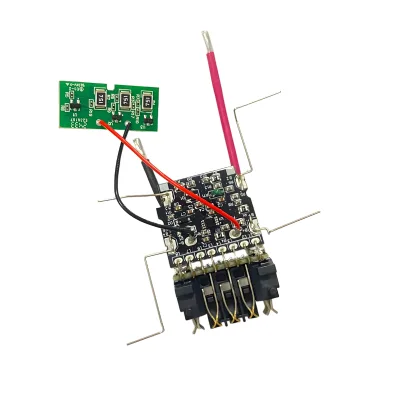
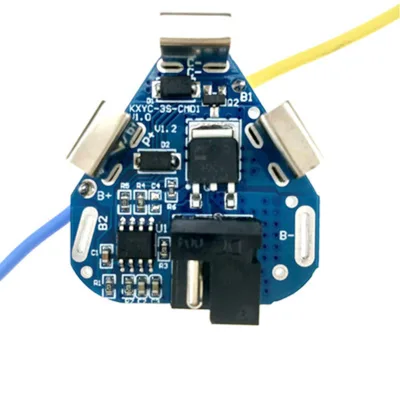


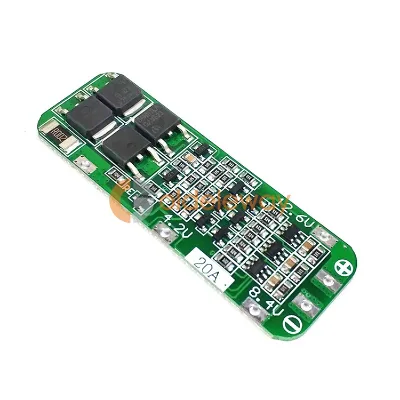
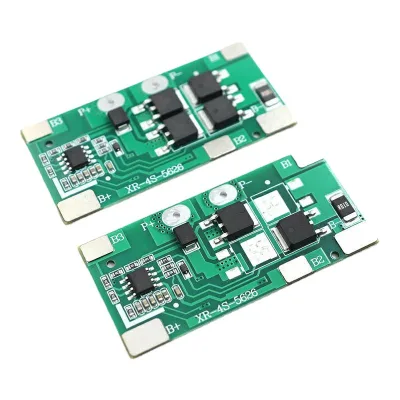
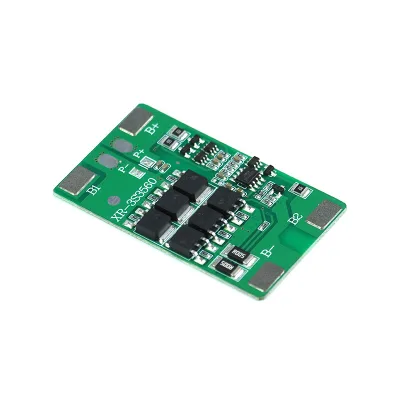
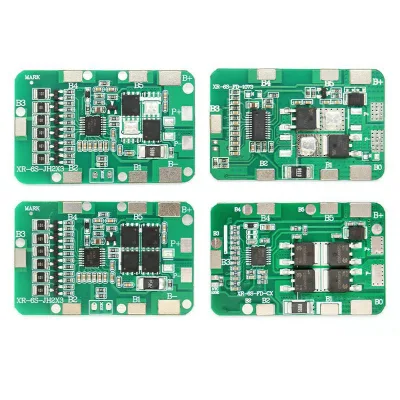
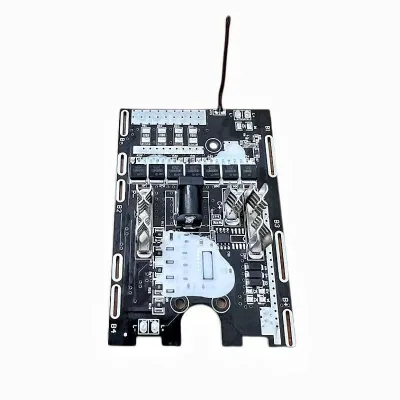
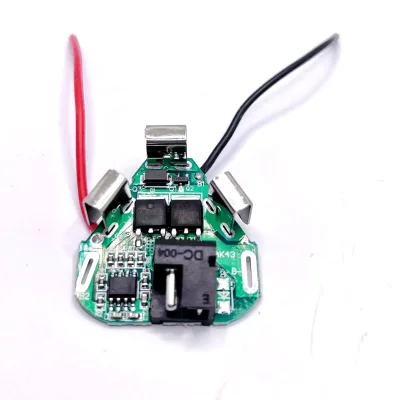
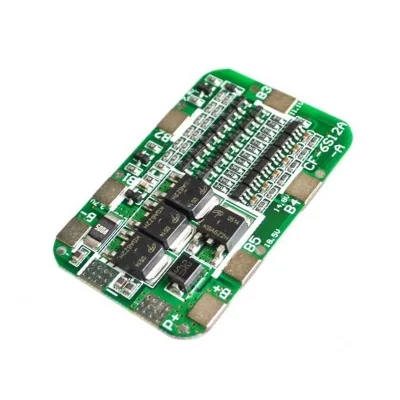
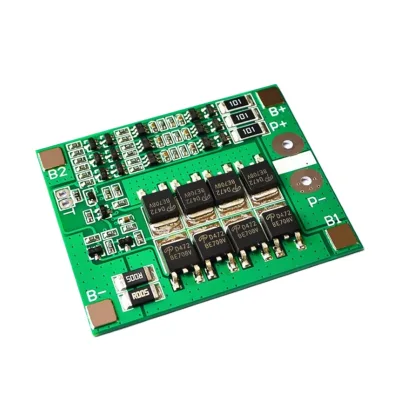
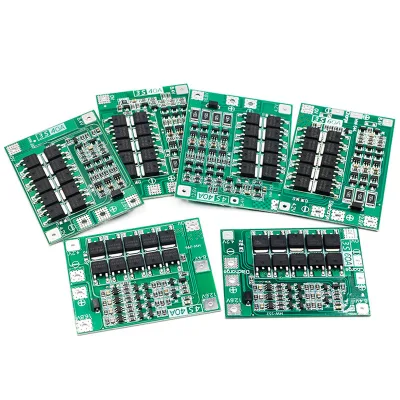
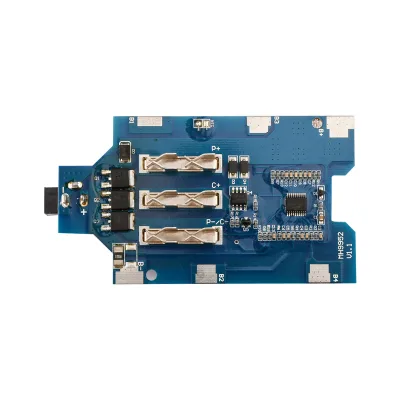
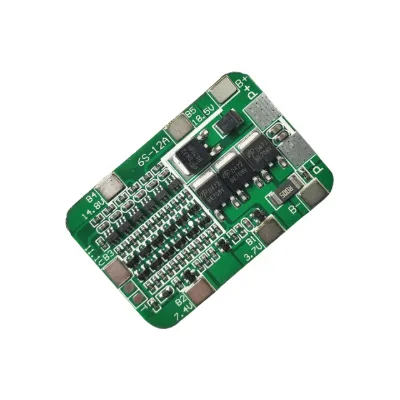


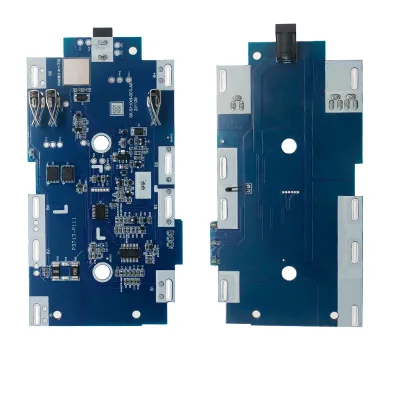
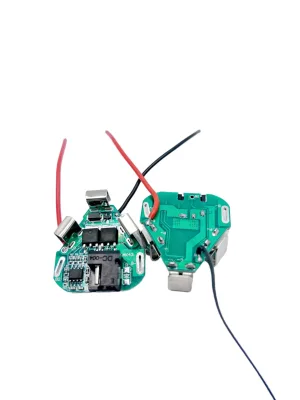
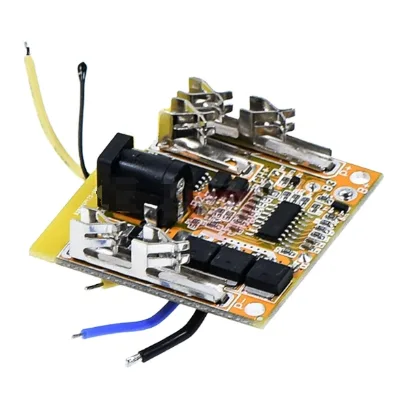
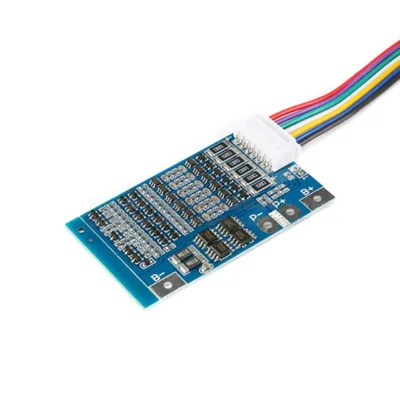
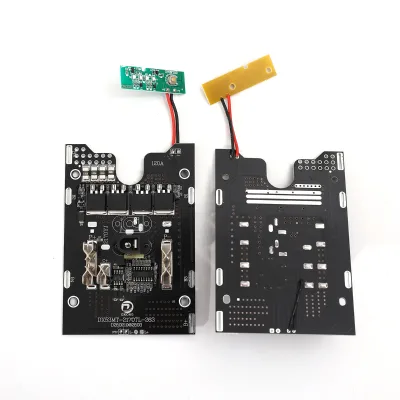
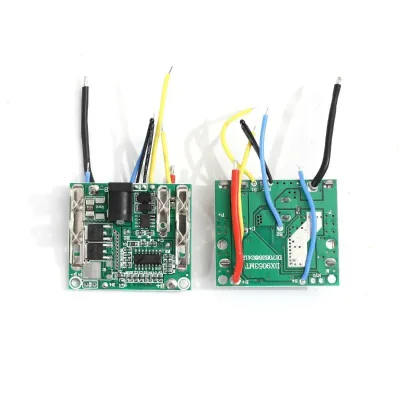
Comprehensive Sourcing Guide
Power Tools Battery Protection Board Sourcing Guide
Sourcing reliable protection boards for power tool batteries requires a disciplined approach to technical verification and supplier qualification. These components are critical for managing the safety and longevity of rechargeable lithium-ion systems used in high-drain applications. Buyers must distinguish between generic protection circuits and those specifically engineered for the dynamic load profiles of power tools. The market offers various configurations, from basic single-cell protection to complex multi-series boards capable of handling higher voltage stacks. Understanding the specific electrical requirements of your tool is the first step in selecting the correct board.
Procurement decisions should be driven by observed listing signals and verified technical data rather than marketing claims. Many suppliers list products with overlapping specifications, such as nominal voltages of 18V or capacities ranging from 3000mAh to 6000mAh, which can create confusion during selection. It is essential to cross-reference the model numbers, such as MIL18VPCB or 5 Series, with your battery pack’s physical and electrical constraints. Buyers should prioritize suppliers who provide clear documentation on board thickness, size dimensions, and material composition to ensure compatibility with existing battery enclosures and assembly processes.
Product Scope and Observed Listing Signals
The current market for power tool battery protection boards features a diverse range of products tailored to specific voltage and capacity requirements. Listings frequently highlight boards designed for 18V and 20V power tools, indicating a strong demand for standardized high-voltage protection solutions. These boards are typically constructed from ABS+PC fireproof materials, providing essential thermal and mechanical stability for battery packs subjected to rigorous use. The observed product names often include descriptors like "Lithium Battery Protection Board" or "Power Tool Safety Board," which help buyers identify the intended application domain quickly.
Observed listing signals also reveal variations in physical dimensions and packaging details that impact logistics and assembly. Common board sizes include 866110MM and smaller variants like 641.5CM, allowing for flexibility in battery pack design. Suppliers often specify single package sizes and gross weights, which are crucial for calculating shipping costs and warehouse storage requirements. Additionally, the presence of OEM/ODM acceptance suggests that many manufacturers are open to customizing board layouts or specifications to meet unique client needs, offering a pathway for differentiated product development.
Technical Specifications to Verify
Verifying technical specifications is paramount to ensuring the protection board functions correctly within the battery pack. Key parameters to confirm include the nominal voltage, which is often listed as 18V for specific models, and the cycle life, which should exceed 500 times for durable performance. Buyers must also check the board thickness and size dimensions to ensure they fit within the designated battery housing without compromising structural integrity. The material composition, typically ABS+PC, should be verified for fireproof properties to mitigate safety risks during overcharge or short-circuit events.
Further verification should focus on the electrical characteristics and mounting requirements of the board. The minimum line spacing and surface finishing details are critical for ensuring reliable electrical connections and preventing arcing. Buyers should also confirm the battery type compatibility, ensuring the board is designed for rechargeable Li-ion batteries as specified. Additionally, the supply ability, often cited as 1000 pieces per day, indicates the supplier’s capacity to meet bulk orders, while customization availability allows for tailored solutions that align with specific tool designs and performance expectations.
Compliance and Safety Documentation
Compliance with safety standards is non-negotiable for battery protection boards used in power tools. Buyers should request documentation confirming adherence to relevant international standards, such as IEC62133, which governs the safety of portable sealed secondary cells and batteries. While some listings may mention CE certification, it is essential to verify the authenticity and scope of these certifications through independent testing laboratories. This verification process helps ensure that the boards meet rigorous safety requirements for electrical shock, fire, and mechanical hazards.
Safety documentation should also include detailed test reports and performance data that validate the board’s protective functions. Buyers should inquire about the results of overcharge, over-discharge, and short-circuit tests to confirm the board’s reliability under fault conditions. Additionally, warranty terms, typically offered for 12 months, provide a layer of protection against premature failures. It is crucial to ensure that the supplier provides clear guidelines on proper usage and maintenance to maximize the lifespan and safety of the battery packs.
Cost Drivers and Commercial Terms
Cost drivers for power tool battery protection boards include material quality, board complexity, and order volume. The use of fireproof materials and precise manufacturing processes contributes to the base cost, while additional features like advanced protection circuits can increase prices. Buyers should analyze the observed price range, which spans from $0.1 to $30, to understand the cost implications of different specifications and quality levels. Minimum order quantities (MOQ) typically range from 1 to 200 pieces, offering flexibility for both prototyping and large-scale production.
Commercial terms such as payment methods and shipping logistics also impact the total cost of ownership. Suppliers often accept various payment options, including TT, PayPal, Western Union, and Trade Assurance, providing security and convenience for international transactions. Packaging details, such as ESD, vacuum, foam, and carton packaging, are essential for protecting the boards during transit and should be considered in the cost analysis. Buyers should also evaluate the port of dispatch, often ShenZhen, to assess shipping times and potential customs duties that may affect the final landed cost.
Supplier Qualification and Quality Control
Supplier qualification is a critical step in ensuring the reliability and consistency of power tool battery protection boards. Buyers should assess the supplier’s production capabilities, including their supply ability and customization options, to determine if they can meet specific project requirements. Verifying the supplier’s location, such as Guangdong, China, can provide insights into their manufacturing ecosystem and logistical advantages. Additionally, checking for OEM/ODM acceptance indicates the supplier’s flexibility and willingness to collaborate on custom designs.
Quality control measures should be rigorously evaluated to minimize the risk of defects and failures. Buyers should inquire about the supplier’s quality assurance processes, including incoming material inspections, in-process testing, and final product verification. Requesting samples for thorough testing is essential to validate the board’s performance and compatibility with your battery pack. Furthermore, establishing clear communication channels and contractual agreements regarding warranty and return policies can help mitigate risks associated with supply chain disruptions or product defects.
Long-Term Procurement Checks
Long-term procurement checks involve continuous monitoring of supplier performance and product quality to ensure sustained reliability. Buyers should establish key performance indicators (KPIs) such as defect rates, delivery times, and responsiveness to issues to evaluate supplier effectiveness over time. Regular audits and feedback loops can help identify areas for improvement and foster a collaborative relationship with the supplier. Additionally, staying informed about industry trends and technological advancements can help buyers anticipate future needs and adapt their procurement strategies accordingly.
It is also important to maintain a diversified supplier base to mitigate risks associated with single-source dependencies. Engaging with multiple suppliers can provide competitive pricing options and ensure continuity of supply in case of disruptions. Buyers should regularly review and update their technical specifications and compliance requirements to align with evolving industry standards and customer expectations. By maintaining a proactive approach to supplier management and quality control, buyers can secure a reliable supply of high-quality power tool battery protection boards.
FAQs
What is the nominal voltage for this Power Tools Battery Protection Board?
The nominal voltage is 18V. This specification supports standard power tool battery packs. The board is designed for rechargeable Li-ion batteries. It features a cycle life of over 500 times. The product name indicates it is a PCB for power tool batteries. It is available in black color with ABS+PC fireproof material.
Can I customize the Power Tools Battery Protection Board for my brand?
Yes, OEM and ODM customization is warmly welcomed. Buyers can request specific modifications to meet their brand requirements. The supplier offers flexible production options for tailored solutions. This service allows for unique branding and functional adjustments. It ensures the final product aligns with specific market needs. Contact the supplier directly to discuss your custom design details.
What is the minimum order quantity for the Power Tools Battery Protection Board?
The minimum order quantity is 1 piece. This low MOQ allows for easy sample testing and small batch orders. It reduces the initial investment risk for new buyers. You can order single items for evaluation purposes. The selling unit is listed as a single item. This flexibility supports both prototyping and initial production runs effectively.
Where is the Power Tools Battery Protection Board manufactured?
The product originates from Guangdong, China. The place of origin is clearly stated as China. The port of dispatch is Shenzhen, facilitating export logistics. This location is a major hub for electronics manufacturing. Buyers can expect efficient shipping routes from this region. The manufacturing base supports the production of various battery protection boards.
What warranty is provided for the Power Tools Battery Protection Board?
A 12-month warranty is provided for this product. This coverage ensures protection against manufacturing defects for one year. Buyers can rely on this warranty for peace of mind. The warranty applies to the lithium battery protection board. It covers standard operational issues within the specified period. This support helps maintain trust in the product's reliability and quality.
What payment methods are accepted for the Power Tools Battery Protection Board?
Accepted payment methods include TT, PayPal, Western Union, and Trade Assurance. These options provide flexibility for international and domestic transactions. Trade Assurance offers additional security for buyer funds. TT is suitable for larger orders with bank transfers. PayPal and Western Union support smaller or urgent payments. Choose the method that best fits your financial workflow.