Source Blueberry Handmade Glycerin Soap for Body, Face, and Skin Care
Explore 30 listings of Blueberry Handmade Glycerin Soap from verified suppliers. Compare specifications, prices, and OEM services for body and face cleansing needs. These products feature natural ingredients, basic cleaning functions, and whitening benefits suitable for all skin types. Buyers can review model numbers, shelf life, and packaging details to find the best match for their business requirements.
Updated
Key considerations
Products List


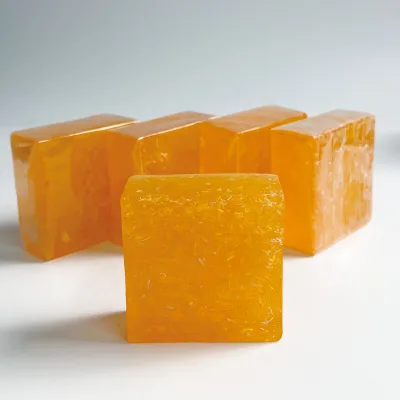
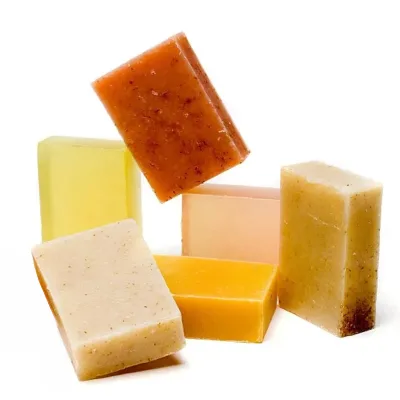
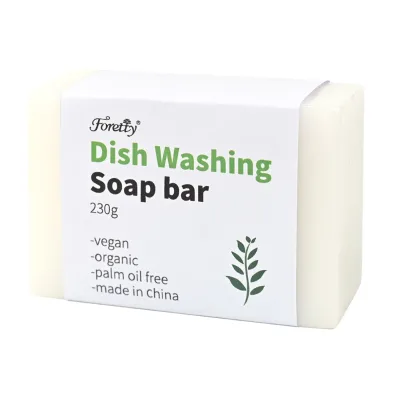
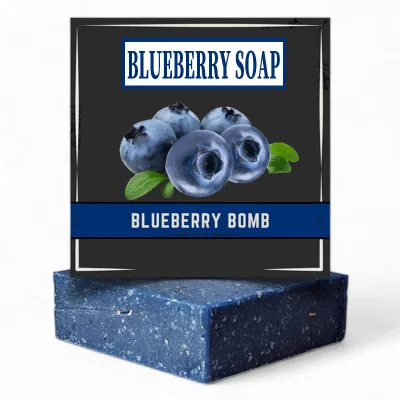
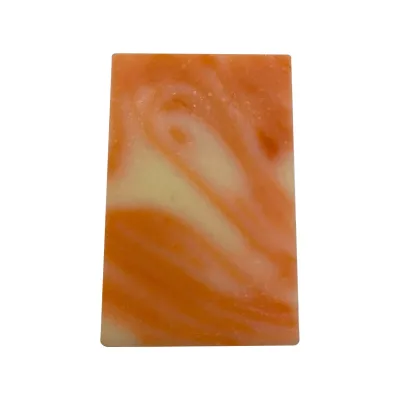
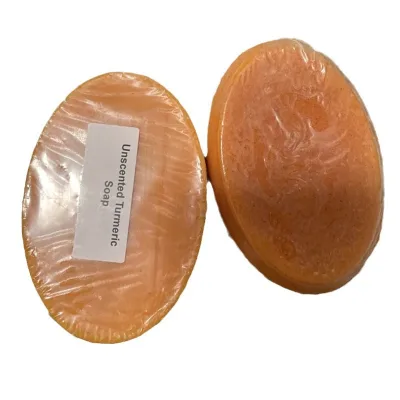
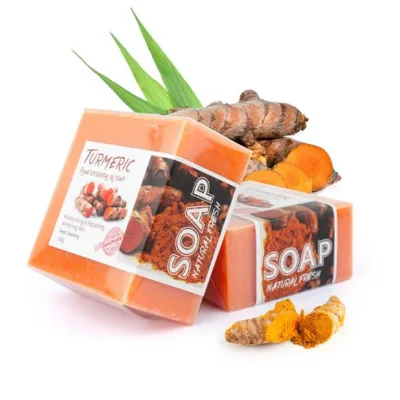


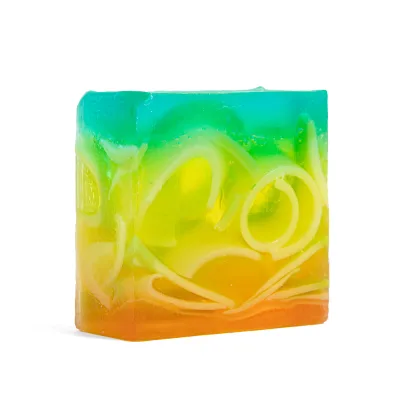
Custom Rainbow Color Handmade Glycerin Bar Soap with Paraben and Cruelty Free
$0.5636 - $0.6656
MOQ: 200 pieces
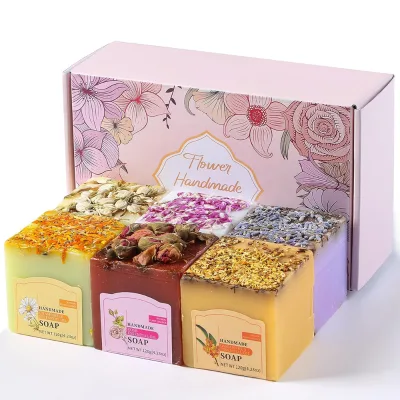
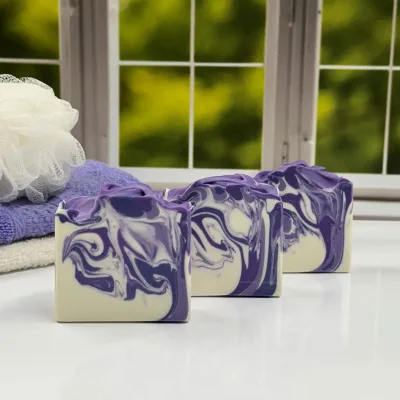

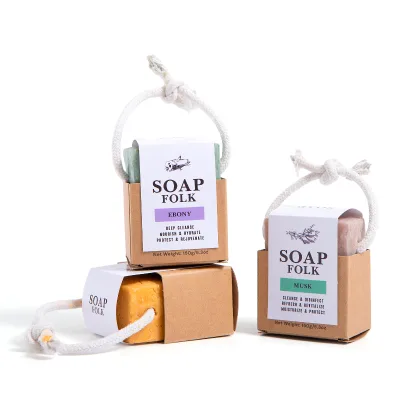
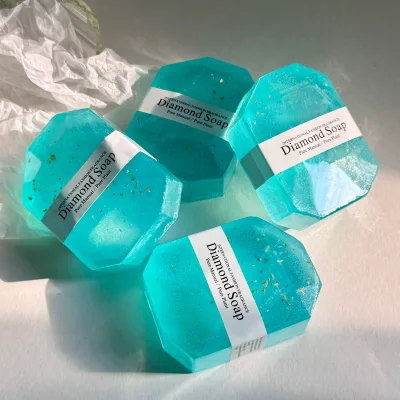


Skin Care 100% Brightening Moisturizing Handmade Whitening Soap for Bath
$1.30 - $1.38
MOQ: 1000 Pieces


Comprehensive Sourcing Guide
Blueberry Handmade Glycerin Soap Sourcing Guide
Sourcing Blueberry Handmade Glycerin Soap requires a clear understanding of the product’s dual nature as both a cosmetic item and a specialized cleaning agent. Buyers must navigate the intersection of aesthetic appeal, derived from natural ingredients like essential oils and herbal extracts, and functional efficacy, which includes basic cleaning and whitening properties. The market offers variations ranging from standard toilet soaps to specialized skin care products, often marketed with keywords such as "skin bleaching" or "face whitening." Procurement teams need to distinguish between generic formulations and those emphasizing natural, biodegradable components, ensuring the selected product aligns with specific brand positioning and consumer expectations for transparency and ingredient integrity.
The procurement landscape for this category is characterized by significant variability in supplier capabilities and product specifications. While some listings highlight extensive manufacturing experience, others focus on private label services, indicating a flexible supply chain capable of custom formulations. Buyers should recognize that attributes such as "handmade" and "glycerin-based" are observational facts that may not uniformly apply across all suppliers. It is crucial to verify whether the soap is intended for body or face use, as this impacts the required mildness and ingredient purity. Understanding these distinctions helps in filtering suppliers who can meet specific quality benchmarks rather than relying on broad marketing claims that may not reflect the actual product composition.
Product Scope and Observed Listing Signals
The observed product scope reveals a diverse array of offerings centered around blueberry and glycerin formulations, with prices ranging from $0.03 to $2.99 USD. This wide price band suggests significant differences in ingredient quality, packaging, and brand positioning, requiring buyers to scrutinize cost structures carefully. Minimum order quantities (MOQs) vary from 10 to 10,000 units, catering to both small-scale boutique brands and large-volume distributors. The presence of OEM and ODM services indicates that many suppliers are equipped to handle custom branding, allowing buyers to develop unique product identities without maintaining in-house manufacturing capabilities. This flexibility is a key advantage for companies looking to enter the natural skincare market with tailored offerings.
Listing signals also highlight specific product attributes that influence purchasing decisions, such as shelf life, weight, and packaging dimensions. Most products boast a three-year shelf life, providing ample time for distribution and retail placement, while single gross weights typically range from 0.100 kg to 0.120 kg. Packaging sizes are generally compact, with dimensions around 6x8x3 cm or 8x6x3 cm, optimizing logistics and storage efficiency. However, buyers must be cautious of inconsistent data, such as unspecified package sizes or varying model numbers like QJAMAL-093 and KD, which may indicate different product lines or batch variations. Verifying these details directly with suppliers is essential to ensure consistency and avoid supply chain disruptions due to mismatched specifications.
Technical Specifications to Verify
Technical verification begins with confirming the core ingredients and their proportions, as products list components ranging from herbal extracts and glycerin fatty acids to essential oils and blueberry extracts. Buyers should request detailed ingredient lists to ensure the presence of claimed natural components and to identify any potential allergens or irritants, especially since the product is marketed for all skin types, including normal skin. The form is consistently solid, but the transparency varies, with some products explicitly noted as non-transparent. Understanding the base formulation is critical, as glycerin-based soaps often offer superior moisturizing properties compared to traditional toilet soaps, impacting the product’s value proposition and consumer satisfaction.
Packaging and physical specifications also require rigorous verification to ensure compatibility with logistics and retail requirements. Single package sizes and gross weights must be confirmed to calculate accurate freight costs and storage needs, as discrepancies in these metrics can lead to unexpected expenses. Model numbers such as HXN-87734 or KD should be cross-referenced with physical samples to ensure the delivered product matches the ordered specification. Additionally, buyers should verify the fragrance profile, as products are described with scents like blueberry or natural fragrances, which significantly influence consumer appeal. Ensuring that the fragrance is derived from essential oils rather than synthetic additives can be a key differentiator for brands targeting eco-conscious consumers.
Compliance and Safety Documentation
Compliance with international cosmetic regulations is paramount when importing Blueberry Handmade Glycerin Soap, particularly given its classification as a skin care product and toilet soap. Buyers must ensure that suppliers provide necessary documentation, such as Safety Data Sheets (SDS) and ingredient declarations, to facilitate customs clearance and regulatory approval in destination markets. Although specific certification statuses are not provided in the observed data, buyers should proactively request evidence of compliance with relevant standards, such as ISO 22716 for Good Manufacturing Practices (GMP) in cosmetics. This documentation is essential for verifying that the manufacturing process adheres to hygiene and quality control standards, reducing the risk of product recalls or legal issues.
Safety testing is another critical area that requires attention, especially for products marketed with claims like "skin whitening" or "bleaching." Buyers should verify that the product has undergone appropriate dermatological testing to ensure it is safe for all skin types, including sensitive skin. Requesting test reports for heavy metals, microbial contamination, and pH levels can provide assurance of product safety and efficacy. Additionally, buyers should confirm that the product’s labeling complies with local regulations regarding ingredient listing, net content, and shelf life, which is typically stated as three years. Proper labeling not only ensures legal compliance but also builds consumer trust by providing transparent information about the product’s composition and usage instructions.
Cost Drivers and Commercial Terms
Cost drivers for Blueberry Handmade Glycerin Soap include raw material quality, manufacturing complexity, and packaging design. Products featuring natural ingredients like essential oils and herbal extracts may command higher prices due to the cost of sourcing these components. The "handmade" aspect can also influence pricing, as it often implies a more labor-intensive production process compared to mass-produced industrial soaps. Buyers should analyze the price range of $0.03 to $2.99 USD in the context of these factors, recognizing that lower prices may correlate with simpler formulations or bulk packaging, while higher prices may reflect premium ingredients and enhanced branding. Understanding these drivers helps in negotiating favorable terms and selecting suppliers that offer the best value for money.
Commercial terms, including MOQs and payment conditions, vary significantly among suppliers, with MOQs ranging from 10 to 10,000 units. This flexibility allows buyers to start with smaller orders to test the market before committing to larger volumes, reducing initial investment risks. However, buyers should also consider the implications of sample offerings, which can provide an opportunity to evaluate product quality before placing a bulk order. Payment terms and lead times should be clearly defined in contracts to avoid delays and ensure timely delivery. Additionally, buyers should inquire about the availability of OEM and ODM services, as these can add value by enabling custom branding and formulation adjustments, potentially differentiating the product in a competitive market.
Supplier Qualification and Quality Control
Supplier qualification involves assessing the manufacturer’s experience, production capacity, and quality control systems. Many suppliers highlight advantages such as 20 years of experience, which can be a strong indicator of reliability and expertise in the field. Buyers should verify this claim by requesting references or case studies from previous clients, particularly those in similar markets or with comparable product requirements. Additionally, evaluating the supplier’s facility and production processes can provide insights into their ability to maintain consistent quality and meet volume demands. Suppliers offering OEM and ODM services should also be assessed for their flexibility and responsiveness to custom requests, as these capabilities are crucial for developing unique product offerings.
Quality control measures are essential to ensure that the final product meets specified standards and customer expectations. Buyers should inquire about the supplier’s quality assurance protocols, including raw material inspection, in-process checks, and final product testing. Requesting samples for independent testing can help verify claims regarding ingredient composition, fragrance, and performance. Additionally, buyers should establish clear quality benchmarks and communication channels with suppliers to address any issues promptly. Regular audits or third-party inspections may be necessary for large-volume orders to ensure ongoing compliance with quality standards. Building a strong relationship with suppliers based on transparency and mutual trust can lead to long-term partnerships and improved product quality.
Long-Term Procurement Checks
Long-term procurement success depends on continuous monitoring of supplier performance and market trends. Buyers should establish key performance indicators (KPIs) to track metrics such as on-time delivery, product quality, and responsiveness to issues. Regular reviews of these metrics can help identify potential problems early and facilitate corrective actions. Additionally, staying informed about changes in regulatory requirements and consumer preferences is crucial for adapting procurement strategies. For instance, increasing demand for natural and biodegradable products may necessitate sourcing suppliers who prioritize eco-friendly ingredients and sustainable packaging. Proactive engagement with suppliers can help secure favorable terms and ensure a steady supply of high-quality products.
Building a diversified supplier base can mitigate risks associated with single-source dependencies and supply chain disruptions. Buyers should consider engaging with multiple suppliers to compare offerings, pricing, and service levels, ensuring they have alternatives in case of unforeseen issues. Regular communication and collaboration with suppliers can also foster innovation and improvement, as suppliers may introduce new formulations or packaging options based on market feedback. Additionally, buyers should invest in relationship management to strengthen partnerships and encourage suppliers to prioritize their orders. By maintaining a strategic approach to procurement, buyers can ensure a stable supply of Blueberry Handmade Glycerin Soap that meets their business objectives and customer expectations.
FAQs
What are the main ingredients in this Blueberry Handmade Glycerin Soap?
The soap is formulated with herbal extracts, glycerin fatty acid, and water. It also contains essential oils and blueberry components to provide natural cleansing. This combination ensures the product remains biodegradable while offering basic cleaning and whitening benefits for all skin types.
Can this soap be customized with private labeling services?
Yes, the supplier offers comprehensive OEM and ODM services including private labeling. Buyers can request custom formulations or branding for the Blueberry Handmade Glycerin Soap. This flexibility supports businesses looking to create unique products while leveraging the manufacturer's twenty years of industry experience.
What is the shelf life of the blueberry handmade soap?
The product has a shelf life of three years when stored properly. This duration applies to the solid form of the glycerin soap. Buyers should ensure the packaging remains intact to maintain the integrity of the herbal and essential oil ingredients during this period.
Which skin types is this blueberry soap suitable for?
This soap is designed for all skin types, including normal skin. Its gentle formulation with glycerin and herbal ingredients makes it safe for daily use on both the face and body. The basic cleaning features help maintain skin health without causing irritation for most users.
What is the minimum order quantity for this product?
The minimum order quantity ranges from 10 to 10,000 units depending on the specific configuration. Buyers can request samples to evaluate the product before placing larger orders. This flexible MOQ structure accommodates both small trial purchases and large-scale commercial distribution requirements effectively.
Where is this blueberry handmade soap manufactured?
The soap is manufactured in Guangdong, China. This location allows the supplier to leverage local supply chains for herbal and glycerin ingredients. Buyers can utilize the provided OEM services to customize the product while benefiting from the established manufacturing infrastructure in this region.