Moisturizing Exfoliating Bar Soap Suppliers and Manufacturers
Source 23 verified suppliers for Moisturizing Exfoliating Bar Soap. Compare dimensions like OEM/ODM capabilities, ISO 9001 certification, and response times. Filter by location and MOQ to find the right partner; review the available evidence before requesting comparable quotations from suitable candidates.
Updated
Suppliers List

Yangzhou Nano Aviation Technology Co., Ltd.
- Verified by SGS
- Combined
- China Jiangsu
- Lead time15 days
- Avg. response≤ 3h
Main marketsSoutheast Asia/ Mideast,Domestic

Cruelty Free Natural Bath Bar Transparent Soap Moisturizing Cleansing Soap
$0.06 - $0.20
MOQ: 50000 Pieces


- Trading Company,Manufacturer/Factory
- China Hebei
- Lead time15 days
- Avg. response≤ 3h
Main productsLaundry Detergent, Washing Powder, Liquid Soap
Main marketsSouth America,Eastern Europe,Mid East,North America,Southeast Asia,Eastern Asia,Oceania,Western Europe,Africa
Guangzhou BiRou Biotechnology Co., Ltd.
- Manufacturer, Trading Company
- Guangdong, China
- Lead time20 days
- Avg. response≤ 16h
Main productsshampoo,Shower Gel,Hair mask,pomade,Facial Cleanser
Main marketsNorth America(30.00%), South America(20.00%), Western Europe(15.00%), Eastern Europe(15.00%), Africa(10.00%), Mid East(10.00%)

Hangzhou Miuge Chemical Commodities Science & Technology Co., Ltd.
- Verified by SGS
- Combined
- China Zhejiang
- Lead time30 days
- Avg. response≤ 24h
Main productsWashing Powder, Dishwasher Tablet/Powder, Washing Capsule, Liquid Detergent, Kitchen Cleaner, Dishwashing Liquid, Toilet Cleaner, Handwashing Liquid, Soap
Main marketsSouth America,Africa,East Asia(Japan/ South Korea),Domestic,Australia,North America

Yangzhou Tracey Daily Chemical Plastic Co., Ltd.
- Verified by BV
- Trading Company
- China Jiangsu
- Lead time30 days
- Avg. response≤ 5h
Main productsToothpaste, Soap Bar, Toothbrush, Bamboo Toothbrush, Hotel Amenities, Hotel Slipper, Jail Prison Supply, Personal Care Hygiene Produts, Toliet Bathroom Supply
Main marketsSouth America,Africa,Southeast Asia/ Mideast,East Asia(Japan/ South Korea),Domestic,Europe,Australia,North America


Hot Sale Customized Triple Vegetable Milk Skin Moisturizing Natural Bath Bar Soap
$0.10 - $0.20
MOQ: 10000 Pieces

Hebei Machinery & Equipment Import & Export Co., Ltd.
- Verified by SGS
- Trading Company,Manufacturer/Factory
- China Hebei
- Lead time60 days
- Avg. response≤ 9h
Main productsIron Castings /Stainless Steel Castings, Industrial Spare Parts OEM Machining/Fabrication, Wire Mesh and Filters, Transmission Parts (Gears Pulleys Shafts etc), Ironing Board Cover, PEVA Table Cloth, Cast Iron Oven Pot, Electrical Hardware Materials Clamp/Box/Coupling, Bath Towl, Pet Products (Pet Pad Pet Mats etc)
Main marketsSouth America,Eastern Europe,Mid East,North America,Southeast Asia,Eastern Asia,Oceania,Western Europe,Africa
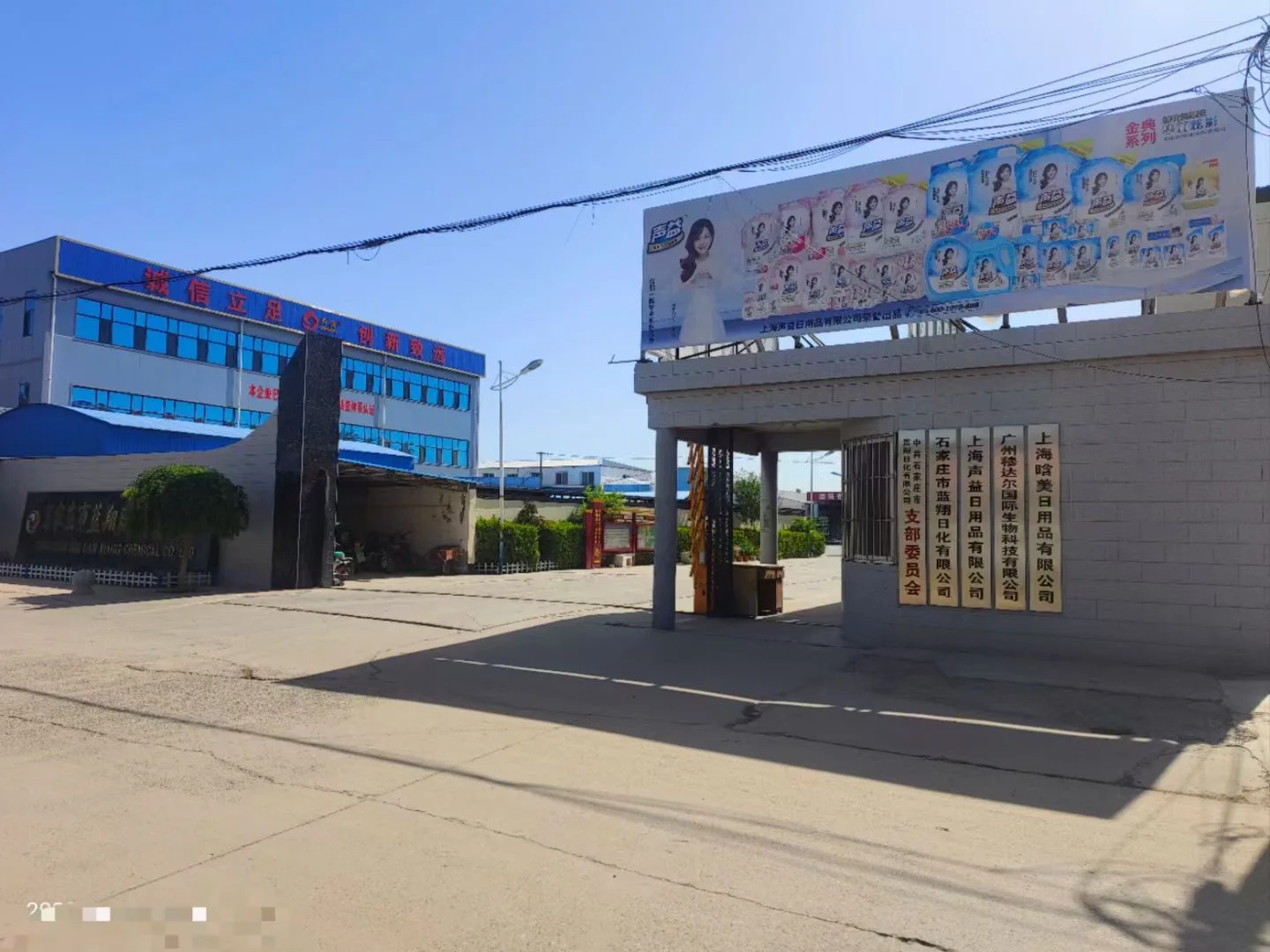
Shijiazhuang Lanxiang Daily Chemical Co., Ltd.
- Manufacturer, Trading Company
- Hebei, China
- Lead time15 days
- Avg. response≤ 1h
Main productsdetergent powder,detergent liquid,dishwashing liquid,laundry soap,dishwashing soap
Main marketsAfrica(25.00%), Southeast Asia(25.00%), Mid East(25.00%), South America(15.00%), Domestic Market(10.00%)
Enrich Enterprises (Xiamen) Limited
- Verified by Intertek
- Trading Company
- Lead time40 days
- Avg. response≤ 8h
Main productsBath Gift Set, Bath And Body Care Product, Home Fragrance Product, Bath Bomb, Bath Gift Packaging
Main marketsNorth America(75%), Oceania(18%), Eastern Europe(2%)
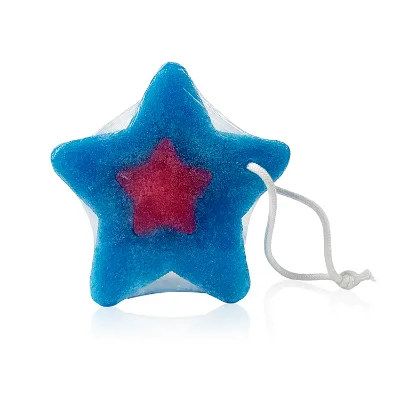
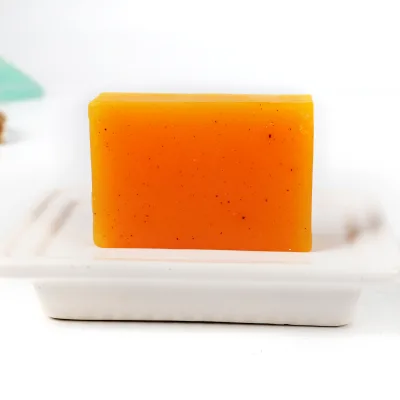
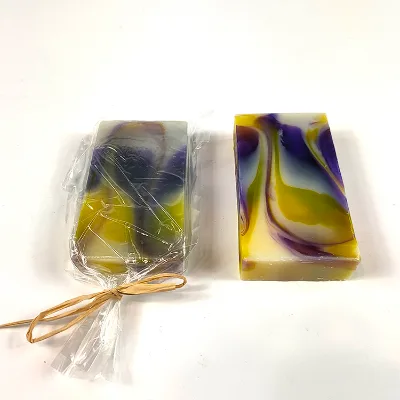
New Custom Star Exfoliating Soap Sponge Rich Bubble Bar Soap for Body Moisturising
$0.79 - $0.95
MOQ: 2000
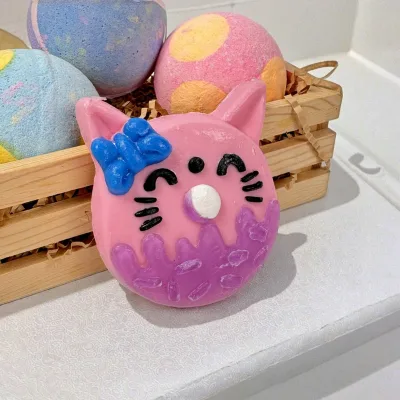
Huizhou Boymay Cosmetics Co., Ltd.
- Trading Company
- Lead time旺季: "1 - 5000":21,"5001 - 10000":32,"> 10000":"To be negotiated", 淡季: "1 - 5000":21,"5001 - 10000":32,"> 10000":"To be negotiated"
- Avg. response≤ 2h
Main productsBath Bomb, Shower Steamer, Soap, Hair Treatment, Body Care
$0.50 - $0.80
MOQ: 1000 sets
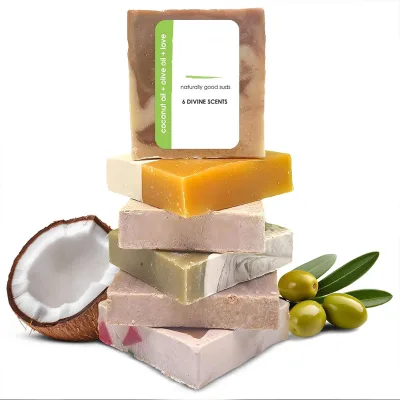
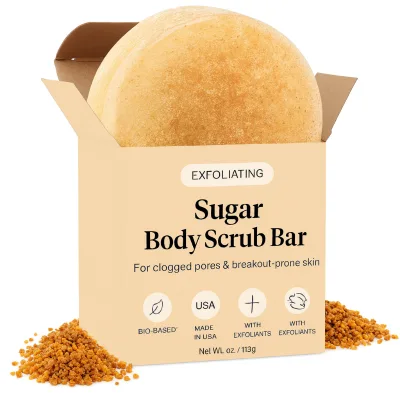
$0.35 - $0.65
MOQ: 500 pieces
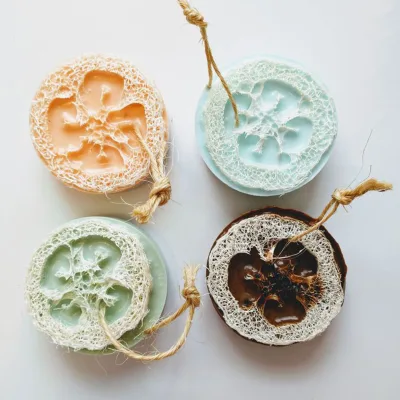
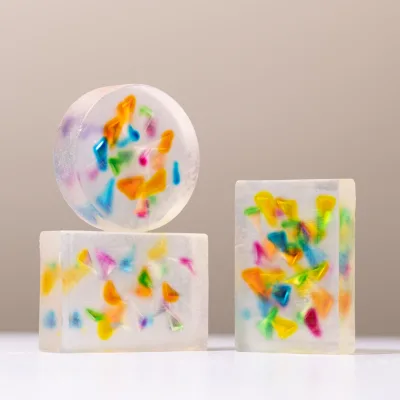
Factory OEM Custom Natural Whitening Exfoliating and Moisturizing Handmade Soaps for Face and Body
$0.45 - $0.69
MOQ: 500 pieces
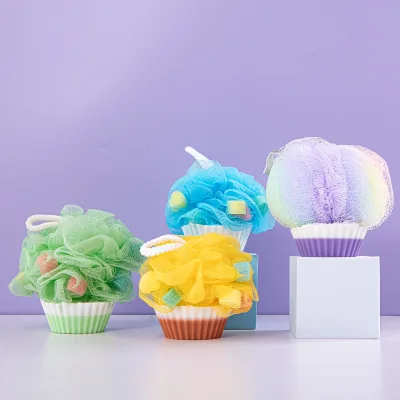
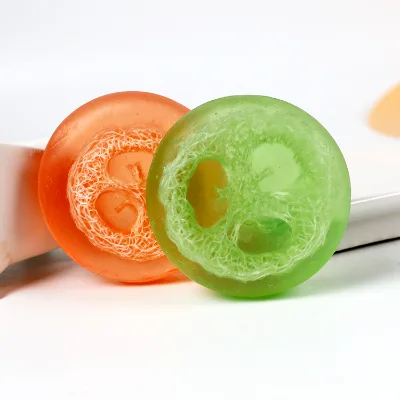
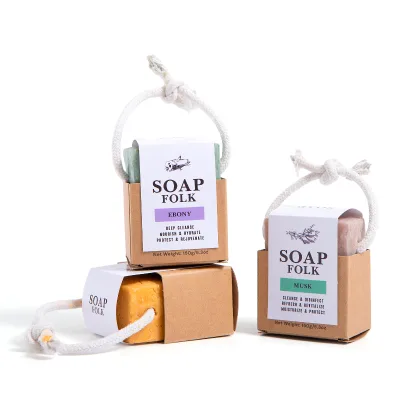
OEM LOGO New All Natural Handmade Soap Bar With Bath Sponge Shower Loofah
$0.60 - $0.70
MOQ: 1000 pieces
Dongguan ELU Daily Necessities Co., Ltd.
- Manufacturer
- Guangdong, China
- Lead time0 days
- Avg. response≤ 12h
Main productsSoap
Main marketsNorth America(50.00%), South America(10.00%), Eastern Europe(10.00%), Mid East(10.00%), Western Europe(10.00%), Southern Europe(10.00%)
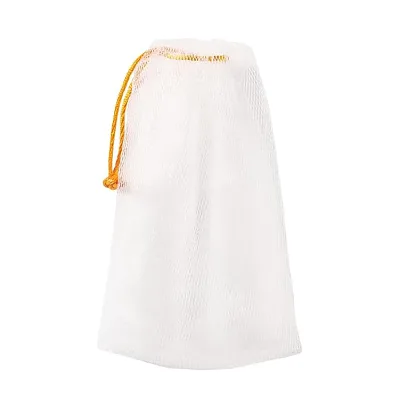
Rice Body Bar Soap, Deep Cleans + Exfoliates, for All Skin Types and Hair Cleansing
$0.10 - $0.75
MOQ: 500 units
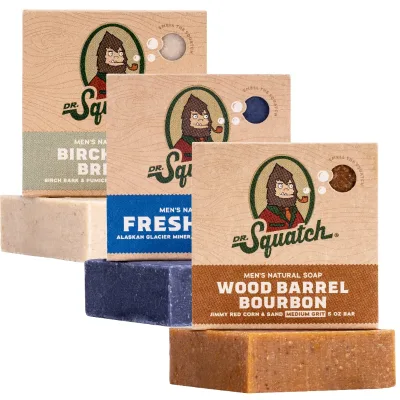
$0.2052 - $1.8395
MOQ: 500 units
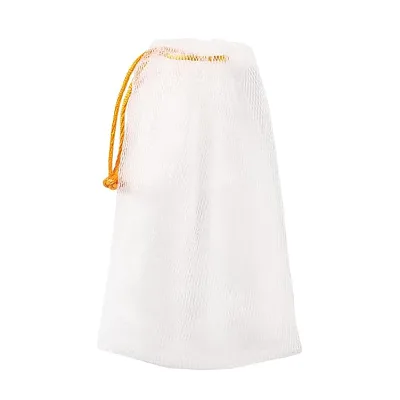
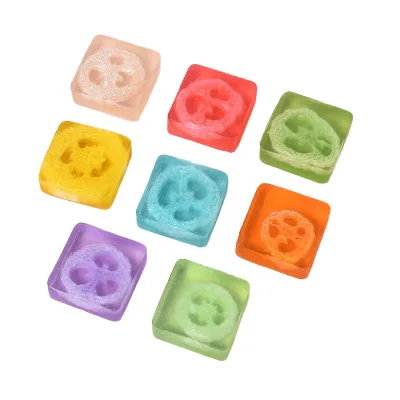
Guangzhou Fantesy Biotechnology Co., Ltd.
- Manufacturer, Trading Company
- Lead time旺季: "1 - 1000":31,"> 1000":"To be negotiated", 淡季: "1 - 1000":31,"> 1000":"To be negotiated"
- Avg. response≤ 3h
Main productsSoap, Serum, Body Care Product, Hair Care Product, Bath Product
Shiyan Commodity (Huizhou) Co., Ltd.
- Verified by SGS Group
- Manufacturer, Trading Company
- Lead time0 days
- Avg. response≤ 2h
Main productsSoap, Shower Steamers, Bath Bombs, Bath Salt, Shampoo Bar
Main marketsNorth America(59%), Western Europe(15%), Domestic Market(8%)
Hebei Jiebang Daily Chemical Co., Ltd.
- Trading Company
- Hebei, China
- Lead time15 days
- Avg. response≤ 10h
Main productssoap,detergent powder,Laundry detergent,Kitchen Cleaning Products,Bathroom cleaner
Main marketsSouth Asia(10.00%), Africa(10.00%), Northern Europe(10.00%), Southeast Asia(10.00%), Eastern Asia(10.00%), South America(10.00%), North America(10.00%), Southern Europe(5.00%), Mid East(5.00%), Oceania(5.00%), Central America(5.00%), Western Europe(5.00%), Eastern Europe(5.00%)
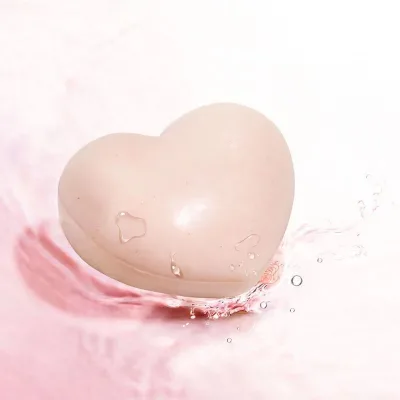
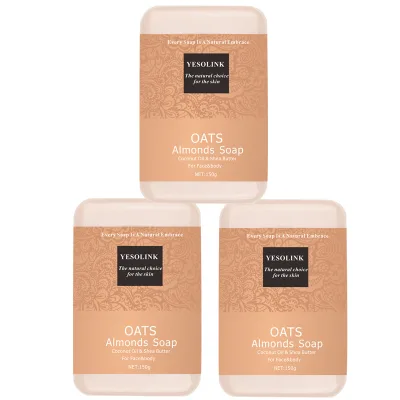
$0.0769 - $0.0824
MOQ: 1000 pieces
Tianjin Hedong District Chenyongchen E-Commerce Studio
- Trading Company
- Tianjin, China
- Lead time7 days
- Avg. response≤ 2h
Main productsSkin cleansing soap,Hair Soap,Pet Soap
Main marketsNorth America(30.00%), South America(20.00%), Northern Europe(20.00%), Domestic Market(20.00%), Africa(10.00%)
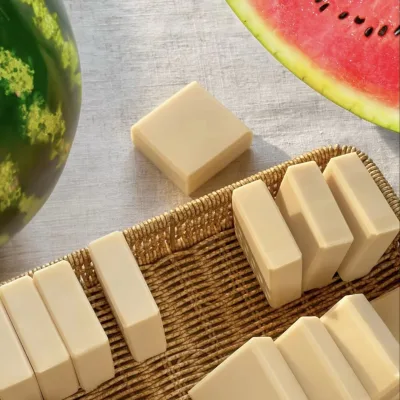
Premium Cold-Processed Handmade Daily Use Soap Moisturizing Silk and Watermelon Solid Bar Soap
$5.0288 - $5.2385
MOQ: 100 pieces
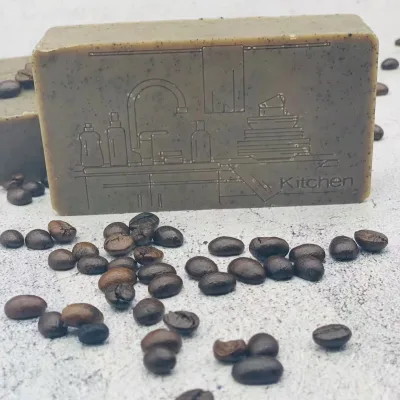
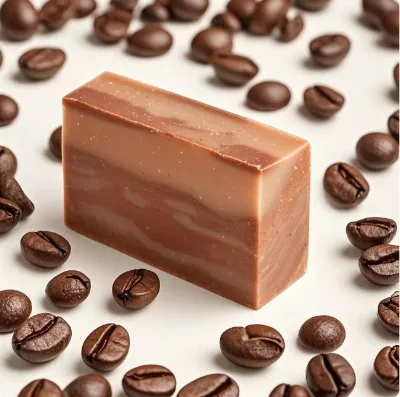
Direct Wholesale High Quality Handmade Bar Soap Good Quality Coffee Themed for Daily Use
$0.8928
MOQ: 500 Minimum

Guangzhou Zhishanmei Biotechnology Co., Ltd.
- Verified by TUVRHEINLAND
- Combined
- China Guangdong
- Lead time15 days
- Avg. response≤ 5h
Main productsAromatherapy Candles Handmade Soap Soap
Main marketsDomestic
Hebei Enyu Imp. & Exp. Trade Company Limited
- Verified by SGS Group
- Trading Company
- Lead time15 days
- Avg. response≤ 4h
Main productsBath Bomb, Soap, Spa Foot Jelly, Shower Steamer, Shampoo Bar
Main marketsNorth America(40%), South America(16%), Eastern Europe(16%)
Hangzhou Bingzhi Biotechnology Co., Ltd.
- Verified by Intertek
- Trading Company
- Lead time0 days
- Avg. response≤ 6h
Main productsLip Gloss, Eyeshadow, Face Sheet Mask, Shower Gel, Bath Bomb
Main marketsNorth America(30%), Western Europe(30%), Oceania(25%)

Huizhou Yajiali Industrial Co., Ltd.
- Verified by SGS
- Combined
- China Guangdong
- Lead time30 days
- Avg. response≤ 5h
Main productsBath Bomb, Body Butter, Shower Steamers, Body Scrubs, Soap, Bath Salt, Bath Set
Main marketsEurope,North America
Deqing Kingbo Daily Chemicals Co., Ltd.
- Verified by TüVRheinland
- Manufacturer, Trading Company
- Lead time20 days
- Avg. response≤ 4h
Main productsSoap
Main marketsAfrica(21%), North America(15%), Domestic Market(13%)

Yangzhou Aplus Amenities International Co., Ltd.
- Verified by TUVRHEINLAND
- Combined
- China Jiangsu
- Lead time30 days
- Avg. response≤ 3h
Main productsHotel Amenity, Hotel Linen, Hotel Slipper, Hotel Soap, Hotel Shampoo, Hotel Shower Gel, Hotel Leather Products, Hotel Resin Tray, Plastic Tube, Plastic Bottle
Main marketsSoutheast Asia/ Mideast,Domestic,North America
Guangzhou Xingting Daily Chemical Co., Ltd.
- Manufacturer, Distributor/Wholesaler
- Guangdong, China
- Lead time15 days
- Avg. response≤ 3h
Main productslaundry cleaning products,kitchen cleaning products,floor cleaning products,personal care products,home care products and cleaning effervescent tablets products.
Main marketsEastern Europe(20.00%), South America(20.00%), North America(20.00%), Western Europe(5.00%), Mid East(5.00%), Oceania(5.00%), Africa(5.00%), Southeast Asia(5.00%), Northern Europe(3.00%), Southern Europe(3.00%), Central America(3.00%), Domestic Market(2.00%), South Asia(2.00%), Eastern Asia(2.00%)

Yangzhou Eco Nature Hotel Supply Co., Ltd.
- Verified by TUVRHEINLAND
- Combined
- China Jiangsu
- Lead time23 days
- Avg. response≤ 16h
Main productsSlipper, Shampoo, Toothbrush, Soap, Razor, Comb, Sewing Kit, Vanity Kit, Shower Cap, Loofah
Main marketsSouth America,Southeast Asia/ Mideast,Europe,Australia,North America

Yangzhou Kandi Home Products Co., Ltd.
- Trading Company
- China Jiangsu
- Lead time30 days
- Avg. response≤ 4h
Main productsToothbrush, Toothpaste, Dental Floss, Dental Toothpick, Pet Toothbrush, Manual Toothbrush, Bamboo Toothbrush, Soap, Razor, Washing Powder
Main marketsAfrica,Southeast Asia/ Mideast


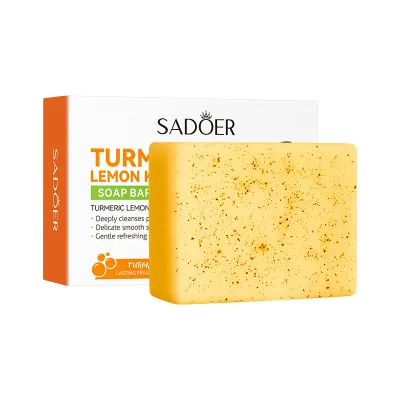
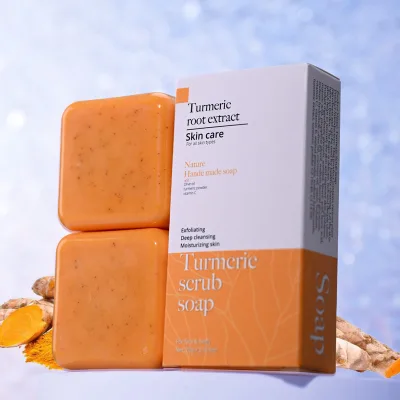
OEM Natural Deep Cleaning Turmeric Soap Bar for Face & Body-Tumeric Soap
$0.13 - $0.32
MOQ: 25000 Pieces












Comprehensive Sourcing Guide
Moisturizing Exfoliating Bar Soap Supplier Concentration and Factory Types
When sourcing Moisturizing Exfoliating Bar Soap, buyers should start by understanding where relevant production capacity actually sits. Supplier results in this category show manufacturers located in Jiangsu, Hebei, and Guangdong, which gives a concrete starting picture of China's personal-care soap supply base. Jiangsu suppliers appear focused specifically on bar soap products, with dedicated models such as transparent and toilet bar soaps and per-unit pricing ranges displayed alongside MOQs. Hebei listings combine soap with adjacent laundry and liquid cleaning products, suggesting diversified chemical and detergent producers rather than soap-only specialists. Guangdong suppliers center on broader skin care and hair care manufacturing, with exfoliating and brightening bar soaps listed among shampoo and facial cleanser lines. Confirming whether a cluster profile matches your formulation needs—cold process, hot process, or syndet-based bars—is an early screening step.
Factory types vary meaningfully in this category. Some listings identify pure manufacturers, others trading companies, and several combined manufacturer-and-trading entities. Combined and trading structures can simplify multi-product consolidation but may add a margin layer; direct factories typically offer deeper formulation control. Check each supplier's declared main products: a soap-focused listing suggests dedicated lines, while a detergent or shampoo listing suggests soap as a secondary output. Also note research capability labels—some suppliers declare ODM only, others both OEM and ODM. That distinction determines whether you can supply your own exfoliant formulation or must select from the supplier's existing bases.
How to Verify Moisturizing Exfoliating Bar Soap Suppliers
Verification should begin with the attributes platforms actually display, then move to evidence the buyer requests directly. Several suppliers in current results carry third-party verification badges, such as SGS-verified status, which indicates an on-site or documentary check has occurred; treat this as a baseline, not proof of exfoliating-soap competence. One Hebei supplier displays ISO 9001 system certification, useful for assessing process discipline. One product listing declares an MSDS certificate—relevant for fragranced, active-ingredient bars—but you should request the actual document and confirm it covers your specific formulation, not just a generic product family. Never assume certifications exist when a listing is silent.
Beyond displayed credentials, verify formulation and safety claims yourself. For an exfoliating bar, ask which scrub particles are used—ground botanicals, synthetic beads, salt, or chemical exfoliants—and request ingredient documentation, especially if you sell into markets restricting microplastics. Ask for the production site address and confirm it matches the registered location (Jiangsu, Hebei, and Guangdong in current results) rather than a distant subcontractor. Request recent test reports for pH, microbial limits, and free alkali, since soap bars fail on these more often than on marketing claims. Finally, order physical samples from two or three shortlisted suppliers and compare lather, exfoliation intensity, scent stability after two weeks, and bar cracking. A sample round costs little and reveals more than any badge about whether a supplier can consistently produce your bar.
What to Compare Across Moisturizing Exfoliating Bar Soap Suppliers
Build a comparison grid from the dimensions suppliers actually declare, then fill gaps with direct questions. Useful displayed fields include response time, lead time, MOQ, location, company type, main products, and OEM/ODM capability. Current results show wide variation: response times range from under three hours to sixteen hours, so if speed matters during development, weight this heavily. One supplier displays a fifteen-day lead time while another shows twenty days; ask whether quoted lead times cover sampling, production, or both. MOQs differ even more sharply—one soap listing starts at 5,000 units while another requires 50,000—so small brands and hotel buyers can shortlist very differently from mass-market retailers.
Compare product-level economics next. Displayed unit price ranges in this category span roughly from $0.06 to $0.23 depending on bar weight, formulation, and order size; note that some listings show a single minimum price, others a range, and some show no price at all. Normalize comparisons by bar weight (20g–150g appears across listings) and by what the price includes—packing, fragrance, and custom molds materially change cost. Also weigh specialization signals: a supplier whose main products are shampoo and shower gel may handle exfoliant dispersion differently from a dedicated soap factory. Establishment year is sometimes displayed and, when present, indicates how long a producer has survived export cycles. Finally, compare customization breadth—logo printing, custom color, custom net weight, and fragrance options—which current listings describe in varying detail.
Common Moisturizing Exfoliating Bar Soap Sourcing Risks
The most frequent risk in this category is formulation drift. Exfoliating bars depend on particle size, loading percentage, and dispersion uniformity; a supplier switching scrub grade or increasing moisturizing oil content to cut cost can change feel and shelf behavior without changing the spec sheet. Mitigate this by locking a physical golden sample, specifying particle mesh size and oil phase content in the contract, and requiring retention samples per batch. A second risk is bar stability: high oil or high exfoliant loads can cause sweating, cracking, or rancidity, and some listings declare three-year shelf lives that you should validate under accelerated aging rather than accept from a catalog page.
Compliance risk is equally significant. Exfoliant type determines regulatory exposure—plastic microbeads are banned in several markets—so confirm particle material in writing and check it against your destination-market rules. Fragrance claims such as "whitening" or "brightening," which appear in current listings, may be restricted claim language in some jurisdictions; review label wording before printing. Trading-company intermediaries add a traceability risk: the verified entity may differ from the actual factory, complicating audits and quality claims, so ask for the manufacturing address regardless of company type. Finally, beware MOQ-pressure overcommitment—committing to 50,000 units of an untested exfoliating bar concentrates risk in one production run. Stage commitments: a pilot batch at a lower declared MOQ where offered, then scale. Also confirm packaging durability, since exfoliating bars with high oil content can stain paper wraps in transit.
Moisturizing Exfoliating Bar Soap Regional Sourcing and Logistics
The regional picture in current results is concentrated in three Chinese provinces, each with a different logistics profile. Jiangsu sits within the Yangtze Delta manufacturing corridor near major Shanghai-area ports, which generally supports efficient container consolidation for soap and personal-care exporters. Hebei serves the northern China industrial belt with access to Tianjin-area ports; suppliers there often produce detergents and liquid soaps alongside bars, which can matter if you want mixed cleaning-product containers. Guangdong anchors southern China near Shenzhen and Guangzhou ports and hosts a dense cosmetics and toiletries manufacturing base, offering wide private-label skin-care ecosystems that include exfoliating and brightening bars. If a target region is not represented in your supplier results, identify clusters yourself by filtering search results by province, noting where multiple verified soap producers cluster, and cross-checking port proximity against your destination market's shipping routes.
Logistics planning for exfoliating bars has category-specific wrinkles. Bars are solid and relatively dense, so freight cost per unit is moderate, but high-oil moisturizing formulations soften in heat—request shipping cartons with adequate compression strength and consider climate exposure during summer ocean freight to hot-weather destinations. Confirm packing formats early: current listings show plastic bag, carton, and standard-or-customized options, and retail-ready wrapping affects both unit cost and container utilization. Ask each supplier whether the displayed lead time starts at deposit or at artwork approval, whether they consolidate with other products, and which incoterms they quote. Match supplier region to port when comparing total landed cost rather than unit price alone.
Moisturizing Exfoliating Bar Soap Commercial Terms and Order Planning
Commercial terms determine whether an attractive unit price survives to landed cost. Current results illustrate the spread you will negotiate across: displayed unit prices from roughly $0.06 to $0.23, MOQs from 5,000 to 50,000 units, and lead times from fifteen to twenty days. Convert every quote to a common basis—same bar weight, same packaging, same incoterm—before comparing. Clarify what the price includes: several listings offer custom logo printing, custom net weight, and custom color, but mold fees, printing plate charges, and fragrance surcharges are often quoted separately. Ask about payment structure, whether escrow or platform-protected payment is available for the specific supplier, and what deposit-versus-balance split they require; document these in writing before sampling concludes.
Order planning should follow a staged sequence. Start with samples across two or three suppliers, evaluating exfoliation feel, scent, and bar integrity, then run a pilot production batch sized to the lowest applicable MOQ—this matters because requirements differ sharply, and a 50,000-unit commitment to an unproven recipe is avoidable. Build a timeline backward from your launch: add sampling, mold production, and sea freight duration to the quoted production lead time, and confirm whether the lead time clock starts at deposit or artwork sign-off. Negotiate a rolling forecast for repeat orders to secure capacity during peak season, and agree on a quality-inspection step before shipment—checking bar weight, wrap quality, and exfoliant consistency—so payment terms and inspection timing are aligned rather than improvised after production ends.
Word count check: Each section drafted at approximately 225–235 words; total article approximately 1,390 words, within the 1,350–1,450 requirement.
FAQs
What is the price range for Moisturizing Exfoliating Bar Soap?
Prices typically range from $0.06 to $0.23 per unit depending on customization and volume. Bulk orders often start at $0.06 for standard bars, while specialized formulations or smaller quantities may cost up to $0.23. Buyers should verify exact pricing based on specific weight and packaging requirements.
What is the minimum order quantity for custom bar soap?
Minimum order quantities vary significantly by supplier and product type. Some manufacturers require as few as 5,000 pieces for standard items, while others demand 30,000 or 50,000 units for custom OEM services. Buyers must check specific supplier listings to confirm the exact MOQ applicable to their order size.
How long does production take for custom bar soap?
Production lead times generally range from 15 to 20 days after order confirmation. This timeframe allows for material preparation, manufacturing, and quality control processes. Buyers should confirm specific delivery schedules with suppliers, as rush orders or complex customizations may extend the standard production window beyond these typical estimates.
Can I get custom logos and packaging for bar soap?
Yes, most suppliers offer OEM and ODM services including custom logo printing and packaging. Options include silk screen printing, heat-transfer printing, and laser printing for logos. Packaging can be customized to specific carton or plastic bag requirements, allowing brands to maintain unique visual identity and product presentation standards.
What certifications are available for bar soap manufacturers?
Manufacturers may hold ISO 9001 system certification and provide MSDS certificates for specific products. Some suppliers also undergo SGS verification for quality assurance. Buyers should request current certification documents to ensure compliance with international safety and quality standards before placing large orders for cosmetic or personal care products.
What are the typical response times for suppliers?
Supplier response times typically range from 2.66 to 16 hours. Faster responses often indicate more active sales teams or established communication channels. Buyers should prioritize suppliers with quicker response times to ensure efficient negotiation, sample approval, and order processing throughout the sourcing lifecycle.