Source Natural Bamboo Handle Loofah Sponge for Kitchen, Bath, and Home
Compare 30 listings for Natural Bamboo Handle Loofah Sponge from verified suppliers. Explore eco-friendly options with customizable features for kitchen, bath, and home cleaning applications. Discover durable tools with hemp rope handles and various sizes available from manufacturers in Guangdong and Fujian. Many products offer custom logos and packing solutions to meet specific business needs.
Updated
Key considerations
Products List

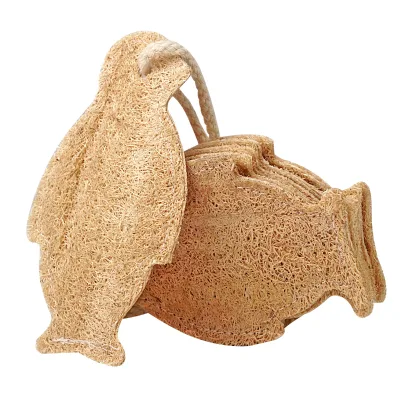
Natural Loofah Organic Sponge Eco -Friendly Cleaning Raw Loofah Luffa Sponge
$0.20 - $0.80
MOQ: 1000 Pieces

100% Natural Loofah Organic Sponge Eco -Friendly Cleaning Raw Loofah Luffa Sponge
$0.20 - $0.80
MOQ: 1000 Pieces


Natural Loofah Pad Bath Scrubber Exfoliating Shower Loofah Sponge Dishing
$0.20 - $0.80
MOQ: 1000 Pieces

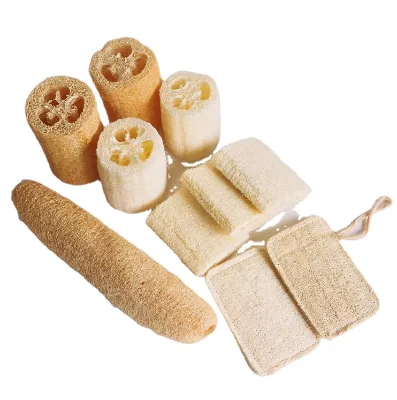


Nature Loofahs Loofah SPA Exfoliating Scrubber Natural Luffa Body Wash Sponge
$0.50 - $0.80
MOQ: 5000 Pieces


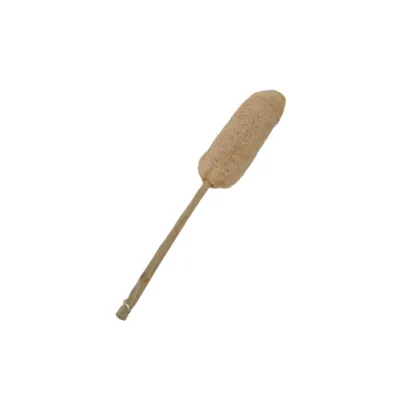
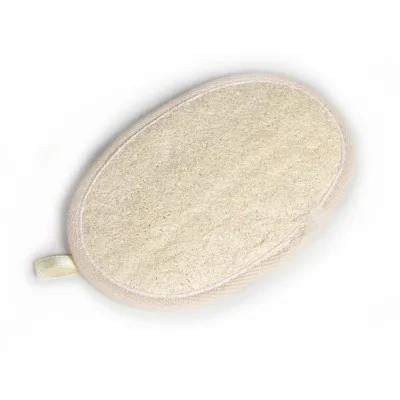
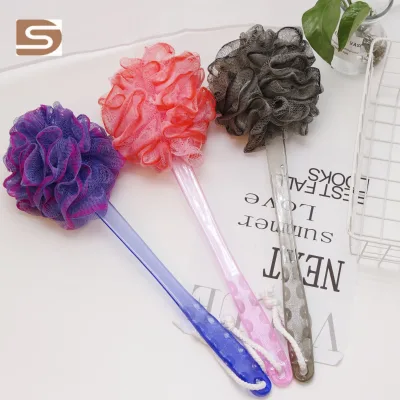
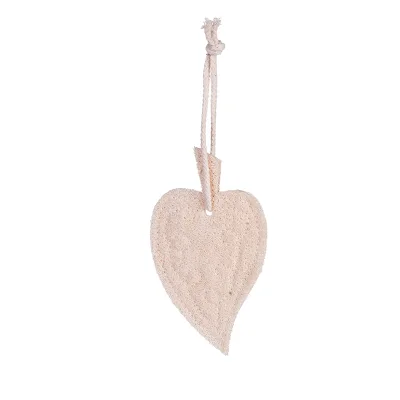
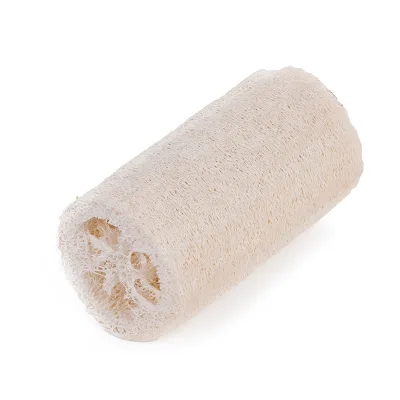
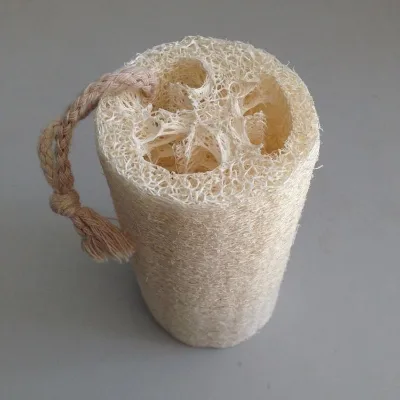
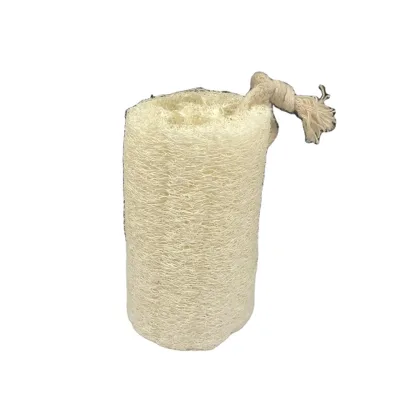

Long Natural Wood Handle Loofah Sponge for Washing and Exfoliating Bath Brush
$0.95 - $1.10
MOQ: 1000 Pieces


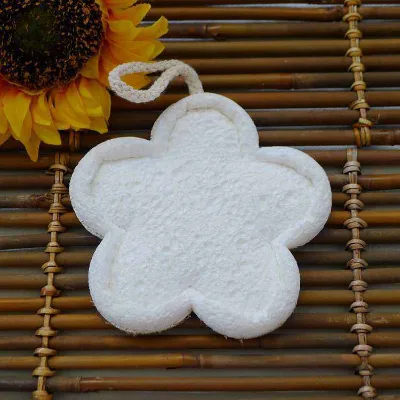
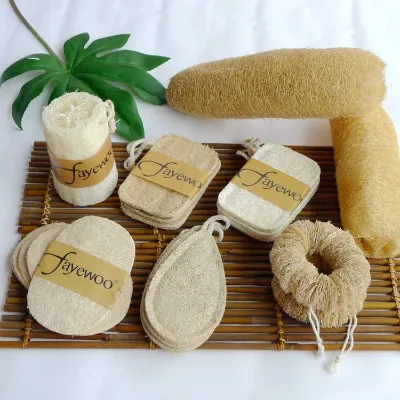
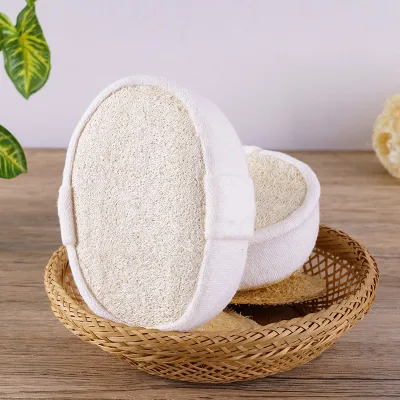
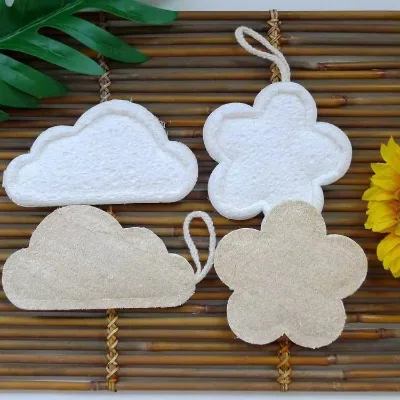


Factory Supply 100% Natural Loofah Sponge Body Scrubber Loofah for Exfoliating
$0.25 - $0.29
MOQ: 5000 Pieces
Comprehensive Sourcing Guide
Natural Bamboo Handle Loofah Sponge Sourcing Guide
Sourcing Natural Bamboo Handle Loofah Sponge products requires a clear understanding of the distinct material properties and functional roles each component plays in the final utensil. The loofah component, often categorized under kitchen or bath scrubbers, provides the primary abrasive and absorbent surface, while the bamboo handle offers structural integrity and ergonomic grip. Buyers must recognize that these items are frequently marketed as eco-friendly kitchen tools, leveraging the natural origin of both the plant-based sponge and the bamboo wood. This combination appeals to procurement teams seeking sustainable alternatives to synthetic plastics, particularly in the home kitchen and bathroom ware sectors.
The observed market signals indicate a diverse range of product configurations, from simple single-piece scrubbers to more complex utensil sets. Listings often highlight customization options, allowing buyers to tailor the product to specific brand identities through logo placement or packaging adjustments. The presence of terms like "bamboo organic" and "eco-friendly" suggests a strong market positioning around sustainability, though buyers should verify these claims against actual material compositions. Understanding these baseline attributes is crucial for aligning supplier offerings with internal procurement goals, ensuring that the selected products meet both functional requirements and corporate sustainability standards.
Product Scope and Observed Listing Signals
The current product landscape for natural bamboo handle loofah sponges includes a variety of forms, ranging from individual scrubbers to complete kitchen utensil sets. Observed listings feature models such as PD-SGL and PD-SZD, which may represent different structural designs or usage scenarios within the kitchen and bath categories. Some products are explicitly labeled as "Kitchen Utensil Set" or "Kinchenware," indicating a broader scope that might include multiple tools rather than just a single sponge. This variability requires buyers to carefully review product descriptions to ensure they are sourcing the exact item type needed for their specific application, whether it be for household cleaning, commercial kitchen use, or retail packaging.
Material composition is a critical differentiator in this category, with listings specifying materials such as loofah, sponge, and hemp rope for handles. The handle material is often described as hemp rope or bamboo, providing a natural aesthetic and durable grip. Color options for the loofah component typically include white, natural, and squashed variants, which may affect the visual appeal and perceived cleanliness of the product. Buyers should note that while "bamboo organic" is mentioned, the actual material composition can vary, and some products may combine bamboo handles with synthetic sponges or other natural fibers. Clarifying these material details is essential to avoid mismatches between expected and delivered goods.
Technical Specifications to Verify
Technical verification begins with confirming the physical dimensions and packaging standards of the Natural Bamboo Handle Loofah Sponge. Observed specifications include single package sizes such as 20X12X5 cm and 50X5X5 cm, which directly impact storage efficiency and shipping costs. Buyers must verify the single gross weight, which has been noted as low as 0.030 kg for certain items, to accurately calculate freight charges and inventory turnover rates. Additionally, standard carton dimensions like 121212 or 403835 cm are critical for optimizing container loading and minimizing void space during international transport. These metrics are not merely descriptive but are fundamental to logistical planning and cost control.
Model numbers and product codes serve as unique identifiers for quality control and reorder accuracy. Listings reference specific models such as L1202, L1315, L1210, L1320, L1325, and L1310, which likely correspond to distinct design variations or production batches. Buyers should ensure that the model number on the purchase order matches the supplier’s catalog exactly to prevent receiving incorrect items. Furthermore, the presence of customization options for packing and logos requires clear technical drawings or proofs to be approved before mass production. Verifying these technical details upfront reduces the risk of production errors and ensures that the final product meets the buyer’s specific operational and branding requirements.
Compliance and Safety Documentation
Compliance and safety documentation for natural bamboo handle loofah sponges must address food contact safety if the product is intended for kitchen use. Buyers should request evidence that the bamboo handle and any attached materials are treated with non-toxic finishes suitable for food preparation areas. Although specific certification names are not provided in the observed data, buyers must verify that the supplier adheres to relevant food safety standards in the country of origin, which is often Guangdong or Fujian in China. This includes ensuring that the loofah or sponge material is free from harmful chemicals and that the hemp rope or bamboo components are processed safely.
Packaging and labeling compliance is another critical area requiring attention. The observed "Packing Details" indicate that packaging can be customized, which means buyers must ensure that all labeling meets the regulatory requirements of their target market. This includes accurate material declarations, country of origin markings, and any necessary safety warnings. Buyers should also verify that the supplier provides a Certificate of Analysis or similar documentation confirming the material composition and safety of the final product. Without proper documentation, buyers risk facing customs delays or regulatory penalties, making it essential to establish clear compliance expectations before placing orders.
Cost Drivers and Commercial Terms
Cost drivers for natural bamboo handle loofah sponges are influenced by material sourcing, customization levels, and order volume. The use of natural materials like loofah and bamboo can lead to price fluctuations based on agricultural yields and seasonal availability. Customization options, such as logo printing or unique packaging designs, typically add to the unit cost and may require additional setup fees. Buyers should also consider the impact of packaging choices on overall costs, as custom packing solutions can be more expensive than standard carton packaging. Understanding these variables allows for more accurate budgeting and negotiation with suppliers.
Commercial terms, including payment methods and minimum order quantities, vary among suppliers. Observed data indicates that payment terms often include T/T (Telegraphic Transfer), which is standard for international trade. Minimum order quantities (MOQ) can range significantly, with some listings showing an MOQ of 3000 pieces, while others may accept smaller orders. Buyers should negotiate terms that align with their inventory management strategy, balancing the benefits of bulk pricing against the risks of excess stock. Clear agreement on lead times and shipping terms is also crucial to ensure timely delivery and maintain supply chain continuity.
Supplier Qualification and Quality Control
Supplier qualification for natural bamboo handle loofah sponges requires a thorough assessment of manufacturing capabilities and quality management systems. Buyers should verify the supplier’s production capacity and experience in handling natural materials, which can be more challenging to process than synthetic alternatives. Checking for relevant business licenses and export credentials is essential to ensure the supplier is legally authorized to operate and ship internationally. Additionally, buyers should inquire about the supplier’s quality control processes, including raw material inspection and finished product testing, to ensure consistency in product quality.
Quality control measures should include regular audits and sample approvals before mass production begins. Buyers should request pre-production samples to verify the quality of the bamboo handle, loofah sponge, and any attached components like hemp rope. These samples should be tested for durability, absorbency, and overall aesthetic appeal. Establishing a clear quality standard and inspection protocol helps mitigate the risk of receiving defective goods. Buyers should also consider third-party inspection services for larger orders to provide an independent verification of product quality and compliance with agreed specifications.
Long-Term Procurement Checks
Long-term procurement checks for natural bamboo handle loofah sponges involve monitoring supplier performance and market trends to ensure continued value. Buyers should regularly review supplier delivery times, product quality, and responsiveness to issues to identify any potential risks in the supply chain. Tracking changes in material costs and availability can help anticipate price fluctuations and adjust procurement strategies accordingly. Additionally, staying informed about emerging sustainability standards and consumer preferences can help buyers align their product offerings with market demands, ensuring long-term competitiveness.
Continuous improvement in product design and packaging is also essential for maintaining a competitive edge. Buyers should work with suppliers to explore new customization options or material innovations that enhance product appeal and functionality. Regular feedback from end-users can provide valuable insights into product performance and areas for improvement. By maintaining a proactive approach to supplier management and market analysis, buyers can ensure a stable and efficient supply of natural bamboo handle loofah sponges, supporting their business goals and customer satisfaction.
FAQs
What materials are used in these kitchen utensils?
The products utilize natural loofah and sponge materials for the scrubbing surfaces. The handles are crafted from hemp rope or bamboo organic materials. This combination ensures durability and eco-friendly performance for both kitchen and bath applications. The item name is often listed as kitchenware with a focus on sustainable cleaning tools.
Can I customize the logo and packaging?
Yes, customization is available for both logos and packaging. Buyers can request customized packing solutions to meet specific requirements. The supplier accepts customized logos, allowing for brand integration. This service supports various business needs, ensuring the final product aligns with your specific branding and packaging preferences for retail or wholesale distribution.
What is the minimum order quantity for these items?
The minimum order quantity varies by product model. For some items, the MOQ is set at 3000 pieces. Other listings indicate a range from 1 to 5000 units depending on the specific model and customization level. Buyers should verify the exact MOQ for their selected product model, such as PD-SGL or CW, to ensure compliance with supplier terms.
Where are these loofah sponge products manufactured?
These products originate from China, specifically from the Guangdong and Fujian provinces. The place of origin is clearly stated as China for all listed items. This geographic sourcing ensures access to established manufacturing hubs known for producing high-quality kitchen utensils and eco-friendly cleaning tools with consistent production standards and reliable supply chains.
What are the standard packaging dimensions for these goods?
Packaging dimensions vary by product model. For instance, the PD-SZD model has a single package size of 20x12x5 cm. The L1202 model features a standard of 40x38x35 cm. Other models like CW have a single package size of 50x5x5 cm. Buyers should check the specific model number to determine the exact carton or single package dimensions for logistics planning.
Are these kitchen tools considered eco-friendly?
Yes, these products are explicitly described as eco-friendly. The materials, including natural loofah, sponge, and bamboo, support sustainable sourcing. The features list highlights eco-friendly attributes alongside durability. This makes them suitable for buyers seeking environmentally responsible kitchen utensils that align with green consumer trends and sustainable product standards in the global market.