Natural Bathing Soap Suppliers and Manufacturers
Source Natural Bathing Soap from 24 verified suppliers in China. Compare ISO 9001 certifications, OEM capabilities, and response times. Review pricing and MOQs to identify suitable partners for your procurement needs; review the available evidence before requesting comparable quotations from suitable candidates.
Updated
Suppliers List

Shijiazhuang Gruite Daily Chemical Co., Ltd.
- Trading Company,Manufacturer/Factory
- China Hebei
- Lead time23 days
- Avg. response≤ 22h
Main productsDetergent Powder, Laundry Soap, Toilet Soap, Dish Washing Liquid, Liquid Laundry Detergent, Laundry Bar Soap, Transparent Soap, Baby Soap, Multi-Purpose Soap
Main marketsSouth America,Mid East,North America,Southeast Asia,Eastern Asia,Oceania,Africa


Hot Sale Toilet Natural Organic Skin Care Soap, Handmade Hotel Bath Bathing Laundry Soap
$410.00 - $730.00
MOQ: 25 Tons


China Soap Biotechnology (Guangzhou) Co., Limited
- Verified by SGS
- Manufacturer
- China Guangdong
- Lead time15 days
- Avg. response≤ 9h
Main productsSoap, Shampoo Soap, Customized Soap, Natural Soap, Scented Soap, Fragrant Soap, Pure Natural Plant Soap, Tailored Soap, Bespoke Soap, Perfumed Soap
Main marketsSoutheast Asia/ Mideast,Europe,North America

ZHENGZHOU YUSHOU HEAVY INDUSTRY CO., LTD.
- Combined
- China Henan
- Lead time15 days
- Avg. response≤ 5h
Main productsSoap Machinery Laundry Soap Line, Three Roll Mill, Soap Stamper, Soap Mixer, Oil & Fat Saponification Machinery
Main marketsAfrica,Southeast Asia/ Mideast,East Asia(Japan/ South Korea),Domestic,Europe
Deqing Kingbo Daily Chemicals Co., Ltd.
- Verified by TüVRheinland
- Manufacturer, Trading Company
- Lead time20 days
- Avg. response≤ 4h
Main productsSoap
Main marketsAfrica(21%), North America(15%), Domestic Market(13%)
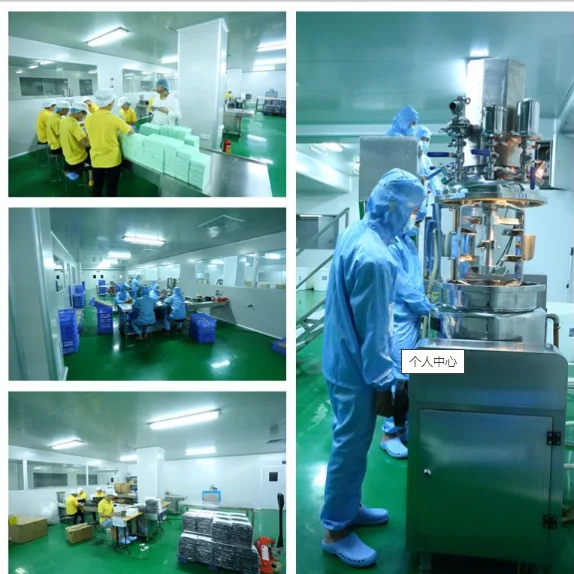
Shenzhen Huaxunneng Technology Co., Ltd.
- Manufacturer, Trading Company, Distributor/Wholesaler
- Guangdong, China
- Lead time5 days
- Avg. response≤ 10h
Main productsMakeup Brush,cosmetics,Makeup tools,Makeup sponge,nail art &tools
Main marketsNorth America(40.00%), South America(20.00%), Eastern Europe(15.00%), Eastern Asia(5.00%), Mid East(5.00%), Africa(5.00%), Western Europe(5.00%), Domestic Market(4.00%), Southeast Asia(1.00%)
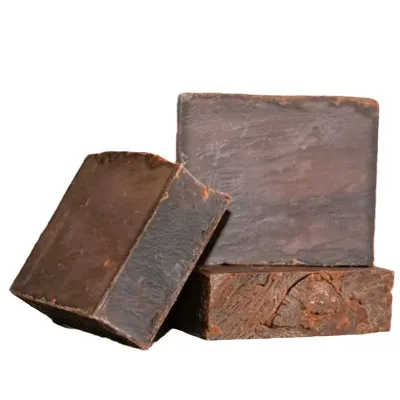
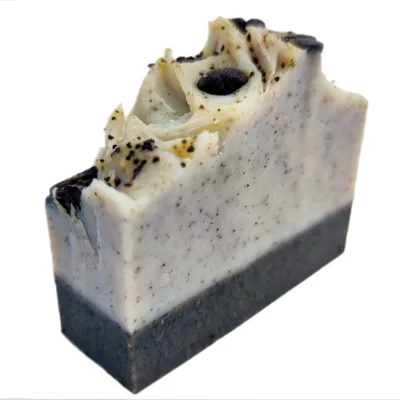
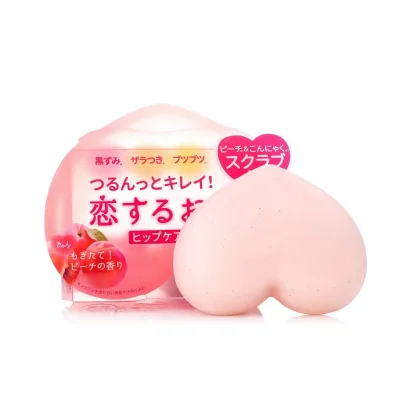
Vanilla Silk Soap Natural Herbal Cleansing Handmade Soap Bath Cleaning Soap
$1.00 - $2.00
MOQ: 50 pieces

- Trading Company,Manufacturer/Factory
- China Hebei
- Lead time15 days
- Avg. response≤ 3h
Main productsLaundry Detergent, Washing Powder, Liquid Soap
Main marketsSouth America,Eastern Europe,Mid East,North America,Southeast Asia,Eastern Asia,Oceania,Western Europe,Africa

Yangzhou Nano Aviation Technology Co., Ltd.
- Verified by SGS
- Combined
- China Jiangsu
- Lead time15 days
- Avg. response≤ 3h
Main marketsSoutheast Asia/ Mideast,Domestic


Wholesale Natural Moisturizing Bath Bar Soap 150g Daily Use Cleansing Soap
$0.22 - $0.23
MOQ: 50000 Pieces
Hangzhou Bingzhi Biotechnology Co., Ltd.
- Verified by Intertek
- Trading Company
- Lead time0 days
- Avg. response≤ 5h
Main productsLip Gloss, Eyeshadow, Face Sheet Mask, Shower Gel, Bath Bomb
Main marketsNorth America(30%), Western Europe(30%), Oceania(25%)
Hebei Jiebang Daily Chemical Co., Ltd.
- Trading Company
- Hebei, China
- Lead time15 days
- Avg. response≤ 10h
Main productssoap,detergent powder,Laundry detergent,Kitchen Cleaning Products,Bathroom cleaner
Main marketsSouth Asia(10.00%), Africa(10.00%), Northern Europe(10.00%), Southeast Asia(10.00%), Eastern Asia(10.00%), South America(10.00%), North America(10.00%), Southern Europe(5.00%), Mid East(5.00%), Oceania(5.00%), Central America(5.00%), Western Europe(5.00%), Eastern Europe(5.00%)
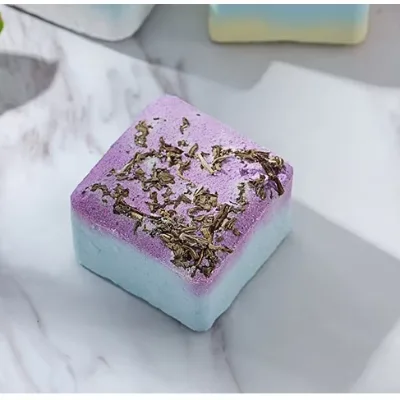
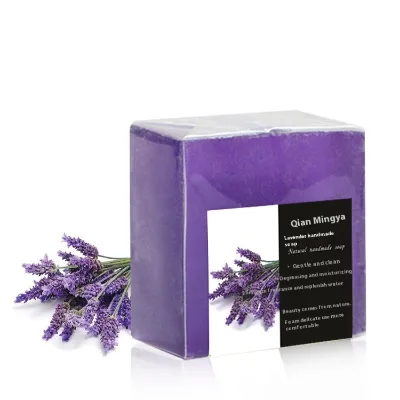
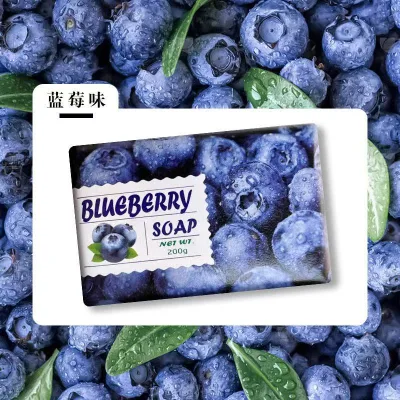
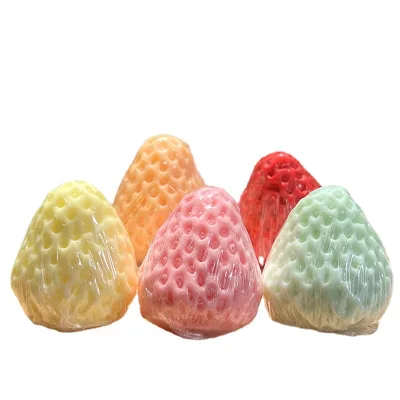
Brightening Essential Oil Bathing Handmade Soap for Moisturizing and Nourishing Fruity Soap
$0.65 - $0.85
MOQ: 300 pieces
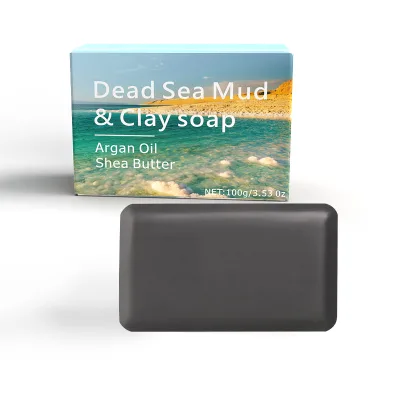
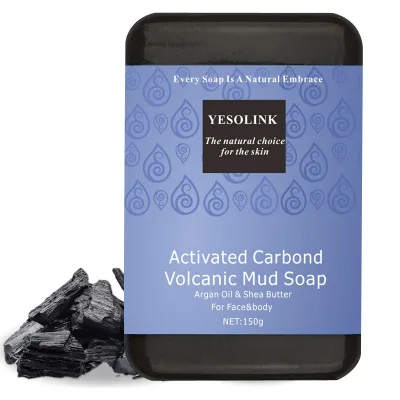
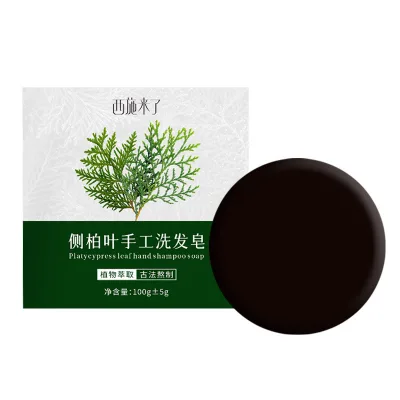
$0.50 - $1.50
MOQ: 1000 pieces
Guangzhou Beaver Industrial Co., Ltd.
- Verified by SGS Group
- Manufacturer, Trading Company
- Lead time15 days
- Avg. response≤ 4h
Main productshair care, hair treatment, Body and Skin Care
Main marketsNorth America(37%), Eastern Europe(15%), Oceania(13%)

Hangzhou Miuge Chemical Commodities Science & Technology Co., Ltd.
- Verified by SGS
- Combined
- China Zhejiang
- Lead time30 days
- Avg. response≤ 24h
Main productsWashing Powder, Dishwasher Tablet/Powder, Washing Capsule, Liquid Detergent, Kitchen Cleaner, Dishwashing Liquid, Toilet Cleaner, Handwashing Liquid, Soap
Main marketsSouth America,Africa,East Asia(Japan/ South Korea),Domestic,Australia,North America

Yangzhou Aplus Amenities International Co., Ltd.
- Verified by TUVRHEINLAND
- Combined
- China Jiangsu
- Lead time30 days
- Avg. response≤ 3h
Main productsHotel Amenity, Hotel Linen, Hotel Slipper, Hotel Soap, Hotel Shampoo, Hotel Shower Gel, Hotel Leather Products, Hotel Resin Tray, Plastic Tube, Plastic Bottle
Main marketsSoutheast Asia/ Mideast,Domestic,North America

Shandong Fuhai Silk Road Trading Co., Ltd.
- Verified by BV
- Manufacturer/Factory
- China Shandong
- Lead time15 days
- Avg. response≤ 6h
Main productsDetergent Powder, Soap, Liquid Detergent, Perfume Detergent, Underwear Laundry Detergent, Baby Laundry Detergent, Underwear Soap, Baby Soap, Perfume Laundry Detergent, Perfume Washing Powder
Main marketsSouth America,Eastern Europe,Mid East,North America,Southeast Asia,Eastern Asia,Oceania,Western Europe,Africa
Dongguan Aobo Technology Co., Ltd.
- Manufacturer, Trading Company
- Guangdong, China
- Lead time8 days
- Avg. response≤ 3h
Main productsmenstrual cup,menstrual disc,menstrual cup sterilizer,menstrual products,silicone products
Main marketsNorth America(40.00%), Western Europe(30.00%), South America(20.00%), Mid East(10.00%)
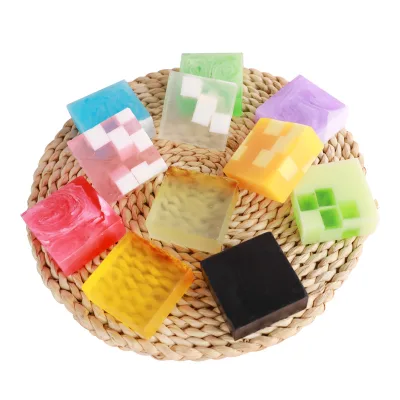
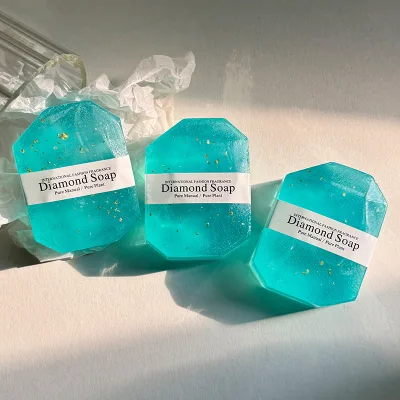
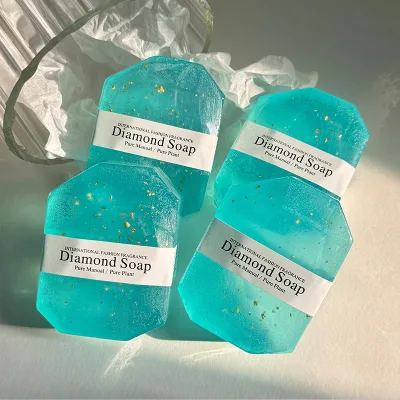
Factory Price Bath Whitening Natural Soap Organic Body Soap Handmade Crystal Soap Bar
$0.68 - $0.80
MOQ: 20 pieces
Guangzhou Fantesy Biotechnology Co., Ltd.
- Manufacturer, Trading Company
- Lead time旺季: "1 - 1000":31,"> 1000":"To be negotiated", 淡季: "1 - 1000":31,"> 1000":"To be negotiated"
- Avg. response≤ 3h
Main productsSoap, Serum, Body Care Product, Hair Care Product, Bath Product
Enrich Enterprises (Xiamen) Limited
- Verified by Intertek
- Trading Company
- Lead time40 days
- Avg. response≤ 8h
Main productsBath Gift Set, Bath And Body Care Product, Home Fragrance Product, Bath Bomb, Bath Gift Packaging
Main marketsNorth America(75%), Oceania(18%), Eastern Europe(2%)

Guangzhou Zhishanmei Biotechnology Co., Ltd.
- Verified by TUVRHEINLAND
- Combined
- China Guangdong
- Lead time15 days
- Avg. response≤ 5h
Main productsAromatherapy Candles Handmade Soap Soap
Main marketsDomestic
Anhui Qingjing Biotechnology Co., Ltd.
- Verified by Intertek
- Manufacturer, Trading Company
- Lead time15 days
- Avg. response≤ 2h
Main productsHandmade Soap, Soap, Laundry Soap, Essential Oil Soap, Bath Soap
Huizhou Boymay Cosmetics Co., Ltd.
- Trading Company
- Lead time旺季: "1 - 1000":18,"> 1000":"To be negotiated", 淡季: "1 - 1000":18,"> 1000":"To be negotiated"
- Avg. response≤ 2h
Main productsBath Bomb, Shower Steamer, Soap, Hair Treatment, Body Care
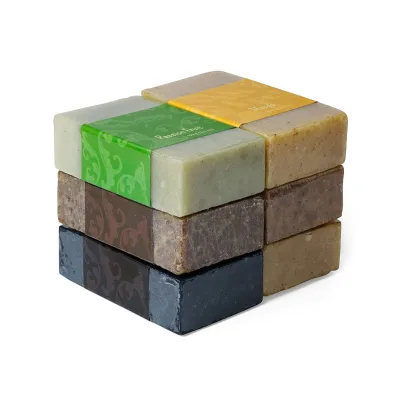
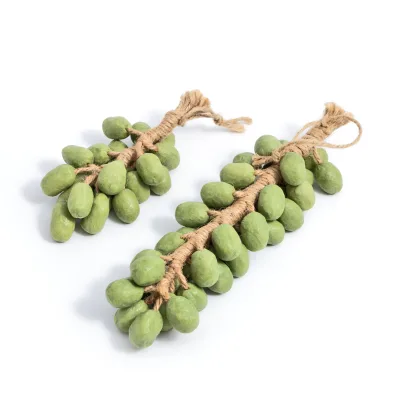
$2.00 - $2.99
MOQ: 300 pieces
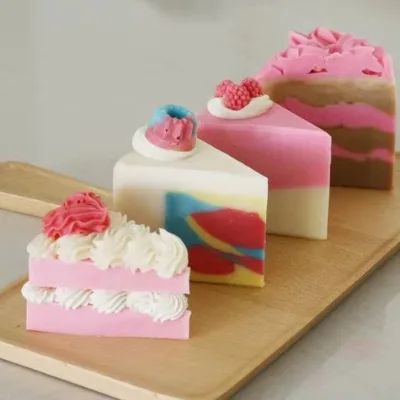
Custom Private Label Gifts Handmade Moisture Natural Essential Oil Cake Cold Process Soap
$0.90 - $1.20
MOQ: 1000 pieces
Tianjin Hedong District Chenyongchen E-Commerce Studio
- Trading Company
- Tianjin, China
- Lead time7 days
- Avg. response≤ 2h
Main productsSkin cleansing soap,Hair Soap,Pet Soap
Main marketsNorth America(30.00%), South America(20.00%), Northern Europe(20.00%), Domestic Market(20.00%), Africa(10.00%)

QINGDAO TUWO IMPORT AND EXPORT CO., LTD.
- Verified by SGS
- Manufacturer/Factory
- China Shandong
- Lead time15 days
- Avg. response≤ 22h
Main productsTire, Steel Wheel Rim, Detergent Products, Plywood, Wallspike, Frame Systems, Nylon Tyre
Main marketsSouth America,Eastern Europe,Mid East,Southeast Asia,Eastern Asia,Oceania,Western Europe,Africa

Yangzhou Eco Nature Hotel Supply Co., Ltd.
- Verified by TUVRHEINLAND
- Combined
- China Jiangsu
- Lead time23 days
- Avg. response≤ 15h
Main productsSlipper, Shampoo, Toothbrush, Soap, Razor, Comb, Sewing Kit, Vanity Kit, Shower Cap, Loofah
Main marketsSouth America,Southeast Asia/ Mideast,Europe,Australia,North America
BEAUTY-SOAPS COMMODITY CO., LTD.
- Manufacturer, Trading Company
- Guangdong, China
- Lead time20 days
- Avg. response≤ 12h
Main productsPersonal Care Products,Health Care,House Cleaning,Body Care,Body Cleaning
Main marketsNorth America(27.00%), Western Europe(18.00%), Domestic Market(17.00%), Southeast Asia(12.00%), Africa(11.00%), Mid East(5.00%), Oceania(5.00%), Eastern Europe(3.00%), Central America(2.00%)
Chengdu Gaoli Meishi Electronic Commerce Co., Ltd.
- Trading Company
- Sichuan, China
- Lead time7 days
- Avg. response≤ 4h
Main productsBath salts,Candles and aromatherapy,Bath bombs,Soap,Body care
Main marketsEastern Europe(30.00%), North America(30.00%), Western Europe(10.00%), Africa(10.00%), Southeast Asia(10.00%), South America(10.00%)






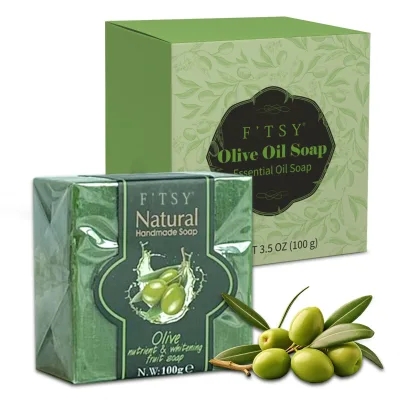
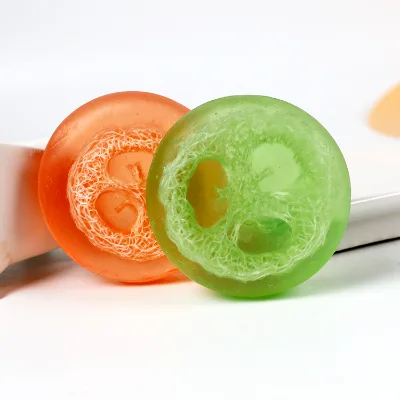
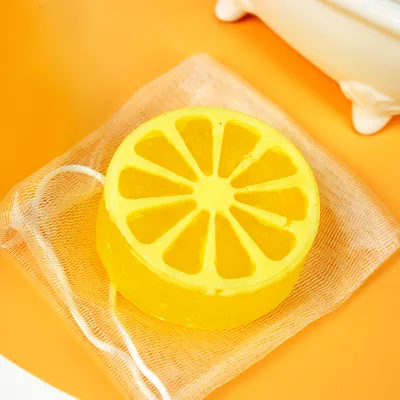
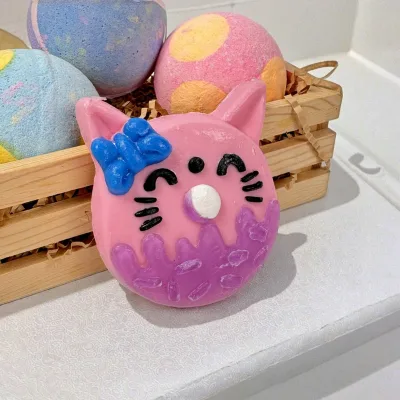




Comprehensive Sourcing Guide
Natural Bathing Soap Supplier Concentration and Factory Types
When searching for Natural Bathing Soap suppliers, buyers will find listings concentrated in several Chinese provinces, with Hebei, Guangdong, and Henan represented among current results. Hebei-based listings cover a broad household and personal care portfolio, including laundry soap, toilet soap, transparent soap, baby soap, and liquid detergents, and combine trading company and manufacturer/factory company types. Guangdong listings are narrower, focused on soap itself—customized, natural, scented, and plant-based bars—from manufacturers. Henan listings center on soap-making machinery, production lines, and related equipment rather than finished bars. Understanding which province maps to which product focus helps buyers direct inquiries efficiently instead of broadcasting the same request to every listing.
Supplier type matters as much as geography. A manufacturer listing finished soap is a different proposition from a trading company that consolidates multiple lines, and a machinery supplier serves an entirely different buyer—one planning to produce soap in-house. Some suppliers carry system certifications such as ISO 14001 or ISO 9001, while others list none, so certification cannot be assumed across the category. Where no cluster is displayed for a region you are researching, identify concentrations by filtering search results for main products, company type, and location fields, then cross-checking how many verified factories versus traders appear. Buyers should also note capacity indicators such as OEM, ODM, or own-brand offerings, which signal whether customization is a core business or an exception.
How to Verify Natural Bathing Soap Suppliers
Verification starts with the attributes displayed on the listing, but it cannot end there. Check the stated location against the product origin field—some Hebei listings show prod_origin of Hebei, China, while others list China generically—and confirm the company type, since a trading company may subcontract production to factories it does not control. Look for system certifications such as ISO 9001 or ISO 14001, and for third-party verification marks such as SGS, which appears on at least one Guangdong manufacturer in current results. Response time is a useful behavioral signal: listings show figures ranging from roughly four hours to more than twenty-one hours, and a supplier that answers slowly before the order will rarely improve afterward.
Beyond listing data, request documentation that matches the product's claimed claims. Soap listings frequently cite certificates such as ISO9001:2008 and SGS in their attribute tables—ask for copies and confirm the certificate scope covers soap manufacturing, not just general trade. For formulation-sensitive products like natural or plant-based bathing bars, ask which ingredients, fragrances, and standards apply; some listings state a TFM percentage, while others simply mark the standard as "customized," meaning you must define acceptance criteria yourself. Verify capacity claims by asking for recent production evidence, and confirm customization availability in writing, since "customization available" appears in many soap listings but the practical minimums and tooling costs vary widely between factories and traders.
What to Compare Across Natural Bathing Soap Suppliers
Build a comparison sheet from the dimensions suppliers actually display, while remembering that not every supplier shows every attribute. Core comparable fields include location, company type, main products, lead time, MOQ, response time, and capacity indicators such as OEM, ODM, or own brand. Current results illustrate the spread: lead times of roughly fifteen to twenty-three days, MOQs as low as twenty-five cartons for one laundry-soap listing and one thousand units for a bespoke botanical bar, and response times from about four hours to over twenty-one. Product range is another comparator—some suppliers list only bathing and customized bars, while others span detergents, hotel soaps, and machinery.
Price ranges differ sharply by product type and must be compared only within like-for-like specifications. Listings in this category show per-carton or bulk prices ranging from a few hundred to over a thousand, while customized plant-based bars can quote per-unit figures in the cent range at high MOQs—so normalize to the same unit, packing, and specification before comparing. Also compare packing detail, which reveals factory sophistication: some listings specify carton configurations such as 1.5kg by twelve pieces or 160g by seventy-two pieces per carton, while others say only "carton package." Finally, compare whether the supplier manufactures or trades, whether verification marks exist, and whether the main products overlap with your requirement, since a detergent-focused factory may treat bathing soap as a sideline.
Common Natural Bathing Soap Sourcing Risks
The most frequent risk is specification ambiguity. Many Natural Bathing Soap listings label their standard as "customized" rather than citing a fixed formulation benchmark, which leaves buyers without an objective acceptance criterion. Others cite older certificate versions such as ISO9001:2008, which may no longer reflect the supplier's current certified status. Product attributes can also blur categories: several listings describe the same bar as suitable for laundry, bathing, hand washing, and delicate fabrics like silk and cashmere, so a buyer seeking a dedicated bath product must confirm the exact formulation and intended use rather than relying on keyword-stuffed titles.
Second, customization and capacity risks. Listings advertise customization availability and features such as anti-bacterial, whitening, moisturizing, and perfumed variants, but the tooling cost, fragrance development time, and minimum order behind those claims are rarely shown. Machinery listings promise features like full-automatic operation and one-year warranties—claims that require reference checks and acceptance testing before payment. Trading-company intermediaries add a layer of risk by standing between the buyer and the actual factory, potentially affecting quality control and lead-time reliability, with stated lead times up to twenty-three days on some listings. Finally, certification risk: where a listing shows no system certification at all, third-party audit and product testing become the buyer's responsibility before committing to volume orders.
Natural Bathing Soap Regional Sourcing and Logistics
For buyers sourcing finished Natural Bathing Soap, the currently represented Chinese provinces suggest a practical division of labor. Hebei suppliers, presenting as both manufacturers and trading companies, suit buyers wanting a broad household and personal care assortment—bathing soap alongside laundry bars, hotel soaps, and liquids—with lead times around twenty-three days on current listings. Guangdong manufacturers, focused on soap with ODM and OEM capability and faster lead times near fifteen days, fit buyers prioritizing customized botanical or scented bars. Henan's machinery suppliers serve a different logistics profile entirely: soap-making lines ship in wooden boxes and require installation planning, not retail-ready carton consolidation.
Logistics planning should account for how each supplier packs and quotes trade terms. Some soap listings specify trade terms including FOB, CFR, and CIF, letting buyers choose whether to arrange freight themselves or have the supplier handle it; others omit terms, so confirm incoterms early. Carton configurations matter for container utilization—one listing specifies 160g by seventy-two pieces per carton with roughly 2,170 cartons fitting a twenty-foot container, which lets buyers estimate volumes accurately, while generic "carton package" descriptions require clarification. Heavy soap cargo also makes freight cost per unit sensitive to packing density. For machinery purchases, wooden-box export packing and electric-powered, water-cooled equipment mean buyers should confirm power compatibility and installation support at the destination before ordering.
Natural Bathing Soap Commercial Terms and Order Planning
Commercial terms should be negotiated against the attributes suppliers display, not assumed uniform. Trade terms on some finished-soap listings include FOB, CFR, and CIF, so decide which cost structure fits your freight strategy and confirm it before quoting. MOQs vary enormously in this category—from twenty-five cartons on a laundry-soap listing to one thousand units on a bespoke botanical bar—so test whether a supplier will flex the MOQ for a trial order, and expect lower MOQs to carry higher unit prices. Lead times around fifteen to twenty-three days give a baseline, but customized fragrances, molds, or packaging will extend them; build that buffer into your launch calendar rather than relying on the headline figure.
Payment and risk controls come next. Where a supplier displays no escrow or trade-assurance arrangements, propose a secure payment structure and, for first orders, stage payments against inspection or shipment milestones. Price comparisons need unit normalization: listings quote figures from around 410 to 1,250 on a bulk basis, while customized bars quote per-unit prices near 0.20—confirm what each price covers, including packing and any certificate costs. For repeat planning, negotiate annual volume commitments against stable pricing, and document specifications—TFM percentage, fragrance, weight, carton configuration—in a signed specification sheet. Finally, align re-order lead times with your inventory cycle, and confirm warranty terms in writing when buying soap production machinery, where listings cite one-year warranties.
FAQs
What certifications do Natural Bathing Soap suppliers hold?
Suppliers in China Hebei and Guangdong typically hold ISO 9001 and ISO 14001 system certifications. Some products also display SGS certification. These credentials verify quality management and environmental standards for manufacturing processes. Buyers should verify specific certificates for each order to ensure compliance with local regulations and safety requirements.
What is the typical lead time for soap orders?
Lead times vary by supplier location and capacity. Manufacturers in Guangdong often offer a 15-day lead time, while suppliers in Hebei may require 23 days. These durations depend on order volume and customization needs. Buyers should confirm exact timelines with the supplier before placing orders to avoid delays in supply chain operations.
What are the minimum order quantities for custom soap?
MOQs differ significantly based on product type and customization. Standard laundry soap may have an MOQ of 25 units, while custom herbal bath soap often requires 1000 units. Trading companies might offer lower thresholds than manufacturers. Buyers should check specific product pages for accurate MOQs to align with their inventory planning.
How fast do suppliers respond to inquiries?
Response times vary across suppliers in China. Some manufacturers in Guangdong respond within approximately 9 hours, while others in Henan may take around 4 hours. Hebei-based suppliers might have longer response windows. Quick response times indicate active customer service teams. Buyers should prioritize suppliers with faster response rates for efficient communication.
What price ranges are available for natural soap?
Prices for Natural Bathing Soap range widely based on specifications. Some products start around $0.20 per unit for bulk custom orders, while others range from $410 to $1250 per carton. Factors like ingredients, packaging, and certifications affect pricing. Buyers should request detailed quotes to understand total costs including shipping and taxes.
Can suppliers provide OEM and ODM services?
Many manufacturers in China offer both OEM and ODM services. Suppliers in Guangdong and Hebei support custom branding and product development. Some also have their own brands like MEIWEI. Buyers can request custom formulations, packaging, and scents. These services allow businesses to create unique products tailored to their market needs and brand identity.