Source Ski Snowboard Cleaning Brush for Waxing and Polishing
Source the Ski Snowboard Cleaning Brush from 30 verified suppliers in China. Compare options featuring nylon, brass wire, and horsehair bristles for waxing, polishing, and surface cleaning. Find OEM support and various sizes to meet your specific equipment maintenance needs.
Updated
Key considerations
Products List


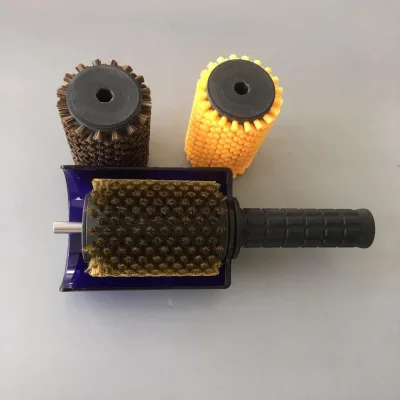
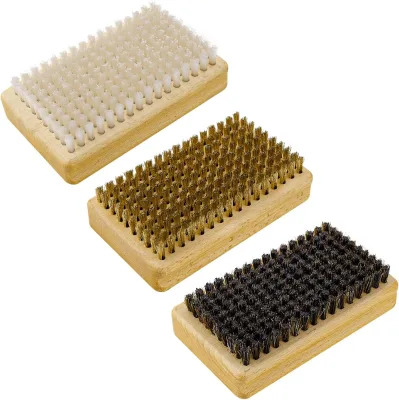
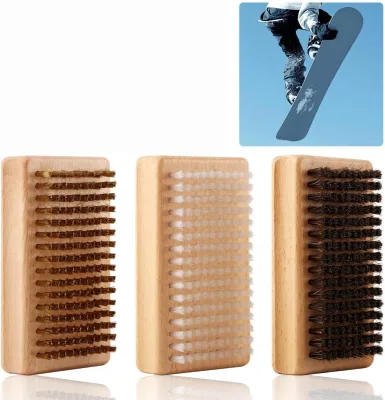
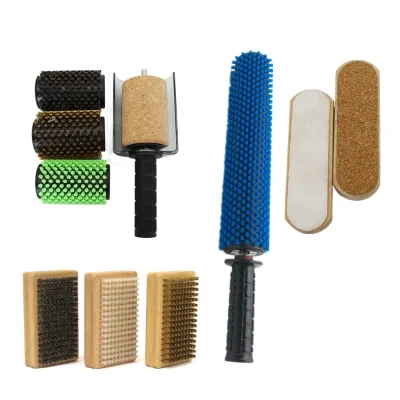
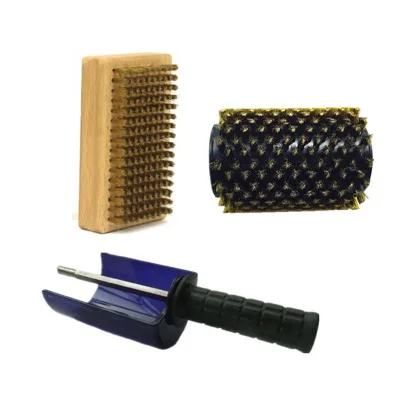
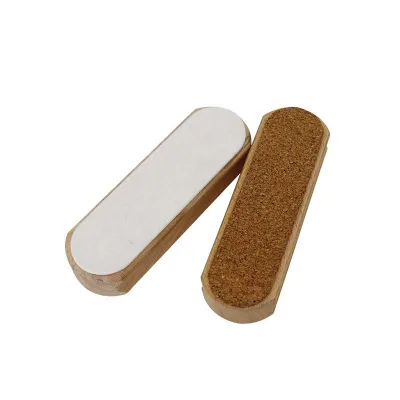
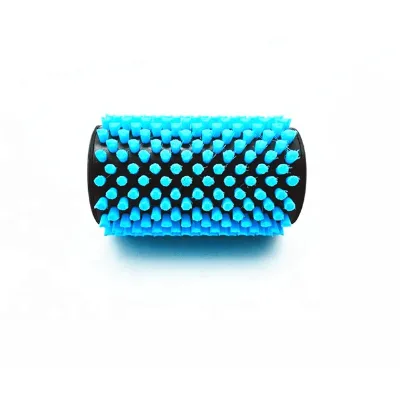
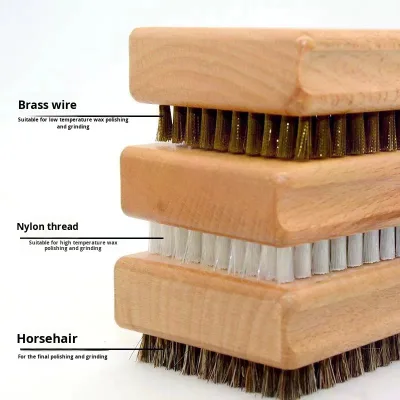
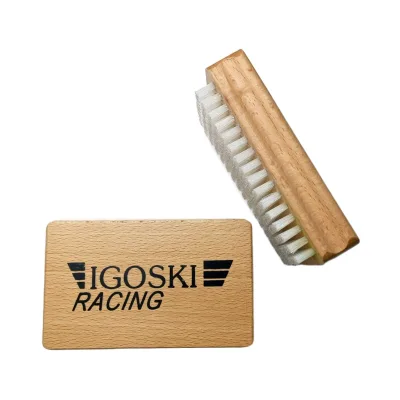
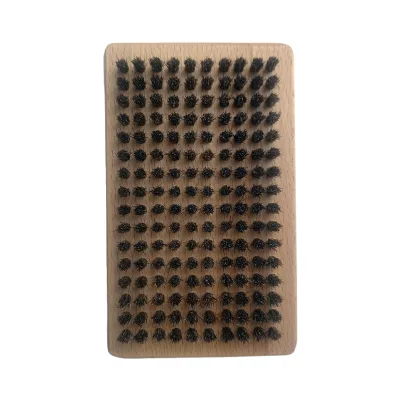
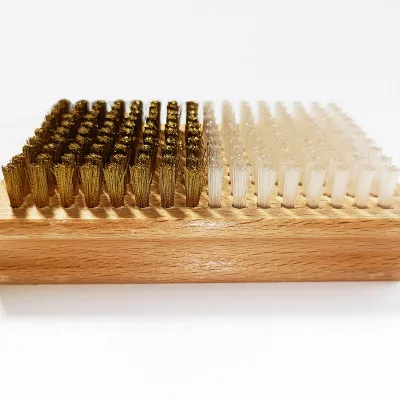
New Design Durable Ski Snowboard Maintenance Tool Nylon Copper Wire Brush
$6.2129 - $7.2481
MOQ: 100 pieces
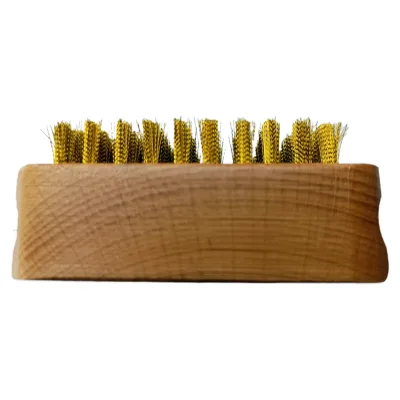
Igoski Professional Ski Gear Snowboard Brass Cleaning Brush Chinese Manufacturer
$6.1695 - $7.1988
MOQ: 100 pieces
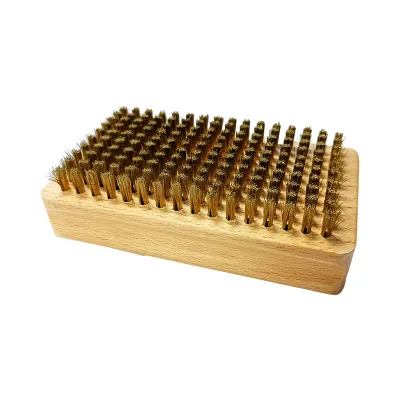
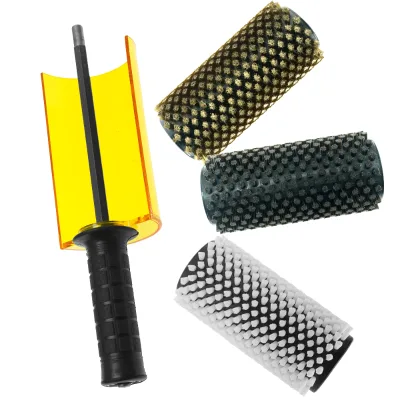
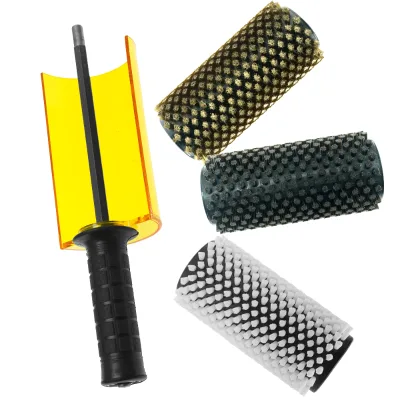
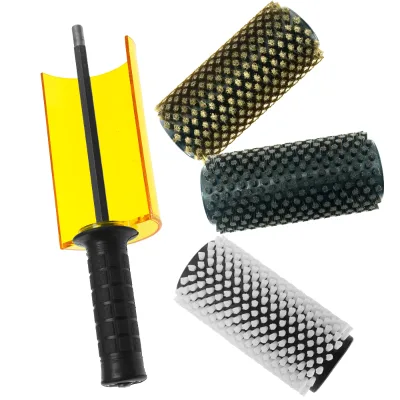
Durable Nylon Material Ski Board Rotary Combination Brush Snowboard Accessories
$54.5516 - $57.1861
MOQ: 1 sets

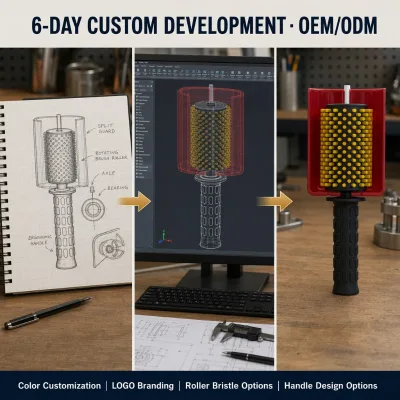
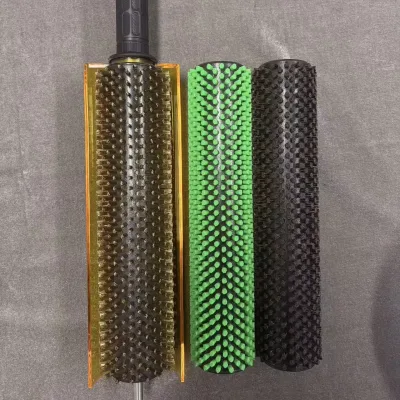
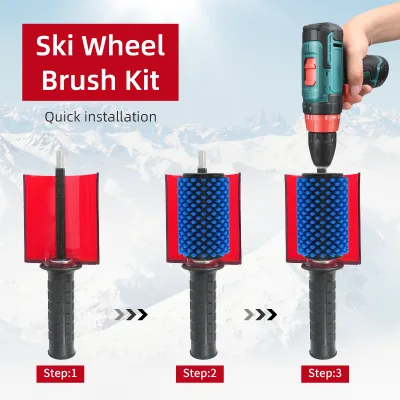
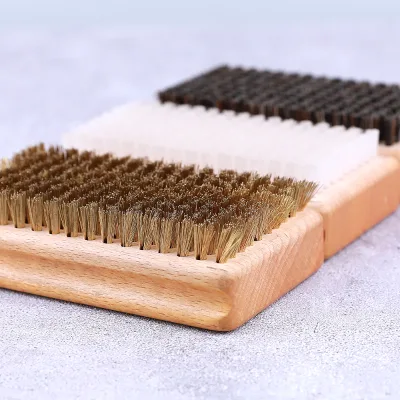

Comprehensive Sourcing Guide
Ski Snowboard Cleaning Brush Sourcing Guide
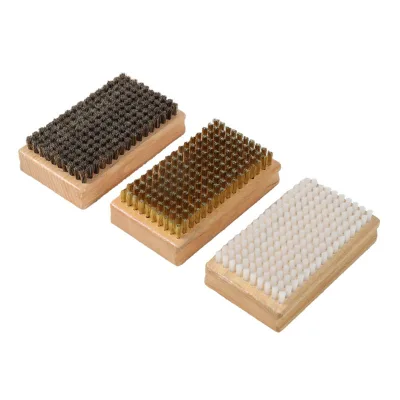
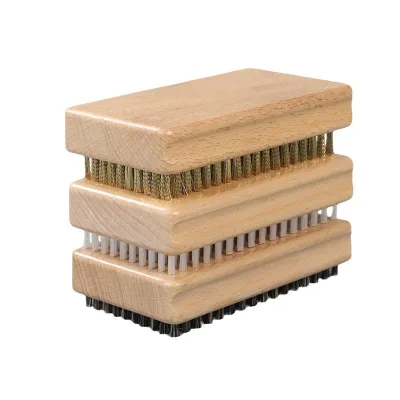
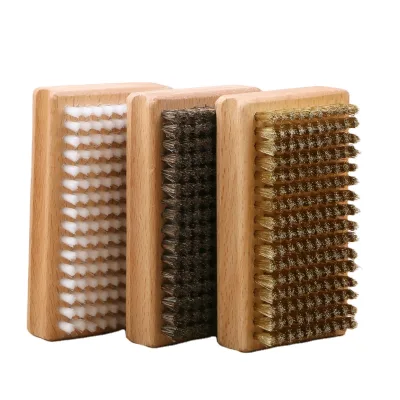
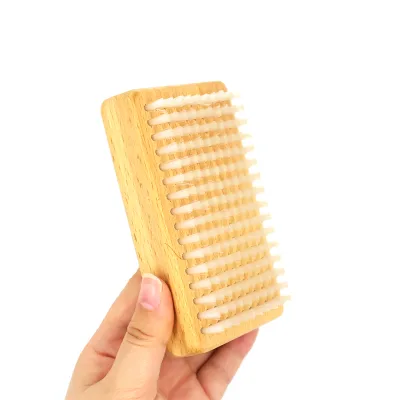
Procuring specialized ski and snowboard cleaning brushes requires a clear understanding of the distinct material compositions and functional designs available in the current market. Buyers must differentiate between rotating wax brushes, typically constructed with brass wire or nylon bristles for efficient wax removal, and hand brushes designed for polishing, cleaning, and surface protection. The observed product landscape includes items with PVC bases, wooden handles, and various bristle materials such as horsehair, indicating a diverse range of tools suited for different stages of board maintenance. Understanding these material distinctions is critical for selecting the right tool for specific maintenance tasks, whether it involves deep cleaning of the base or final polishing of the surface.
Commercial listings reveal significant variation in packaging, customization options, and origin locations, primarily centered in regions like Anqing and Anhui, China. Suppliers frequently offer OEM support, allowing buyers to customize logos and branding, which is essential for private label strategies. The observed data indicates that products are often sold in single units with specific packaging like OPP bags or cartons containing forty pieces, suggesting flexibility in order quantities. Buyers should carefully review the single gross weight and package dimensions to calculate accurate shipping costs, as these factors directly impact the landed cost of goods. Additionally, the availability of customized colors and brands provides opportunities for differentiation in competitive retail markets.
Product Scope and Observed Listing Signals
The current market signals indicate a strong focus on multi-functional tools that combine cleaning, waxing, and polishing capabilities into single kits or individual units. Products are explicitly categorized for ski board surfaces, with specific models like the TOP-SRB designed for snow removing and general maintenance. The presence of items labeled as "Diy" grade suggests a market segment catering to both professional technicians and individual enthusiasts who perform their own equipment care. Buyers should note that while some products emphasize rotating mechanisms for speed, others rely on traditional hand-held designs with wooden handles for precision work. This diversity allows procurement teams to source a comprehensive range of tools that address the full spectrum of ski and snowboard maintenance needs.
Observations of product attributes highlight the importance of verifying specific dimensions and bristle lengths, as these factors directly influence cleaning efficiency and user comfort. Standard sizes such as 100mm or 11cm are common, but buyers must confirm the exact specifications to ensure compatibility with their target customer base. The availability of customized support, including OEM, ODM, and OBM services, indicates that suppliers are prepared to accommodate specific design requirements and branding needs. This flexibility is particularly valuable for buyers looking to create unique product lines or private labels. However, the variation in single package sizes, ranging from 10X5X5 cm to 13X8X3 cm, necessitates careful logistical planning to optimize storage and shipping efficiency.
Technical Specifications to Verify
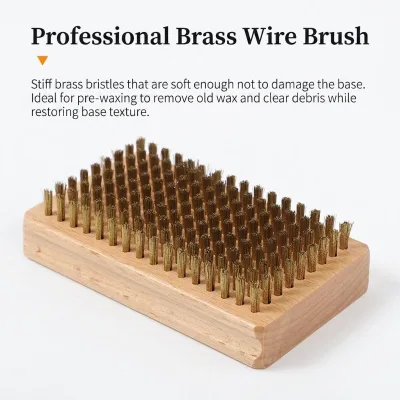
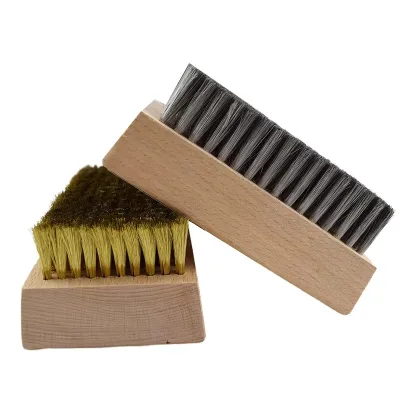
When evaluating technical specifications, buyers must prioritize the verification of bristle material composition, as this is the primary determinant of cleaning effectiveness and surface safety. The observed data lists brass wire, nylon, and horsehair as common materials, each offering distinct advantages for different maintenance tasks. Brass wire brushes are typically used for aggressive wax removal, while nylon and horsehair are softer and better suited for polishing and dust removal. Buyers should request detailed material specifications to ensure that the bristles are appropriately matched to the intended application, avoiding potential damage to sensitive ski bases. Additionally, the base material, often PVC or wood, should be assessed for durability and ergonomic comfort during extended use.
Dimensional accuracy and structural integrity are also critical technical factors that require verification before placing large orders. Specifications such as brush diameter, size, and single gross weight must be confirmed to ensure consistency across production batches. For instance, some products list a brush diameter of 1/2 inch, while others specify sizes in millimeters, requiring careful conversion and validation. Buyers should also verify the handle material, with wooden handles being a common feature for improved grip and aesthetics. It is essential to confirm that the product standards, such as the 100*11cm specification, are strictly adhered to during manufacturing. Any deviation in dimensions or weight could impact the user experience and lead to quality complaints from end customers.
Compliance and Safety Documentation
Compliance and safety documentation are paramount when sourcing consumer goods that come into direct contact with sports equipment and user hands. Buyers must ensure that all brush materials, including bristles, handles, and bases, comply with relevant safety standards for consumer products in their target markets. While specific certification statuses are not explicitly detailed in the observed data, it is crucial to verify that materials are free from harmful substances and meet local regulatory requirements. This is particularly important for products intended for DIY use, where users may handle the brushes frequently. Buyers should request material safety data sheets and compliance certificates from suppliers to mitigate legal and reputational risks associated with non-compliant products.
Furthermore, packaging and labeling must adhere to strict regulatory guidelines, including accurate product descriptions, origin markings, and safety warnings. The observed data indicates that products are often packaged in OPP bags or cartons, which must be durable enough to protect the brushes during transit. Buyers should verify that the packaging includes all necessary information, such as the brand name, model number, and country of origin, to ensure transparency and traceability. Additionally, any customized logos or branding must be applied in a manner that does not compromise the structural integrity of the packaging or the product itself. Ensuring that all documentation is complete and accurate is essential for smooth customs clearance and market entry, particularly in regions with stringent import regulations.
Cost Drivers and Commercial Terms
Cost drivers for ski and snowboard cleaning brushes are influenced by material selection, manufacturing complexity, and customization requirements. Products featuring brass wire or wooden handles typically incur higher material costs compared to those made with standard nylon or PVC components. Buyers should analyze the cost implications of different material combinations to align product offerings with their target price points. Additionally, the availability of OEM services and customized branding can add to the overall cost, but these features often justify a premium price in the retail market. Understanding these cost drivers allows buyers to negotiate more effectively and identify opportunities for cost optimization without compromising quality.
Commercial terms, including minimum order quantities (MOQ) and payment conditions, vary significantly among suppliers. The observed data indicates an MOQ range of 1 to 500 units, providing flexibility for both small-scale buyers and large distributors. Buyers should leverage this range to negotiate favorable terms based on their volume requirements and inventory strategies. It is also important to clarify the packaging details, such as the number of pieces per carton, to ensure accurate inventory management and shipping calculations. Payment terms should be negotiated to balance risk and cash flow, with options like letters of credit or advance payments depending on the supplier's reliability and the order size. Clear communication of these terms is essential to avoid misunderstandings and ensure a smooth procurement process.
Supplier Qualification and Quality Control
Supplier qualification is a critical step in ensuring the reliability and consistency of ski and snowboard cleaning brush supplies. Buyers should conduct thorough due diligence on potential suppliers, verifying their manufacturing capabilities, quality control processes, and track record in the industry. Given that many suppliers are located in Anqing and Anhui, China, buyers should assess their ability to meet international quality standards and deliver products on time. Requesting samples is essential to evaluate the physical quality of the brushes, including bristle density, handle comfort, and overall durability. Buyers should also verify the supplier's capacity for customization, ensuring they can meet specific design and branding requirements.
Quality control measures must be implemented throughout the production process to maintain consistent product quality. Buyers should establish clear quality standards and inspection criteria, covering aspects such as material composition, dimensional accuracy, and packaging integrity. Regular audits and inspections, either in-house or through third-party agencies, can help identify and address potential issues before shipment. It is also important to monitor the supplier's response to quality complaints and their ability to implement corrective actions. By maintaining a proactive approach to quality control, buyers can minimize the risk of defects and ensure that their customers receive high-quality products that meet their expectations.
Long-Term Procurement Checks
Long-term procurement checks involve continuous monitoring of supplier performance, market trends, and product quality to ensure sustained success. Buyers should establish key performance indicators (KPIs) to track supplier reliability, including on-time delivery rates, defect rates, and responsiveness to issues. Regular reviews of these metrics can help identify areas for improvement and strengthen the supplier relationship over time. Additionally, buyers should stay informed about emerging trends in ski and snowboard maintenance, such as new materials or cleaning technologies, to ensure their product offerings remain competitive. This proactive approach allows buyers to adapt to market changes and maintain a strong position in the industry.
Furthermore, buyers should periodically reassess their sourcing strategy to identify opportunities for cost reduction and efficiency improvements. This may involve consolidating suppliers, negotiating better terms, or exploring alternative materials that offer similar performance at a lower cost. It is also important to maintain open communication with suppliers to foster collaboration and innovation. By building strong, long-term relationships with reliable suppliers, buyers can secure a stable supply chain and reduce the risks associated with sourcing. Continuous evaluation and adaptation are essential for navigating the dynamic nature of the procurement landscape and achieving long-term business success.
FAQs
What materials are used in ski snowboard cleaning brushes?
These brushes typically utilize brass wire, nylon, or horsehair bristles. The base is often made of durable plastic or PVC, while some models feature a wooden handle for better grip. This combination ensures effective wax removal and surface polishing without damaging the ski or snowboard base during maintenance.
Can I customize the logo on these ski brushes?
Yes, customization is available for these products. Suppliers offer OEM, ODM, and OBM support, allowing you to add a customized logo to the brush handle or packaging. This service enables brands to create unique, branded maintenance tools for their customers while maintaining the functional quality of the cleaning and waxing equipment.
What is the typical packaging for ski wax brushes?
The standard packaging usually consists of 40 pieces per carton. Individual items may be packed in OPP bags for protection. The single package size varies slightly by model, often measuring around 10x5x5 cm or 13x8x3 cm, ensuring efficient shipping and storage for bulk orders from manufacturers in China.
Which specifications are available for rotating wax brushes?
Rotating wax brushes are available in sizes such as 100mm and 200mm. The brush diameter is typically 1/2 inch, designed for efficient wax application and removal. These specifications cater to different maintenance needs, ensuring that users can select the appropriate size for their specific ski or snowboard equipment requirements effectively.
Where are these ski cleaning brushes manufactured?
These brushes are manufactured in Anqing, Anhui, China. The production facilities specialize in creating various types of cleaning and waxing tools for winter sports. Sourcing from this region provides access to established factories with the capacity to handle bulk orders and provide consistent quality for international buyers in the global market.
What is the minimum order quantity for these brushes?
The minimum order quantity varies by supplier, typically ranging from 1 to 500 pieces. Some specific models may require a higher MOQ, such as 500 units, to qualify for production. Buyers should check individual product listings to confirm the exact MOQ requirements before placing orders to ensure alignment with their inventory needs.