Source Custom Boardshorts for Surfing, Beachwear, and Sports
Source 30 custom Boardshorts for surfing, beachwear, and sports. Compare quick-dry, breathable options with high-waist designs and heat-transfer printing. Find OEM suppliers in Guangdong for men's and unisex styles; compare the available evidence and request quotations based on your requirements.
Key considerations
Products List
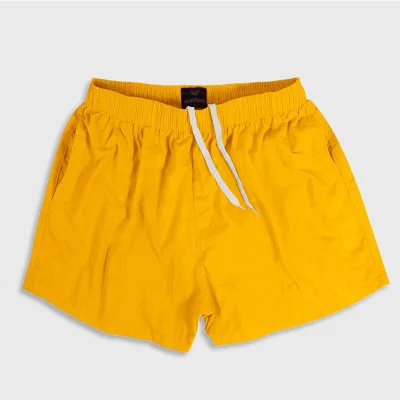
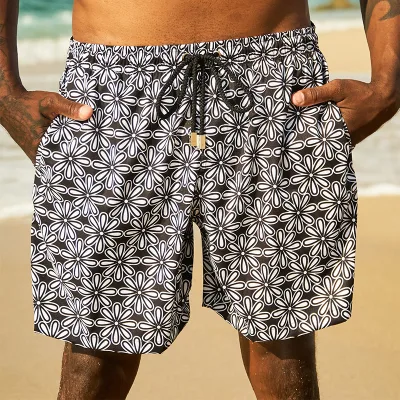


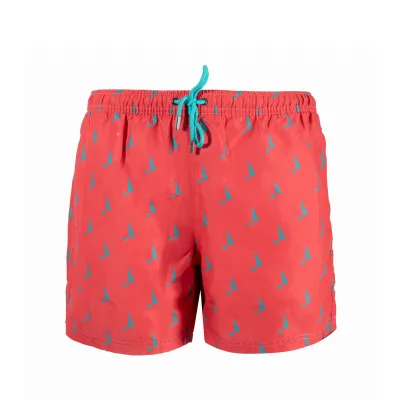
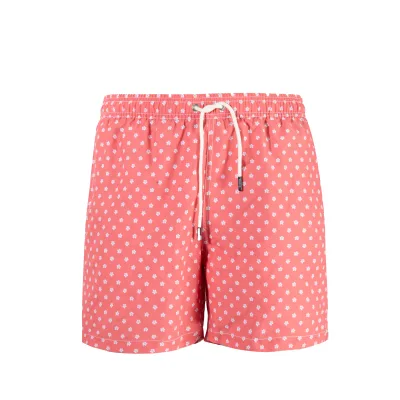
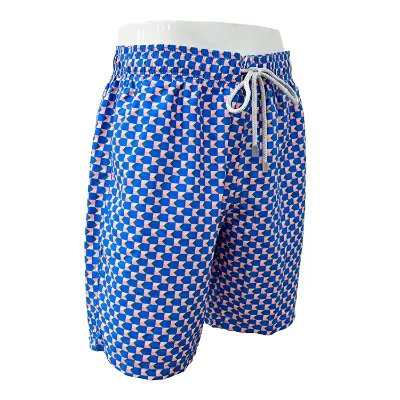


100% Polyester Plain Color Beach Short, Men Beach Shorts, Men Swim Board Short
$1.90 - $2.00
MOQ: 2000 Pieces


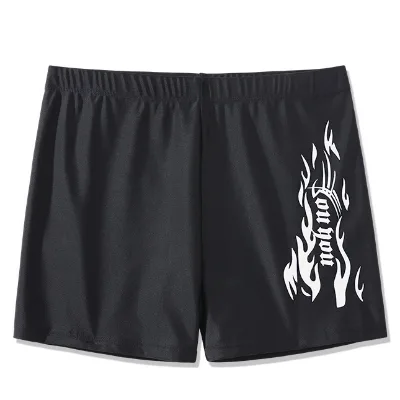
Comprehensive Sourcing Guide
Boardshorts Sourcing Guide
The Boardshorts market in Guangdong, China, offers a diverse range of options primarily targeting men and unisex demographics with a focus on sporty, summer applications. Sourcing data indicates a strong emphasis on quick-dry and breathable fabrics, often utilizing polyester blends or 100% polyester compositions to ensure performance in aquatic environments. Buyers should note that while some listings specify woven construction, others explicitly describe knitted methods, requiring careful verification of the actual fabric structure to match intended durability and stretch requirements.
Procurement strategies must account for the high degree of customization available, including adjustable waist types, drawstring closures, and flexible length specifications ranging from short to customizable dimensions. The supply chain supports both OEM and ODM models, allowing brands to leverage printed patterns, heat-transfer printing techniques, and specific logo placements on the waist. This flexibility extends to color palettes, which span from standard navy and black to vibrant options like turquoise, fuchsia, and army green, catering to varied aesthetic preferences in the active wear sector.
Product Scope and Observed Listing Signals
Buyers observing the current market should recognize that product listings frequently highlight a broad spectrum of functional features, including anti-bacterial, waterproof, and anti-UV properties alongside lightweight and seamless construction. These attributes suggest a product category designed for high-performance activities where moisture management and skin protection are critical. However, the presence of conflicting weaving methods in the data, such as both woven and knitted descriptions, necessitates that buyers request physical samples to confirm the actual textile construction before committing to large orders.
Commercial signals indicate a wide price range and minimum order quantities, with some suppliers supporting small sample orders within seven days while others require larger volumes. The observed single package sizes and weights provide a baseline for logistics planning, yet the variability in material composition, from 100% polyester to customizable blends, means that cost structures will fluctuate based on specific fabric choices. Procurement teams must align their volume expectations with the supplier's capacity to handle customizations like automated cutting and specific printing methods without compromising lead times.
Technical Specifications to Verify
Technical due diligence must prioritize the verification of fabric weight and composition, as listings cite specific values like 220 grams alongside general customizable material options. Buyers should explicitly confirm whether the final product utilizes a four-way stretch capability and if the claimed quick-dry performance is intrinsic to the fiber blend or a result of a specific treatment process. The distinction between printed and patterned designs is also critical, as the technical approach for heat-transfer printing may differ significantly from standard dyeing methods, affecting colorfastness and the longevity of the graphic elements.
Dimensional consistency is another vital area for verification, given the range of available sizes from XS to XL and the option for loose or specific model fits. The waist type, often listed as high with a drawstring closure, requires precise measurement standards to ensure a secure fit during active movement. Additionally, the needle detection process is a key quality control metric that should be confirmed for every batch, ensuring that no metal contaminants remain in the finished garment, which is a standard safety requirement for apparel intended for active use.
Compliance and Safety Documentation
Safety compliance in this sector relies heavily on the implementation of needle detection systems and adherence to general textile safety standards for children and adults. While specific certification names are not universally listed in the provided data, the explicit mention of needle detection as a standard process indicates a baseline commitment to physical safety. Buyers must request documented proof of this inspection process and verify if the supplier holds any recognized quality management certifications that validate their production environment and safety protocols.
Environmental and chemical compliance is increasingly relevant given the eco-friendly and sustainable features often advertised in product descriptions. Procurement teams should verify that the dyes and printing methods, such as heat-transfer printing, comply with international restrictions on hazardous substances. Although specific chemical test reports are not provided in the initial data, buyers should mandate third-party testing for substances like azo dyes and formaldehyde to ensure the Boardshorts meet the safety expectations of their target markets, particularly for products labeled as anti-UV or anti-bacterial.
Cost Drivers and Commercial Terms
Cost structures for Boardshorts are heavily influenced by the complexity of customization, including the choice of fabric, the number of colors in the print, and the specific technical features like waterproofing or seamless construction. The observed MOQ range of 5 to 2000 units suggests that suppliers offer tiered pricing, where smaller orders incur higher per-unit costs due to setup fees for automated cutting and printing. Buyers should negotiate based on the total volume and the specific combination of features, as adding elements like reversible designs or specific eco-friendly treatments will inevitably increase the base price.
Lead times and sample policies are significant commercial factors, with many suppliers supporting a seven-day sample order lead time to facilitate rapid prototyping. However, the transition from sample to mass production can vary based on the availability of raw materials and the complexity of the requested pattern or logo placement. Buyers must clarify the payment terms and the specific conditions under which the seven-day sample lead time applies, ensuring that rush orders for mass production do not incur unexpected delays or premium charges that could impact the overall project timeline.
Supplier Qualification and Quality Control
Supplier qualification should focus on verifying the consistency of their production capabilities, particularly regarding the automated cutting and printing techniques mentioned in the product attributes. The ability to maintain quality across different fabric types, from knitted to woven, and to manage a wide array of colors and patterns is a strong indicator of a robust manufacturing process. Buyers should assess the supplier's track record in handling OEM and ODM requests, ensuring they have the infrastructure to manage custom branding and specific design requirements without compromising on the integrity of the garment.
Quality control protocols must be rigorously defined, with a specific emphasis on the needle detection process and the final inspection of features like the drawstring closure and waist fit. The single gross weight and package size data provide a reference for logistics, but the actual quality of the stitching and the durability of the print are critical success factors. Buyers should implement a clear inspection plan that includes random sampling from production batches to verify that the final products meet the agreed-upon specifications for fabric weight, color accuracy, and functional features like breathability and quick-dry performance.
Long-Term Procurement Checks
Establishing a long-term partnership requires regular audits of the supplier's ability to maintain consistent quality and adhere to evolving sustainability standards. As the market shifts towards more eco-friendly and sustainable products, buyers should monitor the supplier's progress in adopting greener materials and processes, ensuring that claims of sustainability are backed by verifiable data. The flexibility to adjust designs and materials based on market feedback is essential, and suppliers must demonstrate the agility to scale production up or down while maintaining the high standards of quick-dry and anti-bacterial performance.
Continuous communication regarding supply chain stability and lead time reliability is crucial for managing inventory levels and meeting seasonal demand peaks, particularly for summer-specific items. Buyers should establish clear metrics for performance, including on-time delivery rates and defect rates, to ensure that the supplier remains a reliable partner over time. Regular reviews of the product specifications, such as the model numbers and size ranges, will help ensure that the supply chain remains aligned with the brand's evolving product strategy and customer expectations.
FAQs
What fabric composition is used for these Boardshorts?
The Boardshorts are crafted from a blend of polyester and spandex, ensuring durability and flexibility. This material combination provides a comfortable fit while maintaining the structural integrity required for active wear. The fabric is designed to withstand repeated use and washing, making it suitable for various sports and leisure activities.
Can I customize the logo position on the shorts?
Yes, customization is available for the logo position, typically placed at the waist. Buyers can request specific branding placements to align with their design requirements. This service supports OEM and ODM needs, allowing for unique product differentiation. The customization process is supported by the supplier to ensure precise execution of brand identity.
What is the lead time for sample orders?
Sample orders are supported with a lead time of seven days. This quick turnaround allows buyers to evaluate product quality and fit before committing to larger production runs. The efficient sample process facilitates faster decision-making and reduces overall sourcing time. Buyers can rely on this timeline to keep their product development schedules on track.
Are these Boardshorts suitable for men and women?
The product specifications list gender as both Man and Unisex, indicating versatility. While primarily marketed towards men, the design accommodates unisex preferences. The sizing options include XS to XL, catering to a broad range of body types. This flexibility makes the Boardshorts a practical choice for diverse customer bases and mixed-gender teams.
What features do these Boardshorts offer for performance?
These Boardshorts feature quick-dry, breathable, and lightweight properties for enhanced performance. Additional attributes include anti-bacterial, waterproof, and anti-UV capabilities for comprehensive protection. The fabric also offers four-way stretch and sweat-wicking functions, ensuring comfort during intense activities. These features make them ideal for water sports and summer wear.
What is the minimum order quantity for these shorts?
The minimum order quantity ranges from 5 to 2000 pieces, depending on the specific configuration. This flexible MOQ allows buyers to start with smaller test orders or scale up for bulk purchases. The supplier accommodates various order sizes to support different business models. Buyers should confirm the exact MOQ with the supplier based on their customization needs.