Source Braided Nylon Cord for Bracelet, Security, and Shipping
Find and compare 30 listings for Braided Nylon Cord for Bracelet applications. Evaluate options across various diameters, certifications, and packaging styles to identify suitable suppliers for garment, security, and outdoor gear needs.
Key considerations
Products List


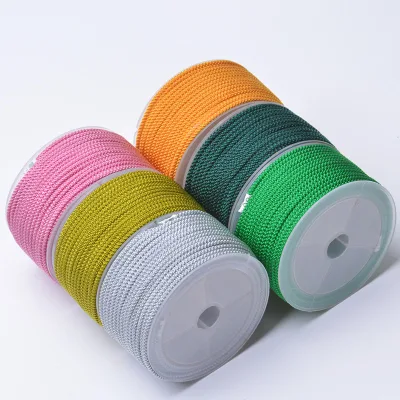
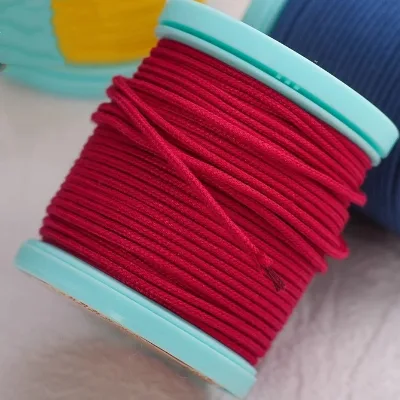
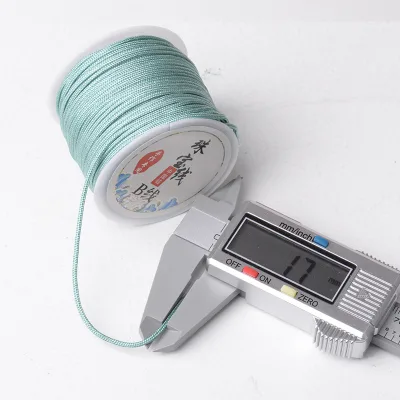
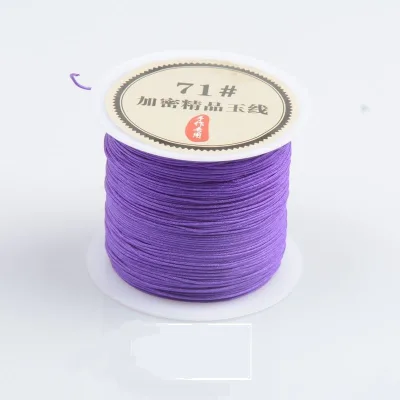


Comprehensive Sourcing Guide
Braided Nylon Cord for Bracelet Sourcing Guide
Sourcing Braided Nylon Cord for Bracelet manufacturing requires a nuanced understanding of material properties, structural integrity, and supply chain transparency. While the core keyword suggests a specific end-use, the underlying product category encompasses a broad spectrum of braided ropes and cords used in jewelry, accessories, and light-duty applications. Buyers must distinguish between general-purpose braided ropes and those specifically engineered for wearable items, where aesthetics, flexibility, and skin safety are paramount. The following guide provides evidence-based procurement strategies to help buyers navigate the complexities of sourcing these materials from global suppliers, particularly those originating from major manufacturing hubs like China.
This guide is structured to address the critical decision points in the procurement lifecycle, from initial product scope definition to long-term supplier relationship management. By focusing on verified attributes such as material composition, certification standards, and packaging methods, buyers can mitigate risks associated with quality inconsistencies and compliance failures. The insights provided are derived from observed market data and trusted category knowledge, ensuring that recommendations are grounded in reality rather than speculative claims. This disciplined approach enables procurement teams to make informed decisions that align with both operational efficiency and brand integrity.
Product Scope and Observed Listing Signals
The product scope for braided nylon cord extends beyond simple jewelry making, encompassing applications in security, shipping, outdoor gear, and garment decoration. Observed listings indicate that these cords are often marketed with versatile usage profiles, including agriculture, packaging, and home textiles, which suggests a high degree of functional adaptability. Buyers should recognize that a single product listing may cater to multiple industries, necessitating careful verification of the specific grade and finish required for bracelet production. The presence of "assorted" or "mixed" color options in listings highlights the importance of defining precise colorfastness and aesthetic requirements early in the sourcing process to avoid receiving unsuitable inventory for delicate applications.
Material composition is a primary differentiator in this category, with nylon and polyester being the most commonly cited materials. Nylon offers superior elasticity and abrasion resistance, making it suitable for dynamic applications, while polyester provides better UV resistance and lower water absorption, which may be preferable for outdoor or long-term wear. Listings frequently mention features such as high tenacity and eco-friendly properties, but buyers must verify these claims through technical data sheets rather than relying solely on marketing keywords. The distinction between "braided rope" and specific "paracord" or "clothesline" variants is crucial, as the structural weave and core construction will significantly impact the final product's durability and appearance.
Technical Specifications to Verify
Technical specifications for braided cords vary widely, with diameter ranges observed from 1mm to 16mm, and specific models like 9mmx15.25m or 9mmx30.5m indicating standardized lengths for certain applications. For bracelet manufacturing, buyers typically require smaller diameters, often in the 1-8mm range, with precise width customization being a key requirement. It is essential to verify the exact tensile strength and elongation properties of the cord, as these factors determine the comfort and security of the final jewelry piece. Buyers should request detailed specification sheets that outline the core construction, such as whether the cord is solid braided or hollow, as this affects both the aesthetic and the functional performance of the bracelet.
Packaging and labeling standards also play a critical role in the technical evaluation of the product. Observed packaging methods include hanks, holders, reels, tubes, and export cartons, each of which impacts storage efficiency and ease of use in production lines. Buyers must confirm that the packaging protects the cord from tangling, moisture, and contamination during transit, especially for colored or mixed variants where color bleeding could be a concern. Additionally, the availability of stock samples and the lead time for sample orders, such as a 7-day turnaround, should be factored into the technical evaluation to ensure that rapid prototyping and quality testing can be conducted without significant delays.
Compliance and Safety Documentation
Compliance and safety documentation are non-negotiable for products intended for direct skin contact, such as bracelets. Certifications such as ISO9001, GS, CE, and various maritime standards like CCS, ABS, GL, DNV, and LR are frequently cited in listings, indicating a broad range of quality and safety benchmarks. However, buyers must distinguish between certifications relevant to industrial or maritime applications and those pertinent to consumer goods and textiles. For bracelet production, it is critical to verify that the nylon or polyester material is free from harmful substances, such as azo dyes or heavy metals, and complies with relevant consumer safety regulations in the target market.
The presence of certifications like ISO9001 suggests a robust quality management system, but it does not automatically guarantee that the specific batch of cord meets all safety requirements for jewelry. Buyers should request test reports from accredited laboratories that specifically address skin irritation, allergenic potential, and chemical composition. Additionally, if the cord is marketed as "eco-friendly," buyers must seek verification of this claim through recognized environmental standards or certifications. Ensuring that the supplier can provide comprehensive documentation for each production batch is essential for maintaining regulatory compliance and protecting the brand from potential liability issues.
Cost Drivers and Commercial Terms
Cost drivers for braided nylon cord include material quality, diameter, color complexity, and order volume. Observed price ranges in the market can vary significantly, with some listings indicating low-cost options while others reflect premium quality for specialized applications. Buyers should be aware that customization, such as specific diameters or unique color blends, often incurs additional costs due to setup fees and reduced production efficiency. The minimum order quantity (MOQ) is another critical factor, with observed ranges spanning from 1 to 20,000 units, allowing for flexibility in sourcing for both small-scale artisans and large manufacturers.
Commercial terms such as payment methods, shipping arrangements, and return policies should be clearly defined in the procurement contract. Buyers should negotiate terms that allow for quality inspections before final payment, especially for large orders. The availability of stock items can reduce lead times and costs, but buyers must ensure that stock items meet their specific technical and aesthetic requirements. Additionally, the cost of samples, whether free or paid, should be considered in the overall budget, as multiple iterations may be necessary to achieve the desired product quality. Understanding these cost drivers enables buyers to make informed decisions that balance quality, cost, and delivery timelines.
Supplier Qualification and Quality Control
Supplier qualification is a critical step in ensuring the reliability and consistency of braided nylon cord supplies. Buyers should conduct thorough due diligence on potential suppliers, verifying their business licenses, production capabilities, and past performance records. The presence of multiple certifications and a diverse product range can indicate a mature and capable supplier, but buyers must also assess their ability to meet specific customization requests and quality standards. Engaging with suppliers who offer OEM services and have a history of successful collaborations can enhance the likelihood of a smooth procurement process.
Quality control measures should be established at every stage of the production and delivery process. Buyers should implement incoming quality inspections to verify that the received cord matches the agreed-upon specifications in terms of diameter, color, and tensile strength. Regular audits of the supplier’s production facilities can help identify potential issues before they impact the supply chain. Additionally, establishing clear communication channels and feedback loops with the supplier can facilitate continuous improvement and address any quality concerns promptly. By prioritizing supplier qualification and rigorous quality control, buyers can minimize risks and ensure a steady supply of high-quality materials for their bracelet production.
Long-Term Procurement Checks
Long-term procurement success depends on the ability to adapt to market changes and maintain strong supplier relationships. Buyers should regularly review their supplier performance metrics, including on-time delivery rates, quality consistency, and responsiveness to issues. Continuous monitoring of market trends and technological advancements in braided cord manufacturing can help buyers stay ahead of competitors and identify new opportunities for innovation. Building a diversified supplier base can also mitigate risks associated with single-source dependencies and ensure business continuity in the event of supply chain disruptions.
Furthermore, buyers should invest in building strategic partnerships with suppliers who share their commitment to quality, sustainability, and ethical practices. Collaborative efforts, such as joint product development or shared sustainability initiatives, can create mutual value and strengthen the supply chain. Regularly updating procurement strategies to reflect changes in customer preferences, regulatory requirements, and economic conditions is essential for long-term success. By focusing on relationship management and strategic alignment, buyers can create a resilient and efficient procurement system that supports their business goals and drives sustainable growth.
FAQs
What certifications are available for braided nylon cord?
Certifications include GS, ISO9001, CCS, ABS, GL, DNV, LR, and CE depending on the specific product model. Some items are made from nylon while others use polyester, each carrying different compliance standards for security and shipping applications.
Which specifications are offered for the braided rope?
Available specifications range from 1mm to 16mm in diameter, with specific models like 9mmx15.25m or 9mmx30.5m. Width options also include 4-5mm or customizable widths to meet diverse usage requirements for outdoor gear and security purposes.
Can I customize the packaging for this cord?
Yes, customization is available for packaging formats such as hank, holder, reel, tube, or export carton. Buyers can also request specific bundle lengths like 15m per bundle or other packing configurations to suit their logistical needs.
What is the minimum order quantity for this product?
The minimum order quantity varies significantly, ranging from 1 unit up to 20,000 units depending on the supplier. Specific listings indicate an MOQ of 500m for certain items, while others may have different thresholds based on customization and stock availability.
How long is the lead time for sample orders?
Sample orders can be supported with a lead time of 7 days for specific products. Stock samples are often available for free, allowing buyers to verify quality before committing to larger orders for garment, security, or shipping applications.
What materials are used to make the braided cord?
The primary materials used are nylon and polyester, selected for their high tenacity and abrasion resistance. These materials ensure durability for applications ranging from outdoor gear and security to garment decoration and agricultural packaging needs.
Are there different color options for the braided rope?
Color options include assorted, white, mix, and colored variations depending on the specific product listing. Buyers can select from these available colors to match their requirements for security, shipping, or decorative outdoor gear applications.