Source Brass Brazing Welding Rod for refrigerators, freezers, and welding
Compare 30 Brass Brazing Welding Rod options from verified Chinese suppliers. These rods support OEM and ODM customization for home refrigerators, freezers, and general welding applications with varying silver content and diameters; compare the available evidence and request quotations based on your requirements.
Updated
Key considerations
Products List
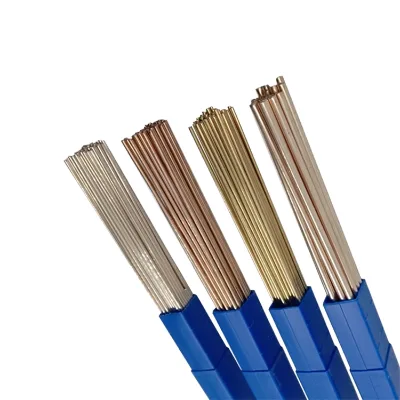




Copper Brazing Rod HS221 Copper Brass Brazing Welding Rod, Bronze Brazing Rod
$7.60 - $8.20
MOQ: 50 kilograms


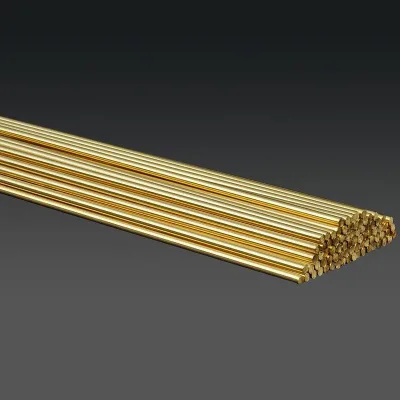
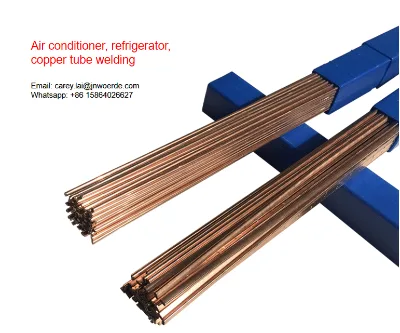
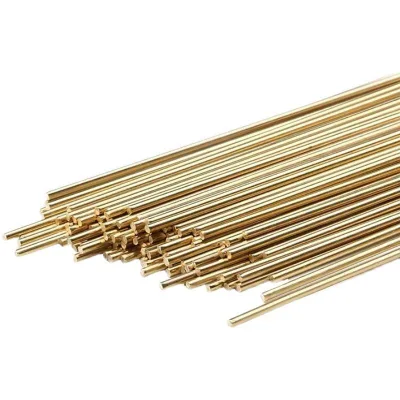
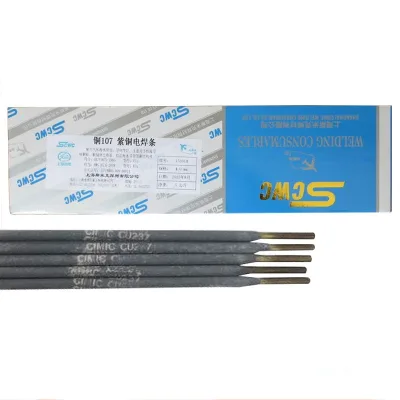
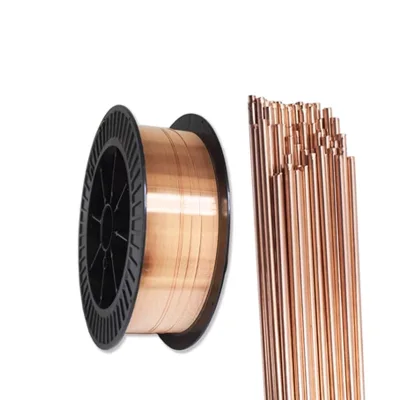


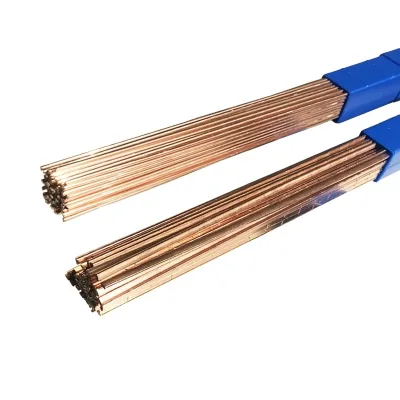
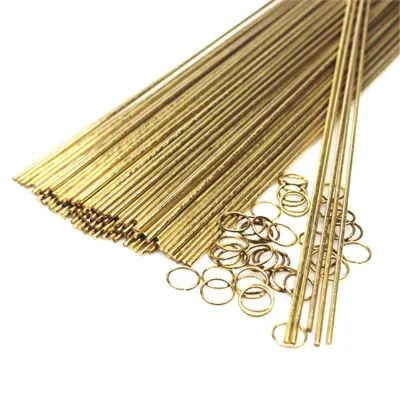
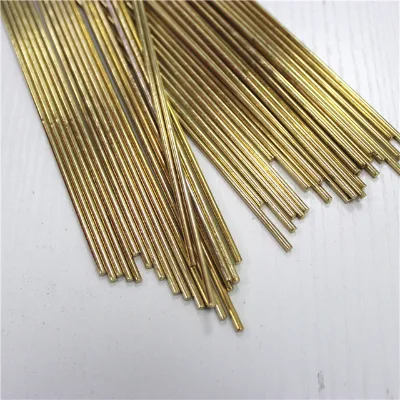
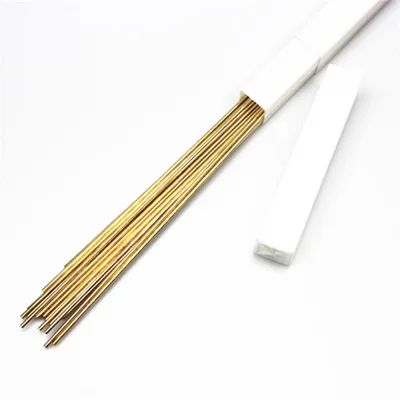
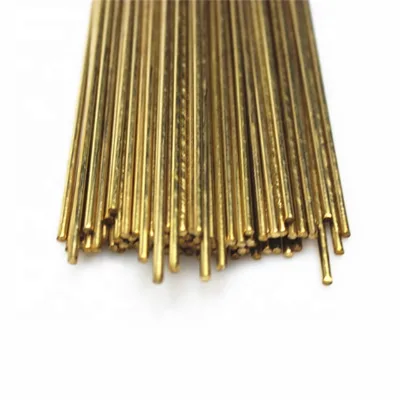
Chinese Manufacturer Sells Lfb Bare Bronze Brazing Rod Hs221 Brass Brazing Rod
$14.4339 - $18.5576
MOQ: 1 kilograms
Comprehensive Sourcing Guide
Brass Brazing Welding Rod Sourcing Guide
Procuring brass brazing welding rods requires a disciplined approach to material verification and supplier qualification. Buyers must distinguish between silver-bearing copper alloys and standard brass compositions, as these differences dictate thermal performance and joint strength. The market offers various diameters and lengths, necessitating precise specification matching to avoid production delays or joint failures. Understanding the operational parameters, such as operating temperature and current requirements, is essential for selecting the correct rod for specific industrial applications.
This guide outlines the critical steps for sourcing high-quality brazing rods, focusing on technical specifications, compliance, and commercial terms. By adhering to evidence-based verification methods, procurement teams can mitigate risks associated with material inconsistencies and supplier reliability. The following sections provide a structured framework for evaluating products, ensuring that every purchased item meets the rigorous demands of modern manufacturing and assembly processes.
Product Scope and Observed Listing Signals
The observed product landscape includes brazing rods designed for copper and copper alloy applications, with specific mentions of home refrigerator and freezer usage. Listings indicate a wide range of diameters, from 1.0mm to 5.0mm, and lengths such as 500mm and 1000mm, catering to diverse welding needs. Materials vary between copper alloys and brass, with some products explicitly containing silver percentages like 2%, 5%, and 15%, which significantly influence melting points and flow characteristics. Buyers should carefully review these material compositions to ensure compatibility with their base metals.
Packaging and logistics details reveal standard practices such as seaworthy cartons and palletized quantities of 500kg, indicating bulk industrial supply chains. Single package weights range from 1.3kg to 1.5kg, suggesting manageable handling for individual units while supporting larger pallet shipments. Origin locations include Shanghai and Zhejiang in China, as well as Tongling, highlighting key manufacturing hubs for these components. These logistical signals help buyers estimate shipping costs and lead times, which are typically reported as two to three weeks for standard orders.
Technical Specifications to Verify
Technical verification must begin with confirming the exact alloy composition, particularly the silver content, which affects brazing temperature and joint integrity. Specifications such as BCuP-2 and RBCuZn-A indicate distinct material standards that buyers must match to their engineering requirements. Operating temperatures around 650°C and current ratings of 500A suggest specific thermal and electrical conditions for optimal performance. Buyers should request detailed material test reports to verify tensile strength, which may be listed around 500 MPa, ensuring the rod meets mechanical demands.
Dimensional accuracy is equally critical, with diameters ranging from 1.6mm to 5.0mm and extended lengths exceeding 20mm. The absence of flux in some products requires buyers to assess whether additional fluxing agents are needed for their specific brazing process. Slag characteristics, described as acidic, can impact post-brazing cleaning requirements and joint appearance. Verifying these physical and chemical properties through sample testing or third-party inspection ensures that the rods will perform reliably in actual production environments without unexpected failures.
Compliance and Safety Documentation
Compliance documentation serves as the primary evidence of supplier reliability and product consistency. ISO 9001 certification is a common standard observed in listings, indicating that the manufacturer follows established quality management principles. Buyers should request valid certification copies and verify their status with the issuing body to ensure ongoing compliance. This documentation provides assurance that the production processes are controlled and monitored, reducing the risk of receiving substandard materials that could compromise final product quality.
Safety data sheets and material declarations are essential for handling and storage compliance. Buyers must ensure that the rods are stored in appropriate conditions to prevent oxidation or contamination, which can affect brazing performance. The absence of flux in certain products may require specific handling procedures to maintain cleanliness. Additionally, verifying that the products meet relevant industry standards for brazing materials ensures that they are suitable for use in regulated environments, such as HVAC or automotive applications, where safety and performance are paramount.
Cost Drivers and Commercial Terms
Cost structures for brazing rods are influenced by material composition, particularly the silver content, which fluctuates with market prices. Minimum order quantities (MOQs) vary significantly, with some suppliers requiring 200kg or more, while others may accept smaller orders. Buyers should negotiate terms that align with their inventory management strategies, balancing bulk discounts against storage costs. Payment terms, such as T/T, are common, and understanding the financial implications of these arrangements is crucial for cash flow management.
Lead times of two to three weeks are typical, but buyers should confirm these estimates during the negotiation phase to avoid production bottlenecks. Sample fees may apply for initial evaluations, which can be credited against future orders. Packaging costs, including seaworthy cartons and palletization, should be included in the total landed cost calculation. By carefully analyzing these commercial terms, buyers can optimize their procurement strategy to achieve the best balance between cost, quality, and delivery reliability.
Supplier Qualification and Quality Control
Supplier qualification involves assessing the manufacturer’s production capabilities and quality control systems. Brands such as SGMTEC and enseweld indicate established market presence, but buyers should verify their track record through customer references or industry reviews. Customization support, including OEM and ODM services, suggests flexibility in meeting specific requirements. Buyers should evaluate the supplier’s ability to provide consistent quality across batches, which is critical for large-scale production runs.
Quality control measures should include incoming material inspections and in-process monitoring. Buyers should request certificates of analysis for each batch to verify chemical composition and mechanical properties. Third-party inspections can provide an additional layer of assurance, particularly for high-value orders. Establishing clear communication channels with the supplier ensures that any quality issues are addressed promptly. By prioritizing suppliers with robust quality control systems, buyers can minimize the risk of defects and ensure consistent performance in their brazing operations.
Long-Term Procurement Checks
Long-term procurement success depends on continuous monitoring of supplier performance and market trends. Buyers should establish key performance indicators (KPIs) to track delivery reliability, product quality, and responsiveness. Regular audits of supplier facilities can help identify potential issues before they impact production. Staying informed about changes in material standards and regulations ensures that the procured rods remain compliant and suitable for evolving industry requirements.
Building a diversified supplier base can mitigate risks associated with single-source dependencies. Buyers should periodically review their supplier portfolio to ensure it meets their current and future needs. Negotiating long-term contracts with favorable terms can provide stability and cost predictability. By maintaining a proactive approach to supplier management, buyers can ensure a steady supply of high-quality brazing rods, supporting their operational efficiency and competitive advantage in the market.
FAQs
What materials are used for brass brazing welding rods?
Brass brazing welding rods are primarily manufactured from copper and copper alloy materials. These rods are designed for brazing copper and copper alloy components. Some variants may also incorporate silver alloys to enhance flow characteristics and joint strength during the brazing process.
What is the typical operating temperature for these rods?
The operating temperature for these brazing rods is typically around 650 degrees Celsius. This temperature range ensures effective melting and flow of the filler metal. Standard operating conditions are maintained to achieve strong, reliable joints in various industrial applications without damaging the base materials.
Are these rods suitable for home refrigerator repair?
Yes, these brazing rods are explicitly listed for use in home refrigerator and freezer applications. They provide reliable joints for copper tubing commonly found in cooling systems. The rods are designed to withstand the operational demands of refrigeration equipment while ensuring leak-free connections.
What certifications do these products typically hold?
These products typically hold ISO9001 certification, indicating adherence to quality management standards. This certification ensures consistent manufacturing processes and product reliability. Buyers can expect standardized quality control measures across different batches and suppliers offering these brazing rods.
What is the standard lead time for orders?
The standard lead time for these products is approximately two to three weeks. This timeframe allows for production and preparation of orders. Buyers should plan their procurement schedules accordingly to ensure timely delivery for their manufacturing or repair projects.
Can these rods be customized for specific needs?
Yes, customization is available for these brazing rods. Suppliers offer ODM and OEM support to meet specific requirements. Buyers can request customized specifications, packaging, or branding to align with their particular industrial applications or distribution needs.