Source 3-in-1 flux core mig welder for Fabrication, Repair, and Construction
Source the 3-in-1 flux core mig welder from 30 verified listings. Compare models like MIG-315 and MIG-200A, featuring inverter technology, 380V input, and CE certification for diverse industrial welding needs; compare the available evidence and request quotations based on your requirements.
Updated
Key considerations
Products List




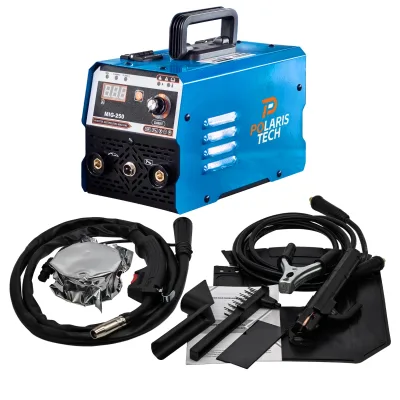
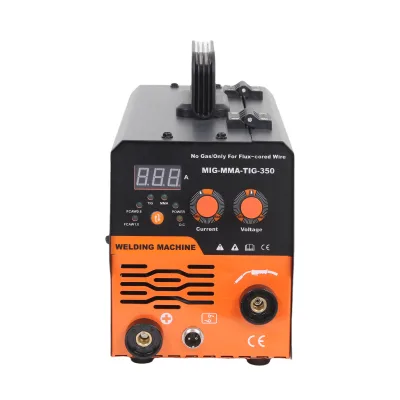
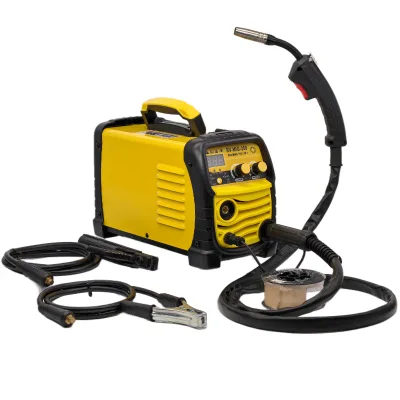
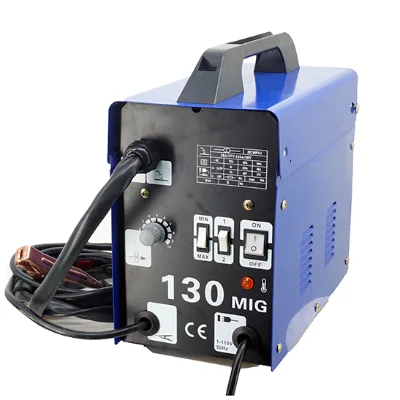
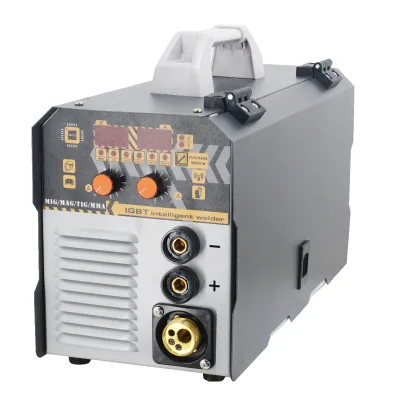
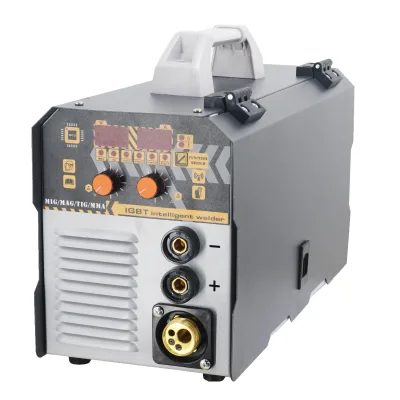
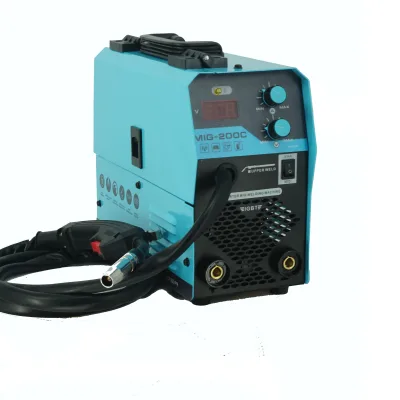
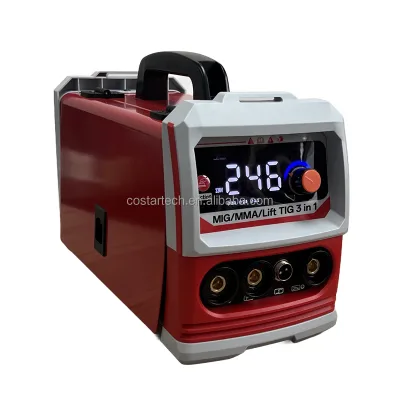
Comprehensive Sourcing Guide
3-in-1 Flux Core Mig Welder Sourcing Guide
Procuring a 3-in-1 flux core MIG welder requires careful evaluation of multi-process capabilities, as these units typically combine MIG, TIG, and MMA functions. Buyers must verify that the inverter technology supports stable arc performance across all modes, particularly for flux-core applications which demand specific voltage and current characteristics. The observed market data indicates a focus on semi-automatic control systems with high-frequency ignition features, ensuring reliable starts for various welding tasks. Understanding the distinction between inverter current and traditional transformer-based outputs is essential for assessing efficiency and portability in industrial settings.
Sourcing decisions should also account for the specific duty cycles and cooling methods integrated into the design. Air-cooled units are prevalent in the observed listings, offering a balance between weight and thermal management for intermittent use. Buyers need to confirm whether the shielding gas options, such as argon mixtures or carbon dioxide, align with their material requirements. The flexibility to switch between gas-shielded and flux-core processes without changing equipment significantly enhances operational versatility, making these machines suitable for diverse fabrication environments where space and budget constraints are critical factors.
Product Scope and Observed Listing Signals
The current market landscape for these welding machines reveals a diverse range of models, with observed prices spanning from $28 to $388 USD. This wide variance suggests differences in build quality, component durability, and included accessories rather than just brand prestige. Minimum order quantities (MOQ) are flexible, ranging from single units to batches of 200, catering to both individual contractors and large-scale industrial procurement. Buyers should note that customization is available, allowing for specific branding or minor technical adjustments, which can be crucial for companies looking to standardize their tooling across multiple job sites.
Product attributes indicate a strong emphasis on inverter technology, with input voltages standardized at 380V/50Hz for industrial compatibility. The rated input power capacity varies, with some models listed at 12.6kW, highlighting the need to verify electrical infrastructure requirements before purchase. Output current ranges are broad, from 50A to 300A, accommodating everything from thin-gauge sheet metal to thicker structural steel. The observed models, such as the MIG-315 and MIG-120, demonstrate that manufacturers offer tiered solutions based on amperage needs, allowing buyers to select equipment that precisely matches their expected workload intensity.
Technical Specifications to Verify
When evaluating technical specifications, buyers must scrutinize the wire diameter compatibility and feeding speed ranges to ensure suitability for their materials. Observed data shows wire diameters ranging from 0.6mm to 1.0mm, with feeding speeds between 2m/Min and 16m/Min. These parameters directly influence weld quality and productivity, particularly when working with flux-core wires that require consistent feed rates to prevent bird-nesting or arc instability. Additionally, the plate thickness capabilities, listed from 1mm to 10mm, provide a clear indication of the machine’s structural welding potential, helping buyers avoid under-specifying equipment for heavy-duty applications.
Voltage and current ranges are critical for process stability, with observed welding voltages between 15.5V and 29V and currents from 30A to 250A. Buyers should verify the electrode diameter compatibility, which ranges from 1.6mm to 4.0mm depending on the model, to ensure adequate filler metal deposition rates. The duty cycle, often cited at 60%, is a key performance metric that determines how long the machine can operate at rated output before requiring cooling. Confirming these specifications against actual job requirements prevents overheating issues and ensures consistent weld quality during extended production runs.
Compliance and Safety Documentation
Safety and compliance documentation are non-negotiable for industrial procurement, with CE certification being a standard requirement for many observed models. Buyers must request valid test reports and certificates to verify that the equipment meets European safety directives, particularly regarding electrical insulation and electromagnetic compatibility. The origin of manufacture, primarily Zhejiang, China, indicates a concentration of manufacturing hubs, but buyers should not assume compliance based on location alone. Independent verification of the CE mark and any additional regional certifications ensures that the equipment can be legally operated and insured in the target market.
Packaging and labeling standards also play a role in compliance and logistics. Observed packing methods include wooden cases and box packages, which must protect the sensitive inverter components during transit. Buyers should verify that the packaging includes clear safety warnings, operational manuals in the local language, and proper labeling of hazardous materials if applicable. Ensuring that the product origin and model numbers are clearly documented on all compliance certificates prevents customs delays and facilitates easier maintenance and warranty claims in the future.
Cost Drivers and Commercial Terms
Cost drivers for 3-in-1 flux core MIG welders include the quality of internal components, such as IGBT modules and cooling fans, as well as the level of customization offered. Higher-priced units often feature more robust wire feed mechanisms and advanced digital controls, which enhance precision and user experience. Buyers should analyze the total cost of ownership, considering energy efficiency and maintenance requirements, rather than focusing solely on the initial purchase price. The observed price range suggests that significant savings can be achieved by selecting models that meet minimum technical requirements without unnecessary premium features.
Commercial terms, including MOQ and lead times, vary significantly among suppliers. With MOQs as low as one unit, buyers have flexibility to test equipment before committing to larger orders. However, bulk purchases may offer better pricing and priority production slots. Buyers should negotiate clear terms regarding warranty coverage, return policies, and after-sales support. Understanding the payment structure and shipping responsibilities is essential to avoid hidden costs. Clear communication regarding these terms ensures a smooth procurement process and minimizes financial risk associated with international trade.
Supplier Qualification and Quality Control
Supplier qualification involves verifying manufacturing capabilities and quality control processes to ensure consistent product performance. Buyers should request evidence of production line audits and quality assurance protocols, such as incoming material inspections and final functional testing. The observed models indicate a range of specifications, suggesting that suppliers may offer different tiers of quality. Buyers must confirm that the specific model they order meets the advertised technical parameters, including weight, dimensions, and electrical ratings. Establishing a clear quality agreement with the supplier helps prevent discrepancies between ordered and delivered goods.
Quality control checks should include visual inspections for build quality, such as weld seams and component mounting, as well as functional tests of all welding modes. Buyers may consider third-party inspection services for large orders to verify compliance with specifications before shipment. The observed net weights, ranging from 4.8kg to 9.8kg, provide a quick check for component completeness and material quality. Ensuring that the supplier has a robust process for handling defects and returns is crucial for maintaining operational continuity and protecting the buyer’s investment in welding equipment.
Long-Term Procurement Checks
Long-term procurement success depends on establishing reliable supply chains and maintaining ongoing supplier relationships. Buyers should monitor supplier performance metrics, such as on-time delivery rates and defect frequencies, to identify potential issues early. Regular communication regarding product updates and technological advancements can help buyers stay informed about improvements in 3-in-1 welder technology. Building a relationship with a trusted supplier ensures access to spare parts and technical support, which are critical for minimizing downtime in welding operations.
Continuous evaluation of equipment performance in the field provides valuable feedback for future purchasing decisions. Buyers should track metrics such as arc stability, wire feeding reliability, and overall durability under actual working conditions. This data can inform negotiations for better pricing or specifications in subsequent orders. Additionally, staying informed about regulatory changes and industry standards ensures that purchased equipment remains compliant and competitive. Proactive management of the procurement lifecycle helps optimize costs and maintain high standards of welding quality over time.
FAQs
What is the output current range for the MIG-315 inverter welder?
The MIG-315 inverter welder provides an output current range of 50 to 300 amperes. This capacity supports welding plate thicknesses from 1mm to 5mm using 0.8 or 1.0mm wire. It operates at a rated input power of 12.6kw with a 60% duty cycle. The unit weighs 4.8kg and uses air cooling for efficient thermal management during continuous industrial operations.
Can the MIG 120 welder handle thicker plates up to 10mm?
Yes, the MIG 120 welder can handle plate thicknesses up to 10mm. It delivers a welding current range of 50 to 200 amperes with a wire feeding speed of 2 to 16m/min. The unit weighs 9.2kg and supports wire diameters from 0.6 to 1.0mm. It features semi-automatic control and CE certification for reliable performance in various fabrication tasks.
Which shielding gas is compatible with the MIG-250A model?
The MIG-250A model is compatible with argon gas mixtures for shielding. It offers a welding current range of 50 to 250 amperes and weighs 9.8kg. The machine supports wire diameters of 0.6 to 1.0mm and plate thicknesses up to 10mm. It features air cooling and semi-automatic control, ensuring stable arc performance for high-quality welds in professional environments.
What is the MOQ and price range for these MIG welders?
The minimum order quantity for these MIG welders ranges from 1 to 200 units. The observed price range in USD is 28 to 388. These values depend on the specific model, such as the MIG-315 or MIG 120, and customization options. Buyers should verify exact pricing and MOQs with suppliers, as these figures reflect general market observations for bulk procurement.
How does the MMA-160A differ from the MIG-250 in control?
The MMA-160A features manual control, whereas the MIG-250 typically utilizes semi-automatic or automatic wire feeding. The MMA-160A supports a welding current of 30 to 160 amperes and weighs 5.7kg. It uses carbon dioxide shielding gas and handles electrodes from 1.6 to 2.5mm. This manual operation suits stick welding tasks, offering flexibility for different welding processes and material thicknesses.
What certifications are standard for these Chinese-made MIG welders?
These Chinese-made MIG welders typically carry CE certification as a standard compliance mark. The products originate from Zhejiang, China, and include models like the MIG-315 and MIG 120. Buyers should verify specific certification documents with suppliers, as standards may vary by manufacturer. The CE mark indicates adherence to European health, safety, and environmental protection standards for electrical equipment.