Source IP65 Welding Torch and Accessories Set for Industrial, Auto, and Construction
Explore 30 verified listings for the IP65 Welding Torch and Accessories Set, featuring TIG and MIG options with certifications like ISO and CE. Compare specifications including amperage, gas types, and customization support to find the right equipment for your welding needs.
Updated
Key considerations
Products List

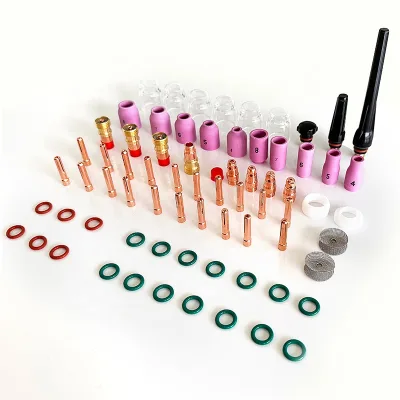
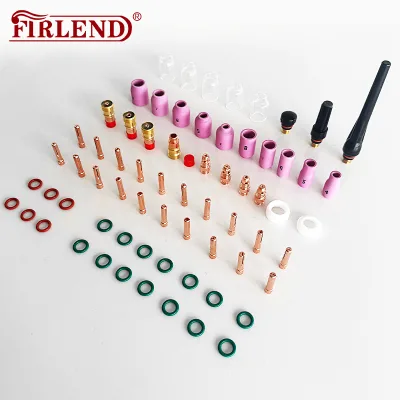


$2.40 - $2.50
MOQ: 1 Pieces


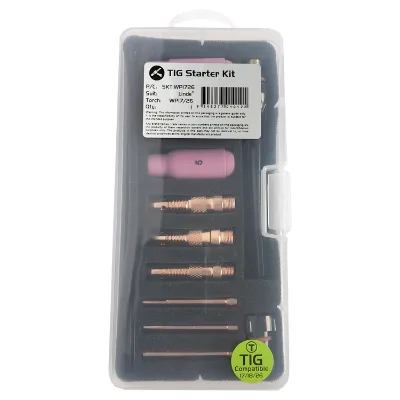
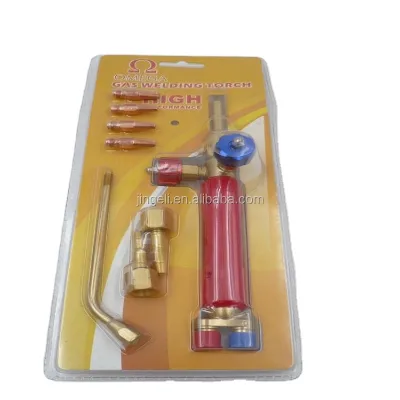
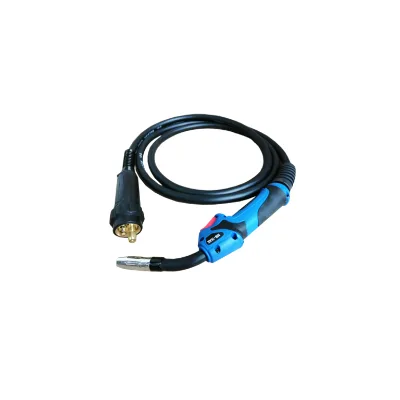
$8.1971 - $18.4434
MOQ: 300 Minimum
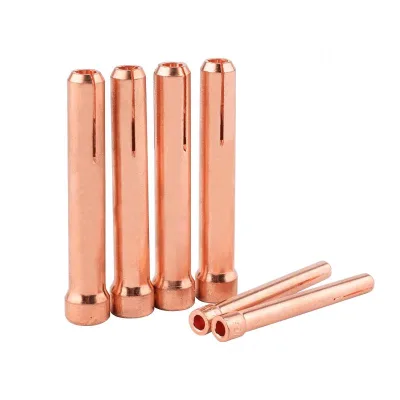


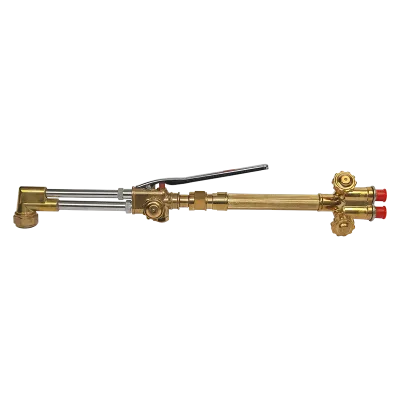
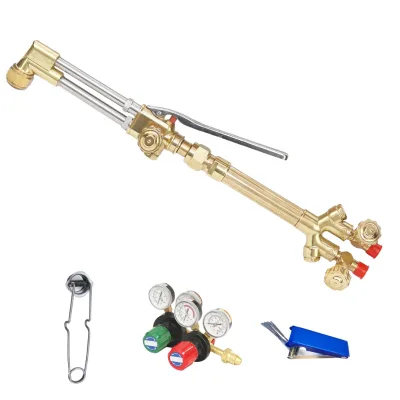




Comprehensive Sourcing Guide
IP65 Welding Torch and Accessories Set Sourcing Guide
Procuring an IP65 Welding Torch and Accessories Set requires a nuanced understanding of industrial welding environments where dust and water resistance are critical for operational continuity. Buyers must distinguish between general-purpose torches and those specifically engineered for harsh conditions, ensuring that the ingress protection rating aligns with the specific hazards of the welding floor. This guide focuses on verifying the technical integrity of these components, from the torch body to the consumable accessories, to prevent premature failure and ensure consistent weld quality.
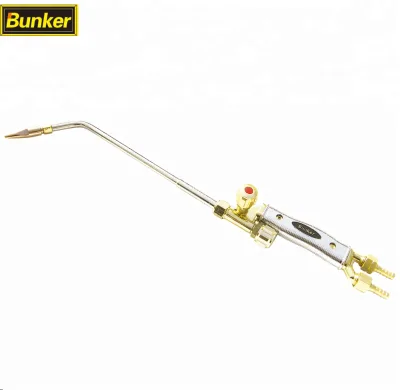
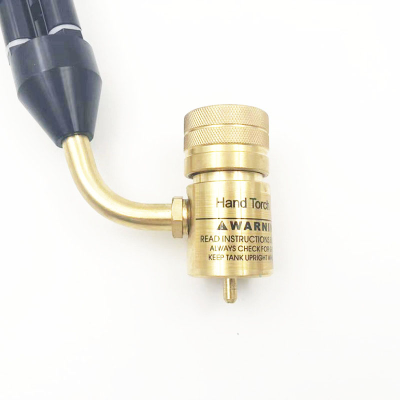
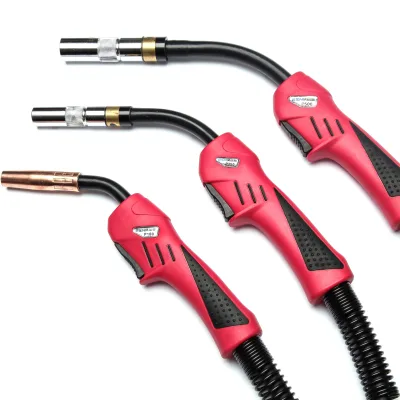
The sourcing process involves evaluating a wide array of products, including TIG and MIG welding torches, along with their associated accessories such as ceramic nozzles, gas lenses, and collets. The market offers diverse options ranging from brass and copper components to complete torch assemblies with varying lengths and duty cycles. Understanding the specific material composition and electrical specifications is essential for matching the equipment to the intended welding application, whether it involves high-amperage cutting or precision argon welding tasks.
Product Scope and Observed Listing Signals
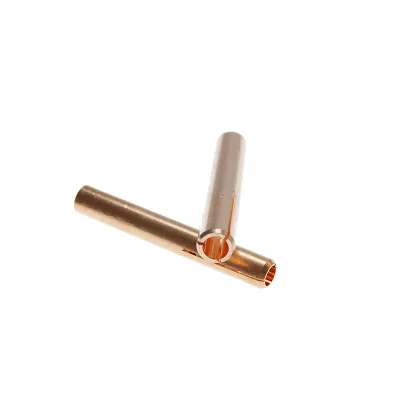
The current market landscape for welding torches and accessories reveals a significant diversity in product types, materials, and intended applications. Listings indicate the presence of TIG welding torch accessories, including models like WP17, WP18, and WP26, which are often crafted from brass or copper to ensure optimal thermal conductivity and durability. These components are frequently marketed with specific keywords such as "ceramic nozzle," "gas lens," and "collet," highlighting the modular nature of the accessories that allow for customization and replacement. Buyers should note that while some products are labeled for TIG welding, others are designed for MIG or CO2 welding, each requiring distinct compatibility checks.
Observed listing signals also point to a broad range of specifications, including amperage ratings up to 300A and cutting thickness capabilities between 10-100mm for certain cutting torches. The materials used range from brass for specific fittings to copper for critical conductive parts, with weights varying from 4.0kg to 8kg per package. Additionally, the presence of brands like Firlend and HANZO suggests a competitive market with varying levels of brand recognition. Buyers must carefully cross-reference these observed attributes with their specific technical requirements, as the term "accessories set" can encompass everything from single ceramic nozzles to complete torch assemblies with integrated cables.
Technical Specifications to Verify
When evaluating welding torches, verifying the electrical and gas specifications is paramount to ensuring compatibility with existing power sources and gas supply systems. Buyers should confirm the voltage requirements, which typically range from 110V to 240V, and check the duty cycle ratings, such as 60%, to ensure the torch can handle the intended workload without overheating. For TIG torches, the model numbers like WP17, WP18, and WP26 indicate specific design features and compatibility with various torch bodies, while MIG torches may have different model numbers like MIG15, each with distinct wire size tolerances ranging from 0.8mm to 1.2mm.
Gas pressure and aperture specifications are equally critical for maintaining stable arcs and clean welds. For cutting torches, the oxygen pressure typically ranges from 0.2 to 0.5 MPa, while acetylene pressure may be as low as 0.001 to 0.1 MPa, with a cutting oxygen aperture of 1.3mm. For welding applications, the gas type, whether argon for TIG or MIG/CO2 for MIG welding, must match the torch design. Buyers should also verify the cable length options, which are often available in 3m, 4m, or 5m configurations, to ensure adequate reach and flexibility in the welding workspace.
Compliance and Safety Documentation
Ensuring that welding equipment meets international safety and quality standards is a non-negotiable aspect of responsible procurement. Buyers should request documentation confirming compliance with recognized certifications such as ISO, CE, RoHS, and TUV, which indicate that the products have undergone rigorous testing for electrical safety, environmental impact, and manufacturing quality. The presence of GS certification further suggests adherence to specific German safety standards, which are often considered a benchmark for high-quality industrial equipment. These certifications provide assurance that the torches and accessories are safe for use in various industrial environments and meet the regulatory requirements of the destination market.
In addition to product-level certifications, buyers should verify that the suppliers adhere to broader quality management systems and industry standards. While specific standards like EN 60974 and IEC 60974 are relevant to welding equipment, buyers must confirm that the products meet the exact versions of these standards applicable to their region. It is also important to check for any additional safety features, such as insulated handles or pressure relief mechanisms, which contribute to operator safety. Documentation should clearly state the warranty terms, such as a 1-year warranty, which reflects the manufacturer's confidence in the product's durability and performance.
Cost Drivers and Commercial Terms
The cost of welding torches and accessories is influenced by several factors, including material quality, manufacturing complexity, and order volume. Products made from high-grade brass or copper, such as those used in TIG torch accessories, tend to be more expensive due to the superior thermal and electrical properties of these materials. The inclusion of advanced features, such as gas lenses or specialized ceramic nozzles, also adds to the cost. Buyers should be aware that the observed price range of $0.09 to $300 USD reflects this diversity, with lower prices typically corresponding to individual consumables and higher prices for complete torch assemblies or high-amperage cutting torches.
Commercial terms, including minimum order quantities (MOQ) and lead times, play a significant role in the total cost of ownership. MOQs can vary widely, from as low as 1 piece for sampling to 300 pieces for bulk orders, with some suppliers setting specific MOQs like 200 sets for certain product lines. Lead times are typically estimated at 15-30 days, which buyers must factor into their production schedules. Additionally, packaging details, such as export-standard cartons or individual color boxes, can affect shipping costs and handling efficiency. Buyers should negotiate clear terms regarding payment, shipping, and returns to mitigate financial risks associated with bulk procurement.
Supplier Qualification and Quality Control
Selecting a reliable supplier is crucial for ensuring the consistent quality and availability of welding torches and accessories. Buyers should prioritize suppliers who demonstrate a strong supply ability, such as the capacity to produce 15,000 pieces per year, indicating a stable and scalable manufacturing operation. Verification of the supplier's place of origin, whether in Hebei or Guangdong, China, can provide insights into the local industrial ecosystem and potential logistical advantages. It is also important to assess the supplier's commitment to customization, as many offer OEM services to meet specific brand or technical requirements.
Quality control measures should be a key criterion in supplier evaluation. Buyers should inquire about the supplier's internal testing procedures, inspection protocols, and quality assurance certifications. While specific test results are not provided in the general context, buyers should request sample testing reports or third-party verification to ensure that the products meet the specified technical parameters. Additionally, checking the supplier's track record for customer satisfaction and after-sales support, including warranty claims handling, can provide valuable insights into their reliability and commitment to long-term partnerships.
Long-Term Procurement Checks
Establishing a long-term procurement strategy for welding torches and accessories requires ongoing monitoring of product performance and supplier reliability. Buyers should implement a system for tracking the lifespan and failure rates of different torch models and accessories in their specific welding applications. This data can inform future purchasing decisions, allowing buyers to identify which products offer the best balance of cost and durability. Regular feedback from welding operators regarding ease of use, comfort, and performance can also highlight areas for improvement or alternative product considerations.
Furthermore, buyers should maintain open communication with suppliers to stay informed about product updates, new technologies, and changes in certification requirements. As industry standards evolve, it is essential to ensure that the procured equipment remains compliant with the latest regulations. Building a diversified supplier base can also mitigate risks associated with supply chain disruptions, ensuring that critical welding operations are not halted due to stockouts or quality issues. By focusing on these long-term checks, buyers can optimize their procurement processes and maintain high standards of welding quality and safety.
FAQs
What certifications do the welding torch accessories have?
The accessories hold ISO, CE, RoHS, TUV, and GS certifications. These credentials ensure compliance with international safety and quality standards for industrial welding applications. Buyers can verify these marks to confirm regulatory adherence for global shipping and usage in regulated markets.
Which materials are used for the welding torch parts?
The components are manufactured from brass and copper materials. These metals provide excellent thermal conductivity and durability for high-temperature welding environments. The golden color finish is typical for brass parts, ensuring reliable performance during Tig and Argon welding operations.
What is the minimum order quantity for these items?
The minimum order quantity is 200 sets. This MOQ applies to the standard export carton packaging. Buyers requiring smaller quantities should contact suppliers directly to discuss potential flexibility or alternative packaging options that might accommodate lower volume procurement needs.
How long is the delivery time for orders?
The standard delivery time ranges from 15 to 30 days. This lead time accounts for production and export preparation. Buyers should factor this duration into their supply chain planning to ensure timely receipt of welding torch accessories for their manufacturing operations.
Can these accessories be customized for specific needs?
Yes, customization is available including OEM support. Buyers can request specific modifications to meet unique welding requirements. This flexibility allows for tailored solutions in industrial settings, ensuring the accessories integrate seamlessly with existing welding equipment and workflow processes.
What is the warranty period for these products?
The products come with a 1-year warranty. This coverage protects against manufacturing defects and ensures quality assurance. Buyers can rely on this warranty for peace of mind regarding the durability and performance of the welding torch accessories during initial operational use.