Source Bus Clutch Booster Cylinder for Trucks, Buses, and Trailers
Find 30 verified Bus Clutch Booster Cylinder options from Chinese manufacturers. Buyers can compare specifications, certifications, and pricing for Yutong and other heavy-duty applications.
Key considerations
Products List


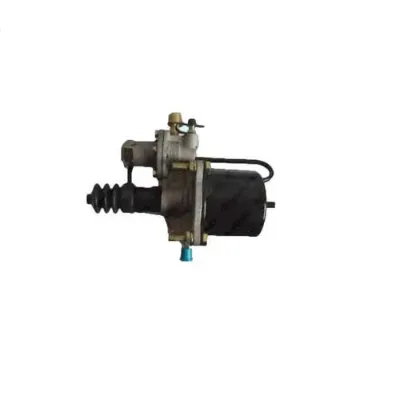
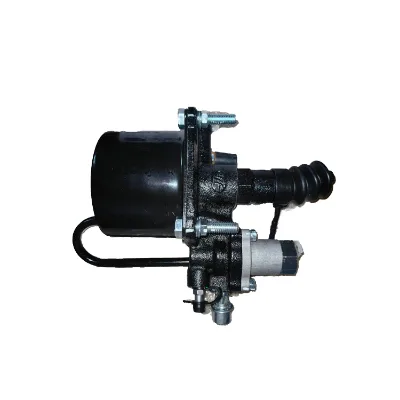
High Quality Truck Spare Parts Pump Dz93189230200 Clutch Booster Cylinder
$34.00 - $36.00
MOQ: 50 Pieces


High Performance Truck Clutch Booster Cylinder Dz9112230166 for Sinotruk
$15.00 - $16.00
MOQ: 50 Pieces



Comprehensive Sourcing Guide
Strategic Sourcing Guide for Bus Clutch Booster Cylinders
Procuring a Bus Clutch Booster Cylinder requires a disciplined approach that balances technical precision with supply chain reliability. The core component, often categorized under brake systems or hydraulic actuators depending on the specific vehicle architecture, serves as a critical interface between the driver's input and the transmission's engagement mechanism. For fleet managers and procurement officers, the challenge lies not merely in finding a part that fits, but in identifying a supplier whose manufacturing standards align with the rigorous demands of heavy-duty transit operations. This guide synthesizes available market data and industry standards to provide a framework for evaluating potential suppliers and products without relying on unverified claims.
Technical Specifications and Component Identification
The first step in sourcing a Bus Clutch Booster Cylinder is the precise identification of the component's technical specifications. In the current market, these parts are frequently identified by specific model numbers that correspond to distinct vehicle manufacturers and chassis configurations. For instance, data indicates the existence of specific part identifiers such as 1609-10-00007, 105232, and 44640-3571. These alphanumeric codes are not arbitrary; they serve as the primary verification tool to ensure compatibility with specific bus models, including those from manufacturers like Yutong or Daewoo.
When evaluating a product listing, buyers must scrutinize the "Working State" and "Working Mode" attributes. High-performance units for heavy-duty buses often utilize a "Linkage" working state combined with "Power Combining" or "Electricity Combination" modes. This distinction is vital because it dictates how the cylinder interacts with the vehicle's existing hydraulic or pneumatic systems. Furthermore, the physical dimensions and weight are critical for logistics and installation. Observed specifications for similar heavy-duty components indicate weights ranging from 3kg to 5kg, with packaging standards often adhering to dimensions like 15x5x5cm.
Material composition is another non-negotiable specification. The vast majority of reliable clutch booster cylinders for buses are constructed from steel, ensuring the necessary durability to withstand high-pressure cycles and vibration. The "Grade" of the material, often cited as "a-Level" in industry parlance, suggests a premium tier of steel alloying that resists corrosion and fatigue. Buyers should verify that the material grade matches the operational environment of the bus, particularly if the vehicle operates in regions with extreme temperature fluctuations or corrosive road conditions.
Compliance, Certification, and Emission Standards
In the global automotive aftermarket, certification serves as the primary proxy for quality assurance. A supplier's ability to provide valid documentation is often more important than the physical appearance of the product. The market data highlights several key certifications that buyers should look for, including ISO/TS 16949, ISO 14001, GMP, and FSC. These standards indicate that the manufacturer adheres to international quality management systems, environmental protocols, and good manufacturing practices.
Specifically, ISO/TS 16949 is the automotive industry standard for quality management, ensuring that the production process is capable of consistently delivering products that meet customer requirements. The presence of TUV and GS certifications further validates the safety and reliability of the component, particularly for electrical or electromechanical variants. For electromechanical clutch cylinders, which may operate on DC24V systems, compliance with CE, E-Mark, and RoHS standards is essential to ensure electrical safety and environmental compliance.
Emission standards also play a role in component selection, as the clutch system interacts with the engine's performance. While the cylinder itself is a mechanical or hydraulic device, its efficiency impacts the overall engine load. Buyers should verify that the component is compatible with vehicles meeting Euro II, III, IV, V, and VI emission standards. This compatibility ensures that the replacement part does not inadvertently cause the vehicle to fail regulatory inspections or reduce fuel efficiency.
Cost Drivers and Pricing Structures
Understanding the cost drivers for bus clutch booster cylinders is essential for budgeting and negotiation. The observed price range in the market spans from $0.20 to $136.00 USD. This wide variance is not indicative of a single product type but rather reflects differences in brand origin, material quality, certification levels, and order volume. The lower end of the spectrum typically corresponds to generic, unbranded parts with minimal certification, while the higher end reflects original equipment manufacturer (OEM) equivalents or high-grade aftermarket parts with full compliance documentation.
The Minimum Order Quantity (MOQ) is another significant factor influencing the unit cost. Market observations show MOQs ranging from 1 unit to 5,000 units. For small fleet operators or independent repair shops, suppliers offering an MOQ of 1 are critical for maintaining inventory flexibility. However, larger fleet managers can leverage high-volume orders to negotiate better pricing. It is important to note that some suppliers list prices as "Negotiation," indicating that the final cost is dependent on the specific order volume, shipping terms, and customization requirements.
Customization is a major cost driver. The availability of customization options allows buyers to request specific packaging, branding, or minor design modifications. While this adds value, it often increases the unit price and lead time. Buyers must weigh the cost of customization against the operational benefits, such as reduced packaging waste or better inventory tracking.
Typical Applications and Vehicle Compatibility
The application scope of bus clutch booster cylinders is broad, covering various vehicle types and operational contexts. The primary application is for heavy-duty trucks, dump trucks, tractor trucks, and cargo trucks, but the specific focus here is on bus applications. Data confirms the usage of these components in Daewoo bus parts and Yutong bus systems. The "Position" of the cylinder is typically "Front," indicating its placement in the engine bay or transmission housing where it can effectively transmit force.
The versatility of these components extends to other machinery, including motorcycles, farm machinery, tractors, and racing cars. However, for bus procurement, the focus must remain on the heavy-duty variants designed for continuous operation. The "Working Mode" of "Power Combining" or "Electricity Combination" suggests that these cylinders are often integrated into complex systems that may include electronic control units. This integration requires careful verification of the vehicle's electrical system, particularly regarding voltage requirements, which are often standardized at DC24V for heavy-duty buses.
Buyers should also consider the "Condition" of the parts. The market predominantly offers "Brand-New" items, which is the standard expectation for critical safety components. Purchasing refurbished or used parts for a bus clutch system is generally inadvisable due to the high risk of failure and the potential for catastrophic safety incidents.
Supplier Evaluation and Quality Assurance
Evaluating a supplier requires a multi-faceted approach that goes beyond checking a list of certifications. The "Quality" attribute is frequently described as "High Quality" or "Original Yutong Parts," but these terms must be substantiated by the supplier's processes. A key indicator of a reliable supplier is their commitment to testing. The data highlights a specific quality control measure: "100% Tested One by One Before Shipment." This rigorous testing protocol is a strong signal of a supplier's dedication to minimizing defect rates and ensuring that every unit shipped meets performance standards.
The "Shipment" method is another critical evaluation point. Suppliers offering options for Sea, Air, and Express shipping demonstrate logistical flexibility. For urgent repairs, Express shipping may be necessary, while for bulk fleet overhauls, Sea shipping offers cost efficiency. The "Main Market" reach of the supplier, which includes South America, the Middle East, Southeast Asia, Africa, and Western Europe, indicates a global supply chain capability. A supplier with a diverse market presence is often more resilient to regional disruptions.
Packaging standards are also indicative of a supplier's professionalism. Options such as Cartons, CTN, Carton Boxes, Wooden Cases, and Customer's Requests show that the supplier can adapt to different logistical needs. Proper packaging is essential to prevent damage during transit, especially for hydraulic components that may be sensitive to impact or contamination.
Long-Term Procurement and Supply Chain Stability
Long-term procurement of bus clutch booster cylinders requires a focus on supply chain stability and relationship management. The "Company Visit: Welcome" attribute suggests that some suppliers are open to on-site audits, which can be a valuable step in verifying manufacturing capabilities and quality control processes. For large-scale buyers, establishing a direct relationship with the manufacturer can lead to better pricing, priority production slots, and access to technical support.
The "Standard" of production, such as SGS/CE/RoHS/SGS/GMP, should be viewed as a baseline rather than a guarantee of long-term consistency. Buyers should request periodic re-certification and quality reports to ensure that the supplier maintains their standards over time. Additionally, the "Emission Standard" compatibility should be reviewed periodically as regulations evolve, ensuring that the procured parts remain compliant with future environmental laws.
Lead times and inventory management are also crucial. While specific lead times are not provided in the data, the wide range of MOQs and the availability of customization suggest that lead times can vary significantly. Buyers should plan for potential delays, especially when ordering customized parts or during peak seasons. Establishing a safety stock of critical components, such as the clutch booster cylinder, can mitigate the risk of vehicle downtime.
Comparative Analysis of Product Attributes
To facilitate decision-making, the following table summarizes key attributes observed in the market for bus clutch booster cylinders. This comparison helps buyers quickly identify the features that align with their specific procurement needs.
| Attribute Category | Common Observation | Verification Requirement |
|---|---|---|
| Product Type | Brake System, Brake Cylinders | Confirm specific application (Clutch vs. Brake) |
| Material | Steel (a-Level Grade) | Request material certification or mill test reports |
| Certification | ISO/TS 16949, CE, E-Mark, RoHS | Verify current validity of certificates |
| Condition | Brand-New | Inspect packaging for signs of tampering |
| Voltage | DC24V | Match with vehicle electrical system specs |
| Weight | 3kg - 5kg | Verify against original part weight |
| Packaging | Cartons, Wooden Cases, CTN | Ensure packaging protects against transit damage |
| Testing | 100% Tested One by One | Request test reports or certificates of conformity |
| Origin | China | Verify country of origin for tariff purposes |
| Market Reach | Global (All Over The World) | Check supplier's experience with local regulations |
Conclusion
Sourcing a Bus Clutch Booster Cylinder is a complex task that demands attention to detail regarding technical specifications, compliance, and supplier reliability. The market offers a wide array of options, from generic parts to high-quality OEM equivalents, each with distinct advantages and trade-offs. By focusing on verified certifications like ISO/TS 16949, ensuring material quality through steel grade verification, and prioritizing suppliers with rigorous testing protocols, buyers can secure components that ensure the safety and efficiency of their bus fleets. The ability to customize packaging and order in flexible quantities further enhances the procurement strategy, allowing for a supply chain that is both cost-effective and resilient. Ultimately, the goal is to establish a partnership with a supplier who not only provides a product but also guarantees the quality and consistency required for long-term operational success.
FAQs
What certifications do Bus Clutch Booster Cylinder manufacturers hold?
Manufacturers typically hold ISO/TS 16949, ISO 14001, and TUV certifications. These standards ensure quality management and safety compliance for heavy-duty vehicle components used in global fleets.
Which material grade is used for durable bus clutch cylinders?
The components are constructed from a-Level steel to ensure durability. This premium grade resists corrosion and fatigue, making it suitable for high-pressure cycles in heavy-duty transit operations.
How are these cylinders tested before they are shipped to buyers?
Every unit undergoes 100% individual testing prior to shipment. This rigorous quality control measure minimizes defect rates and ensures that each component meets strict performance standards for safety.
Can buyers request custom packaging for their orders?
Yes, customization is available for packaging requirements. Suppliers offer options like cartons, wooden cases, or specific customer requests to accommodate different logistical needs and inventory tracking systems.
What is the typical weight range for these heavy-duty components?
Observed weights for these units range from 3kg to 5kg. This weight specification is critical for logistics planning and ensures compatibility with the installation requirements of various bus chassis models.
Which vehicle models are compatible with these clutch booster cylinders?
These parts are compatible with Yutong and Daewoo bus models. They are also designed for heavy-duty trucks, dump trucks, and tractor trucks requiring linkage or power combining working modes.
What shipping methods are available for international orders?
Suppliers offer shipping by sea, air, or express delivery. This flexibility allows buyers to choose the most cost-effective or urgent method depending on their specific fleet maintenance schedules.