Source Bus Headlight for Trucks, Buses, and Coaches
Find 30 Bus Headlight options for trucks, buses, and coaches. Compare 12V and 24V LED assemblies with waterproof designs and customization services to find suitable replacements for commercial vehicle lighting systems.
Key considerations
Products List


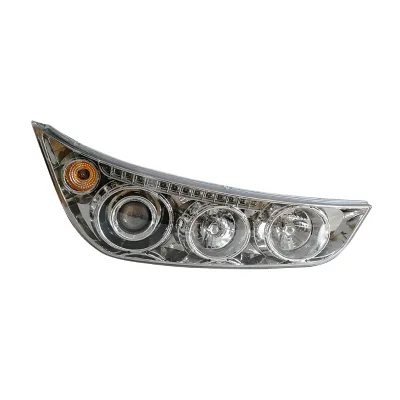


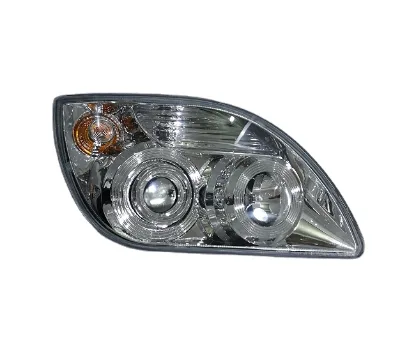
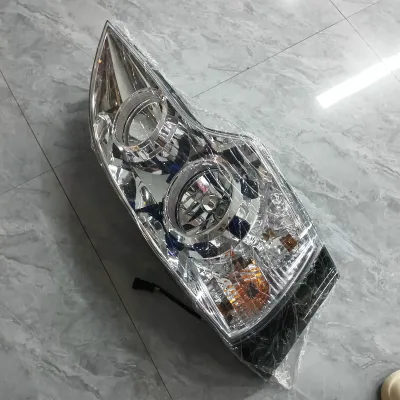
Comprehensive Sourcing Guide
Bus Headlight Sourcing Guide
Sourcing replacement or upgrade lighting components for commercial transit fleets requires a disciplined approach that balances optical performance, electrical compatibility, and long-term durability. Bus Headlight assemblies serve critical safety functions, providing illumination for low-beam and high-beam operations while ensuring visibility for drivers in adverse weather conditions. The procurement process must account for the specific mechanical constraints of bus chassis, the electrical architecture of heavy-duty vehicles, and the rigorous environmental demands placed on exterior lighting systems. Buyers must navigate a market where product specifications vary significantly between manufacturers, making precise verification of technical attributes essential before committing to bulk orders.
This guide provides a structured framework for evaluating Bus Headlight products based on observed market signals and standard procurement practices. It focuses on identifying key technical parameters, verifying compliance documentation, and establishing robust commercial terms. By adhering to these evidence-based sourcing principles, procurement teams can mitigate risks associated with incompatible parts, premature failure, and supply chain disruptions. The following sections detail the critical steps for validating product scope, assessing technical specifications, and ensuring long-term supplier reliability.
Product Scope and Observed Listing Signals
The current market for Bus Headlight assemblies exhibits a wide range of product configurations, from standard replacement units to customized high-intensity LED solutions. Observed listings indicate a diverse array of model numbers, such as the HSDJ-004, DB-H02-507, and HC-B series variants, suggesting that suppliers cater to specific bus makes and models rather than offering a single universal fitment. Buyers should note that while some products are labeled as "Universal Fitment," others are strictly tailored to specific chassis types, such as those originating from Changzhou, Jiangsu, or Guangxi, China. This geographic diversity in origin points to a fragmented supply chain where buyers must carefully match part numbers to their existing fleet inventory to avoid installation errors.
Pricing and minimum order quantities (MOQ) vary significantly across suppliers, with observed price ranges spanning from low-cost individual units to high-value bulk contracts. The presence of both "Customization: Available" and "Non-Customized" options indicates that buyers have the flexibility to request tailored solutions, such as specific voltage configurations or packaging requirements. However, the availability of customization often comes with higher MOQs or longer lead times, which must be factored into inventory planning. Buyers should also observe that packing methods, such as carton or carton box packaging, are standardized but may require additional protection for international shipping, especially given the fragile nature of optical components and the substantial gross weight of some assemblies, which can exceed 20 kg per unit.
Technical Specifications to Verify
Electrical compatibility is the most critical technical parameter when sourcing bus headlights, as buses typically operate on 12V or 24V DC systems. Buyers must verify that the selected headlight assembly matches the vehicle’s electrical architecture, as mismatched voltage can lead to immediate failure or damage to the vehicle’s wiring harness. Observed listings include products rated for 24V, 12V, and dual-voltage configurations, highlighting the need for precise confirmation before purchase. Additionally, the material composition, such as LED-based assemblies, offers advantages in energy efficiency and lifespan compared to traditional halogen units, but buyers should verify the actual wattage and lumens output to ensure adequate illumination for safety standards.
Optical performance and environmental resilience are equally important considerations for bus lighting systems. Specifications such as color temperature (e.g., 8000K) and lumens output (e.g., 8000 lm) provide indicators of brightness and light quality, but buyers should request detailed photometric data to assess beam pattern and glare control. Waterproofing is a mandatory attribute for exterior lighting, and buyers should confirm the IP rating or equivalent waterproofing standards to ensure resistance to rain, dust, and road spray. Furthermore, the physical dimensions and mounting configurations must be verified against the bus’s headlight housing to ensure a secure fit, as even minor deviations can compromise safety and aesthetics.
Compliance and Safety Documentation
Regulatory compliance is non-negotiable for Bus Headlight assemblies, as these components must meet strict safety standards set by local and international authorities. Buyers should request documentation that confirms adherence to relevant lighting standards, such as ECE or DOT regulations, depending on the target market. While some listings mention "Standard" compliance, buyers must verify the specific standard version and scope to ensure that the product is legally permissible for use in commercial transit operations. Failure to comply with these standards can result in fines, vehicle impoundment, and increased liability in the event of an accident.
Certification and quality management systems provide additional assurance of product reliability and manufacturing consistency. Buyers should inquire about the supplier’s quality control processes and any relevant certifications, such as ISO9001, which indicate a structured approach to quality management. However, buyers should not assume that a certification is current or applicable to the specific product line without verification. Requesting test reports or third-party validation of key performance metrics, such as waterproofing integrity and electrical stability, can further mitigate risks associated with substandard components.
Cost Drivers and Commercial Terms
The total cost of ownership for Bus Headlight assemblies extends beyond the unit price to include shipping, installation, and maintenance expenses. Factors such as material quality, technological complexity (e.g., LED vs. halogen), and customization requirements significantly influence the base price. Buyers should analyze the cost structure to understand the value proposition of each option, recognizing that higher upfront costs for premium LED assemblies may result in lower long-term maintenance and energy expenses. Additionally, the weight and dimensions of the product, as indicated by single gross weights and package sizes, impact shipping costs, particularly for international orders.
Payment terms and warranty provisions are critical components of the commercial agreement. Observed listings often specify payment methods such as TT or PayPal, and buyers should negotiate terms that align with their cash flow and risk tolerance. A robust warranty, such as the 6-month coverage observed in some listings, provides protection against early failures and demonstrates the supplier’s confidence in their product. Buyers should also clarify the warranty process, including return shipping responsibilities and replacement timelines, to ensure minimal downtime for their bus fleet.
Supplier Qualification and Quality Control
Supplier qualification is a foundational step in ensuring a reliable supply of Bus Headlight assemblies. Buyers should conduct thorough due diligence on potential suppliers, verifying their business registration, manufacturing capabilities, and track record in the automotive parts industry. Geographic origin, such as Anhui, Jiangsu, or Guangxi, can provide insights into the supplier’s industrial ecosystem, but buyers should not rely solely on location as a proxy for quality. Instead, they should request references, case studies, or testimonials from other transit operators to validate the supplier’s reliability and product performance.
Quality control measures implemented by the supplier directly impact the consistency and durability of the headlight assemblies. Buyers should inquire about the supplier’s incoming material inspection, in-process quality checks, and final product testing protocols. Requesting samples for pre-production evaluation allows buyers to assess the build quality, optical performance, and fitment accuracy before committing to a bulk order. Establishing clear quality expectations and inspection criteria in the purchase agreement ensures that both parties have a shared understanding of the required standards.
Long-Term Procurement Checks
Long-term procurement success depends on establishing a sustainable relationship with suppliers who can provide consistent quality and timely delivery. Buyers should implement a periodic review process to assess supplier performance based on metrics such as defect rates, on-time delivery, and responsiveness to issues. Regular communication and feedback loops help identify potential problems early and foster continuous improvement. Additionally, buyers should monitor market trends and technological advancements in bus lighting to ensure that their procurement strategy remains aligned with industry best practices and evolving safety standards.
Inventory management and lifecycle planning are essential for minimizing downtime and optimizing costs. Buyers should develop a proactive replacement schedule based on the expected lifespan of the headlight assemblies and historical failure data. Maintaining a buffer stock of critical components can mitigate the risk of supply chain disruptions and ensure that buses remain operational. By integrating long-term procurement checks into their operational workflow, buyers can enhance fleet reliability, reduce total cost of ownership, and maintain high safety standards for their passengers and drivers.
FAQs
What models are available for Bus Headlight assemblies?
Available models include DB-H02-507, DB-H11-582, and HC-B-1395. These units are designed specifically for bus applications and come in various configurations to meet different vehicle requirements.
Can I request customization for these bus headlights?
Customization is available for many of the listed products. Some items are marked as non-customized, so you must verify the specific model requirements before placing an order for tailored specifications.
What voltage options do these bus headlights support?
The products support both 12V and 24V voltage systems. This flexibility ensures compatibility with various bus electrical architectures commonly found in commercial transportation fleets across different regions.
How are these headlight assemblies packaged for shipping?
Items are typically packed in cartons or carton boxes. The packaging dimensions and weight vary by model, with some single packages reaching 75x35x35 cm and weighing up to 20 kg.
What is the warranty period for these bus lights?
A six-month warranty is provided for the headlight assemblies. This coverage applies to new condition units and ensures reliability for buyers replacing or repairing existing lighting systems on buses.
Which payment methods are accepted for these orders?
Accepted payment methods include TT and PayPal. Buyers should confirm the specific payment terms with the supplier, as options may vary depending on the order volume and supplier location.