Source Car Sticker for Body Decoration, Glass Marking, and Rear Warning
Compare 30 Car Sticker options featuring PVC and paper materials with customizable sizes and die-cut styles. Buyers can evaluate adhesive types, waterproof features, and UV-proof inks for body decoration, glass marking, and rear warning applications; compare the available evidence and request quotations based on your requirements.
Key considerations
Products List


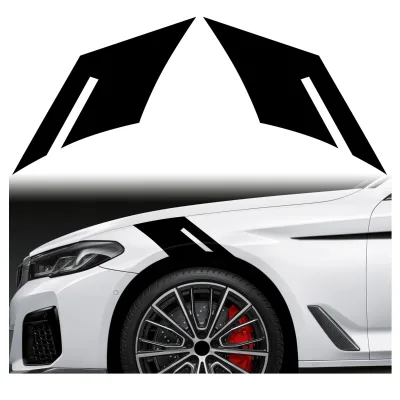
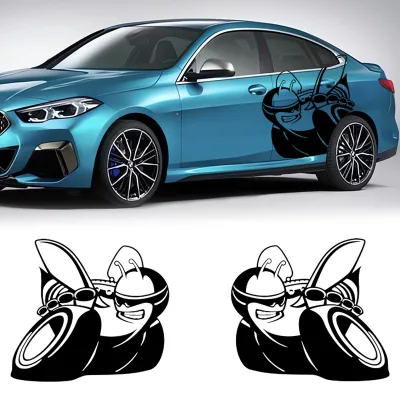
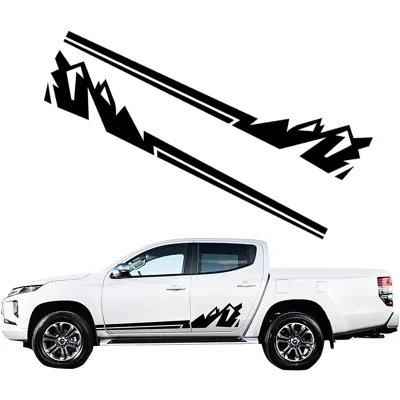
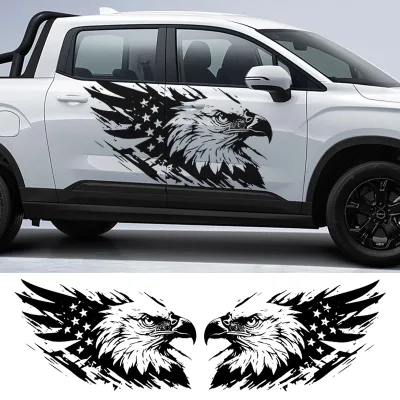





Hot Sale Waterproof Electrostatic Vinyl Sticker Static Cling PVC Car Sticker
$0.07 - $0.30
MOQ: 500 Pieces


Adhesive Remover Label Remover Sticker Remover Car Bumper Sticker Remover
$0.80 - $1.00
MOQ: 6000 Pieces

Adhesive Remover, Label Remover, Sticker Remover, Car Bumper Sticker Remover
$0.80 - $1.00
MOQ: 6000 Pieces

Comprehensive Sourcing Guide
Car Sticker Sourcing Guide
Sourcing car stickers requires a nuanced understanding of material durability, adhesive performance, and application-specific regulations. Buyers must distinguish between decorative decals, functional warning labels, and promotional branding elements, as each category demands different technical specifications. The market offers a wide variety of options, from small body stickers to large windshield decals, with customization being a standard feature across most suppliers. Understanding these distinctions is critical for selecting the right product for your specific vehicle fleet or retail needs.
Procurement decisions should be guided by the intended use case, whether it involves interior window decoration, exterior body modification, or safety compliance labeling. Factors such as UV resistance, waterproofing, and removability play a significant role in long-term satisfaction. Buyers should also consider the printing technology, such as UV-proof eco-friendly inks, to ensure color vibrancy and environmental compliance. By aligning product attributes with operational requirements, organizations can minimize waste and maximize the effectiveness of their automotive branding or safety initiatives.
Product Scope and Observed Listing Signals
The current market landscape for car stickers reveals a diverse range of product types, including small, medium, and large body stickers, as well as specialized windshield and interior window decals. Listings indicate that customization is widely available, allowing buyers to tailor designs for specific branding or personalization needs. The observed price range spans from $0 to $28.78 USD, reflecting variations in material quality, print complexity, and order volume. This broad spectrum suggests that buyers can find options suitable for both budget-conscious projects and premium branding campaigns.
Minimum Order Quantities (MOQs) vary significantly, ranging from 1 to 6,000 pieces, catering to both small-scale individual purchases and large industrial orders. Some suppliers offer non-adhesive or removable options, which are ideal for temporary promotions or rental vehicles, while others provide permanent adhesive solutions for long-term branding. The availability of die-cut or kiss-cut formats adds flexibility in design execution. Buyers should carefully review these signals to ensure the selected supplier can meet their volume requirements and specific functional needs, such as removability or durability.
Technical Specifications to Verify
Material composition is a primary technical consideration, with PVC and paper being common substrates. PVC offers superior durability and waterproofing, making it suitable for exterior applications exposed to harsh weather conditions. In contrast, paper-based stickers may be more appropriate for interior use or short-term promotions. Buyers must verify the ink type, ensuring it is UV-proof and eco-friendly to prevent fading and meet environmental standards. The surface treatment, such as lamination, can further enhance resistance to scratches and moisture, extending the lifespan of the sticker.
Adhesive properties and cutting methods also require close attention. Options include self-adhesive, non-adhesive, and removable variants, each serving different use cases. Die-cut and kiss-cut techniques allow for precise shapes and intricate designs, which are essential for logo reproduction or complex graphics. Additionally, the size of the sticker should be customized to fit specific vehicle models or design requirements. Buyers should request samples to test adhesion strength, color accuracy, and material flexibility before committing to large orders, ensuring the product meets their technical expectations.
Compliance and Safety Documentation
For stickers intended for safety or regulatory purposes, such as annual inspection protection or warning labels, compliance with local and international standards is paramount. Buyers should verify that suppliers hold relevant certifications, such as ISO9001 and SGS, which indicate adherence to quality management systems and safety testing protocols. These certifications provide assurance that the materials and production processes meet recognized industry benchmarks. It is crucial to confirm that the stickers comply with specific regional regulations regarding visibility, reflectivity, and content accuracy, especially for automotive safety applications.
Environmental compliance is another critical aspect, particularly when using eco-friendly inks and materials. Buyers should ensure that the production process minimizes harmful emissions and waste, aligning with corporate sustainability goals. Documentation regarding the chemical composition of adhesives and inks should be available to assess potential health risks and environmental impact. By prioritizing suppliers with robust compliance frameworks, organizations can mitigate legal risks and enhance their brand reputation. Regular audits and verification of documentation are recommended to maintain ongoing compliance throughout the procurement lifecycle.
Cost Drivers and Commercial Terms
Several factors influence the final cost of car stickers, including material selection, print complexity, and order volume. Customization options, such as unique shapes or special finishes, can increase production costs. Buyers should negotiate trade terms carefully, considering factors like payment methods and currency fluctuations. The observed MOQ of 3,000 pieces for some suppliers suggests that economies of scale play a significant role in pricing. Smaller orders may incur higher per-unit costs due to setup fees and limited production efficiency.
Delivery time and shipping logistics also impact the total cost of ownership. A typical delivery time of 7-10 days should be factored into inventory planning and project timelines. The port of shipment, often Shanghai or Ningbo, affects transit times and freight costs. Buyers should clarify all commercial terms, including packaging options like carton boxes or pallets, to ensure safe transport and minimize damage risks. Transparent communication regarding these variables helps in accurate budgeting and avoids unexpected expenses during the procurement process.
Supplier Qualification and Quality Control
Evaluating supplier qualifications is essential to ensure consistent product quality and reliable service. Buyers should assess the supplier’s production capabilities, including their ability to handle customized orders and maintain tight tolerances. Requesting references or case studies from previous clients can provide insights into the supplier’s reliability and performance. Additionally, verifying the supplier’s commitment to quality control processes, such as in-line inspections and final product testing, is crucial for minimizing defects and ensuring customer satisfaction.
Quality control measures should extend to material sourcing and storage conditions. Suppliers should demonstrate proper handling of sensitive materials like PVC and eco-friendly inks to prevent degradation. Buyers should establish clear quality acceptance criteria and conduct regular audits or third-party inspections if necessary. Building a strong relationship with suppliers through open communication and feedback loops can lead to continuous improvement and better service levels. Prioritizing suppliers with a proven track record of quality and reliability reduces the risk of supply chain disruptions and ensures consistent product performance.
Long-Term Procurement Checks
Establishing long-term procurement strategies involves regular performance reviews and continuous improvement initiatives. Buyers should monitor key performance indicators such as delivery accuracy, product quality, and responsiveness to issues. Regular feedback sessions with suppliers can help identify areas for improvement and foster a collaborative partnership. Additionally, staying updated on industry trends and technological advancements in sticker production can provide competitive advantages and cost-saving opportunities.
Risk management is another critical aspect of long-term procurement. Buyers should diversify their supplier base to mitigate risks associated with supply chain disruptions or quality issues. Regularly reviewing contracts and commercial terms ensures they remain aligned with current market conditions and organizational needs. By maintaining a proactive approach to supplier management and quality assurance, organizations can build a resilient supply chain that supports their long-term business objectives and ensures consistent product quality.
FAQs
What materials are used for car stickers?
Car stickers are primarily manufactured using PVC or paper materials. PVC offers durability and waterproof properties suitable for exterior body applications, while paper is often used for interior or temporary decals. The choice depends on the intended use, such as decoration, promotion, or specific industrial labeling requirements.
Can car stickers be customized for branding?
Yes, customization is available for car stickers to meet specific branding needs. Buyers can request personalized designs, including logos or lettering, with options for die-cut or kiss-cut shapes. Colors can be matched to CMYK or Pantone standards, and packaging can be customized to suit logistical requirements.
What is the typical MOQ for car stickers?
The minimum order quantity for car stickers typically starts at 3000 pieces. However, some suppliers may accept orders as low as 1 piece for samples or small batches. Buyers should verify the specific MOQ with the manufacturer, as it varies based on customization complexity and production capacity.
How long is the delivery time for car stickers?
The standard delivery time for car stickers is 7-10 days after order confirmation. This timeline applies to standard production runs. Expedited shipping options may be available for urgent orders, but buyers should confirm lead times with the supplier to ensure alignment with their project schedules.
Are car stickers waterproof and durable?
Many car stickers are designed to be waterproof and durable, especially those made from PVC material. They often feature UV-proof eco-friendly ink and surface lamination to resist fading and weathering. These features make them suitable for exterior body applications, windshields, and other outdoor environments.
What certifications do Car Sticker suppliers have?
Reputable Car Sticker suppliers often hold ISO9001 and SGS certifications. These standards ensure quality management and product safety compliance. Buyers should request certification documents to verify that the manufacturer meets international quality and environmental standards, particularly for products intended for food, cosmetic, or industrial applications.