Source Car Styling Letters for Emblems, Bumpers, and Showrooms
Compare 30 listings for Car Styling Letters made from ABS, acrylic, and steel. Buyers can evaluate customization options, waterproof features, and warranty terms for indoor or outdoor vehicle decoration.
Key considerations
Products List
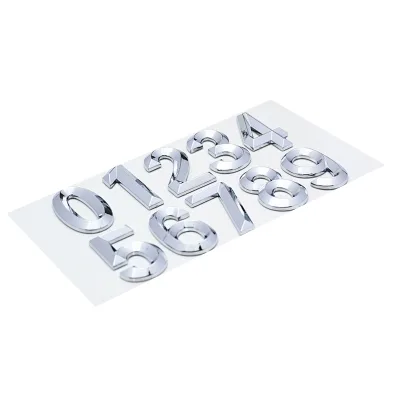


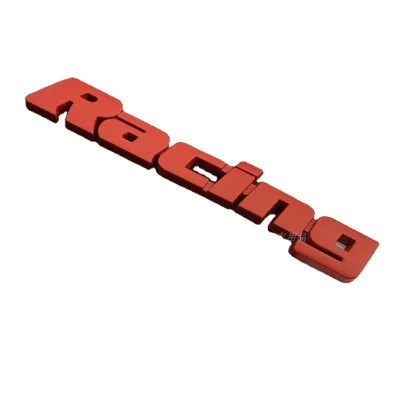
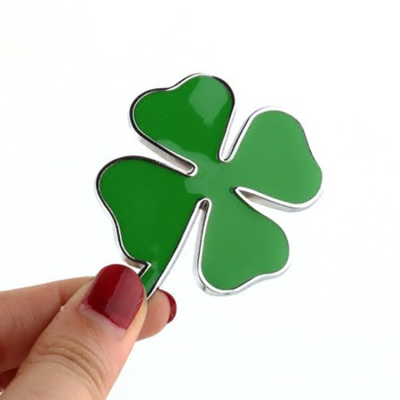
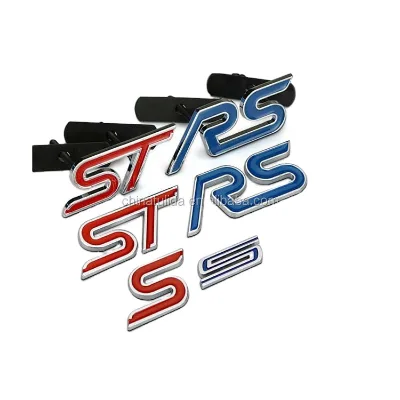
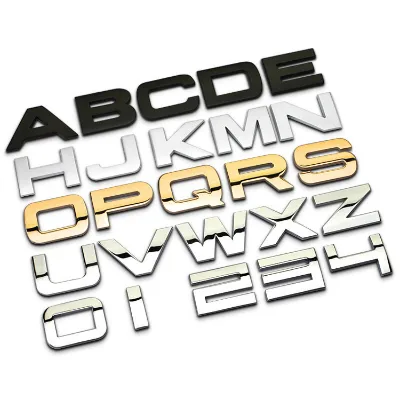


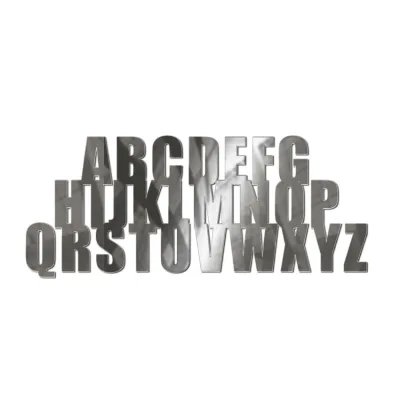


Front Light Alphabet Letter with Strong Advertising Sign for Decoration
$160.00 - $250.00
MOQ: 1 Meters

Comprehensive Sourcing Guide
Car Styling Letters Sourcing Guide
Sourcing Car Styling Letters requires a careful balance between aesthetic customization and functional durability. These components serve as exterior or interior decorative elements, often functioning as emblems, badges, or model identifiers that enhance the visual identity of a vehicle. Buyers must recognize that while the primary function is decorative, the materials and adhesives used must withstand environmental stressors such as UV exposure, temperature fluctuations, and moisture. The market offers a wide variety of options, ranging from simple self-adhesive ABS letters to complex, illuminated signs with LED integration, each requiring distinct verification protocols before procurement.
The procurement landscape for these items is characterized by high customization potential and variable manufacturing processes. Suppliers often offer tailored solutions where shape, color, and size are adjusted to meet specific branding or design requirements. This flexibility means that buyers cannot rely on off-the-shelf specifications alone; instead, they must engage in detailed technical discussions to ensure that the final product aligns with their vehicle’s design language and functional needs. Understanding the distinction between standard lettering and custom-shaped emblems is crucial for accurate cost estimation and quality assurance.
Product Scope and Observed Listing Signals
The observed market signals indicate a broad range of product types, primarily centered around ABS plastic letters and emblems. Listings frequently highlight self-adhesive properties, suggesting ease of installation for end-users or installers. The material composition is predominantly ABS, though some suppliers also offer acrylic, PC, and PETG options, indicating a tiered approach to quality and cost. Buyers should note that while ABS is common for its durability and ease of vacuum forming, alternative materials may be specified for higher-end or specialized applications where transparency or specific optical properties are required.
Price and minimum order quantity (MOQ) signals suggest a flexible commercial structure, with observed price ranges starting from very low unit costs for basic items up to higher values for complex, multi-component signs. MOQs vary significantly, allowing for small-batch testing or large-scale fleet branding. The presence of customized logo and shape options implies that suppliers are equipped for short-run customization, which is essential for automotive aftermarket services. Buyers should interpret these signals as an indication that negotiation on pricing and volume is likely, but that customization will inherently impact lead times and unit costs.
Technical Specifications to Verify
Material selection is the first critical technical verification step. Buyers must confirm whether the product is made from ABS, acrylic, PC, or other specified plastics, as each material offers different levels of impact resistance, UV stability, and thermal expansion characteristics. For exterior applications, UV resistance is paramount to prevent yellowing or cracking over time. Additionally, the thickness and uniformity of the material should be verified, as uneven thickness can lead to deformation or poor adhesion. The processing method, such as vacuum forming or thermoforming, also influences the structural integrity and surface finish of the final product.
Adhesive quality and installation requirements are equally important. The product should be confirmed as self-adhesive, but buyers must inquire about the specific adhesive type and its performance under extreme temperatures. For heavy or large-format emblems, additional mechanical fastening may be required. The size and shape specifications should be strictly defined, as many suppliers offer custom dimensions. Buyers should request detailed technical drawings or 3D models to ensure that the letters or emblems fit the intended bumper, grille, or interior panel without interference. The inclusion of LED lighting, if applicable, requires verification of electrical compatibility and waterproofing ratings.
Compliance and Safety Documentation
Compliance with international standards is essential for automotive components, even those primarily decorative. Buyers should verify that suppliers hold relevant certifications such as ISO9001 for quality management systems, which indicates a structured approach to production consistency. For products involving electrical components, such as LED-lit emblems, certifications like CE, RoHS, and UL may be required to ensure electrical safety and environmental compliance. These documents provide assurance that the materials and manufacturing processes meet recognized safety and environmental benchmarks.
Environmental and material safety standards should also be reviewed. The eco-friendly claim associated with some products suggests the use of non-toxic materials, but buyers should request Material Safety Data Sheets (MSDS) to confirm the absence of harmful substances. Additionally, the waterproof feature mentioned in some listings implies a certain level of ingress protection, which should be verified through test reports if the product is intended for harsh outdoor environments. Ensuring that the product meets these compliance requirements mitigates legal and reputational risks for the buyer.
Cost Drivers and Commercial Terms
Several factors influence the final cost of Car Styling Letters. Customization is a primary driver, with custom shapes, colors, and logos incurring additional setup and tooling fees. The choice of material also affects pricing, with premium materials like PC or acrylic typically costing more than standard ABS. The complexity of the processing, such as vacuum coating or chrome plating, adds to the manufacturing cost. Buyers should request detailed cost breakdowns to understand how these variables impact the unit price and to identify opportunities for cost optimization without compromising quality.
Commercial terms, including MOQ and lead times, are critical for supply chain planning. While observed MOQs can be as low as 100 pieces, larger orders may benefit from volume discounts. Lead times are likely to vary based on the level of customization and the supplier’s production capacity. Buyers should negotiate clear delivery schedules and penalty clauses for delays. Payment terms should be structured to protect the buyer’s interests, potentially using escrow services or milestone-based payments for large orders. Understanding these commercial dynamics helps in budgeting and managing cash flow effectively.
Supplier Qualification and Quality Control
Supplier qualification begins with verifying their manufacturing capabilities and experience. Buyers should assess the supplier’s production facilities, including their vacuum forming and coating equipment, to ensure they can meet the required specifications. The presence of a quality management system, such as ISO9001, is a positive indicator, but buyers should also request samples to evaluate the physical quality of the product. Sample evaluation should include checks for surface finish, color accuracy, adhesive strength, and dimensional accuracy.
Quality control protocols should be established before mass production. Buyers should define clear acceptance criteria for defects, such as scratches, color mismatches, or adhesive failures. It is advisable to conduct pre-shipment inspections to verify that the bulk production matches the approved samples. Suppliers should provide a warranty period, typically ranging from 3 to 5 years, which serves as a guarantee of product durability. Buyers should ensure that the warranty terms are clearly documented and that the supplier has a responsive after-sales support system to handle any issues that arise post-delivery.
Long-Term Procurement Checks
Long-term procurement success depends on continuous monitoring of supplier performance and product quality. Buyers should establish key performance indicators (KPIs) such as on-time delivery rate, defect rate, and responsiveness to issues. Regular audits of the supplier’s quality control processes can help identify potential problems before they impact production. Additionally, staying informed about changes in material regulations and automotive design trends is essential for maintaining product relevance and compliance.
Building a strong relationship with the supplier can lead to better pricing, priority production, and collaborative innovation. Buyers should engage in regular communication to discuss future needs and potential improvements. Feedback on product performance in the field should be shared with the supplier to drive continuous improvement. By maintaining a proactive approach to supplier management, buyers can ensure a stable supply of high-quality Car Styling Letters that meet their evolving business requirements.
FAQs
What material is used for Car Styling Letters?
The letters are primarily made from ABS plastic, though acrylic, PC, and PETG are also available options. These materials ensure durability and allow for various customization needs while maintaining a smooth appearance suitable for vehicle decoration.
Can I customize the shape and size of the letters?
Yes, both shape and size are fully customizable according to your specific requirements. You can request any shape and dimension, with the manufacturing process supporting vacuum forming and thermoforming to achieve uniform thickness without deformation.
What is the minimum order quantity for these products?
The minimum order quantity is 100 pieces for standard orders. However, some listings indicate an MOQ range starting from 1 piece, so you should verify the specific supplier's policy before placing your order to ensure it meets your volume needs.
Are these car letters waterproof and suitable for outdoor use?
Yes, the products feature waterproof and eco-friendly properties, making them suitable for both indoor and outdoor applications. They are designed to withstand various weather conditions while maintaining their appearance and structural integrity over time.
Which certifications do the manufacturers hold for these letters?
Manufacturers often hold ISO9001, CE, ISO, RoHS, UL, and CSA certifications. These standards ensure quality management and safety compliance, providing assurance that the products meet international requirements for automotive accessories and decorative elements.
How long is the warranty period for the Car Styling Letters?
The warranty period typically ranges from 3 to 5 years, with some guarantees lasting at least 5 years. This coverage ensures that the letters remain functional and resistant to issues like wind damage or material degradation during the specified period.
What processing methods are used to create these letters?
The letters are created using vacuum forming, vacuum coating, chrome plating, and galvanized processes. Additional methods include thermoforming and film coating, which help achieve smooth, bright appearances and ensure the letters have uniform thickness and no deformation.