Find Carbon Fiber Racing Car Seat for Tuner Builds, Sim Rigs, and Track Cars
Compare 30 listings for a Carbon Fiber Racing Car Seat, including front-row and universal designs with steel frames, memory foam fillers, and carbon fiber or PU surfaces. Buyers can review specifications, packaging details, MOQs, and customization options to identify suitable suppliers for motorsport projects.
Key considerations
Products List


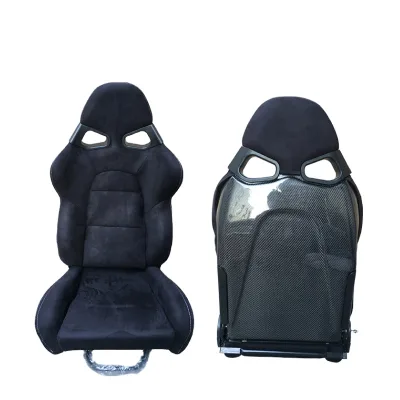


High Quality Universal Carbon Fiber Leather Adjustable Racing Car Seat
$70.41 - $70.51
MOQ: 160 Pieces






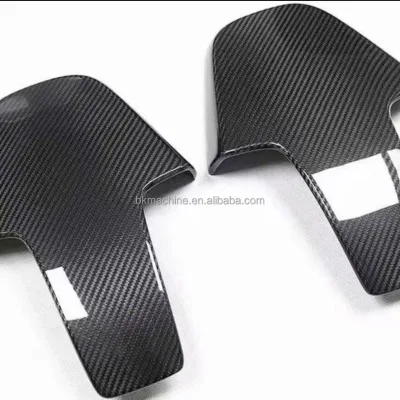
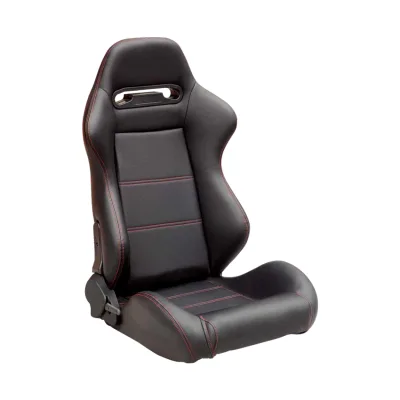
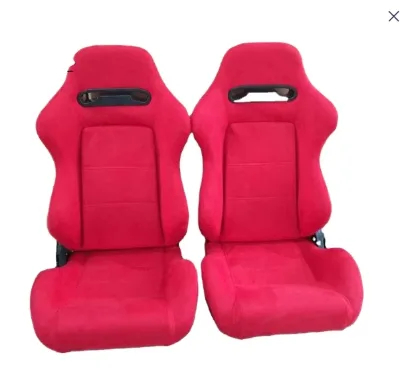
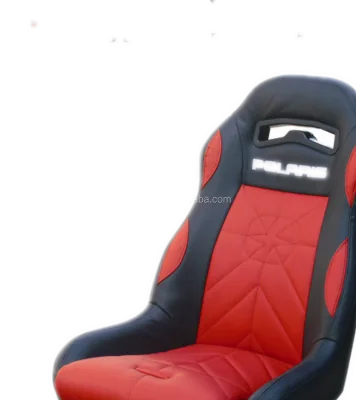
Comprehensive Sourcing Guide
Carbon Fiber Racing Car Seat Sourcing Guide
Sourcing high-performance seating for motorsport or high-end automotive applications requires a nuanced understanding of material science, regulatory compliance, and supply chain reliability. The Carbon Fiber Racing Car Seat represents a specialized category where weight reduction and structural integrity are paramount, yet the market presents a wide variance in quality, certification, and intended use. Buyers must navigate between general-purpose seating solutions and purpose-built racing components, ensuring that the selected product aligns with specific safety standards and vehicle fitment requirements. This guide provides a structured approach to evaluating suppliers, verifying technical specifications, and managing commercial risks associated with this niche product category.
The procurement process for these seats involves balancing aesthetic customization with rigorous functional performance. While some listings emphasize general comfort features like memory foam fillers, others focus on rigid structural elements such as steel frames or composite shells. Understanding the distinction between these variants is critical for making informed purchasing decisions. Buyers should prioritize verification of material authenticity, structural testing data, and supplier transparency to mitigate the risks associated with counterfeit or substandard components. This guide outlines the essential steps for conducting due diligence and establishing a reliable sourcing strategy for carbon fiber racing seats.
Product Scope and Observed Listing Signals
The market for racing car seats encompasses a diverse range of products, from general-purpose seats with carbon fiber accents to full composite racing buckets. Observed listings indicate a significant variation in product attributes, including surface materials that may combine carbon fiber with FRP (Fiberglass Reinforced Plastic) or PU (Polyurethane) leather. Buyers should carefully distinguish between seats marketed as "racing" seats and those labeled as general automotive seating, as the latter may lack the necessary lateral support and safety certifications required for track use. The presence of specific model numbers, such as SPQ racing seat or various G-series and 8050-series identifiers, suggests a standardized manufacturing approach, but buyers must verify that these models meet their specific performance criteria.
Listing signals also reveal important details about packaging, weight, and origin, which impact logistics and total cost of ownership. Products originating from China (Mainland), particularly Guangdong, are common in this sector, with weights ranging from approximately 30kg to 35kg per unit, indicating substantial material density. Packaging methods vary, with some suppliers using plastic bags within cases, while others utilize carton packages with specific dimensions like 906957cm or 60X60X50 cm. These physical attributes are crucial for calculating freight costs and storage requirements. Additionally, the observation of "A Class" or "B Class" leatheriness suggests a tiered quality system, where buyers must clarify what these classifications entail in terms of durability and aesthetic finish before committing to an order.
Technical Specifications to Verify
Verifying the technical specifications of a carbon fiber racing seat is essential to ensure it meets the structural and ergonomic demands of its intended application. Key attributes to confirm include the seat frame material, which is often steel, and the filler composition, such as memory foam, which affects comfort and support. The surface material should be explicitly defined, as some seats may use a combination of carbon fiber and FRP, while others might feature PU leather upholstery. Buyers must also verify the seat dimensions, such as the observed size of 585093cm, to ensure compatibility with the vehicle’s interior space and mounting points. Misalignment in dimensions can lead to installation issues and compromised safety performance.
Further technical verification should focus on the seat’s design style and functional features. Listings may describe seats as "single color with no pattern" or highlight features like "soft racing seat" characteristics, which can be misleading if not contextualized with performance data. Buyers should request detailed engineering drawings or CAD files to confirm the seat’s geometry and mounting hole patterns. It is also critical to verify the seat’s fitment for specific car models, such as Honda, if applicable, or to confirm its universal applicability. Understanding the seat’s weight distribution and center of gravity is vital for performance vehicles, as excessive weight or poor balance can negatively impact handling.
Compliance and Safety Documentation
Safety compliance is the most critical aspect of sourcing racing car seats, as these components must withstand extreme forces during high-speed driving or accidents. Buyers must insist on documentation that proves the seat meets relevant safety standards, such as FIA (Fédération Internationale de l'Automobile) or SFI (Specialty Equipment Market Association) certifications, depending on the racing series or jurisdiction. While some listings may claim "universal" standard compliance, buyers should verify the specific certification level and expiration date, as safety standards are regularly updated. Without proper certification, the seat may not be legally usable in competitive motorsport events and could pose significant safety risks in street use.
In addition to safety certifications, buyers should request documentation related to material safety and environmental compliance. This includes certificates of analysis for the carbon fiber resin and FRP components, ensuring they are free from harmful volatile organic compounds (VOCs). For seats with PU leather or other synthetic materials, buyers should verify compliance with flammability standards, which are crucial for preventing fire hazards in the event of an engine fire or electrical fault. Suppliers should be transparent about their testing procedures and provide third-party test reports that validate the seat’s structural integrity and material safety.
Cost Drivers and Commercial Terms
The cost of carbon fiber racing seats is influenced by several factors, including material quality, manufacturing complexity, and certification status. Observed price ranges in the market can vary significantly, from approximately $32.3 to $1800 USD, reflecting the disparity between basic general seats and high-end certified racing buckets. Buyers should understand that lower prices may indicate the use of lower-grade materials, such as B Class leather or non-certified carbon fiber, which may not offer the same durability or safety performance. It is essential to evaluate the total cost of ownership, including shipping, duties, and potential rework costs, rather than focusing solely on the unit price.
Commercial terms, such as MOQ (Minimum Order Quantity) and payment methods, also play a significant role in the procurement process. Listings show MOQs ranging from 1 pair to 160 pieces, catering to both individual buyers and bulk purchasers. Payment options typically include Western Union, PayPal, and TT (Telegraphic Transfer), each with different levels of buyer protection and transaction fees. Buyers should negotiate clear terms regarding shipping times, which may range from 6-7 days after payment to longer periods for custom orders, and clarify responsibilities for import duties and insurance. Establishing a clear contract with defined deliverables and penalties for non-compliance is crucial for mitigating financial risks.
Supplier Qualification and Quality Control
Evaluating supplier qualification is a vital step in ensuring the reliability and consistency of the sourced racing seats. Buyers should verify the supplier’s manufacturing capabilities, including their experience with carbon fiber composites and their quality control processes. Suppliers based in Guangdong, China, are common in this sector, but buyers should conduct due diligence to confirm their reputation and track record. Requesting references from previous clients, particularly those in the motorsport industry, can provide valuable insights into the supplier’s reliability and product quality. Additionally, buyers should inquire about the supplier’s ability to provide customization services, as many listings indicate that customization is available.
Quality control measures should be clearly defined and agreed upon before placing an order. This includes specifying inspection criteria for surface finish, structural integrity, and dimensional accuracy. Buyers may consider hiring third-party inspection agencies to conduct pre-shipment inspections, ensuring that the products meet the agreed-upon specifications. It is also important to establish a clear process for handling defects or non-conforming products, including return policies and replacement procedures. By implementing robust quality control measures, buyers can minimize the risk of receiving substandard products and ensure that the racing seats perform as expected.
Long-Term Procurement Checks
Long-term procurement success depends on establishing a sustainable relationship with suppliers and continuously monitoring product performance. Buyers should implement a system for tracking supplier performance, including metrics such as on-time delivery, product quality, and responsiveness to issues. Regular communication with suppliers can help identify potential problems early and foster a collaborative environment. Additionally, buyers should stay informed about changes in safety standards and market trends, ensuring that their sourcing strategy remains aligned with industry best practices. This proactive approach can help mitigate risks and maintain a competitive edge in the motorsport market.
Furthermore, buyers should consider the lifecycle management of the racing seats, including maintenance, repair, and eventual replacement. Establishing a supply chain for spare parts and accessories can ensure that the seats remain in optimal condition over time. Buyers should also evaluate the environmental impact of their sourcing decisions, considering options for recycling or disposing of old seats in an environmentally responsible manner. By adopting a holistic approach to procurement, buyers can optimize their operations, reduce costs, and contribute to a more sustainable motorsport industry.
FAQs
What materials are used for the seat surface?
The seat surface utilizes carbon fiber and FRP materials for durability. Some variants feature PU material for the exterior finish. These materials provide a lightweight yet strong structure suitable for racing applications. The combination ensures high performance and resistance to wear during intense driving conditions.
Can the seat color be customized?
Yes, customization is available for the seat color. Buyers can select specific colors to match their vehicle interior. The product supports customized options to meet individual aesthetic preferences. This flexibility allows for a tailored look while maintaining the structural integrity and safety standards required for racing seats.
What is the minimum order quantity for these seats?
The minimum order quantity varies by product model. Some items require an MOQ of 160 pieces, while others accept orders as low as one pair. Buyers should check the specific model requirements before placing an order. This range accommodates both bulk procurement and smaller sample requests for testing purposes.
How is the seat packaged for shipping?
The seats are packaged in carton boxes or plastic bags with cases. Specific models use carton packaging with defined dimensions to ensure safe transit. The packaging is designed to protect the seat from damage during logistics. Buyers receive the product in sturdy containers that facilitate easy handling and storage upon arrival.
What is the lead time for delivery?
Shipping typically takes 6 to 7 days after payment is confirmed. This timeframe applies to standard processing and dispatch procedures. Buyers should account for this period when planning their procurement schedule. The lead time ensures that orders are processed efficiently and shipped promptly to the destination.
Which car brands are compatible with these seats?
These seats are designed for fitment with Honda vehicles. The product specifications indicate compatibility with specific car models. Buyers should verify the exact fitment details for their vehicle type. This ensures that the racing seat integrates properly with the car's interior structure and safety systems.