Source Carbon Fiber Rear Lip for Ferrari, Aston Martin, and McLaren
Find 30 verified listings for Carbon Fiber Rear Lip components designed for high-performance vehicles. Buyers can compare specifications, customization options, and delivery times from suppliers offering OEM and ODM services for models like Ferrari 296 and F12; compare the available evidence and request quotations based on your requirements.
Key considerations
Products List


High Glossy Carbon Fiber Auto Parts DNC Style Rear Lip for Ferrari F12
$2455.00 - $2610.00
MOQ: 1 Sets


Css Style Car Modification Parts High Glossy Carbon for Ferrari 458 Fiber Front Lip
$1400.00 - $1471.00
MOQ: 1 Sets


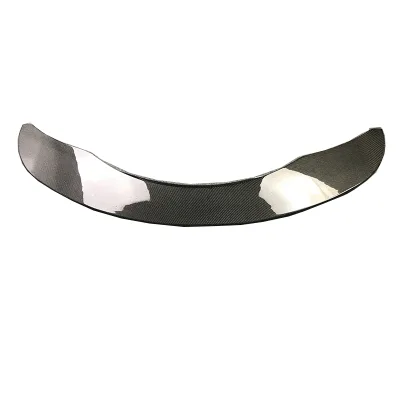


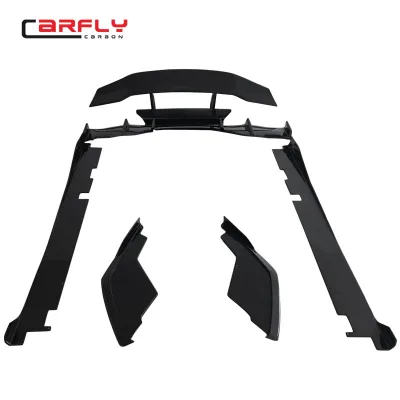

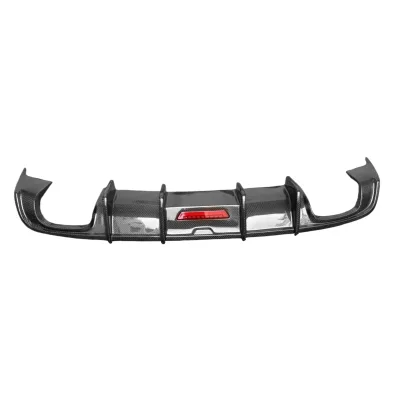
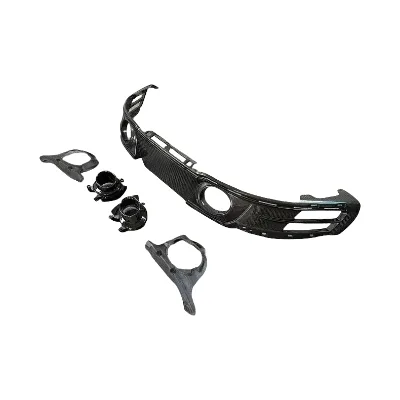
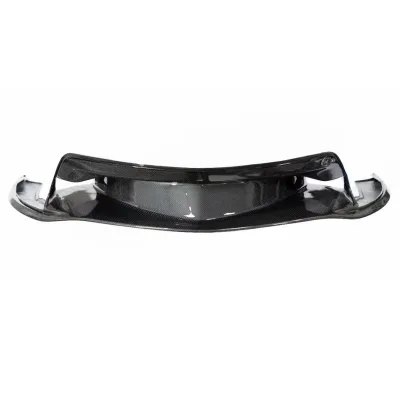

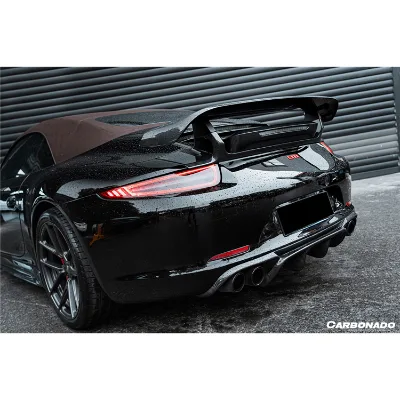
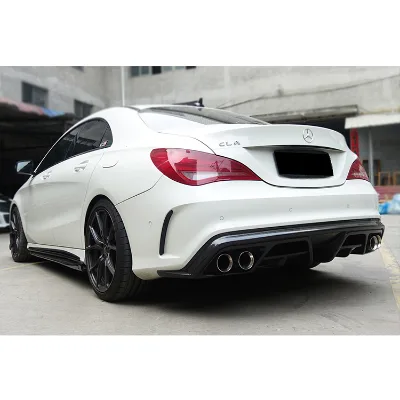
Carbonado CA Style Carbon Fiber Rear Lip ForMercedesBenz CLA Class CLA45 AMG W117
$1222.15 - $1527.69
MOQ: 1 pieces
Comprehensive Sourcing Guide
Carbon Fiber Rear Lip Sourcing Guide
Sourcing carbon fiber rear lips requires a disciplined approach to material verification and fitment precision, as these components serve both aesthetic enhancement and aerodynamic function. Buyers must distinguish between genuine carbon fiber constructions and lower-quality alternatives that may mimic the visual appearance but lack the structural integrity required for high-speed stability. The decision to procure these parts often hinges on the balance between weight reduction benefits and the premium cost associated with authentic prepreg or dry carbon processes. Understanding the specific manufacturing method is critical, as it directly influences the part’s durability, resistance to UV degradation, and overall lifespan under varying environmental conditions.
Procurement teams should also evaluate the customization capabilities of potential suppliers, particularly when dealing with universal or model-specific applications. The availability of OEM-style replication or custom design services allows for tailored solutions that align with specific vehicle platforms, such as Ferrari or Aston Martin models. However, this flexibility introduces complexity in quality assurance, requiring rigorous validation of fitment accuracy before committing to large orders. Buyers must ensure that the supplier’s customization processes do not compromise the precision of the mounting points or the alignment of the lip with the vehicle’s rear bumper, which is essential for maintaining both safety standards and visual harmony.
Product Scope and Observed Listing Signals
The current market landscape for carbon fiber rear lips reveals a diverse range of product offerings, with observed price points spanning from approximately $1.60 to $2,800 USD. This wide variance reflects differences in material quality, manufacturing complexity, and brand positioning, necessitating careful scrutiny of listing details to avoid misinterpretation of value. Minimum order quantities (MOQs) typically range from a single piece to three hundred units, indicating that suppliers cater to both individual enthusiasts and bulk procurement needs. Buyers should note that lower MOQs often correlate with higher per-unit costs, while larger orders may offer economies of scale but require greater upfront capital and storage capacity.
Listing signals also highlight specific product attributes, such as the use of black carbon fiber finishes and OEM-style designs that replicate factory aesthetics. Some listings specify compatibility with high-performance vehicles like the Ferrari 296, F12, and 458, as well as Aston Martin models, suggesting a focus on luxury and sports car segments. The presence of terms like "universal" fitment indicates broader applicability, though this may require additional modification during installation. Buyers must verify these claims against actual vehicle dimensions, as discrepancies in fitment can lead to costly returns or installation failures, undermining the initial investment in these specialized automotive components.
Technical Specifications to Verify
Technical verification begins with confirming the material composition and manufacturing process, as these factors dictate the part’s performance and longevity. Buyers should insist on documentation that specifies whether the carbon fiber is produced using prepreg dry carbon techniques, which are known for superior strength-to-weight ratios and consistent fiber alignment. The weight of the component is another critical specification, with observed values ranging from 10 kg to 150 kg, though these figures may vary based on the size and complexity of the lip. Understanding the weight distribution is essential for assessing the impact on vehicle handling and fuel efficiency, particularly for high-performance applications where every gram matters.
Fitment precision is equally important, with many suppliers claiming excellent fitment through original car hole installation methods. Buyers must verify that the mounting points align perfectly with the vehicle’s existing hardware to ensure a secure and vibration-free attachment. The inclusion of installation instructions and hardware, such as screws, should be confirmed to avoid additional procurement steps. Additionally, the single package size and gross weight should be reviewed to plan logistics and handling requirements, ensuring that the components can be safely transported and stored without damage. These technical details form the foundation of a successful procurement, minimizing the risk of post-purchase issues.
Compliance and Safety Documentation
Compliance and safety documentation are paramount when sourcing automotive body parts, as they ensure that the components meet regulatory standards and do not compromise vehicle safety. Buyers should request certificates of conformity or ISO certifications from suppliers, which indicate adherence to recognized quality management systems. These documents provide assurance that the manufacturing processes are controlled and consistent, reducing the likelihood of defects that could lead to part failure during operation. While specific safety standards may vary by region, buyers must ensure that the carbon fiber lips do not interfere with critical vehicle systems or create hazards during normal driving conditions.
Warranty terms and refund policies also play a crucial role in mitigating procurement risks. Suppliers offering full refunds for imperfect fitment demonstrate confidence in their product’s accuracy and provide a safety net for buyers. However, buyers should carefully review the conditions of these warranties, including time limits and required documentation, to ensure they can effectively claim recourse if issues arise. Additionally, buyers should verify that the materials used are free from harmful substances and comply with environmental regulations, particularly if the parts are intended for markets with strict chemical restrictions. This due diligence protects both the buyer and the end-user from potential legal and safety liabilities.
Cost Drivers and Commercial Terms
Cost drivers for carbon fiber rear lips include the raw material expenses, manufacturing complexity, and the level of customization required. Premium materials like prepreg carbon fiber command higher prices due to their superior performance characteristics, while custom designs may incur additional tooling and engineering costs. Buyers should analyze the total cost of ownership, including shipping, handling, and potential installation expenses, rather than focusing solely on the unit price. The observed delivery times of 7 to 30 days also impact cash flow and inventory planning, requiring buyers to align their procurement schedules with production or sales timelines.
Commercial terms such as payment methods and shipping conditions further influence the overall cost structure. Suppliers may offer various payment options, including Western Union and Telegraphic Transfer (TT), each with different security and processing implications. Buyers should negotiate clear terms regarding shipping responsibilities, insurance, and liability for damage during transit. Additionally, the standard packaging, such as export cartons with bubble wrap, should be evaluated for its effectiveness in protecting the parts during shipment. Understanding these commercial dynamics allows buyers to optimize their procurement strategy and minimize unexpected expenses.
Supplier Qualification and Quality Control
Supplier qualification is a critical step in ensuring the reliability and consistency of Carbon Fiber Rear Lip procurement. Buyers should assess suppliers based on their production capabilities, quality control processes, and track record in the automotive aftermarket industry. Requesting samples or conducting factory audits can provide valuable insights into the supplier’s manufacturing standards and attention to detail. Suppliers that offer OEM, ODM, and customized order services demonstrate flexibility and expertise, but buyers must verify that these services do not compromise quality or lead times. Establishing a strong relationship with a qualified supplier can lead to better pricing, priority production, and improved support.
Quality control measures should be integrated into the procurement process to ensure that each batch of parts meets the specified standards. Buyers should implement incoming inspection protocols to check for defects, fitment issues, and material inconsistencies before accepting delivery. Collaborating with suppliers to establish clear quality benchmarks and acceptance criteria can help prevent disputes and ensure that the parts perform as expected. Additionally, buyers should monitor supplier performance over time, tracking metrics such as defect rates, delivery punctuality, and responsiveness to issues. This ongoing evaluation helps maintain a high standard of quality and supports long-term procurement success.
Long-Term Procurement Checks
Long-term procurement checks involve continuous monitoring of market trends, supplier performance, and product evolution to ensure that the sourcing strategy remains effective. Buyers should stay informed about advancements in carbon fiber technology and manufacturing processes, as these developments may offer opportunities for cost savings or performance improvements. Regularly reviewing supplier contracts and performance metrics helps identify areas for improvement and ensures that the partnership remains mutually beneficial. Additionally, buyers should assess the availability of replacement parts and support services, as these factors impact the total cost of ownership and customer satisfaction.
Sustainability and ethical sourcing practices are also becoming increasingly important in the automotive industry. Buyers should evaluate suppliers’ environmental policies and labor practices to ensure alignment with corporate social responsibility goals. This includes verifying that the carbon fiber production processes minimize waste and energy consumption, and that suppliers adhere to fair labor standards. By incorporating these considerations into their procurement strategy, buyers can enhance their brand reputation and contribute to a more sustainable industry. Continuous improvement and adaptation to changing market conditions are essential for maintaining a competitive edge in the long term.
FAQs
What materials are used for carbon fiber rear lips?
The products are manufactured using carbon fiber, specifically utilizing a prepreg dry carbon process. This material choice ensures a lightweight yet durable construction suitable for high-performance vehicle refitting. The black finish provides a sleek aesthetic that complements various car body styles while maintaining structural integrity during driving.
Can these rear lips be customized for specific car models?
Yes, customization is available for various applications. The supplier offers OEM, ODM, and customized orders to ensure excellent fitment for specific vehicles. Products are designed for original car hole installation or screw mounting, allowing for precise integration with models like Ferrari 296, F12, and Aston Martin DB11 without compromising vehicle aesthetics.
What is the typical delivery time for these parts?
The standard delivery time ranges from 15 to 30 days for most orders. However, certain items may have a faster turnaround of approximately 7 days. Buyers should confirm specific lead times based on the product model and customization requirements to ensure timely arrival for their vehicle modification projects.
How are the carbon fiber parts packaged for shipping?
Items are packed in standard export cartons with safe bubble wrap inside to prevent damage. Some products use 5-level export cartons or standard carton boxes. The packaging is designed to protect the fragile carbon fiber components during transit, ensuring they arrive in new condition ready for installation on the vehicle.
What certifications do these carbon fiber products hold?
The products are associated with ISO certification standards. This indicates adherence to recognized quality management principles during manufacturing. Buyers can expect consistent quality in car body parts, ensuring that the rear lips meet general industry expectations for durability and fitment when installed on compatible high-performance vehicles.
What is the minimum order quantity for these parts?
The minimum order quantity is typically 1 piece or 1 set, depending on the specific product listing. This low MOQ allows buyers to purchase single items for personal vehicle upgrades. It facilitates easy sourcing for individual enthusiasts or small-scale refitting projects without requiring bulk purchases from the supplier.