Source Carbon Fiber Splitter Body Kit for GTR, Ferrari, and Supercars
Explore 30 verified listings for Carbon Fiber Splitter Body Kit components designed for models like the GTR R35, SF90, and 296GTB. Buyers can compare specifications, prices, and package details from suppliers in China to find suitable retrofit or upgrade parts.
Key considerations
Products List
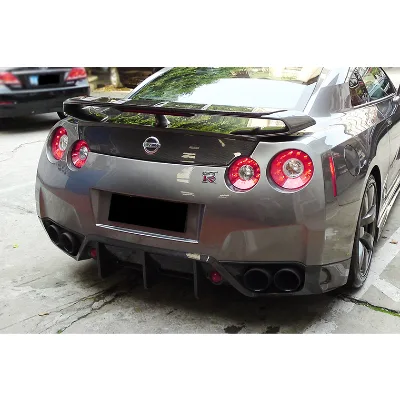
BSE Style Carbon Fiber Rear Lip Diffuser Body Kit Parts for GTR R35 CBA
$875.00 - $1250.00
MOQ: 1 pieces
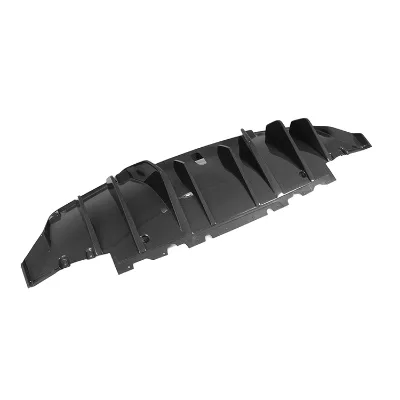
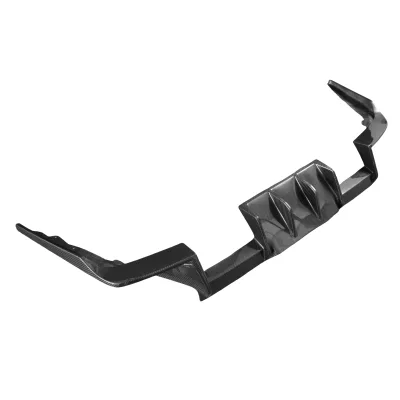
Carbon Fiber Rear Diffuser Accessories Body Kit for 296 GTB or GTS (Type F171)
$2137.39 - $3053.42
MOQ: 1 pieces
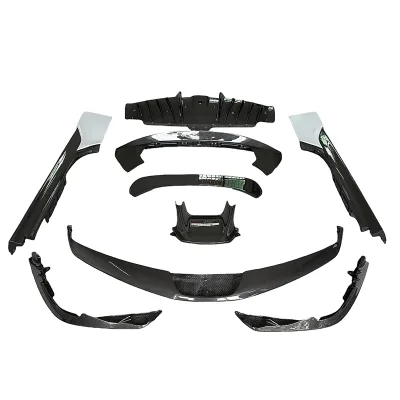
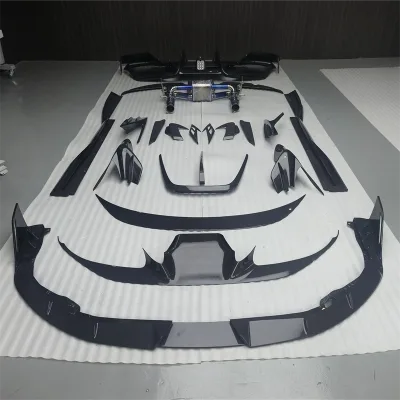
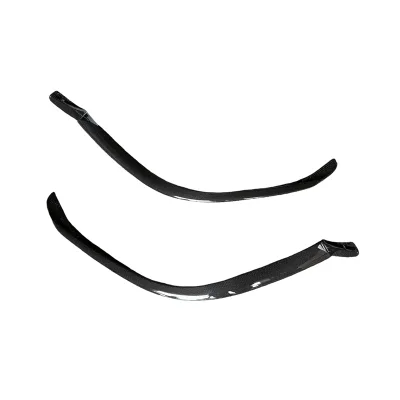
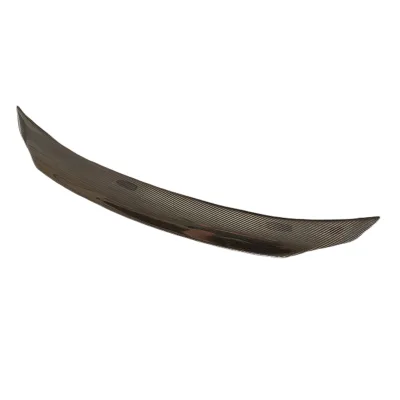
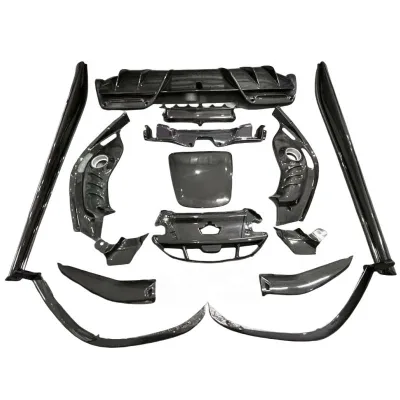

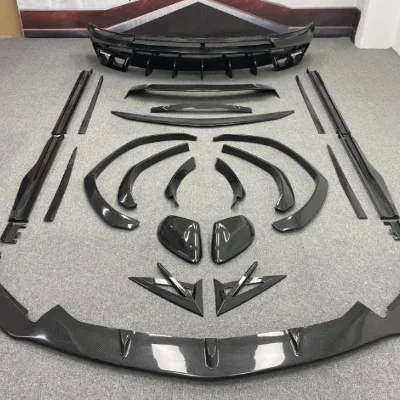


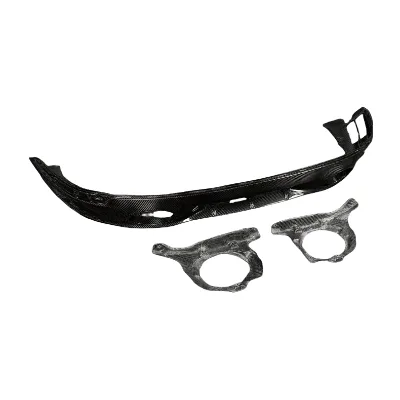
for BMW Carbon Fiber Front Body Kit Carbon Fiber Front Bumper Lip Style
$530.00 - $559.00
MOQ: 1 Pieces


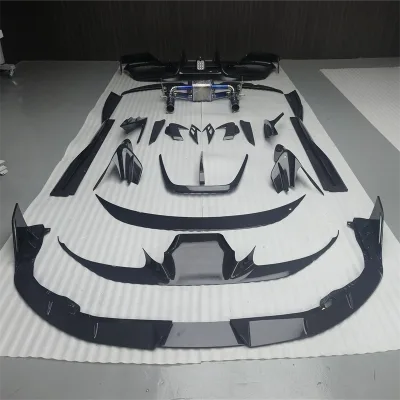
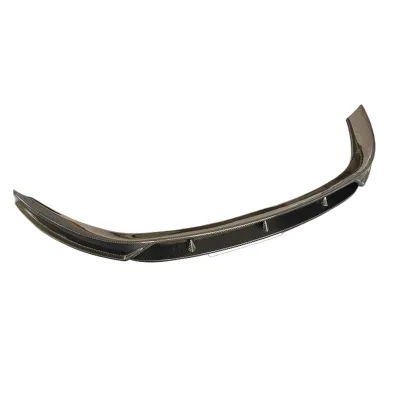
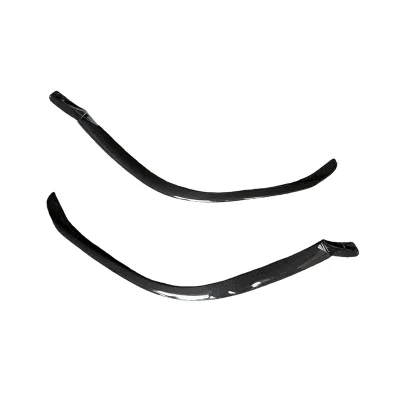
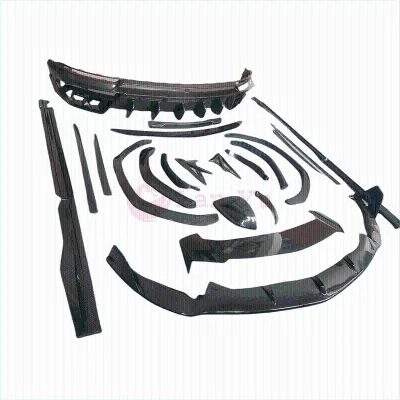


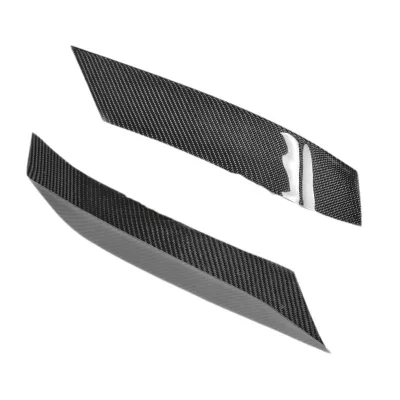
Dry Carbon Fiber Body Kit for Benz Gle Coupe Msy Style Front Lip Side Skirt
$4500.00 - $4596.00
MOQ: 1 Sets

Comprehensive Sourcing Guide
Strategic Sourcing Guide for Carbon Fiber Splitter Body Kits
Understanding Technical Specifications and Material Integrity
When sourcing a Carbon Fiber Splitter Body Kit, the primary focus must remain on the material composition and the specific engineering tolerances required for the target vehicle. The market offers products constructed from various grades of carbon fiber, ranging from standard woven variants to high-performance dry carbon fiber. Buyers must verify the specific material designation provided by the supplier, as "dry carbon fiber" implies a resin transfer molding process that typically yields a lighter weight and higher structural rigidity compared to wet layup methods. The physical dimensions of the product are equally critical; observed package sizes for such components can vary significantly, ranging from compact units measuring approximately 125x35x65 cm to larger, more complex assemblies reaching up to 200x75x95 cm. These dimensions directly impact logistics planning and storage requirements.
The structural integrity of the splitter is often defined by its intended position on the vehicle. While some listings specify the component as a "Rear Diffuser" or "Rear Bumper" modification, a splitter is functionally distinct, designed to manage airflow at the front of the vehicle. However, in the context of comprehensive body kits, the splitter is frequently part of a larger assembly that includes side skirts and rear elements. The fitment must be precise, with "Perfect match" being a key attribute to look for in product descriptions to ensure that the kit aligns with the factory mounting points without requiring extensive modification. The weight of the finished product is another vital metric; observed gross weights for single packages can range from 5.000 kg for smaller components to over 25.000 kg for complete body kit sets, necessitating careful calculation of shipping costs and handling equipment needs.
Compliance, Certification, and Regulatory Verification
Navigating the regulatory landscape for automotive aftermarket parts requires a rigorous approach to compliance. While some background data suggests the existence of certifications such as ROHS, buyers should not assume that every listed carbon fiber splitter automatically meets these standards without explicit verification. The absence of a specific certification claim in a product listing does not necessarily indicate non-compliance, but it does require the buyer to request documentation directly from the supplier. In the context of automotive parts, compliance often extends beyond material safety to include roadworthiness regulations in the destination country.
Buyers must verify that the product meets the specific safety and environmental standards of their local jurisdiction. For instance, if the splitter is intended for street use, it must comply with local vehicle modification laws regarding aerodynamic components. The "New" condition of the product is a standard expectation, but the verification of this status should include a check for manufacturing defects or previous handling damage. Furthermore, the "Place of Origin" is a significant factor in determining the regulatory framework under which the product was manufactured. Products originating from regions like Fujian or Guangdong, China, are common in the global market, but the specific factory's adherence to international quality management systems should be confirmed. Buyers should explicitly ask for test reports or material safety data sheets (MSDS) to ensure the resin and fiber used do not contain prohibited substances.
Cost Drivers and Pricing Structure Analysis
The pricing of carbon fiber splitter body kits is influenced by a complex interplay of material costs, manufacturing complexity, and logistical factors. The observed price range for these components can be substantial, spanning from approximately 65 USD to nearly 11,400 USD. This wide variance is not arbitrary but reflects differences in material quality, design complexity, and the extent of the kit included. A basic splitter may fall at the lower end of this spectrum, while a full body kit featuring dry carbon fiber, custom styling (such as NOVITEC or MSY styles), and perfect OEM matching will command a premium price.
Material selection is a primary cost driver. Dry carbon fiber is significantly more expensive to produce than standard carbon fiber due to the specialized molding processes required. Additionally, the "Style" of the kit plays a crucial role in pricing. Kits designed to mimic high-end aftermarket brands like NOVITEC or those tailored for specific high-performance models like the SF90, F8, or 296GTB often carry a higher price tag due to the engineering and tooling costs involved. The "Single package size" also affects the final cost, as larger packages incur higher shipping fees and may require specialized freight services. Buyers should analyze the price per unit of weight or volume to understand the true value proposition, rather than relying solely on the total listed price.
Typical Applications and Vehicle Compatibility
The application of carbon fiber splitter body kits is highly specific, with most products designed for exact vehicle models rather than universal fitment. The market data indicates a strong focus on high-performance sports cars, particularly those from Ferrari. Specific models frequently targeted include the GTR R35 CBA, SF90, F8, and 296GTB. For each of these vehicles, the splitter must be engineered to match the unique aerodynamic profile and mounting geometry of the chassis. The "Car Make" and "Model Number" are critical identifiers that buyers must cross-reference to ensure compatibility.
The purpose of these kits varies between "retrofit/upgrade" and "replace/repair." Upgrade kits are designed to enhance the aesthetic and aerodynamic performance of the vehicle, often incorporating aggressive styling elements. Repair kits, on the other hand, are intended to restore the original condition of a damaged vehicle. The "Position" of the component is also a key differentiator; while the core keyword focuses on splitters, many listings bundle these with rear diffusers, bumper components, or full body kits. Buyers must carefully review the "Product name" and "Position" fields to ensure they are purchasing the specific component required for their project. The "Year" of the vehicle is another essential parameter, as model years 2021-2022 may have different mounting points compared to earlier or later versions.
Supplier Evaluation and Operational Reliability
Evaluating a supplier for carbon fiber body kits requires a deep dive into their operational capabilities and product consistency. The "Brand Name" associated with the product can be an indicator of quality, with established names like BSD or LANOUT appearing in the market. However, the brand name alone should not be the sole criterion for selection. Buyers must assess the supplier's ability to deliver products that meet the "Perfect match" requirement and maintain the "New" condition throughout the shipping process. The "Single gross weight" and "Single package size" provided by the supplier are critical for logistics planning; discrepancies between the stated and actual dimensions can lead to significant shipping delays and cost overruns.
Lead time is another vital factor in supplier evaluation. While some listings indicate a delivery time of 5-10 days, this is a variable metric that depends on stock availability and production capacity. Buyers should verify the actual lead time for their specific order, as custom or low-volume items may require longer production cycles. The "Payment Terms" offered, such as TT, Paypal, or Western Union, also reflect the supplier's financial stability and risk management practices. A supplier offering flexible payment terms may be more accommodating, but buyers should ensure that the terms align with their internal financial policies. The "MOQ" (Minimum Order Quantity) is typically low, often set at 1 Set, which allows for flexibility in purchasing but may impact the unit price for bulk orders.
Quality Control and Long-Term Procurement Considerations
Implementing a robust quality control (QC) process is essential for ensuring the longevity and performance of carbon fiber splitter body kits. The "Material" specification, particularly the distinction between standard and dry carbon fiber, must be verified upon receipt. Visual inspection should focus on the weave pattern, resin distribution, and the absence of voids or delamination. The "Condition" of the product must be confirmed as "New" and free from any manufacturing defects or shipping damage. For high-value items, third-party inspection services may be warranted to validate the material composition and structural integrity before final acceptance.
Long-term procurement considerations involve building a sustainable relationship with suppliers who can consistently deliver high-quality products. Buyers should prioritize suppliers who provide clear documentation regarding the "Place of Origin," "Model Number," and "OE NO." (Original Equipment Number). The "OE NO." is particularly important for ensuring that the part can be traced back to the original design specifications. Additionally, buyers should consider the availability of spare parts and the supplier's ability to support future orders. The "Style" of the kit, whether it is OEM Style or a specific aftermarket design, should remain consistent across multiple orders to maintain the vehicle's aesthetic integrity. By focusing on these long-term factors, buyers can mitigate the risks associated with sourcing specialized automotive components and ensure a reliable supply chain for their projects.
Comparative Analysis of Product Attributes
To facilitate informed decision-making, the following table summarizes key attributes observed in the market for carbon fiber splitter body kits. This comparison highlights the variations in specifications, materials, and compatibility that buyers must consider.
| Attribute Category | Observation A | Observation B | Observation C |
|---|---|---|---|
| Material | Carbon Fiber | Dry carbon fiber | Carbon Fiber |
| Brand Name | BSD | LANOUT | Generic/Unspecified |
| Car Make | GTR R35 CBA | SF90 | Ferrari 296GTB |
| Position | Rear Diffuser | Rear Bumper | Body Kit |
| Style | OEM Style | NOVITEC Style | MSY Style |
| Package Size | 200x30x89 cm | 190x35x65 cm | 200x75x95 cm |
| Gross Weight | 20.000 kg | 25.000 kg | 5.000 kg |
| Purpose | Retrofit/Upgrade | Replace/Repair | Upgrade |
| Lead Time | Variable | 5-10 Days | Variable |
| MOQ | 1 Set | 1 Set | 1 Set |
This table illustrates the diversity in product offerings. Buyers must carefully match these attributes to their specific vehicle requirements and project goals. The variation in package size and weight underscores the importance of accurate logistics planning, while the differences in style and car make highlight the need for precise compatibility checks. By systematically evaluating these factors, buyers can navigate the complex landscape of carbon fiber body kit procurement with confidence and precision.
FAQs
What material is used for the Carbon Fiber Splitter Body Kit?
The product is constructed from carbon fiber, with some listings specifying dry carbon fiber for enhanced rigidity. Buyers should verify the specific material designation in the product details to ensure it meets structural requirements.
Which car models are compatible with these carbon fiber kits?
These kits are designed for specific models including the GTR R35 CBA, SF90, F8, and 296GTB. Ensure the car make and model number match your vehicle to guarantee a perfect fit without modification.
How much does a Carbon Fiber Splitter Body Kit typically cost?
Prices observed in the market range from 65 USD to 11,397 USD depending on the kit complexity. The final cost is influenced by material quality, such as dry carbon, and the specific styling style selected.
Can I find suppliers with a short lead time for this product?
Some suppliers offer a delivery time of 5 to 10 days for ready stock items. Buyers should confirm the actual lead time with the vendor as custom orders may require longer production cycles.
What is the minimum order quantity for carbon fiber body kits?
The minimum order quantity is typically 1 set for these automotive aftermarket parts. This low MOQ allows for flexible purchasing while maintaining the ability to source specific upgrade or repair components.
Where are these carbon fiber body kits manufactured?
Products originate from regions in China, specifically Fujian and Guangdong. The place of origin is a key factor for buyers to consider when evaluating the regulatory framework and manufacturing standards of the supplier.
What styles are available for the Carbon Fiber Splitter Body Kit?
Available styles include OEM Style, NOVITEC Style, and MSY Style to match different aesthetic preferences. Select the style that aligns with your vehicle's design goals while ensuring the position matches your needs.