Source Abstract Bronze Tornado Statue for Garden, Home, Outdoor
Explore 30 listings for the Abstract Bronze Tornado Statue, comparing custom sizes, casting techniques, and shipping options from verified Chinese manufacturers. Buyers can evaluate designs ranging from modern to folk art styles suitable for various decorative applications; compare the available evidence and request quotations based on your requirements.
Updated
Key considerations
Products List
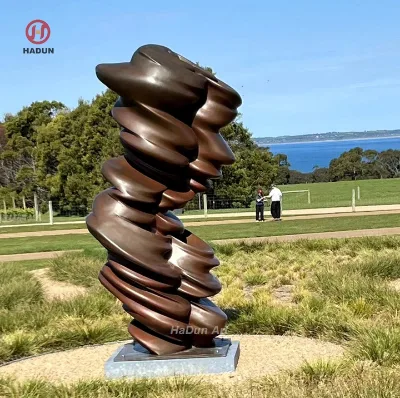
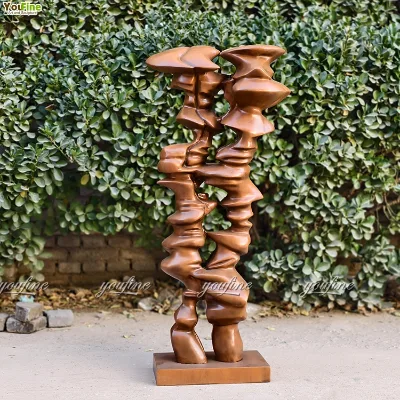
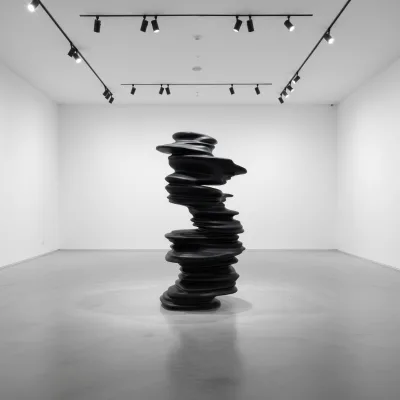
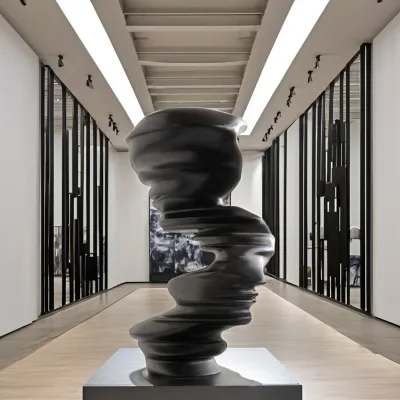
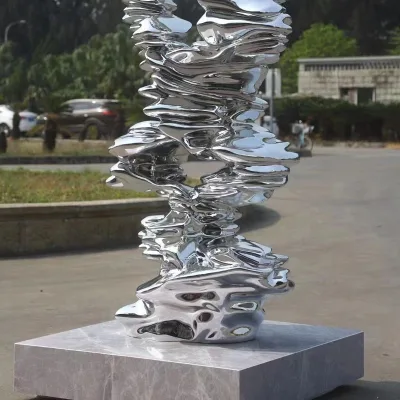


Customized Abstract Modern Design Bronze Body Art Sculpture for Decoration
$1000.00 - $3000.00
MOQ: 1 Pieces


Hand Carved Custom Modern Stainless Steel Statue Art Abstract Sculpture
$1000.00 - $8000.00
MOQ: 1 Pieces
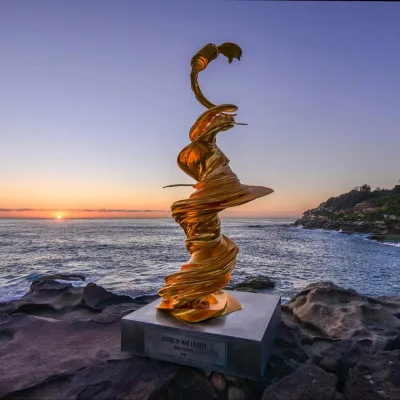
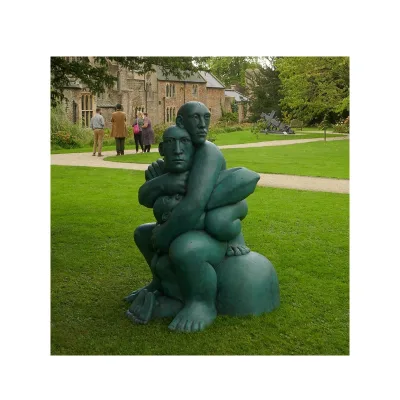
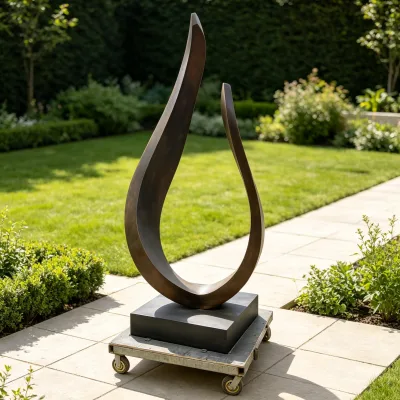
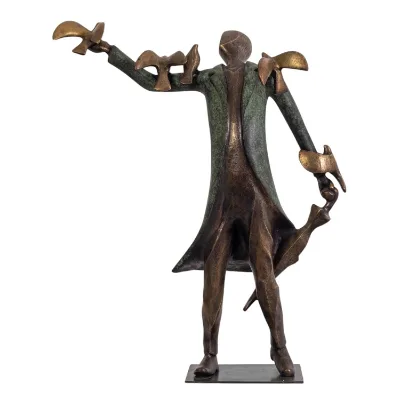

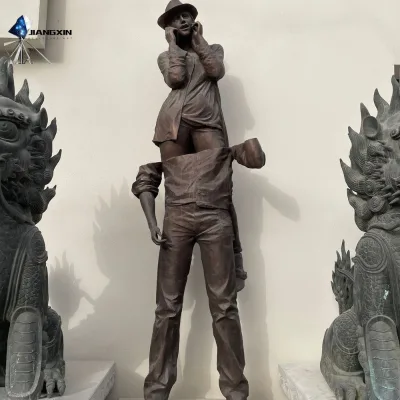
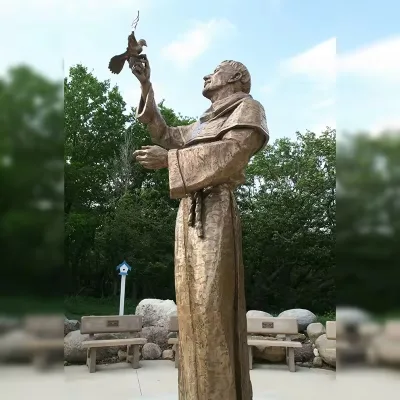
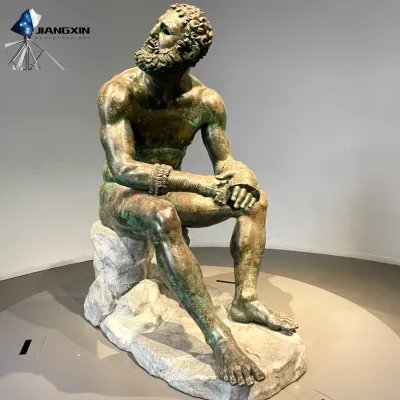
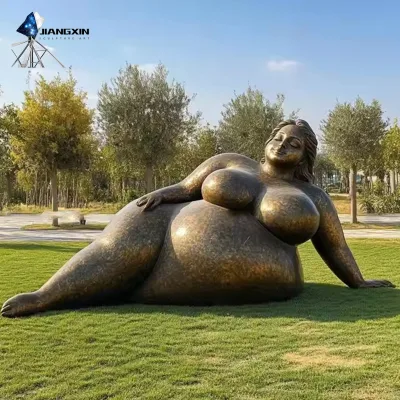
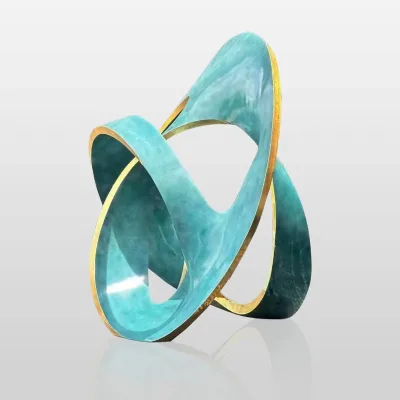
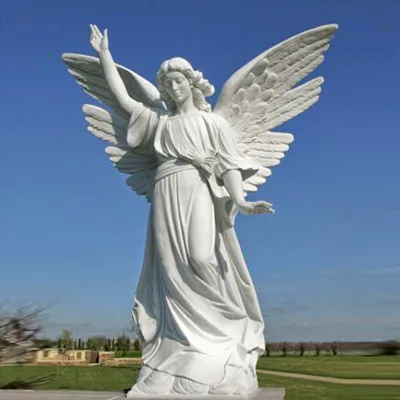
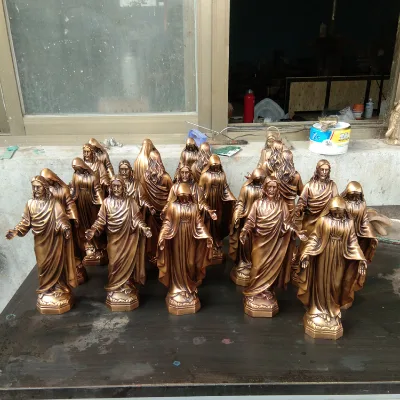
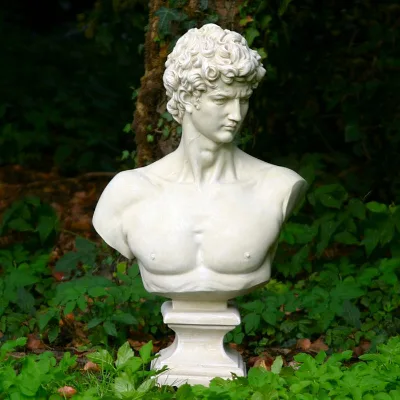
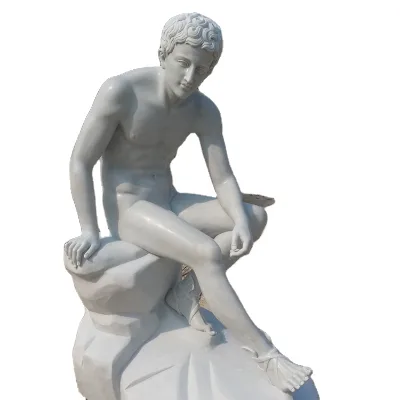
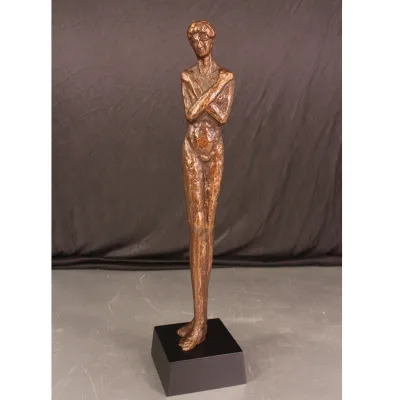
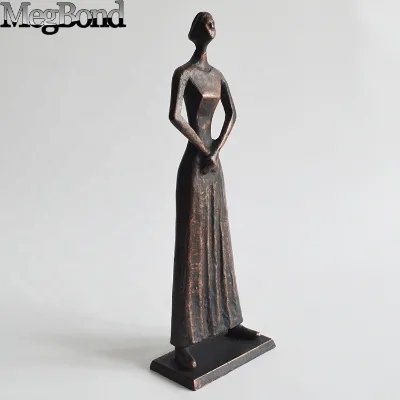


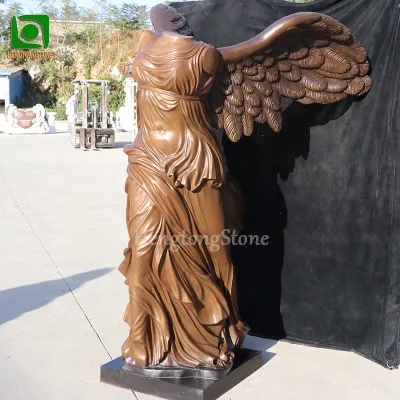
Outdoor Decorative Large Metal Casting Bronze Goddess of Victory Sculpture
$1500.00 - $15000.00
MOQ: 1 Minimum


Comprehensive Sourcing Guide
Abstract Bronze Tornado Statue Sourcing Guide
Sourcing an Abstract Bronze Tornado Statue requires careful attention to material authenticity and structural integrity, as these large-scale art pieces serve as significant focal points for both indoor galleries and outdoor landscapes. Buyers must distinguish between genuine cast bronze and alternative metal alloys, ensuring the final product meets the aesthetic and durability expectations of high-end architectural or decorative projects. The visual impact of a tornado motif relies heavily on the fluidity of the casting technique, which must capture dynamic motion while maintaining the heavy, grounded feel characteristic of bronze.
Procurement teams should prioritize suppliers who offer comprehensive OEM and ODM services, allowing for custom designs that align with specific site requirements or brand identities. The ability to create 1:1 molds and accept customer-provided designs is a critical differentiator in this niche market. Buyers need to verify that the supplier’s design team has the technical capability to translate complex, swirling forms into manufacturable bronze components without compromising structural stability or artistic intent during the casting process.
Product Scope and Observed Listing Signals
The current market for abstract bronze tornado statues features a diverse range of products with varying dimensions, finishes, and brand origins. Observed listings indicate a price range from approximately $15 to $15,000 USD, reflecting significant variation in size, material thickness, and brand prestige. Minimum order quantities are typically low, often starting at just one piece, which facilitates sampling and small-batch procurement for interior designers or boutique collectors. This flexibility allows buyers to test market response or fulfill specific commission requirements without committing to large industrial volumes.
Product attributes observed in the market include custom sizes ranging from small models to large installations, with some units measuring up to 165 cm in height. Common styles include abstract tornado statues, modern art sculptures, and folk art interpretations, often finished in colors like brown, black, or army green. The material is predominantly bronze, though some listings specify metal alloys, requiring buyers to clarify the exact composition. Applications span home decoration, outdoor garden settings, and art collectibles, indicating a broad utility for these sculptural pieces.
Technical Specifications to Verify
Verifying the casting technique and material thickness is essential to ensure the longevity and safety of the sculpture. Buyers should confirm whether the piece is produced using traditional lost-wax casting or other methods, as this affects surface detail and structural density. For outdoor installations, the bronze thickness should be specified, with some market examples indicating a range of 4-6mm, which provides adequate durability against environmental stressors. Thinner gauges may be suitable for indoor use but could pose risks in high-wind outdoor environments.
Packaging and transportation specifications are equally critical due to the weight and fragility of bronze sculptures. Standard packing often involves strong wooden crates with soft foam interiors to prevent damage during transit. Buyers must verify the single gross weight, which can exceed 150 kg for larger pieces, to calculate accurate freight costs and ensure proper handling equipment is available at the destination. Transport modes typically include sea, air, and land freight, with insurance covering all risks being a recommended standard for high-value art shipments.
Compliance and Safety Documentation
While specific certification requirements vary by destination market, buyers should inquire about compliance with international safety and environmental standards. Some suppliers may reference certifications such as CE or RoHS, which indicate adherence to European health, safety, and environmental protection standards. However, buyers must verify the validity and scope of these certifications, as they may not directly apply to artistic bronze sculptures in all jurisdictions. It is crucial to ensure that the patina and finishing processes do not involve hazardous substances that could pose health risks during installation or maintenance.
Documentation should also include detailed installation guidelines and structural engineering reports for large-scale outdoor installations. Buyers need to confirm that the base and anchoring systems are designed to withstand local wind loads and seismic activity. Insurance coverage for all risks during transit is a standard offering, but buyers should review policy terms to ensure coverage extends to the final delivery point. Clear documentation of the product’s origin, such as Hebei or Hainan in China, may also be required for customs clearance and tariff classification.
Cost Drivers and Commercial Terms
The cost of an Abstract Bronze Tornado Statue is influenced by several key factors, including the weight of the bronze, the complexity of the design, and the level of customization required. Larger pieces with intricate details require more material and longer casting times, driving up production costs. Buyers should also consider the cost of mold creation, especially for custom designs, which may involve additional fees for 1:1 mold making and iterative design approvals. Shipping costs are significant due to the heavy weight and bulky packaging, often requiring specialized logistics.
Commercial terms should clearly define payment structures, lead times, and warranty provisions. While specific prices vary widely, buyers should negotiate based on the total landed cost, including freight and insurance. Lead times can be extended by the customization process, so early engagement with the supplier’s design team is advisable. Buyers should also clarify responsibilities for import duties and local installation, ensuring that all parties understand their obligations to avoid unexpected expenses or delays in project timelines.
Supplier Qualification and Quality Control
Evaluating supplier qualifications involves assessing their experience, production capabilities, and quality control processes. Suppliers with over 30 years of experience, as noted in some market listings, may offer greater reliability in handling complex casting projects. Buyers should request evidence of past projects, including photos and client references, to verify the supplier’s ability to deliver high-quality bronze sculptures. It is also important to confirm that the supplier has a dedicated design team capable of executing custom orders while maintaining artistic integrity.
Quality control measures should include rigorous inspection of the casting process, surface finishing, and structural integrity. Buyers should inquire about the supplier’s internal testing procedures and whether third-party inspections are available before shipment. Clear communication channels and responsive customer service are essential for managing custom orders, which often require multiple rounds of feedback and approval. Establishing a strong relationship with the supplier can help mitigate risks and ensure a smoother procurement process from design to delivery.
Long-Term Procurement Checks
Long-term procurement success depends on establishing ongoing relationships with reliable suppliers and maintaining clear communication channels. Buyers should conduct periodic reviews of supplier performance, including delivery times, product quality, and after-sales support. Regular audits of the supplier’s production facilities can help ensure consistent quality and adherence to agreed-upon standards. Building a pipeline of qualified suppliers can provide flexibility and competitive pricing for future projects, reducing dependency on a single source.
Maintenance and care guidelines for bronze sculptures should be provided by the supplier to ensure the longevity of the artwork. Buyers should educate their teams on proper cleaning and patina preservation techniques, especially for outdoor installations exposed to weather elements. Keeping detailed records of all procurement transactions, including specifications, invoices, and correspondence, can facilitate future reorders and resolve any disputes that may arise. Continuous improvement in the procurement process, based on feedback and market trends, will enhance the overall value of the sourcing strategy.
FAQs
What materials are used for abstract bronze tornado statues?
These sculptures are crafted from high-quality bronze and metal materials. The casting technique ensures durability and a refined finish. Buyers can choose from various colors including brown, black, and army green. The material selection supports both indoor art collection and outdoor garden decoration applications effectively.
Can I customize the size of a bronze tornado sculpture?
Yes, custom sizes are available for these abstract bronze tornado statues. The product offers flexible sizing options such as M, L, or one size. The design team welcomes customer-specific requirements to create unique pieces. This customization ensures the sculpture fits perfectly into any intended space or design scheme.
How are abstract bronze tornado statues packaged for shipping?
Sculptures are packed in strong wooden crates with soft foam inside. This protective packaging prevents damage during transit by sea, air, or land. The single gross weight is approximately 150 kg for standard models. Insurance covering all risks is often included to ensure safe delivery to the final destination.
What techniques are used to make bronze tornado statues?
The statues are created using advanced casting techniques to achieve detailed forms. Manufacturers often make 1:1 molds to ensure accuracy and quality. This process allows for the creation of complex abstract shapes like tornadoes. The technique supports both modern art styles and traditional folk art aesthetics for collectors.
Where are these bronze sculptures manufactured?
These sculptures are manufactured in China, specifically in regions like Hebei and Hainan. The production facilities leverage over 30 years of experience in metal casting. This location provides access to skilled artisans and robust supply chains. Buyers can rely on established manufacturing hubs for consistent quality and timely delivery.
What are the common applications for bronze tornado statues?
These statues serve as home decorations, art collectibles, and outdoor garden pieces. They are suitable for public spaces requiring modern or abstract art installations. The durable bronze material withstands various weather conditions for outdoor use. Buyers often select them for commercial lobbies, parks, or private residential gardens.