Source Eco Friendly Animal Acrylic Specimen for Home Decor, Gifts, Education
Compare 23 Eco Friendly Animal Acrylic Specimen options including octopus, silkworm, and dragonfly models. Buyers can review sizes, materials, and certifications from Chinese manufacturers for decoration, gifts, and educational displays; compare the available evidence and request quotations based on your requirements.
Updated
Key considerations
Products List
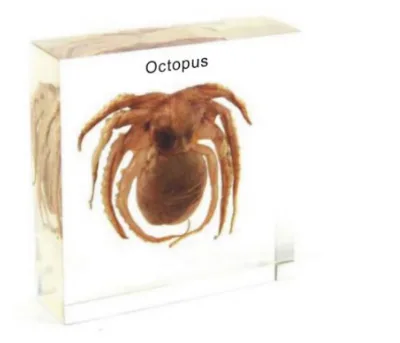
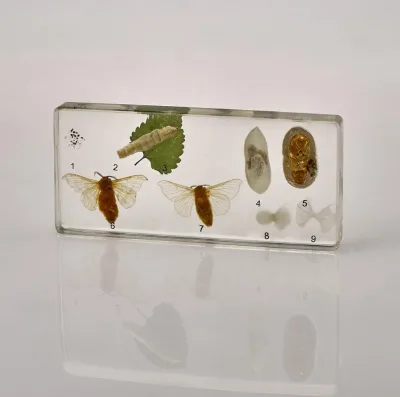
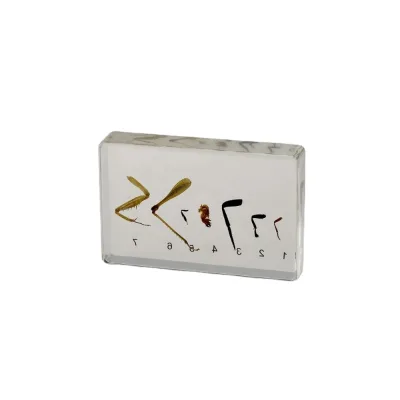
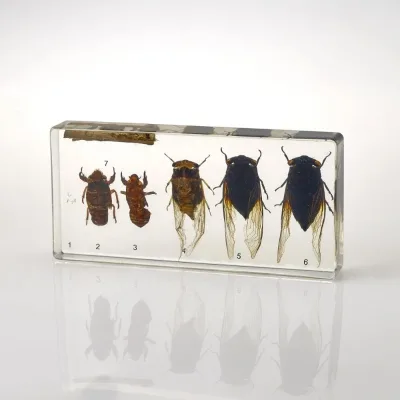
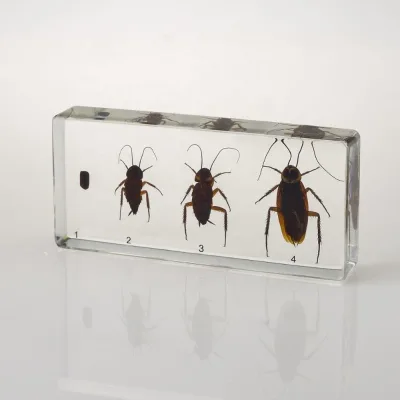
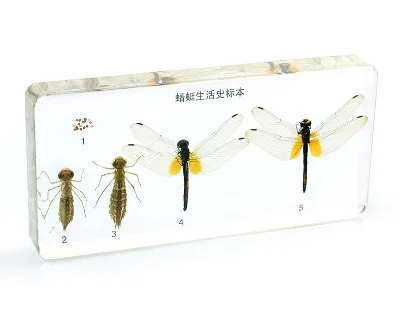
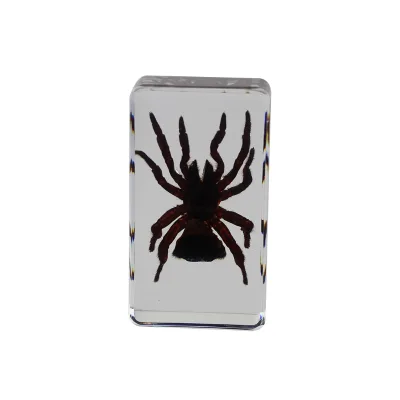
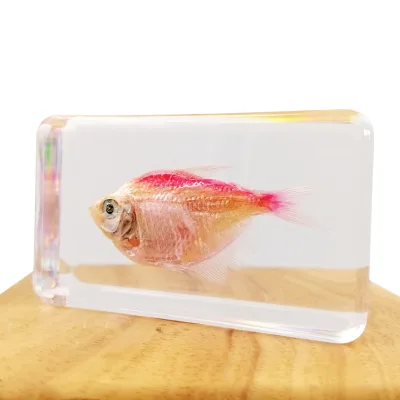
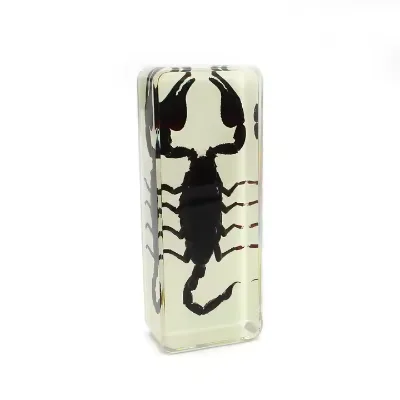
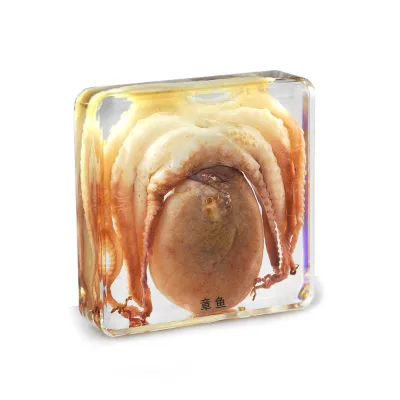
Real Octopus Specimen in Top Quality Acrylic Resin Insects Paperweight
$7.3556 - $8.7032
MOQ: 100 Minimum


Comprehensive Sourcing Guide
Eco Friendly Animal Acrylic Specimen Sourcing Guide
Procuring eco-friendly animal acrylic specimens requires a nuanced understanding of material composition and ethical sourcing standards. Buyers must distinguish between genuine sustainable practices and superficial marketing claims, particularly when dealing with resin-based products. The observed market data indicates a strong presence of polymer resin and polyresin items, which are often marketed for their durability and aesthetic appeal. However, the term "eco-friendly" is not explicitly confirmed in the provided product attributes, necessitating rigorous verification of the manufacturing process. Sourcing teams should prioritize suppliers who can demonstrate transparent supply chains and provide evidence of low-impact production methods.
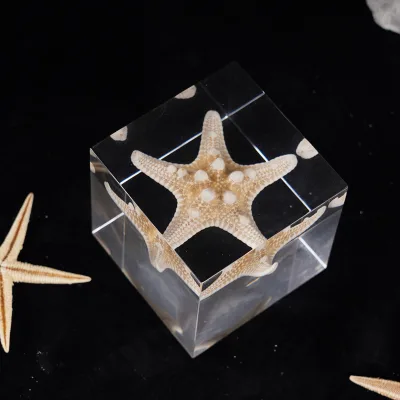
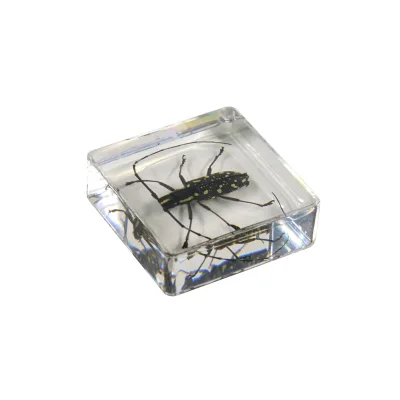
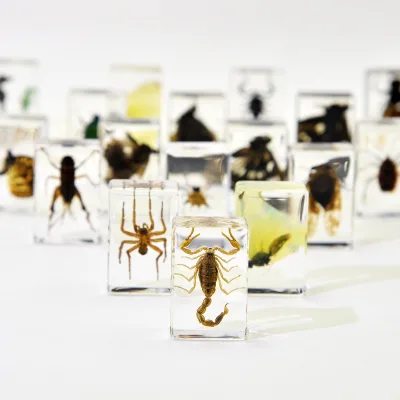
The visual and functional aspects of these specimens vary significantly, ranging from life-size octopus sculptures to embedded insect displays. Key observations include products labeled with themes such as "Animal," "Insect specimen," and "Embedment insect," suggesting a diverse catalog that appeals to both educational and decorative markets. Buyers should carefully evaluate the specific use cases, such as home decoration, gifts, or educational displays, to ensure alignment with their target audience. Understanding the distinction between free-form sculptures and solidified, polished specimens is crucial for selecting the right product for specific retail or institutional needs.
Product Scope and Observed Listing Signals
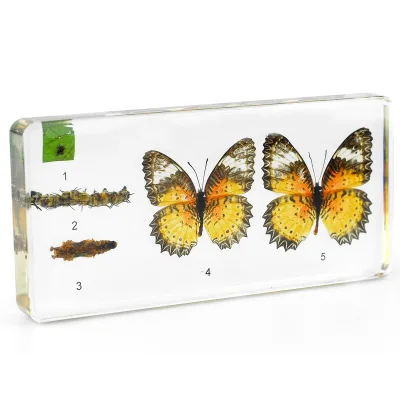
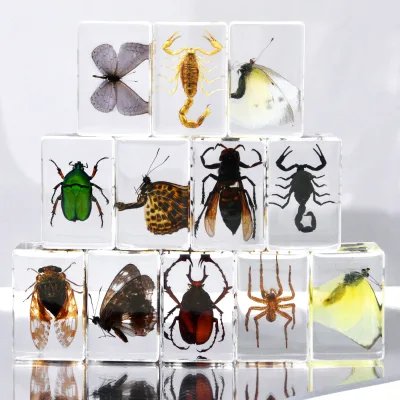
The current market landscape for animal acrylic specimens reveals a wide array of product types, including life history specimens of silkworms, cicadas, and cockroaches, as well as dragonfly displays. These items are often categorized under themes like "Art & Collectible" or "Education/decoration," indicating their dual utility in retail and academic settings. The observed listings show a preference for naturalistic representations, with sizes ranging from compact 12x12x5 cm packages to larger, nature-sized pieces. Buyers should note that while some products are explicitly described as "Life History Specimens," others are styled as Feng Shui decorations or general crafts, requiring careful categorization during procurement.
Material composition is a critical signal for buyers assessing product quality and potential environmental impact. The supplied facts highlight the use of polymer resin, polyresin, and a combination of resin and acrylic for embedded specimens. These materials offer clarity and durability but require scrutiny regarding their sourcing and production footprint. For instance, the dragonfly specimen is noted to be made of Resin/Acrylic, while other items rely solely on polymer resin. Buyers must verify if these materials are derived from sustainable sources or if they incorporate recycled content, as this directly impacts the "eco-friendly" claim. The variety in materials suggests that not all listed products may meet strict environmental standards, necessitating selective sourcing.
Technical Specifications to Verify
Technical verification begins with assessing the physical dimensions and packaging requirements of the specimens. Observed data shows single package sizes ranging from 12x12x5 cm to 20x20x20 cm, with corresponding gross weights varying from 0.8 kg to 2.0 kg. These variations significantly impact logistics costs and storage requirements, making it essential for buyers to align product specifications with their distribution channels. For example, the life-size octopus and cicada specimens have distinct weight and size profiles that must be accounted for in freight calculations. Buyers should request detailed packing lists to ensure that the outer packaging, described as "Standard+custom made," provides adequate protection during transit.
Model numbers and specific design features provide additional layers of verification for product consistency. Items such as the octopus (Model G-90005) and the dragonfly display (Model DS015) offer unique identifiers that help in tracking inventory and quality control. The dragonfly specimen, for instance, is described as having a cuboid shape and a weight of 210g, which contrasts with heavier resin sculptures. Buyers should verify the technique used, such as "Free Form" for sculptures or "Solidification and polish" for embedded specimens, as these processes affect the final aesthetic and structural integrity. Confirming these technical details ensures that the received goods match the ordered specifications, reducing the risk of returns or customer dissatisfaction.
Compliance and Safety Documentation
Compliance verification is paramount when sourcing products that may be used in educational or home environments. The supplied facts mention ISO14001-2004 certification for one of the products, indicating a commitment to environmental management systems. However, this certification alone does not guarantee that the entire product line is eco-friendly or safe for all end-users. Buyers must investigate whether the resin and acrylic materials used in the specimens comply with international safety standards, such as REACH or CPSIA, particularly if the products are intended for children or schools. The absence of explicit safety certifications in the provided data necessitates proactive requests for test reports from suppliers.
Transparency in labeling and origin is another critical compliance factor. Products are noted to have origins in Henan and Guangxi, China, with brand names like GREEN and benji. Buyers should verify if the "Transparent label" feature, mentioned for silkworm specimens, includes accurate information about material composition and care instructions. Additionally, the "Customer Require" label suggests that customization is possible, which may introduce variability in compliance documentation. Sourcing teams should ensure that all customized items maintain the same level of regulatory adherence as standard products. Clear labeling helps in maintaining trust with end-consumers and ensures that the products meet the legal requirements of the destination market.
Cost Drivers and Commercial Terms
Cost structures for animal acrylic specimens are influenced by material complexity, packaging customization, and order volume. The observed price range of $0.91 to $16.5 USD reflects significant variation based on product type and size. Smaller, simpler items like the silkworm specimens are likely at the lower end, while larger, more intricate pieces such as the life-size octopus or embedded dragonfly displays command higher prices. Buyers should analyze the cost per unit in relation to the single gross weight and package dimensions to determine the most cost-effective shipping options. Understanding these drivers helps in negotiating better terms and optimizing overall procurement budgets.
Minimum Order Quantities (MOQs) and lead times are key commercial terms that affect supply chain flexibility. The observed MOQ range of 5 to 200 units suggests that suppliers are accommodating for both small-scale retailers and larger distributors. Buyers should leverage this flexibility to test market demand before committing to large orders. Additionally, the "Selling Units" attribute indicates that products are often sold as single items, which simplifies inventory management but may increase per-unit shipping costs. Negotiating favorable MOQs and lead times can enhance cash flow and reduce storage costs, allowing buyers to maintain a lean inventory while meeting customer demand.
Supplier Qualification and Quality Control
Supplier qualification involves assessing the manufacturer's capability to produce consistent, high-quality specimens. The presence of multiple model numbers and styles, such as Feng Shui and Artificial, indicates a diverse production capability. Buyers should verify the supplier's quality control processes, particularly for items requiring precise techniques like "Solidification and polish." The mention of "Customer Require" for transparent labels suggests that the supplier is open to customization, which requires robust quality assurance to maintain consistency across varied orders. Evaluating the supplier's track record in handling complex designs, such as embedded insect specimens, is crucial for ensuring product integrity.
Quality control checks should focus on material durability and aesthetic accuracy. For resin and acrylic products, buyers should inspect for clarity, absence of bubbles, and secure embedding of specimens. The weight variations observed, from 210g to 2.0 kg, highlight the need for precise manufacturing tolerances. Buyers should request samples to verify the finish and structural stability of the specimens. Additionally, checking the supplier's ability to provide consistent packaging, described as "Standard+custom made," ensures that products arrive in pristine condition. Establishing a clear quality agreement with the supplier helps in maintaining high standards and minimizing defects in the final product.
Long-Term Procurement Checks
Long-term procurement success depends on continuous monitoring of supplier performance and market trends. Buyers should regularly review supplier compliance with environmental and safety standards, especially as regulations evolve. The initial mention of ISO14001-2004 certification should be re-verified to ensure it remains current and applicable to the specific products being sourced. Additionally, tracking changes in material costs and supply chain dynamics can help in anticipating price fluctuations and securing favorable long-term contracts. Maintaining a diversified supplier base reduces risk and ensures continuity of supply for critical items like educational specimens.
Feedback loops with end-users and internal stakeholders are essential for refining procurement strategies. Buyers should gather insights on product durability, aesthetic appeal, and customer satisfaction to inform future purchasing decisions. The diverse applications of these specimens, from home decoration to educational displays, require a flexible approach to product selection. Regularly updating the product portfolio based on market demand and sustainability trends ensures that the procurement strategy remains relevant and competitive. By focusing on long-term relationships and continuous improvement, buyers can build a resilient supply chain that supports their business goals.
FAQs
What materials are used for these animal specimens?
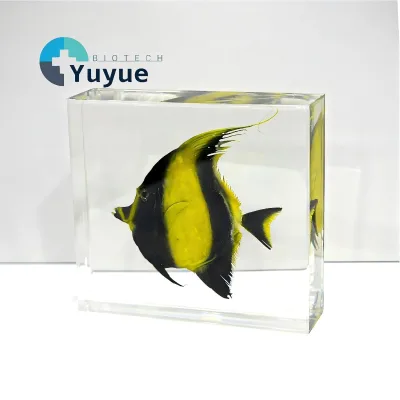
These specimens are crafted from polymer resin, polyresin, or a combination of resin and acrylic. The materials ensure durability and clarity for display purposes. Some items feature embedded insects within solidified acrylic blocks, while others use free-form techniques to create life-size sculptures suitable for decoration or educational use.
Can I customize the packaging for these products?
Yes, outer packing can be customized to meet specific requirements. Standard packaging is available, but custom-made options are offered based on customer needs. This flexibility allows buyers to protect fragile items like acrylic-embedded specimens or resin sculptures during international shipping while maintaining brand presentation standards for retail or wholesale distribution.
What certifications do these products hold?
Products may hold ISO14001-2004 certification, indicating adherence to environmental management standards. This certification supports eco-friendly sourcing claims and ensures responsible manufacturing practices. Buyers should verify specific certificate details with suppliers, as certifications apply to production processes rather than individual product attributes, ensuring compliance with international trade and sustainability requirements.
What is the typical MOQ for these items?
The minimum order quantity typically ranges from 5 to 200 units, depending on the specific product model. Lower MOQs apply to smaller items like single insect specimens, while larger sculptures may require higher volumes. This range accommodates both small-scale retailers and large distributors seeking diverse inventory levels for home decoration or educational markets.
Where are these animal specimens manufactured?
These items are manufactured in China, with origins in regions such as Henan and Guangxi. The regional features highlight local craftsmanship and material sourcing capabilities. Buyers can leverage these locations for supply chain efficiency, as established manufacturing hubs in China offer competitive pricing and reliable production capacity for resin and acrylic-based decorative products.
How are the insect specimens displayed?
Insect specimens are displayed in acrylic-embedded blocks or life-size resin models. The acrylic blocks provide a clear, protective view of the insect life cycle, while resin models offer artistic, free-form designs. Both methods serve educational and decorative purposes, allowing buyers to showcase detailed biological features or aesthetic sculptures in homes, offices, or classrooms.