Source Carved Rustic Wooden Sign for Home Decor, Gifts, and Business
Compare 30 listings for Carved Rustic Wooden Sign options including custom shapes, various wood types like pine and oak, and handmade features. Buyers can evaluate specifications, MOQs, and customization capabilities from verified suppliers; compare the available evidence and request quotations based on your requirements.
Updated
Key considerations
Products List
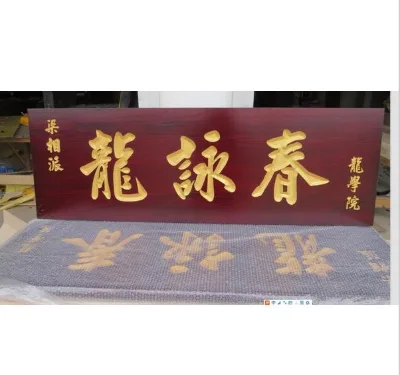
Traditional Chinese Wood Carved Signs Wooden Carved Sign Boards Wooden Signs
$56.8196 - $98.144
MOQ: 10 Minimum
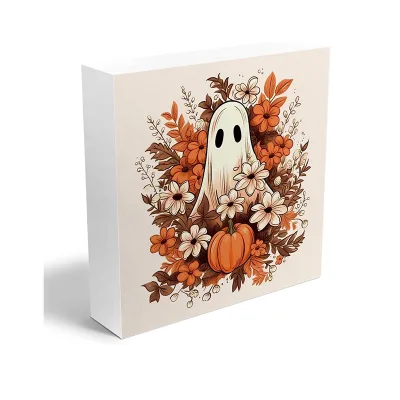
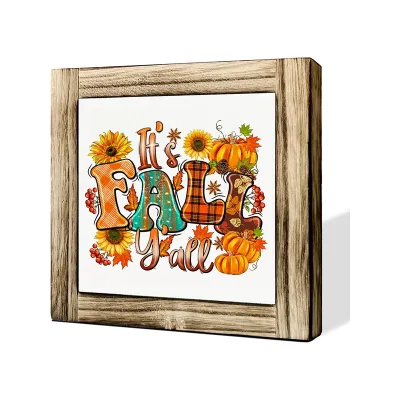

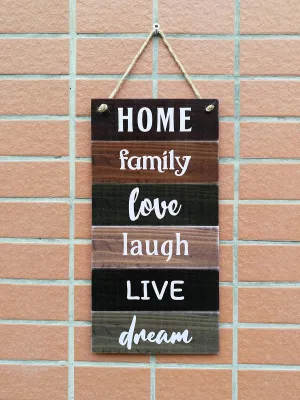



Wood Carved Wall Panels Wall Art Signs Decorative Craft Wood Welcome Signs Home
$3.28 - $3.45
MOQ: 500 Pieces

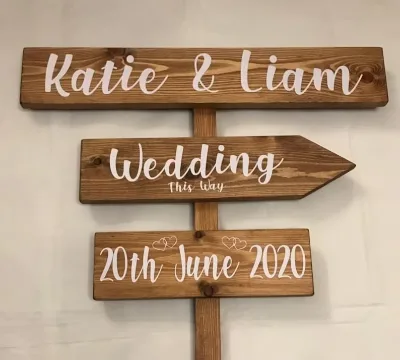
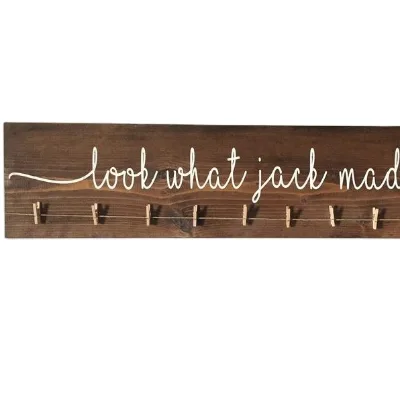

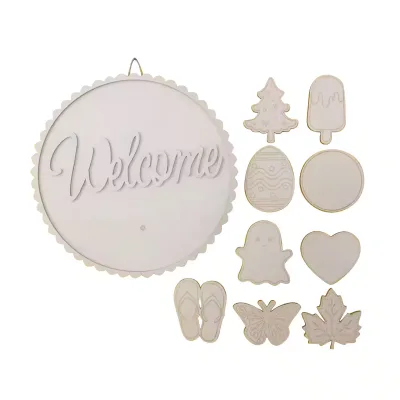
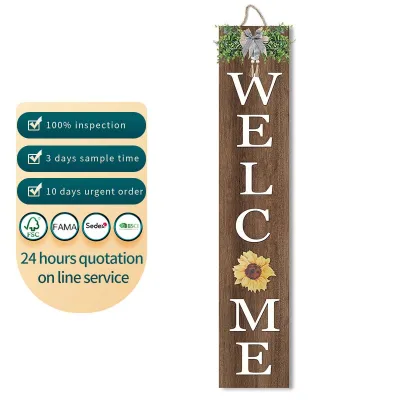
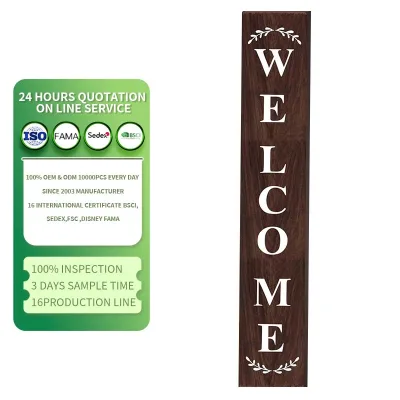
Wooden welcome signs are suitable for decorating wooden signs with icons at the entrance
$2.1571 - $2.7312
MOQ: 500 pieces







Comprehensive Sourcing Guide
Carved Rustic Wooden Sign Sourcing Guide
Sourcing carved rustic wooden signs requires a disciplined approach to balancing aesthetic authenticity with commercial viability. Buyers must navigate a market where customization is the norm, with suppliers offering extensive options for shape, logo, and material selection. The observed product landscape indicates a strong emphasis on handmade techniques and antique imitation styles, which appeal to niche markets seeking unique decorative elements. Understanding these baseline attributes is crucial for defining precise procurement specifications that align with brand identity and end-user expectations.
The procurement process involves evaluating a diverse range of materials, from solid pine and oak to engineered plywood and paulownia. Each material choice impacts the final weight, durability, and visual texture of the sign. Buyers should prioritize suppliers who demonstrate flexibility in OEM and ODM services, as this allows for tailored solutions that meet specific design requirements. Establishing clear communication channels early in the sourcing journey ensures that all customization requests, including logo placement and color variations, are accurately interpreted and executed by the manufacturing team.
Product Scope and Observed Listing Signals
The current market for carved rustic wooden signs features a wide array of product types, ranging from simple decorative items to complex business gifts. Observed listings highlight products with specific model numbers such as WC04 and HXJY-5727, indicating a structured inventory system among suppliers. These items often carry brand names like Everythingwushu and Harmonious home, suggesting that established manufacturers are active in this segment. The presence of single-item selling units and carton packaging details points to a supply chain optimized for individual retail or corporate gifting scenarios rather than bulk industrial use.
Visual and thematic elements play a significant role in product differentiation, with themes ranging from Buddhism to rural autumn aesthetics. Colors are frequently customized, with multicolor options available alongside natural wood tones. The shape of the signs is often tailored to specific designs, including human figures or custom silhouettes, which requires precise digital modeling before production. Buyers should note that while many products claim to be 100% handmade, the actual degree of manual labor versus machine assistance can vary, necessitating direct verification of production methods to ensure quality consistency.
Technical Specifications to Verify
Technical verification begins with confirming the material composition, as suppliers list options including pine, oak, acacia, plywood, and paulownia. Each material has distinct properties affecting weight and finish; for instance, one observed product had a single gross weight of 10.0 kg, which impacts shipping costs and handling requirements. Buyers must specify the exact wood type to avoid substitutions that could alter the rustic aesthetic or structural integrity. Additionally, the processing technique, whether carved or printed, must be clearly defined to ensure the desired tactile and visual outcome matches the procurement intent.
Dimensional accuracy is another critical technical parameter, with single package sizes varying significantly, such as 50x50x50 cm for certain boxed items. The number of layers and structural design, often described as one-layer constructions, must be verified to ensure stability and durability. Customization options for size and shape are widely available, but buyers should request detailed technical drawings or 3D models before placing orders. This step prevents discrepancies between the prototype and the final mass-produced units, ensuring that the carved details align perfectly with the specified dimensions and design constraints.
Compliance and Safety Documentation
Compliance documentation is essential for ensuring that wooden signs meet safety standards in target markets, particularly regarding chemical treatments and finishes. Buyers should request certificates of conformity for any paints, stains, or sealants used, especially if the signs are intended for children’s rooms or food-adjacent environments. While specific certification statuses are not universally listed, verifying that materials are free from harmful substances like formaldehyde or heavy metals is a critical due diligence step. Suppliers should be able to provide material safety data sheets (MSDS) for all applied coatings to confirm regulatory compliance.
Packaging compliance is equally important, with observed details indicating the use of bubble bags and inner boxes to protect fragile carved elements during transit. Buyers must ensure that packaging materials meet international shipping standards to prevent damage and reduce return rates. Additionally, labeling requirements, including country of origin and material composition, must be accurately reflected on the final product and packaging. For exports to regions like Europe, verifying that the wooden components comply with relevant phytosanitary regulations is necessary to avoid customs delays or rejections at the port of dispatch.
Cost Drivers and Commercial Terms
Cost drivers for carved rustic wooden signs include material selection, labor intensity, and customization complexity. Handmade carving processes significantly increase production time and cost compared to machine-printed alternatives. The observed supply ability of 1000 pieces per month suggests that high-volume orders may require careful scheduling to maintain quality. Buyers should negotiate clear pricing structures that account for tooling fees for custom shapes or logos, as these one-time costs can impact the overall unit price, especially for smaller order quantities.
Commercial terms such as MOQ and lead times vary across suppliers, with observed MOQs ranging from 1 to 1000 pieces. A common MOQ of 100 pieces offers flexibility for small businesses, while larger orders may benefit from volume discounts. Payment terms and shipping arrangements, including the port of dispatch like Shanghai, should be clearly defined in the contract. Buyers should also consider the total landed cost, including freight and insurance, as the single gross weight of items can significantly affect shipping expenses. Transparent communication about these terms helps avoid unexpected costs and ensures budget alignment.
Supplier Qualification and Quality Control
Supplier qualification involves assessing their capability to deliver consistent quality across customized orders. Buyers should verify the supplier’s experience with similar materials and techniques, such as carved pine or plywood signs. Requesting samples of previous work allows for a physical evaluation of craftsmanship, including the precision of carvings and the quality of finishes. Suppliers with a history of OEM/ODM services are often more adaptable to specific design requirements, but buyers must ensure that their quality control processes are robust enough to handle custom variations without compromising overall product standards.
Quality control checks should include visual inspections for defects, dimensional accuracy measurements, and durability tests for hanging mechanisms or structural integrity. Buyers should establish clear acceptance criteria for cosmetic imperfections, as handmade items may have minor variations that are acceptable within industry norms. Implementing a pre-shipment inspection protocol ensures that any issues are identified and resolved before the goods leave the factory. Regular communication with the supplier during production can also help catch potential problems early, reducing the risk of receiving non-conforming products.
Long-Term Procurement Checks
Long-term procurement success depends on establishing a reliable supply chain that can scale with business growth. Buyers should conduct periodic performance reviews of suppliers, evaluating factors such as on-time delivery, product consistency, and responsiveness to issues. Building a relationship with a primary supplier and a backup option can mitigate risks associated with supply chain disruptions. Additionally, staying informed about market trends and material availability helps buyers make proactive decisions about inventory management and product development, ensuring that the carved rustic wooden signs remain competitive and relevant in the evolving home decor and gift markets.
Continuous improvement in the procurement process involves gathering feedback from end-users and sales teams to refine product specifications. This feedback loop can inform future design iterations and material choices, leading to higher customer satisfaction and repeat orders. Buyers should also monitor regulatory changes in target markets to ensure ongoing compliance. By maintaining a strategic approach to supplier management and product development, companies can leverage the unique appeal of carved rustic wooden signs to build a strong brand presence and achieve sustainable growth in their respective niches.
FAQs
Can carved rustic wooden signs be customized for business gifts?
Yes, customization is available for business gifts. The product supports customized logos, colors, and sizes. It is explicitly listed as a business gift item. Buyers can request personalized shapes and styles. The brand name Everythingwushu offers these options. This allows for tailored marketing materials or corporate presents.
What is the minimum order quantity for wooden signs?
The minimum order quantity is 100 pieces. Some listings indicate an MOQ of 500 for specific models. The supply ability is 1000 pieces per month. Buyers should verify the exact MOQ for their chosen model. This ensures the order meets the manufacturer's production requirements.
Which materials are used for these wooden signs?
Materials include wood, plywood, pine, oak, acacia, and paulownia. The specific model WC04 uses wood. Another model uses plywood. Buyers can choose from various wood types. This allows for different textures and durability levels. The material choice depends on the desired aesthetic and function.
How are the wooden signs packaged for shipping?
Packaging details include cartons, bubble bags, and inner boxes. The single package size is 50x50x50 cm. The single gross weight is 10.0 kg. This packaging protects the items during transit. Buyers receive the goods in secure, standard shipping containers.
Where are these wooden signs manufactured?
The place of origin is China, specifically Shandong. The port of dispatch is Shanghai. This location is a major manufacturing hub. Buyers can expect efficient logistics from this region. The regional feature is listed as Europe, indicating target markets.
What styles are available for these decorative signs?
Styles include antique imitation, creative, and personalized customization. The theme can be Buddhism. The shape can be customized or human. Colors range from wood tones to multicolor. This variety suits home decor, gifts, and religious uses.