Source CE Certified Indoor Climbing Wall for Schools, Parks, and Gyms
Source CE Certified Indoor Climbing Wall options from 30 verified listings. Compare vertical and bended panel models suitable for children aged 3-12. Evaluate specifications including LLDPE materials, TUV-GS certifications, and installation manuals for school and amusement park applications; compare the available evidence and request quotations based on your requirements.
Updated
Key considerations
Products List


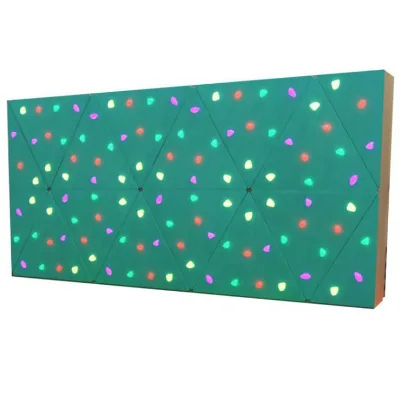
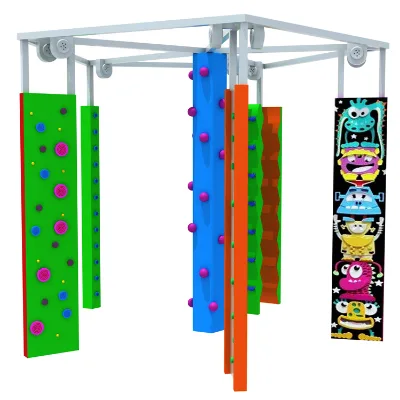
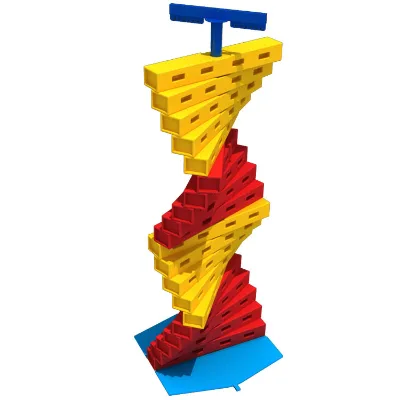
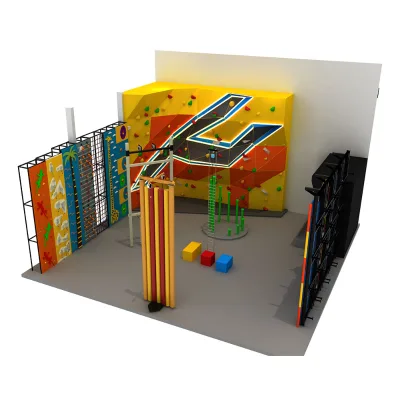
Indoor Playground Multiple Type Fun Climbing Frame Children Rock Climbing Walls
$105.00 - $165.00
MOQ: 10 square


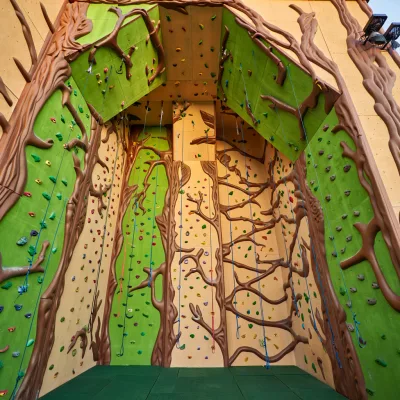
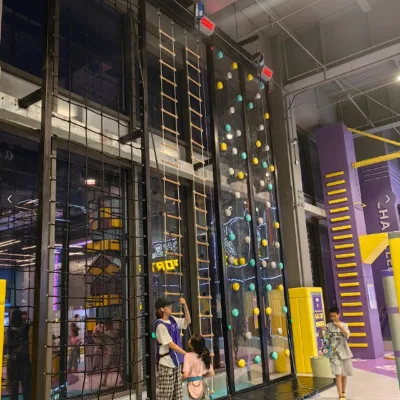
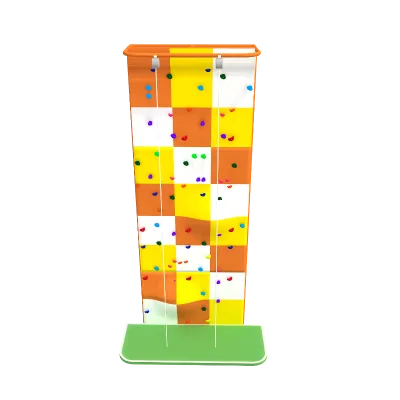
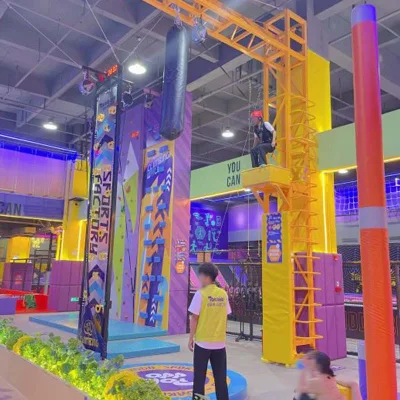
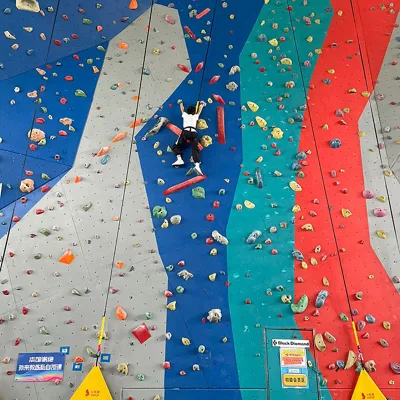
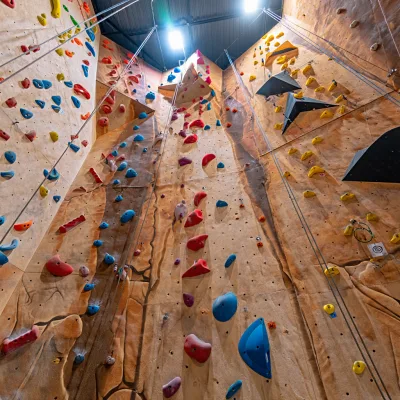
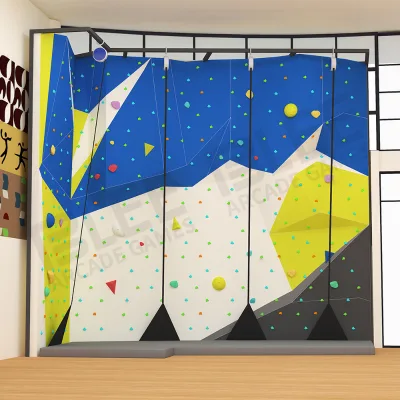


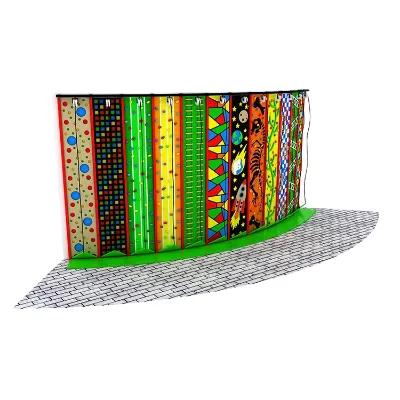

Comprehensive Sourcing Guide
CE Certified Indoor Climbing Wall Sourcing Guide
Procuring a CE Certified Indoor Climbing Wall requires careful evaluation of structural integrity and material safety to ensure compliance with European safety directives. Buyers must prioritize suppliers who provide transparent documentation regarding load-bearing capacities and impact attenuation, as these factors directly influence the longevity and safety of the installation. The market offers various configurations, from vertical panels to bended elements, each serving distinct training or recreational purposes. Understanding the specific mechanical requirements of your facility is essential before engaging with manufacturers, as mismatched specifications can lead to costly retrofits or safety hazards.
Verification of certification status is not merely a formality but a critical step in risk mitigation. While many suppliers claim compliance, buyers should request valid test reports from accredited laboratories to confirm that the product meets the rigorous standards of EN 12572 or equivalent regional regulations. This due diligence protects your business from liability and ensures that the climbing structures can withstand the dynamic forces generated by users of varying ages and skill levels. Establishing a clear baseline for compliance early in the sourcing process streamlines negotiations and builds trust with potential vendors.
Product Scope and Observed Listing Signals
The current market landscape for indoor climbing walls features a diverse range of models designed for specific age groups and usage scenarios. Listings indicate products suitable for children aged three to twelve years, as well as units accommodating older users up to fifty-five years old. These variations suggest that buyers can source specialized equipment for kindergartens, schools, or commercial amusement centers. The observed price range spans from eighty to ten thousand USD, reflecting differences in complexity, material quality, and included accessories. This wide spectrum allows for flexible budgeting but necessitates clear definition of functional requirements to avoid overpaying for unnecessary features.
Observed minimum order quantities typically range from one to fifty units, indicating that suppliers are willing to accommodate both small-scale installations and larger commercial projects. Many listings highlight customization options, allowing buyers to tailor colors, dimensions, and structural elements to their specific aesthetic or spatial constraints. Installation methods vary, with some products offering flat climbing wall panels while others provide bended climbing wall elements, each requiring different assembly approaches. Understanding these structural differences is crucial for planning the logistics of delivery and on-site assembly, ensuring that the chosen solution aligns with your facility’s architectural capabilities.
Technical Specifications to Verify
When evaluating technical specifications, buyers should focus on the structural materials and dimensional accuracy of the climbing walls. Common materials include LLDPE for plastic parts and galvanized steel for structural frames, offering a balance of durability and resistance to corrosion. Dimensions such as two-point-four meters wide by four meters high are observed in certain models, providing ample space for dynamic movement. It is essential to verify the single package size and gross weight, as these factors impact shipping costs and handling requirements. For instance, some units have a single gross weight of sixty-eight kilograms, which may require specialized equipment for safe installation.
The life span and warranty terms are critical indicators of product quality and manufacturer confidence. Observed life spans range from three to eight years, depending on the model and usage intensity. A one-year warranty is standard across many listings, but buyers should clarify what components are covered and the process for claiming repairs. Additionally, the presence of an installation manual is a key technical detail that simplifies the setup process. Buyers should also inquire about the capacity of the structure, with some units designed to accommodate ten to thirty-five children simultaneously, ensuring that the selected model meets the expected throughput of your facility.
Compliance and Safety Documentation
Compliance with safety standards is paramount when sourcing indoor climbing walls, particularly for commercial applications. Buyers must request comprehensive documentation, including test reports and certificates from recognized bodies such as TUV-GS, OHSAS18001, ISO9001, and ISO14001. These certifications indicate that the manufacturer adheres to rigorous quality management and environmental standards. While EN 12572 is a relevant standard for playground equipment, buyers should verify if the specific product has been tested against this or equivalent regulations. Relying solely on supplier claims without documented proof can expose your business to significant legal and safety risks.
In addition to structural certifications, buyers should assess the safety features of the climbing components. Anti-UV and anti-static properties in plastic parts are important for maintaining colorfastness and preventing electrical hazards, especially in indoor environments. The color options, such as multi-color schemes or specific requests like red and yellow, should not compromise the structural integrity or safety of the unit. It is also advisable to confirm that the materials used are non-toxic and free from harmful chemicals, ensuring a safe environment for children and adults alike. Proper documentation serves as a legal safeguard and demonstrates a commitment to user safety.
Cost Drivers and Commercial Terms
Several factors influence the final cost of an indoor climbing wall, including material quality, customization level, and shipping logistics. The supply ability of manufacturers, such as five thousand sets per month, can affect pricing based on order volume and production scheduling. Buyers should negotiate clear terms regarding packaging details, as proper protection using bubble bags, PP film, and cotton is essential to prevent damage during transit. The port of dispatch, such as Ningbo, also impacts shipping costs and lead times, so understanding the logistics chain is vital for accurate budgeting.
Commercial terms should include clear definitions of payment schedules, delivery timelines, and after-sales support. Buyers should inquire about the availability of spare parts and the cost of maintenance services over the product’s life span. Customization options, while desirable, may incur additional costs and extend lead times, so these should be factored into the overall project budget. It is also important to clarify the responsibilities for installation, whether the supplier provides on-site assistance or if the buyer must arrange for local contractors. Transparent commercial terms help avoid hidden costs and ensure a smooth procurement process.
Supplier Qualification and Quality Control
Selecting a qualified supplier involves verifying their manufacturing capabilities and quality control processes. Buyers should request evidence of their production facilities, including machinery and workforce expertise, to ensure they can meet your specific requirements. Suppliers located in regions like Guangzhou or Zhejiang, China, often have established supply chains for materials such as galvanized steel and LLDPE. It is advisable to conduct factory audits or request third-party inspection reports to verify that the manufacturing process adheres to international quality standards. This due diligence helps identify potential risks related to production consistency and material sourcing.
Quality control measures should extend from raw material intake to final product dispatch. Buyers should ask about the testing procedures used to validate the structural integrity and safety of each unit before shipment. Inquiring about the defect rate and the supplier’s policy for handling non-conforming products is also crucial. A reputable supplier will have a robust system for tracking and resolving quality issues, ensuring that you receive products that meet the agreed-upon specifications. Building a relationship with a supplier who prioritizes quality control reduces the risk of receiving defective goods and minimizes potential disruptions to your project timeline.
Long-Term Procurement Checks
Long-term procurement success depends on establishing a framework for ongoing performance monitoring and supplier relationship management. Buyers should implement a system for tracking the condition of the climbing walls over time, noting any wear and tear or structural issues that arise during operation. Regular maintenance checks, guided by the installation manual and supplier recommendations, are essential for extending the life span of the equipment. Keeping detailed records of repairs and replacements helps in forecasting future costs and planning for eventual upgrades or replacements.
It is also important to stay informed about updates to safety standards and regulations that may affect the compliance of your existing installations. Engaging with suppliers for periodic reviews can provide insights into new technologies or materials that may enhance safety or durability. Building a long-term partnership with a reliable supplier ensures access to timely support and potential discounts on future orders. By proactively managing the lifecycle of your climbing walls, you can maintain a safe and engaging environment for users while optimizing your procurement investments.
FAQs
What certifications do these climbing walls have?
The climbing walls carry TUV-GS, OHSAS18001, ISO9001, and ISO14001 certifications. These standards ensure safety and quality management for indoor and outdoor installations. Buyers can verify compliance through documented certificates provided by manufacturers in China. This ensures the equipment meets international safety requirements for amusement parks and schools.
Can the climbing walls be customized for specific projects?
Yes, customization is available for these climbing wall systems. Manufacturers offer tailored solutions including specific dimensions, colors, and structural elements. Buyers can request multi-color options or specific panel configurations to match their facility design. This flexibility allows for unique installations in schools, kindergartens, and commercial amusement centers.
What is the typical lifespan of these climbing walls?
The typical lifespan ranges from three to eight years depending on the model and usage intensity. Some standard panels last up to eight years, while specific bent elements may have a three-year lifespan. Regular maintenance and appropriate usage in indoor or outdoor settings help maximize durability and ensure long-term safety for children and adults.
How are the climbing wall panels installed?
Installation is supported by detailed manuals and includes flat climbing wall panels or bent climbing wall elements. The system is designed for straightforward assembly in indoor amusement centers or schools. Buyers receive installation guides to facilitate proper setup. Professional assistance may be recommended for complex vertical structures to ensure stability and safety compliance.
What materials are used in the climbing wall construction?
The climbing walls are constructed using LLDPE and galvanized steel components. Plastic parts are anti-static and anti-UV, ensuring they do not fade easily. The galvanized steel provides structural integrity for vertical or bent wall elements. These materials are selected for durability, safety, and resistance to environmental factors in both indoor and outdoor applications.
What is the minimum order quantity for these products?
The minimum order quantity ranges from one to fifty sets depending on the specific model and supplier. Buyers can order single items or bulk quantities for large projects. This flexibility supports both small-scale installations in kindergartens and large-scale deployments in commercial amusement parks. Suppliers in China offer various MOQ options to accommodate different budget requirements.