Source Commercial Outdoor Inflatable Pool Float for Parks
Source Commercial Outdoor Inflatable Pool Float options from 30 verified listings. Compare PVC models with CE certification, custom sizes, and welding techniques suitable for parks, oceans, and commercial pools; compare the available evidence and request quotations based on your requirements.
Updated
Key considerations
Products List


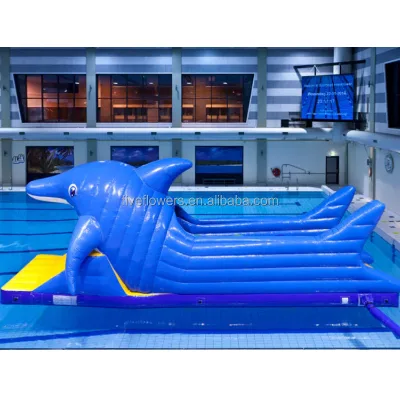
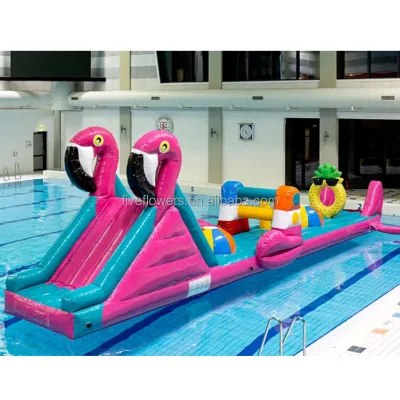
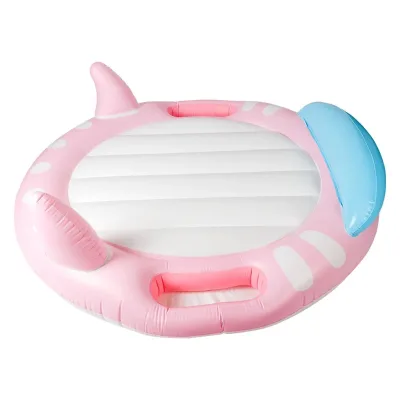

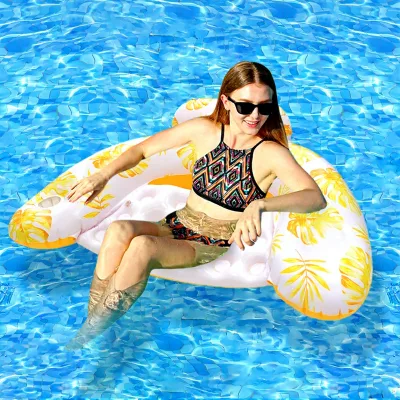
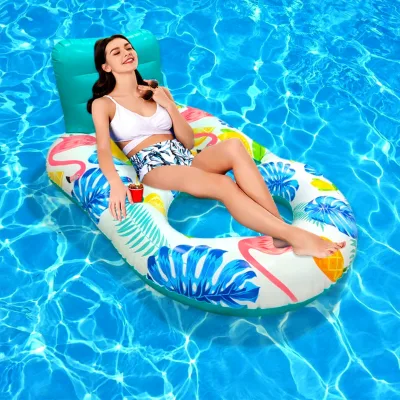
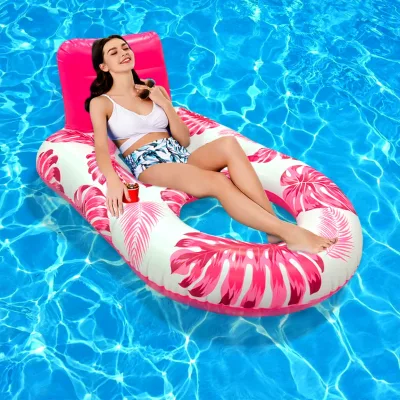
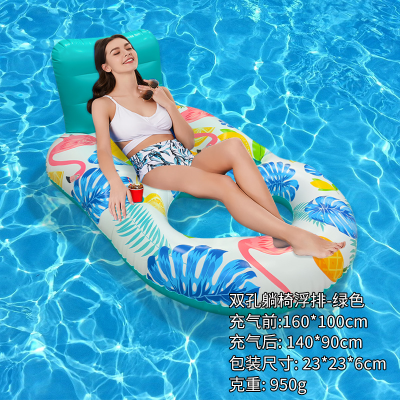
Custom Swimming Pool Floats PVC Pool Inflatable Floating for Outdoor Inflatable Floats
$22.20 - $24.59
MOQ: 1000 Pieces

Best Pool Floats for Adults Inflatable Pool Float Kids Adults Swimming Floating
$15.60 - $17.27
MOQ: 500 Pieces

Relaxing Poolside Whimsical Floats for Adults Pool Party Stylish Inflatable Pool Float
$14.19 - $15.71
MOQ: 500 Pieces
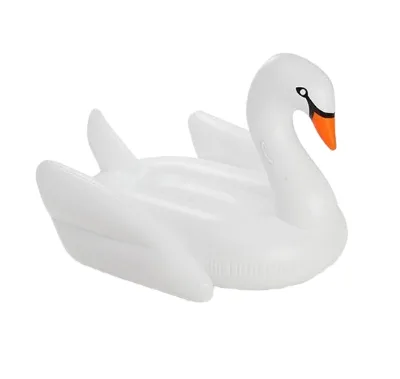
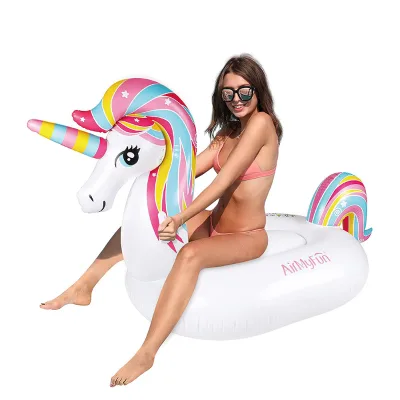
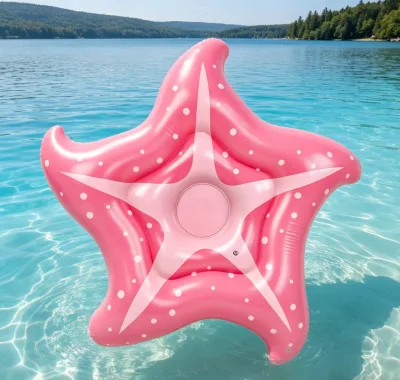
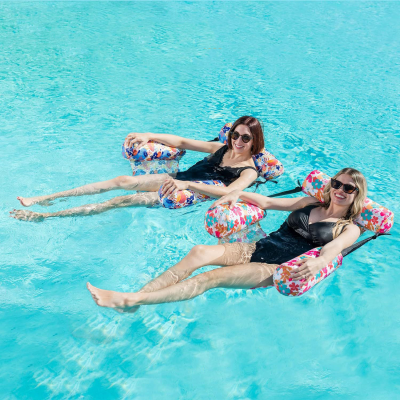



Comprehensive Sourcing Guide
Commercial Outdoor Inflatable Pool Float Sourcing Guide
Sourcing commercial-grade inflatable pool floats requires a disciplined approach to material selection and structural integrity, particularly when deploying units in high-traffic public environments. Buyers must prioritize products constructed from durable PVC, as this material offers the necessary resilience against UV exposure, chemical treatment, and frequent physical contact. The observed market signals indicate that customization is widely available, allowing operators to tailor colors, logos, and dimensions to match specific park branding or thematic requirements. This flexibility is critical for creating immersive experiences in water parks, sports complexes, and commercial leisure facilities.
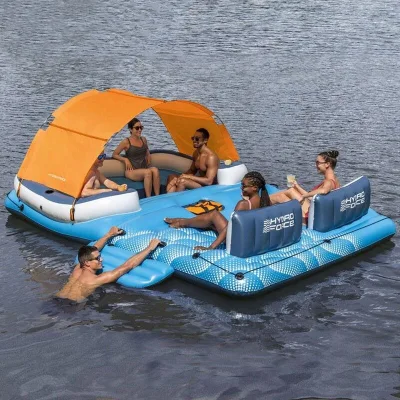
Procurement decisions should also account for the intended seating capacity and maximum load limits, which vary significantly across different product models. Some units are designed for single-item use with minimal capacity, while others support groups of more than ten people, necessitating robust welding techniques and reinforced seams. Understanding these operational constraints ensures that the selected floats align with the venue’s safety protocols and crowd management strategies. Buyers must verify that the chosen configuration meets the specific spatial and usage demands of their facility before finalizing orders.
Product Scope and Observed Listing Signals
The current market landscape for commercial outdoor inflatable pool floats reveals a diverse range of product types, including specialized designs such as crocodile-themed floats and standard swimming pool floats. These products are often marketed for use in various settings, including gardens, commercial parks, oceans, lakes, and indoor pools. The observed listings highlight a strong emphasis on customization, with suppliers offering tailored sizes, colors, and logo printing options to meet unique client specifications. This adaptability allows operators to create distinctive visual identities that enhance the overall guest experience and differentiate their offerings in a competitive market.
Pricing and minimum order quantities (MOQ) exhibit significant variance, reflecting the complexity of manufacturing and the scale of production. While some suppliers offer single-item MOQs for testing or small-scale deployments, others require bulk orders of hundreds of units to achieve viable production runs. The observed price range spans from affordable entry-level options to premium, large-scale commercial units, indicating that budget considerations must be balanced against durability and capacity requirements. Buyers should carefully evaluate the total cost of ownership, including shipping and setup, rather than focusing solely on the unit price.
Technical Specifications to Verify
Technical verification begins with confirming the material thickness and construction technique, as these factors directly influence the float’s longevity and safety. Welding is a common technique observed in commercial-grade products, providing stronger seams than simple gluing, which is essential for withstanding the stresses of commercial use. Buyers must also verify the pool shape and size specifications, as these determine the spatial footprint and compatibility with existing pool infrastructure. Customizable thickness and size options allow for precise engineering to meet specific load-bearing needs and aesthetic preferences.
Accessories and packaging details are equally critical for operational readiness and maintenance. Most commercial listings include essential accessories such as pumps, repair kits, and suitable plugs, which streamline the setup process and reduce downtime. The packaging method, often involving PVC bags for inflatables and cartons for pumps, impacts shipping efficiency and product protection during transit. Additionally, verifying the seating capacity and maximum weight limits ensures that the product meets the intended usage requirements, preventing overloading and potential safety hazards during peak operating hours.
Compliance and Safety Documentation
Compliance with international safety standards is non-negotiable for commercial inflatable products, particularly those used in public spaces. Buyers must request and verify relevant certifications, such as CE, which indicates conformity with health, safety, and environmental protection standards for products sold within the European Economic Area. While some listings mention ISOCE or other certifications, it is crucial to validate these claims with official documentation from accredited testing bodies. Ensuring that the product meets applicable regional regulations protects the operator from legal liabilities and enhances customer trust in the safety of the equipment.
Quality control processes should also be scrutinized to ensure consistent product performance. Many suppliers implement rigorous testing protocols, such as 24-48 hour inflated air testing, to identify potential leaks or structural weaknesses before shipment. Buyers should inquire about the specific quality control measures employed by the manufacturer and request test reports or certificates of compliance. This due diligence helps mitigate the risk of receiving defective units and ensures that the inflatables meet the high standards required for commercial deployment and public use.
Cost Drivers and Commercial Terms
Several key factors influence the final cost of commercial outdoor inflatable pool floats, including material quality, customization complexity, and order volume. Customized colors, logos, and sizes typically incur additional charges due to the setup costs and specialized production requirements involved. Buyers should negotiate clear terms regarding these customization fees to avoid unexpected expenses. Additionally, the lead time for production, often ranging from 7 to 15 working days, can impact project timelines and inventory planning, making it essential to align production schedules with operational needs.
Warranty and after-sales support are significant components of the commercial terms, offering protection against manufacturing defects and premature wear. A standard warranty period of three years is observed in some listings, providing a reasonable timeframe for addressing potential issues. Buyers should clarify the scope of the warranty, including coverage for materials and workmanship, and understand the process for claiming repairs or replacements. Transparent commercial terms and reliable supplier support contribute to a smoother procurement experience and long-term operational stability.
Supplier Qualification and Quality Control
Evaluating supplier qualifications is essential for ensuring the reliability and consistency of commercial inflatable pool floats. Buyers should verify the supplier’s manufacturing capabilities, including their experience with PVC welding techniques and their ability to handle large-scale production orders. The place of origin, often Guangdong, China, for many listed products, indicates a concentration of manufacturing expertise in this region. However, buyers must conduct thorough due diligence to confirm the supplier’s reputation, financial stability, and commitment to quality assurance practices.
Quality control extends beyond initial production to include ongoing monitoring and feedback mechanisms. Suppliers that offer OEM/ODM services demonstrate flexibility and a willingness to collaborate on custom designs, which can be advantageous for unique project requirements. Buyers should establish clear communication channels and request regular updates on production progress to ensure adherence to specifications. Implementing a robust quality control plan, including pre-shipment inspections, helps identify and rectify any issues before the products are delivered, minimizing the risk of operational disruptions.
Long-Term Procurement Checks
Long-term procurement success depends on establishing a sustainable relationship with suppliers who can consistently deliver high-quality products. Buyers should monitor supplier performance over time, tracking metrics such as on-time delivery, product defect rates, and responsiveness to issues. Regular audits and feedback sessions can help identify areas for improvement and strengthen the partnership. Additionally, staying informed about industry trends and technological advancements in inflatable manufacturing allows buyers to make informed decisions about future purchases and upgrades.
Maintenance and lifecycle management are critical for maximizing the value of commercial inflatable pool floats. Buyers should develop comprehensive maintenance protocols, including regular inspections, cleaning, and storage procedures, to extend the lifespan of the products. Access to replacement parts and repair services is essential for addressing wear and tear promptly. By prioritizing long-term operational efficiency and supplier collaboration, buyers can ensure that their inflatable pool floats remain safe, functional, and visually appealing throughout their service life.
FAQs
Can I customize the color and logo for commercial outdoor inflatable pool floats?
Yes, customization is available for commercial outdoor inflatable pool floats. Buyers can select customized colors and request customized logos using silk screen printing techniques. The product supports OEM and ODM services, allowing for tailored branding and design elements to meet specific park or commercial requirements.
What is the MOQ for ordering commercial outdoor inflatable pool floats?
The MOQ for commercial outdoor inflatable pool floats varies by item. Some listings accept a single item as the minimum order, while others require 500 pieces. Buyers should verify the specific MOQ for their chosen model, as requirements depend on the product type and customization level requested.
What certifications do commercial outdoor inflatable pool floats carry?
Commercial outdoor inflatable pool floats carry CE certification. Some products also reference ISOCE standards. These certifications ensure the inflatables meet specific safety and quality requirements for commercial use in parks, oceans, lakes, and pools, providing assurance for operators and end-users regarding product compliance and durability.
How long is the lead time for commercial outdoor inflatable pool floats?
The lead time for commercial outdoor inflatable pool floats is typically 7-15 working days. This timeframe applies to standard production runs. Buyers should account for this duration when planning inventory for commercial parks or sports facilities, ensuring timely delivery for seasonal openings or event preparations.
What material is used for commercial outdoor inflatable pool floats?
Commercial outdoor inflatable pool floats are made from PVC material. This durable fabric is suitable for water sports and commercial applications. The material supports welding techniques for construction and is designed to withstand outdoor conditions. Accessories like pumps and repair kits are often included for maintenance and setup.
What is the warranty period for commercial outdoor inflatable pool floats?
The warranty period for commercial outdoor inflatable pool floats is 3 years. This coverage applies to new condition products. Buyers benefit from this extended warranty for commercial investments, ensuring support for potential defects or issues arising during the operational life of the inflatables in parks or pools.