Source Commercial Indoor Outdoor Bungee Trampoline for Gyms, Parks, and Events
Source Commercial Indoor Outdoor Bungee Trampoline units from 30 verified listings. Compare specifications including rotational moulding and galvanized tube construction, certifications like CE and TUV, and pricing to find the right fit for gyms, parks, and events; compare the available evidence and request quotations based on your requirements.
Updated
Key considerations
Products List

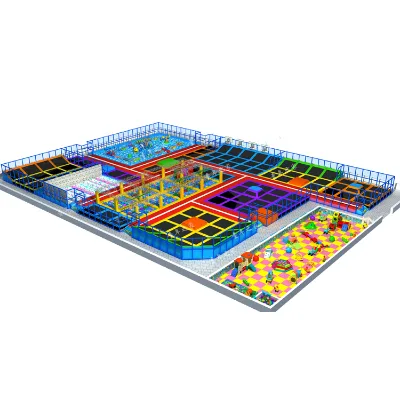
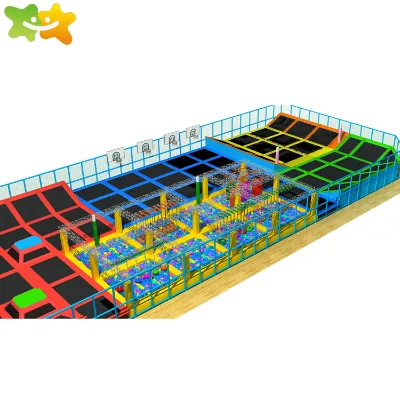
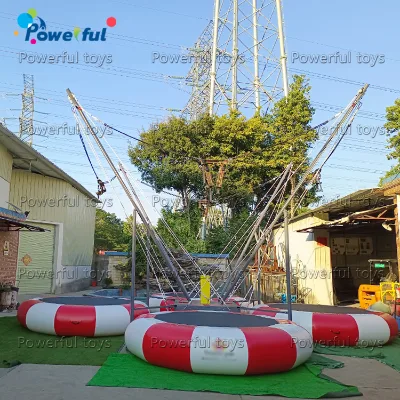
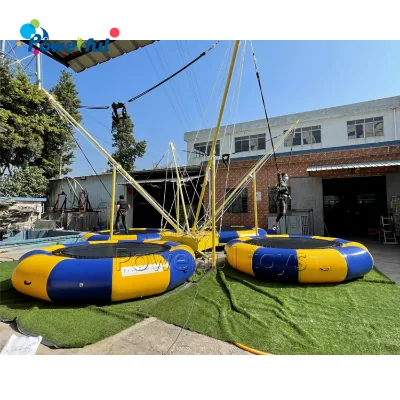
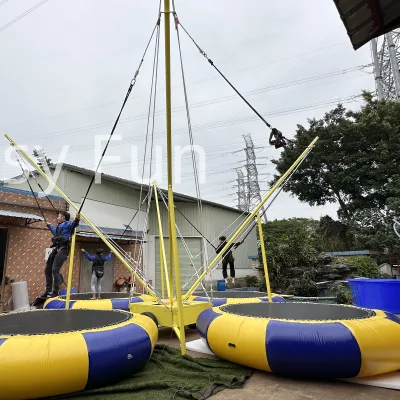
Commercial Indoor Trampoline Bungee Bed Trampoline Park Trampoline for Kids
$90.00 - $180.00
MOQ: 1 Square Meters


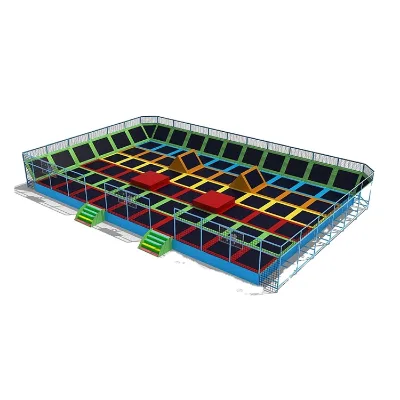
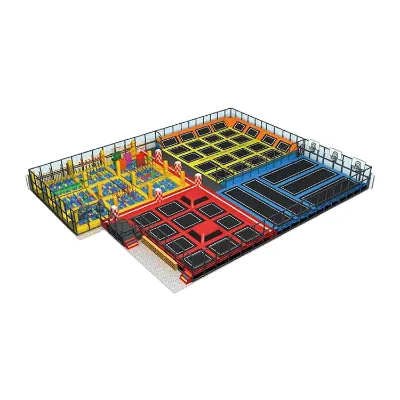
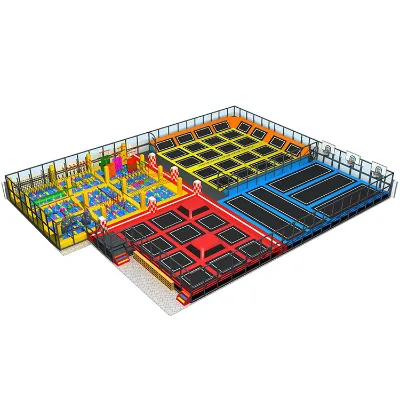
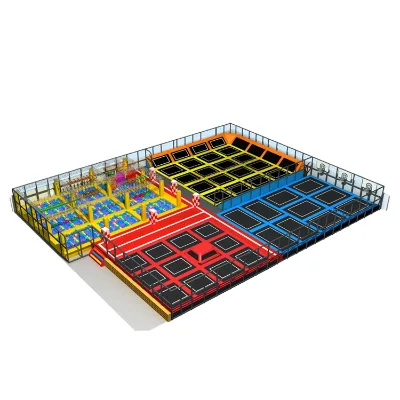
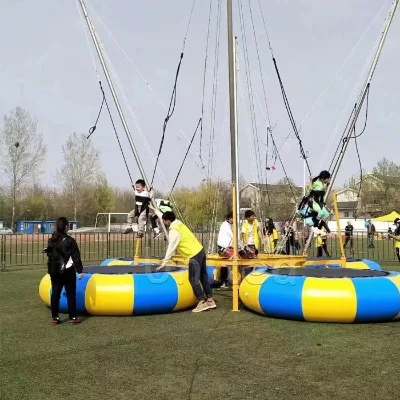


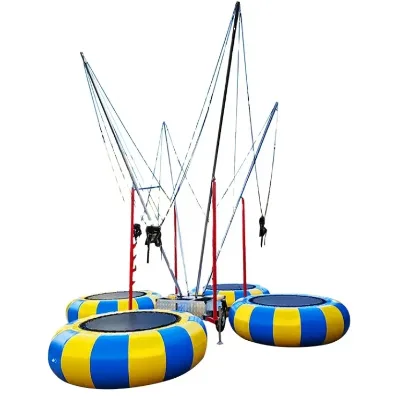
High Quality Bungee Trampoline 4 in 1 Jumping Bungee Trampoline for Sale
$1100.00 - $4600.00
MOQ: 1 Pieces


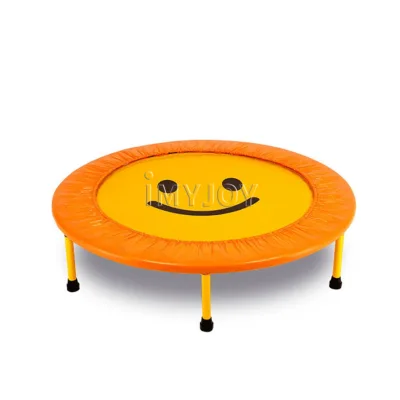
4 in 1 Bungee Trampoline, Inflatable Bungee Trampoline for Sale (BJ-BU08)
$3000.00 - $6000.00
MOQ: 1 Pieces


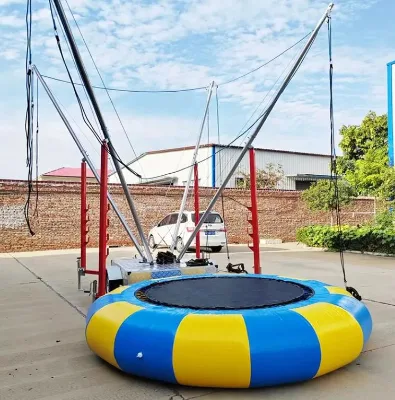
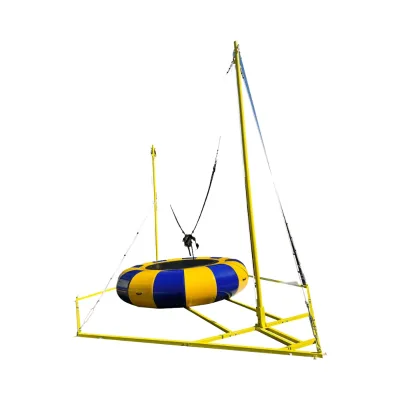
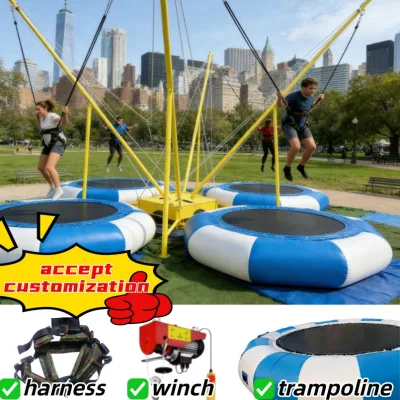
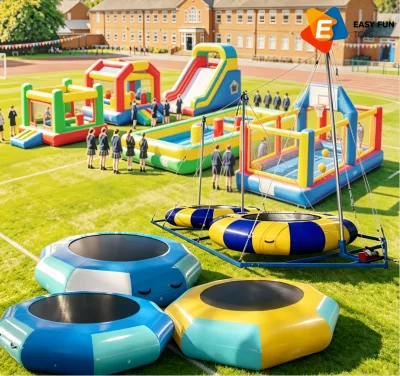
Comprehensive Sourcing Guide
Commercial Indoor Outdoor Bungee Trampoline Sourcing Guide
Procuring bungee trampoline systems for commercial venues requires careful alignment between operational safety and user experience. Buyers must distinguish between indoor soft play environments and high-intensity outdoor fitness setups, as the structural demands differ significantly. The observed market includes products ranging from simple gymnastic trampolines to complex multi-function amusement park installations. Understanding these distinctions is critical for selecting equipment that matches your specific venue type, whether it is a family entertainment center, a dedicated trampoline park, or an outdoor fitness zone.
The sourcing landscape features manufacturers primarily based in regions like Wenzhou, China, offering a wide array of configurations. Listings indicate a strong presence of customized solutions, with options for various shapes such as square or rectangular frames and dimensions that can be tailored to site constraints. Buyers should note that while some products are designed for children aged 3-12 years, others cater to adults with higher weight capacities. This diversity necessitates a clear definition of your target demographic and usage intensity before engaging with suppliers to ensure the selected model meets both safety standards and commercial viability.
Product Scope and Observed Listing Signals
The current market signals reveal a broad spectrum of bungee trampoline offerings, with observed prices ranging from approximately $19.58 to $90,000 USD. This wide variance reflects differences in scale, complexity, and included accessories, from single-unit trampolines to full-scale indoor soft playgrounds. Minimum order quantities (MOQ) typically range from 1 to 100 units, allowing flexibility for both small boutique gyms and large amusement parks. Buyers should interpret these price points as indicative of the component quality and structural integrity, with higher-priced items often featuring more robust materials and comprehensive safety enclosures.
Observed product attributes highlight key differentiators such as material composition, with options including plastic, galvanized tubes, PP, and springs. Some listings specify rotational molding technology for certain components, while others emphasize heavy-duty metal frames with extended warranties. Enclosure heights vary, with some units exceeding 2.5 meters and others falling between 1.5 and 2.5 meters. These physical specifications directly impact the installation footprint and the type of supervision required. Buyers must carefully review these signals to ensure the selected equipment aligns with their venue’s spatial limitations and operational capacity.
Technical Specifications to Verify
Verifying technical specifications is paramount to ensuring the longevity and safety of bungee trampoline installations. Buyers should confirm the maximum jumping weight capacity, which ranges from 65kg to over 100kg depending on the model. The structural integrity of the frame, often made from galvanized tubes, must be assessed for corrosion resistance and load-bearing capability. Additionally, the spring system’s durability and the mattress material’s quality are critical factors that influence user experience and maintenance frequency. Detailed dimension checks, including custom sizes like 10ft or larger than 16ft, are necessary to fit the equipment within designated areas.
Enclosure height and netting specifications must be verified to prevent accidental falls, with some units offering heights greater than 2.5 meters for enhanced safety. The productive technology used, such as rotational molding for plastic components, affects the uniformity and strength of the parts. Buyers should also inquire about the packing method, whether it is sea shipping standard or specialized packaging with cotton and PP film, to prevent damage during transit. Confirming these technical details with the supplier ensures that the delivered product matches the quoted specifications and meets the operational demands of a commercial environment.
Compliance and Safety Documentation
Compliance with international safety standards is non-negotiable for commercial bungee trampoline operations. Buyers must request and verify certificates such as CE, ISO, TUV, and EN1176, which indicate adherence to rigorous safety and quality benchmarks. Some suppliers provide additional certifications like ISO9001, ISO14001, and SGS, which further validate their manufacturing processes and environmental management systems. These documents are essential for insurance purposes and regulatory approvals, ensuring that the equipment meets the legal requirements of the operating jurisdiction.
In addition to product certifications, buyers should ask for test proofs and warranty details, which often include specific coverage for metal frames, springs, and mattresses. For instance, some warranties offer five years for the metal frame and three years for springs, providing long-term protection against manufacturing defects. It is crucial to ensure that the supplied documentation is current and issued by recognized testing bodies. Buyers should also verify that the product standard matches the claimed certification, such as CE or ASTM, to avoid discrepancies that could lead to compliance issues or safety hazards during operation.
Cost Drivers and Commercial Terms
Several factors influence the total cost of ownership for bungee trampoline systems, including material quality, customization level, and shipping logistics. Customized designs and larger dimensions typically command higher prices due to increased material usage and complex manufacturing processes. Buyers should also consider the delivery time, which can range from about 10 to 25 days, affecting project timelines and potential revenue loss during installation. Shipping costs, whether via sea or standard package, add to the initial investment and should be factored into the budget.
Warranty terms and after-sales support are significant commercial considerations that impact long-term costs. Suppliers offering extended warranties on critical components like metal frames and springs reduce the risk of unexpected repair expenses. Buyers should negotiate clear terms for spare parts availability and technical support to ensure minimal downtime. Additionally, understanding the MOQ and bulk pricing structures can help optimize procurement costs, especially for larger installations. Transparent communication regarding these commercial terms helps in creating a realistic budget and avoiding hidden costs that could strain the project’s financial resources.
Supplier Qualification and Quality Control
Selecting a qualified supplier involves rigorous due diligence to ensure reliability and product consistency. Buyers should verify the supplier’s manufacturing capabilities, including their use of advanced technologies like rotational molding and their adherence to standardized production processes. Checking for certifications such as CE, ISO, and TUV provides assurance of their commitment to quality and safety. It is also advisable to review their track record in exporting to similar markets, as this indicates familiarity with international standards and logistics.
Quality control measures should be explicitly discussed, including pre-shipment inspections and testing protocols. Buyers should request detailed information on how the supplier handles defects and ensures that each unit meets the specified dimensions and weight capacities. Understanding the packing standards, whether it is standard shipping packages or specialized protective packaging, is crucial to prevent damage during transit. Establishing a clear communication channel for addressing quality issues post-delivery is equally important, ensuring that any discrepancies are resolved promptly and efficiently to maintain operational continuity.
Long-Term Procurement Checks
Long-term success in operating bungee trampolines depends on proactive maintenance and periodic safety audits. Buyers should establish a routine inspection schedule to check for wear and tear on springs, mattresses, and netting, replacing components as needed to prevent accidents. Keeping a record of all maintenance activities and part replacements helps in tracking the equipment’s lifecycle and planning for future upgrades. Regular training for staff on safety protocols and emergency procedures is essential to ensure a safe environment for users.
Additionally, staying updated on changes in safety standards and regulations is crucial for ongoing compliance. Buyers should maintain open lines of communication with their suppliers for updates on new models or improved safety features. Periodic reviews of the equipment’s performance and user feedback can identify areas for improvement or necessary modifications. By prioritizing long-term checks and continuous improvement, operators can extend the lifespan of their bungee trampoline systems and maintain a high standard of safety and customer satisfaction.
FAQs
What certifications are required for commercial trampolines?
Commercial trampolines typically require CE, ISO, TUV, and EN1176 certifications to ensure safety and compliance. These standards verify structural integrity and material quality. Buyers should request test proofs and valid certificates from suppliers to confirm that the equipment meets international safety regulations for public use.
Can the trampoline size be customized for indoor parks?
Yes, manufacturers offer customized sizes to fit specific indoor playground layouts. Dimensions can be adjusted to match venue constraints while maintaining safety standards. Customization allows for optimal space utilization in amusement parks, ensuring the equipment integrates seamlessly into the existing infrastructure without compromising structural stability.
What is the typical lead time for delivery?
Delivery times generally range from 10 to 25 days depending on order volume and customization requirements. Standard packages are prepared using sea shipping standards to ensure safe transit. Buyers should confirm exact lead times with suppliers to align with project schedules and avoid delays in park opening dates.
How many kids can the trampoline accommodate simultaneously?
Capacity varies by model, with some units supporting 120 to 130 children simultaneously. This high capacity makes them suitable for busy indoor soft playgrounds. Buyers should verify specific capacity ratings for each model to ensure the selected equipment meets the expected foot traffic and usage demands of their facility.
What materials are used in the trampoline construction?
Construction typically involves galvanized tubes, PP materials, and springs for durability and safety. These materials provide resistance to wear and environmental factors. The combination ensures a stable jumping surface while maintaining structural integrity under heavy use, making them ideal for high-traffic commercial indoor and outdoor applications.
What warranty is provided for the metal frame?
Warranties often include five years for the metal frame and three years for springs. Mattress coverage is typically one year. This structured warranty protects buyers against manufacturing defects and ensures long-term reliability. Buyers should review specific warranty terms to understand coverage limits and maintenance requirements for optimal performance.