Source CE LED Miraball Kinetic Lights for Stage, Film, and Dance
Find 30 CE LED Miraball options for stage, film, and dance applications. Compare DMX512 control, IP44 ratings, and customizable lifting heights from Guangzhou suppliers to find the right kinetic lighting solution; compare the available evidence and request quotations based on your requirements.
Key considerations
Products List


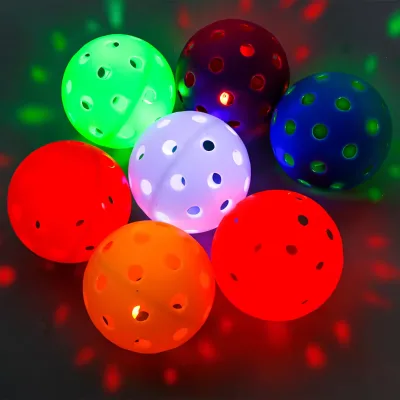


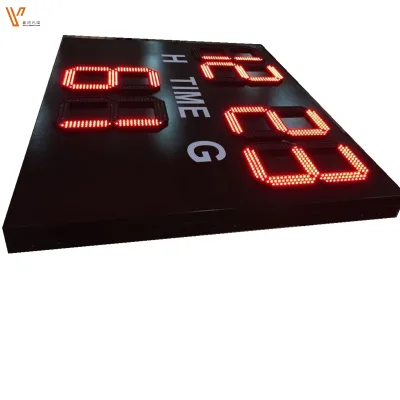


Effect LED 12PCS Football Mini Beam Moving Head Stage Light
$250.00 - $269.00
MOQ: 1 Pieces
Guangzhou Changyuan Stage Lighting Equipment Company Limited


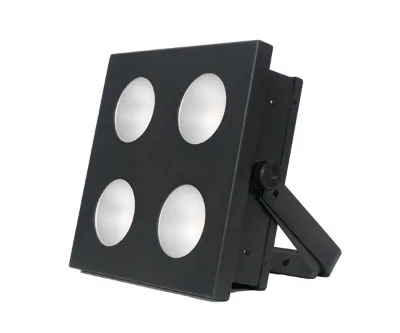
Comprehensive Sourcing Guide
CE LED Miraball Sourcing Guide
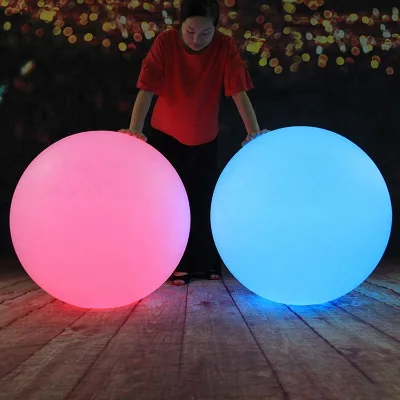
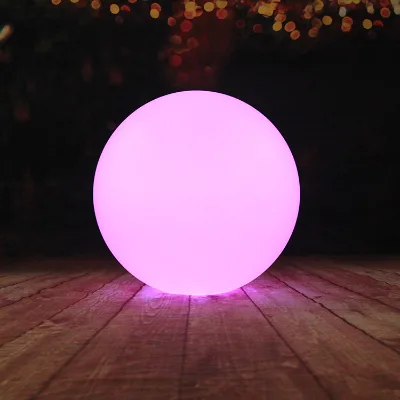
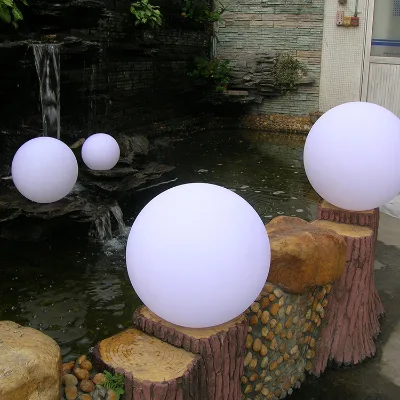
Procurement of kinetic LED spheres requires distinguishing between general stage lighting and specialized lifting mechanisms. The observed market data indicates a specific product category known as LED Kinetic Lights, often marketed under names like "Professional Lighting LED Kinetic Ball" or "Kinetic Lights." These units are designed for dynamic visual effects in stage, dance, and film production environments. Buyers must recognize that while the core technology involves RGB emitting colors and DMX512 control, the defining feature is the motorized lifting capability, which transforms a static light into a moving kinetic element.
When evaluating listings, buyers should focus on the specific lifting height and weight capacity rather than just the light output. The available data shows lifting heights ranging from 0-12 meters to 0-18 meters, with corresponding variations in ball diameter from 12cm to 35cm. This variance suggests that a single supplier may offer multiple configurations tailored to different venue constraints. Sourcing decisions must prioritize the mechanical integrity of the winch system, as the safety of the installation depends on the motor's ability to handle the specified lifting weight, which typically ranges between 1kg and 2kg for the observed models.
Product Scope and Observed Listing Signals
The product scope for these kinetic units is defined by their dual function as both illumination sources and moving stage elements. Listings frequently highlight applications in film and television, dance effect lighting, and general stage performances. The observed item names often include descriptors like "Monitor De Estudio" or "Professional DMX Winch," indicating a broad range of use cases from studio monitoring to large-scale event production. Buyers should verify that the specific listing matches the intended application, as some units are optimized for vertical hoisting while others may be designed for different installation geometries.
Listing signals often reveal inconsistencies in technical parameters that require careful cross-referencing. For instance, some entries specify a 10-channel control mode while others list 9 channels, and power consumption figures vary between 100W and unspecified values. The diameter specifications also fluctuate, with some sources citing 12-35cm ranges while others mention specific sizes like 74mm for different product lines. This variation necessitates a rigorous review of the product data sheet to ensure the selected unit meets the precise dimensional and control requirements of the project, rather than relying on generic category descriptions.
Technical Specifications to Verify
Technical verification must begin with the control architecture, as the integration of DMX512, Master-Slave, and Auto modes is critical for synchronization. The observed data confirms support for DMX512 protocols alongside software control options, which allows for complex choreography in professional settings. Buyers should explicitly confirm the channel count, as discrepancies between 9CH and 10CH configurations can impact the complexity of the lighting cues and the compatibility with existing mixing consoles. Ensuring the control model matches the venue's infrastructure is essential to prevent signal loss or synchronization errors during live performances.
The mechanical specifications regarding lifting height and ball diameter are equally critical for physical installation planning. The market offers customizable ball sizes ranging from 12cm to 35cm, with lifting heights extending up to 18 meters depending on the specific winch model. Buyers must verify the lifting weight capacity, which is observed to be between 1kg and 2kg, to ensure the motor can safely support the selected sphere size. Additionally, the presence of fall protection mechanisms, such as physical braking and electronics protection, should be confirmed to mitigate risks associated with high-altitude installations in dynamic environments.
Compliance and Safety Documentation
Compliance verification is paramount when sourcing electrical equipment for public venues, particularly regarding CE and RoHS certifications. The supplied facts consistently list CE and RoHS as standard certifications for these kinetic lights, indicating adherence to European safety and environmental standards. Buyers should request valid certification documents for each batch, as these are non-negotiable for importing into many regions. The presence of CCC certification in some listings further suggests compliance with Chinese domestic standards, which may be relevant for local installations but does not replace international safety requirements.
Safety documentation must also address the specific risks associated with lifting mechanisms and high-voltage components. The observed product features include fall protection systems and silence motors, which are vital for preventing accidents and reducing noise pollution in performance spaces. Buyers should verify that the supplier provides detailed installation manuals that cover vertical hoisting procedures and emergency stop protocols. Ensuring that the product meets the relevant safety standards for electrical equipment and mechanical lifting devices is essential to protect both the equipment and the personnel operating it.
Cost Drivers and Commercial Terms
Cost drivers for kinetic LED spheres are heavily influenced by the customization of ball size and lifting height. The observed price range spans from $0.21 to $50,000, reflecting the vast difference between small, simple units and large, high-power systems with extended lifting capabilities. Buyers should anticipate that larger diameters and greater lifting heights will significantly increase the unit cost due to the need for more robust motors and structural components. Customization options for ball size and lifting height are explicitly noted as available, which often incurs additional charges and longer lead times compared to standard configurations.
Commercial terms regarding packaging and minimum order quantities (MOQ) vary significantly across the market. The observed MOQ ranges from 1 to 300 units, suggesting flexibility for small projects but potentially higher per-unit costs for bulk orders. Packaging options include carton cases, flight cases, and wooden cases, with the choice impacting shipping costs and protection levels during transit. Buyers should negotiate packaging requirements based on the fragility of the kinetic mechanism and the distance of shipment, ensuring that the selected packaging method aligns with the logistical constraints of the delivery destination.
Supplier Qualification and Quality Control
Supplier qualification should focus on the manufacturer's ability to deliver consistent quality in motorized lighting systems. The observed data highlights claims of "The Most Stable in The Industry" and the use of European chips, which suggests a focus on component reliability. Buyers must verify these claims through third-party testing or by requesting references from previous clients who have used the equipment in similar high-stakes environments. The origin of the products is consistently listed as Guangzhou, China, a major hub for lighting manufacturing, but buyers should confirm the specific factory's track record for quality control.
Quality control processes must extend beyond the final product to include the assembly of the lifting mechanism. The presence of silence motors and fall protection systems indicates a focus on operational safety, but buyers should request evidence of rigorous testing for these specific features. It is essential to verify that the supplier conducts functional tests on the lifting height and weight capacity before shipment. Establishing a clear quality assurance protocol with the supplier, including pre-shipment inspections and warranty terms, is crucial to ensuring that the kinetic lights perform reliably throughout their intended lifespan.
Long-Term Procurement Checks
Long-term procurement success depends on the availability of spare parts and the durability of the warranty terms. The observed warranty period is typically one year, which covers defects in materials and workmanship. Buyers should clarify the scope of this warranty, specifically whether it includes the motor and lifting mechanism, which are the most prone to wear and tear. Ensuring that the supplier can provide replacement parts for the motor, control board, and structural components is vital for maintaining the operational readiness of the kinetic lights over time.
Maintenance and operational checks should be integrated into the procurement strategy to minimize downtime. The linear dimming capability and various control modes require regular calibration to maintain performance consistency. Buyers should establish a maintenance schedule that includes checking the lifting cables, verifying the fall protection systems, and updating the control software if necessary. By proactively managing these long-term checks, organizations can extend the service life of their kinetic lighting investments and ensure they remain a reliable asset for future productions.
FAQs
What certifications do these kinetic lights have?
These LED kinetic balls typically hold CE and RoHS certifications, ensuring compliance with European safety and environmental standards. Some listings also include CCC certification for specific regional markets. Buyers should verify the exact certificate list with the supplier before ordering to ensure the product meets local regulatory requirements for stage and film applications.
Can the lifting height be customized?
Yes, the lifting height is fully customizable to suit specific stage or event requirements. Standard options often range from 0 to 12 meters or 0 to 18 meters, but manufacturers can adjust this specification based on the client's needs. This flexibility allows for precise installation in venues with varying ceiling heights or rigging constraints.
What control modes are supported?
The devices support multiple control modes including DMX512, Master-Slave, Auto, and Sound-activated modes. This versatility allows for seamless integration into complex lighting rigs and kinetic displays. Users can choose the appropriate mode based on the event type, ensuring reliable performance for stage shows, dance effects, or film productions without requiring additional complex hardware.
What is the typical warranty period?
The standard warranty period for these professional LED kinetic lights is one year. This coverage typically includes defects in materials and workmanship under normal use. Buyers should confirm the specific warranty terms with the supplier, as conditions may vary based on the manufacturer and the specific model purchased for stage or film applications.
What packaging options are available?
Products are commonly packaged in carton cases, flight cases, or wooden cases to ensure safe transport. The choice of packaging depends on the order quantity and shipping requirements. Flight cases are often preferred for professional touring applications due to their durability, while carton cases may be used for standard shipments to reduce weight and cost.
What is the minimum order quantity?
The minimum order quantity typically ranges from 1 to 300 units, depending on the supplier and product specifications. This flexibility allows buyers to place small trial orders or large bulk purchases. Customization options may also influence the MOQ, so it is advisable to discuss specific requirements directly with the manufacturer to secure the best terms.