Source CE RoHS American Lighting Switch for Homes, Offices, Hotels
Compare 30 CE RoHS American Lighting Switch options from verified suppliers. Explore diverse styles, voltages, and certifications to find the right switch for residential, commercial, or industrial projects. Review mechanical life, current ratings, and standard compliance to ensure quality and safety for your specific electrical installation needs.
Updated
Key considerations
Products List
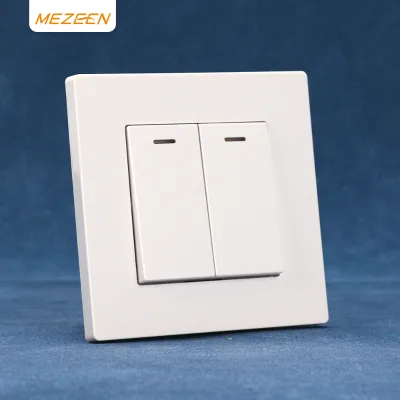
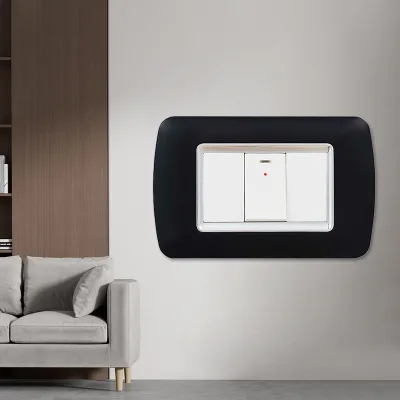
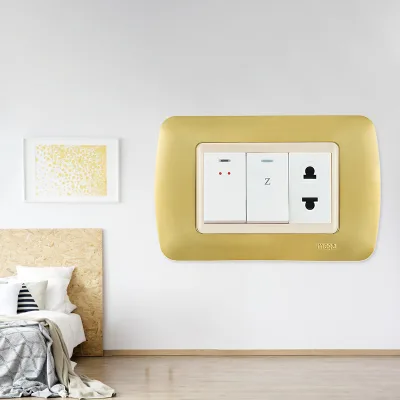
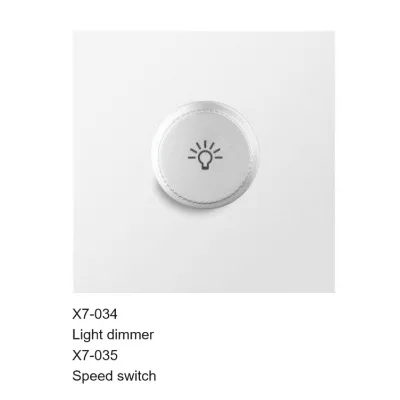

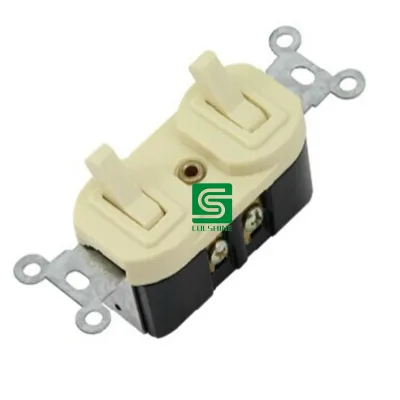
Wall Switch American Switch 1 Gang Lighting Switch 15A Customized Color
$0.36 - $1.76
MOQ: 1000 Pieces

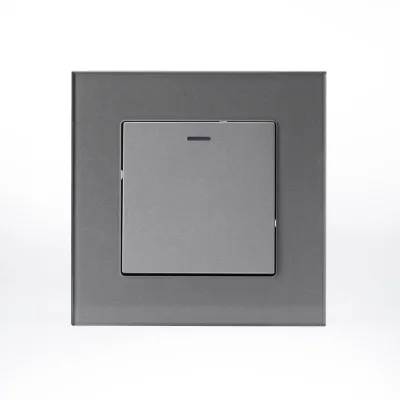
Shinelite Us Standard America Switch Copper Material Electrical Lighting Switch
$0.156 - $0.71
MOQ: 1000 Pieces


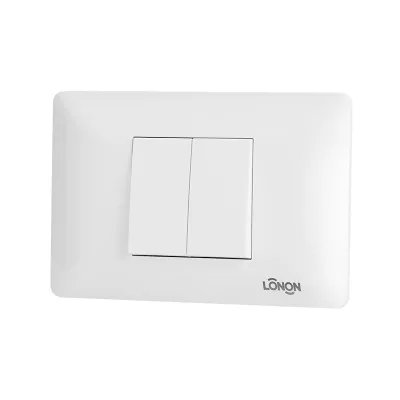
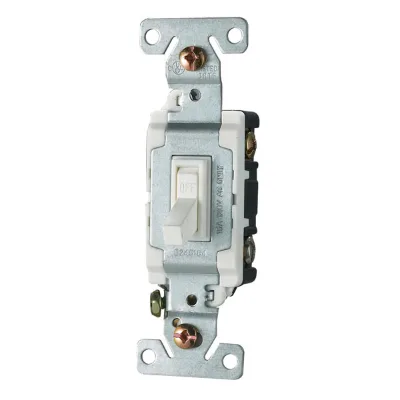
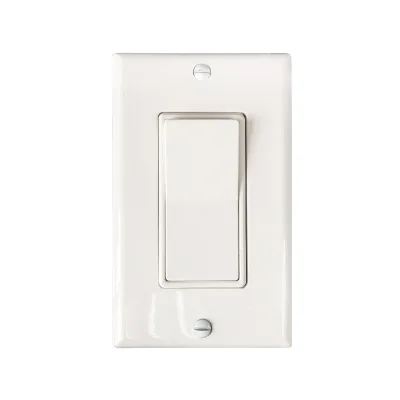

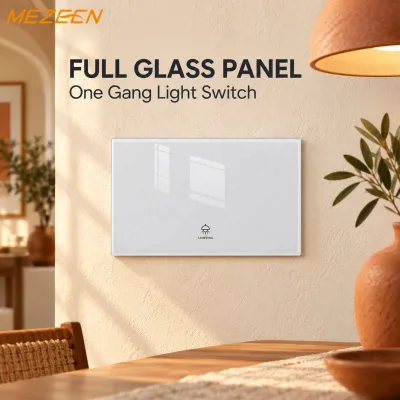
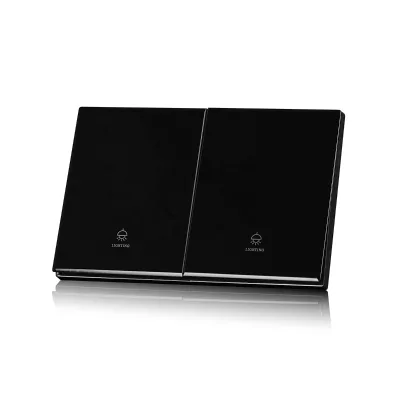


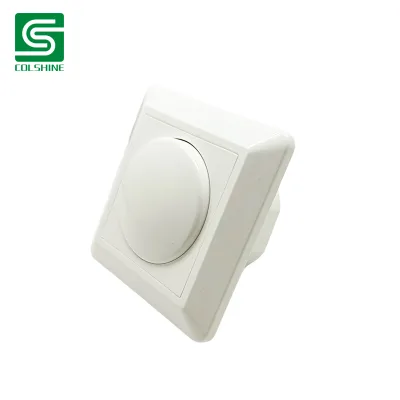
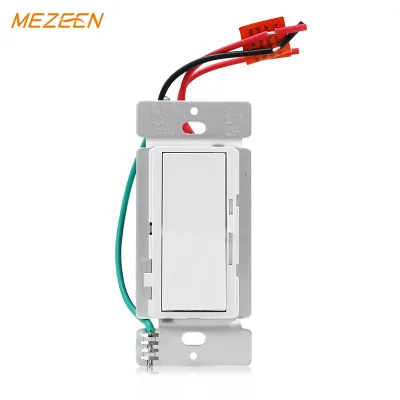
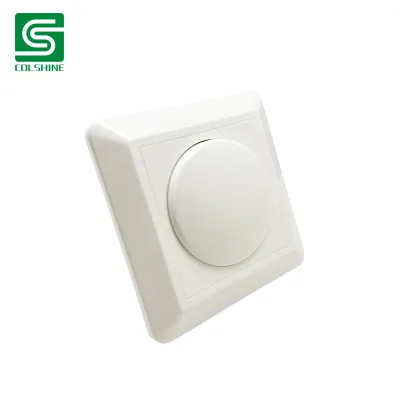
Dimmer Switch LED Lighting Controller 220-240V 50Hz with White Plastic Frame
$15.00 - $25.00
MOQ: 5 pieces
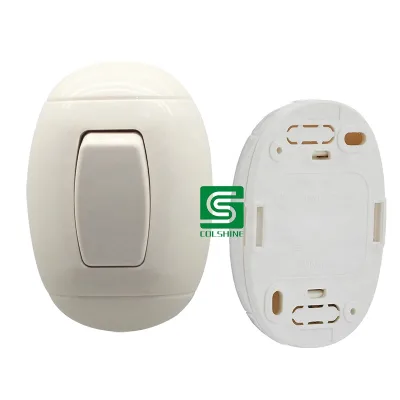


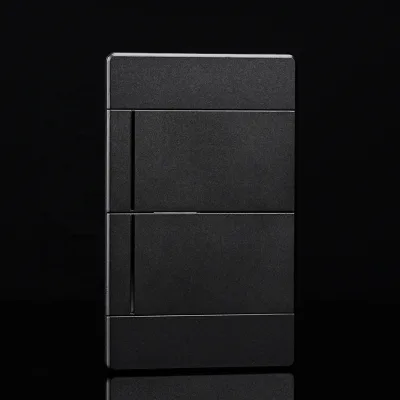
Italy American 118 Black Wooden Color House Power Light Electric Wall 2 Way Switch
$0.30 - $5.50
MOQ: 500 Pieces


Comprehensive Sourcing Guide
CE RoHS American Lighting Switch Sourcing Guide
Sourcing lighting switches that meet both CE and RoHS standards while adhering to American market requirements presents a complex procurement challenge. Buyers must navigate the divergence between European regulatory frameworks and North American electrical codes, as these regions enforce distinct safety and environmental protocols. The core keyword highlights a specific intersection of compliance needs, where products often carry CE and RoHS certifications but may not automatically satisfy US-specific standards like UL or NEC requirements. This guide addresses the critical verification steps necessary to ensure that imported switches are legally compliant and technically suitable for their intended deployment environments.
Procurement teams must carefully distinguish between general international certifications and region-specific approvals. While CE marking indicates conformity with health, safety, and environmental protection standards for products sold within the European Economic Area, it does not guarantee compliance with American electrical codes. Similarly, RoHS restricts hazardous substances, a requirement that is increasingly global but must be verified against specific material declarations. Buyers should prioritize suppliers who provide transparent documentation for each regulatory framework, ensuring that the switches are not only environmentally safe but also electrically safe for American grid voltages and wiring configurations.
Product Scope and Observed Listing Signals
The observed product landscape reveals a diverse range of switch types, including single-pole, double-pole, and multi-way configurations, with varying gang counts from one to five. Listings frequently highlight features such as easy installation, modern luxury styles, and specific color options like white, grey, black, and gold. These aesthetic and functional attributes suggest a market focused on residential and light commercial applications, where design integration is as important as electrical performance. Buyers should note that while many products claim universal compatibility, the physical dimensions and mounting mechanisms often vary significantly between Eu standard and US standard formats.
Voltage and current ratings are critical differentiators in this category, with observed specifications ranging from 10A to 16A and voltages spanning 110V to 250V AC. Some listings explicitly mention doorbell switches or specialized applications, indicating a broad scope beyond simple on/off control. The presence of OEM branding and customization options suggests that many manufacturers are prepared to produce tailored solutions for private label buyers. However, the variability in stated standards, including mentions of African, South American, and US standards, requires buyers to rigorously verify that the specific unit ordered matches the regulatory requirements of the destination market.
Technical Specifications to Verify
Voltage and current capacity must be precisely matched to the local electrical infrastructure to prevent overheating or failure. Observed data indicates a wide range of max voltages, from 230-250V down to 110V, and currents from 10A to 16A. Buyers must confirm that the switch’s rated current exceeds the load of the connected circuit, accounting for inrush currents in lighting applications. Additionally, the mechanical life expectancy, observed at 40,000 to 100,000 cycles, is a key durability metric. Verifying these ratings against the actual load profile ensures long-term reliability and reduces the risk of premature failure in high-traffic areas.
Physical dimensions and mounting standards are equally critical, as Eu standard boxes (86mm x 86mm) differ significantly from US standard boxes (36.2mm x 106mm or similar). Misalignment between the switch faceplate and the wall box can lead to installation difficulties and safety hazards. Buyers should verify the switch type, such as single pole or three-way, and ensure compatibility with existing wiring configurations. The presence or absence of grounding features and the specific number of outlets or switches per unit must also be confirmed to avoid costly rework during installation.
Compliance and Safety Documentation
CE and RoHS certifications are frequently cited in product listings, but buyers must request valid test reports and certificates of conformity from accredited laboratories. These documents verify that the product meets the essential requirements of the relevant EU directives, including the Low Voltage Directive and the Restriction of Hazardous Substances Directive. For American markets, buyers should inquire about additional certifications such as UL, ETL, or CSA, which are often required by local building codes and insurance providers. Relying solely on CE marking for US deployments is a significant compliance risk that can lead to legal liabilities and product recalls.
Material safety and environmental compliance are also paramount, with PC (polycarbonate) being a common material for switch bodies due to its flame retardant properties. Buyers should verify that the materials used are free from restricted substances as defined by RoHS and REACH regulations. Additionally, warranty terms, such as the observed 10-year warranty, can serve as an indicator of manufacturer confidence in product durability. However, buyers must ensure that warranty claims are supported by clear documentation and that the supplier has a reliable after-sales support structure in place to handle defects or failures.
Cost Drivers and Commercial Terms
Pricing in this category is influenced by material quality, certification levels, and order volume. Observed price ranges vary widely, reflecting differences in brand reputation, design complexity, and compliance documentation. Buyers should analyze the cost per unit in relation to the MOQ (Minimum Order Quantity), which can range from 1 to 5,000 pieces. Higher MOQs often yield better unit prices but require careful inventory management to avoid stockouts or excess holding costs. Understanding the total landed cost, including shipping, duties, and compliance verification expenses, is essential for accurate budgeting.
Commercial terms such as payment methods, lead times, and packaging details also impact the overall procurement strategy. Listings often specify packaging quantities, such as 7 pieces per carton, which affects logistics and storage efficiency. Buyers should negotiate clear terms for sample orders, quality inspections, and defect resolution. Additionally, the availability of customization options, such as branding or specific color finishes, may incur additional costs or longer lead times. Transparent communication regarding these terms helps prevent misunderstandings and ensures a smooth supply chain operation.
Supplier Qualification and Quality Control
Supplier qualification begins with verifying their manufacturing capabilities and quality management systems. Buyers should request evidence of ISO certification and audit reports to assess the supplier’s ability to maintain consistent product quality. The presence of OEM branding suggests that many suppliers are experienced in producing for international brands, which can be a positive indicator of their manufacturing standards. However, buyers must conduct due diligence to ensure that the supplier has a robust quality control process, including incoming material inspection, in-process testing, and final product verification.
Quality control should also include third-party testing for electrical safety and performance. Buyers should specify requirements for dielectric strength, contact resistance, and mechanical endurance tests in their purchase agreements. Regular factory audits or third-party inspections during production can help identify potential issues early in the manufacturing process. Additionally, buyers should establish clear acceptance criteria for product defects and implement a sampling plan for incoming goods. This proactive approach to quality control minimizes the risk of receiving non-conforming products and protects the buyer’s brand reputation.
Long-Term Procurement Checks
Long-term success in sourcing lighting switches depends on continuous monitoring of supplier performance and market trends. Buyers should track key performance indicators such as on-time delivery, defect rates, and responsiveness to issues. Regular reviews of supplier compliance documentation are essential, as regulatory requirements can evolve over time. Buyers must ensure that their suppliers remain up-to-date with the latest CE, RoHS, and US-specific standards, and that they provide updated certificates as needed. This ongoing vigilance helps maintain compliance and reduces the risk of supply chain disruptions.
Market dynamics and technological advancements also require buyers to stay informed about new product developments and competitive offerings. Regularly reviewing product listings and industry news can help buyers identify emerging trends, such as smart switch integration or new energy-efficient designs. Buyers should also maintain a diversified supplier base to mitigate risks associated with single-source dependencies. By fostering strong relationships with multiple qualified suppliers, buyers can ensure flexibility and resilience in their procurement operations, adapting quickly to changes in demand or regulatory landscapes.
FAQs
What certifications do these switches have?
These switches hold CE and ROHS certifications, ensuring compliance with European safety and environmental standards. This makes them suitable for markets requiring strict regulatory adherence. The products are manufactured in China, specifically in Zhejiang and Guangdong provinces, providing reliable sourcing options for international buyers seeking certified electrical components.
What is the maximum voltage rating?
The maximum voltage rating is 230-250V AC, with some models supporting up to 250V. This range covers standard household and commercial applications in various regions. Buyers should verify specific model requirements, as some units are rated for AC 110-250V, ensuring compatibility with diverse electrical systems globally.
What materials are used for the housing?
The housing is primarily made from PC (Polycarbonate) material, offering durability and fire resistance. This material choice supports the luxury and modern styles available. The robust construction ensures long-term performance in indoor environments, meeting the mechanical life expectations of 40,000 to 100,000 actuations for reliable daily use.
Can I customize the switch design?
Yes, customization is available for these switches. Buyers can select from various colors including white, grey, black, gold, and marble finishes. The number of switches can be customized from one to five gangs. This flexibility allows for tailored solutions that match specific interior design requirements and brand identities.
What is the mechanical life expectancy?
The mechanical life expectancy ranges from 40,000 to 100,000 times. This variation depends on the specific model and switch type selected. High-quality components ensure reliable operation over extended periods. Buyers seeking long-lasting solutions should consider models with higher actuation ratings for heavy-use commercial or residential applications.
Are these switches smart or WiFi enabled?
No, these switches are not WiFi enabled. They operate as standard manual wall switches without smart connectivity features. The product attributes explicitly state 'Wifi: No'. Buyers requiring smart home integration should look for different product lines, as these units focus on traditional mechanical operation and aesthetic design.