Hidden Pop Up Floor Sockets Suppliers and Manufacturers
Source Hidden Pop Up Floor Sockets from 22 verified suppliers in China. Compare ISO 9001 certifications, CE standards, MOQs, and lead times. Contact suppliers directly to request quotes and samples; review the available evidence before requesting comparable quotations from suitable candidates.
Updated
Suppliers List

Wenzhou Sinoamigo Electric Co.,Ltd
- Verified by BV
- Manufacturer/Factory
- China Zhejiang
- Lead time23 days
- Avg. response≤ 1h
Main productsFloor Boxes, Floor Sockets, Receptacles, Desk Sockets, Wall Switches, Sockets, Wiring Solution, Outlet Boxes, Outlets, Electrical Outlet
Main marketsSouth America,Mid East,North America,Eastern Asia,Africa
Yueqing Shengtuo Electronics Co., Ltd.
- Verified by SGS Group
- Manufacturer, Trading Company
- Lead time15 days
- Avg. response≤ 6h
Main productsKeystone Jack, Face Plate, Patch Panel, Connector, Switch Socket
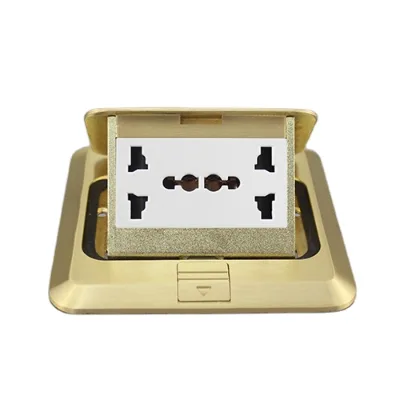
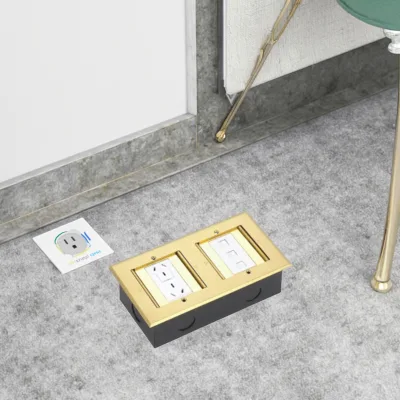
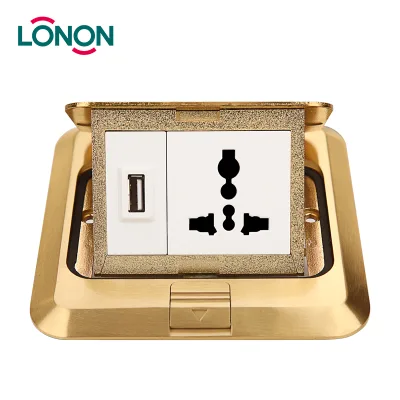
Pop up Power Floor Socket Outlets Waterproof Floor Socket Brass Floor Socket
$10.3329 - $13.4311
MOQ: 100 pieces
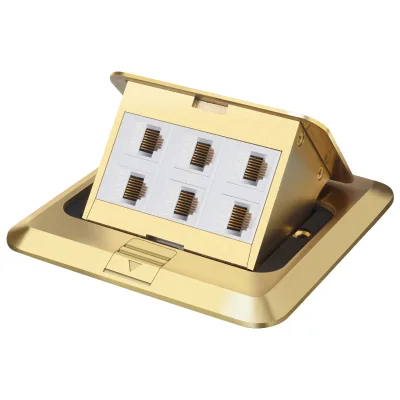
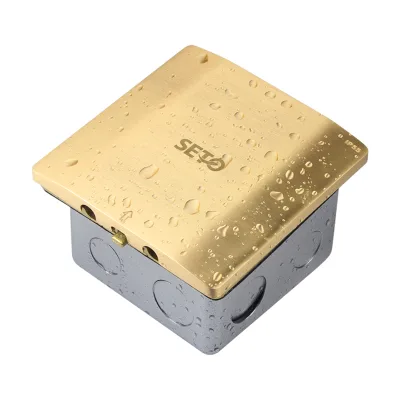
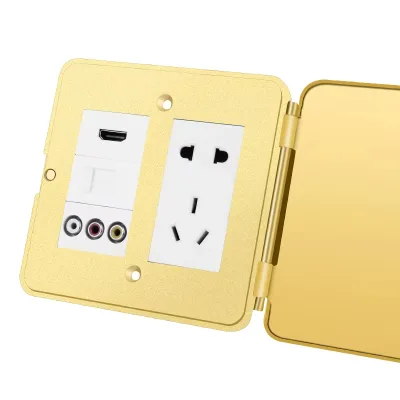
Custom Multiple Interfaces. Hidden Copper Flip Cover Type Five Holes Floor Socket
$15.00 - $20.00
MOQ: 10 pieces
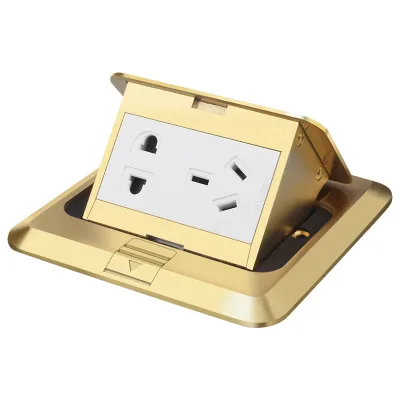
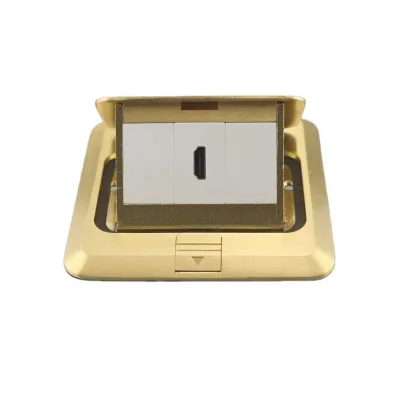
$11.00 - $13.00
MOQ: 10 pieces

Ningbo HY Connect Communication Technology Co., Ltd.
- Verified by BV
- Combined
- China Zhejiang
- Lead time23 days
- Avg. response≤ 7h
Main productsKeystone Jack, Faceplate, Patch Panel, Cable Management, Patch Cord, Wiring Block, Fiber Optic Patch Panel, Fiber Optic Adapter, Cable, Plug
Main marketsSouth America,Southeast Asia/ Mideast,East Asia(Japan/ South Korea),Europe,Australia,North America
Yueqing Hongji Trade Co., Ltd.
- Manufacturer, Trading Company
- Lead time旺季: "1 - 500":60,"> 500":"To be negotiated", 淡季: "1 - 500":60,"> 500":"To be negotiated"
- Avg. response≤ 7h
Main productsDimmers, Floor Boxes, Switches, Wallplates, Receptacles
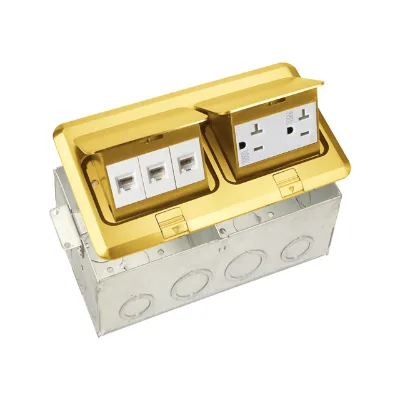
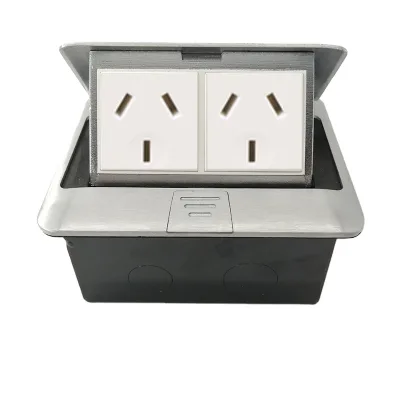
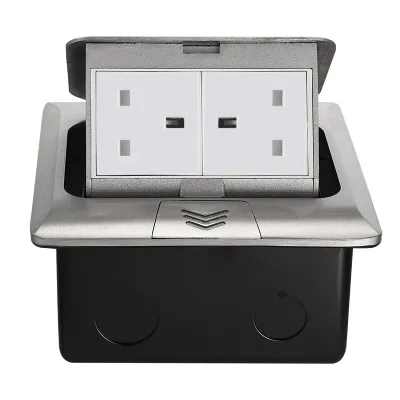
Brass Pop-up Type 2 Gang Floor Sockets
$27.00 - $33.75
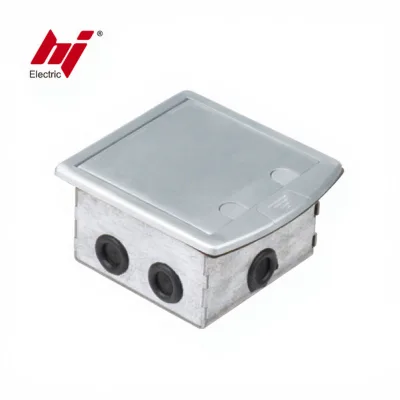
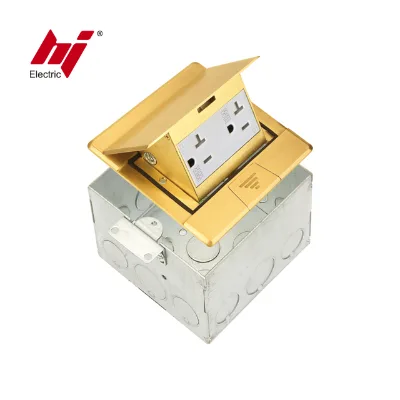
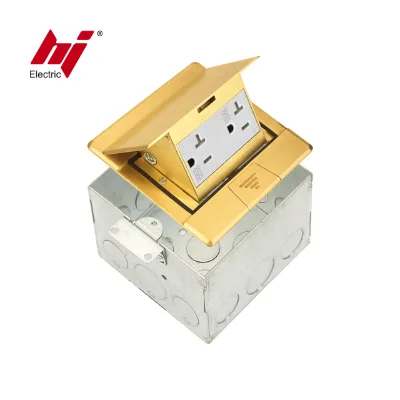
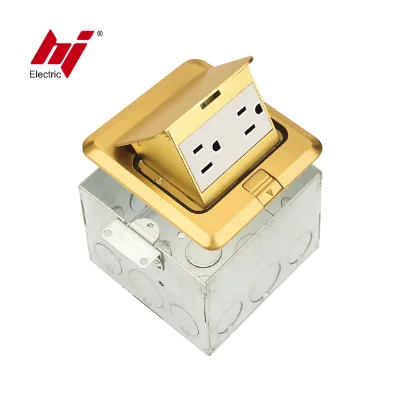
China Supplier America Standard Power Floor Pop up Socket with Electric Outlet
$12.1086 - $15.135
MOQ: 100 pieces
Yueqing Hongji Trade Co., Ltd.
- Verified by SGS Group
- Manufacturer, Trading Company
- Lead time30 days
- Avg. response≤ 13h
Main productsDimmers, Floor Boxes, Switches, Wallplates, Receptacles
Main marketsNorth America(58%), South America(30%), Eastern Europe(1%)
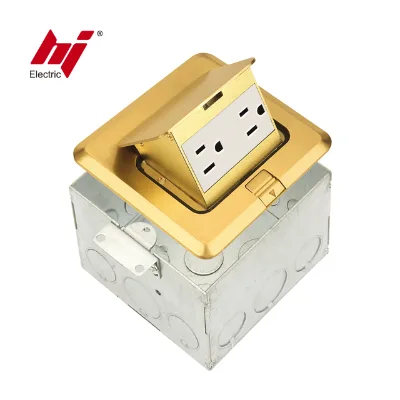
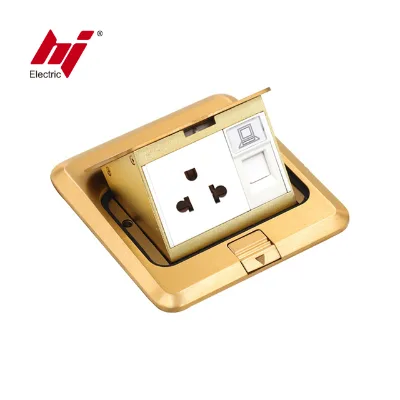
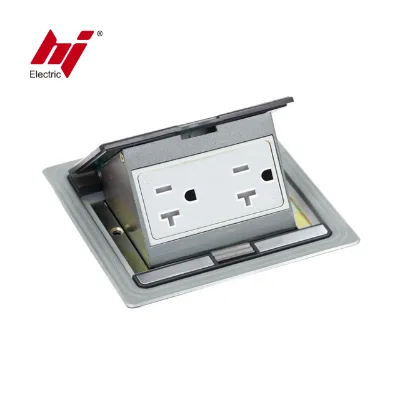
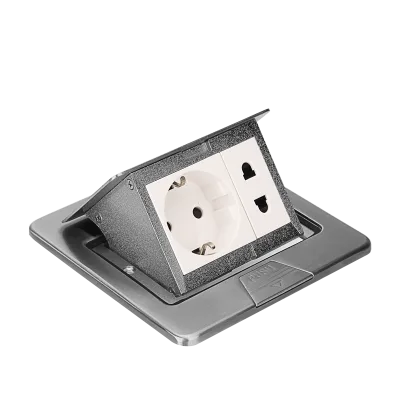
UL Listed Stainless Steel Waterproof Floor Box Pop-up Floor Socket Box
$29.1107 - $57.1801
MOQ: 100 pieces
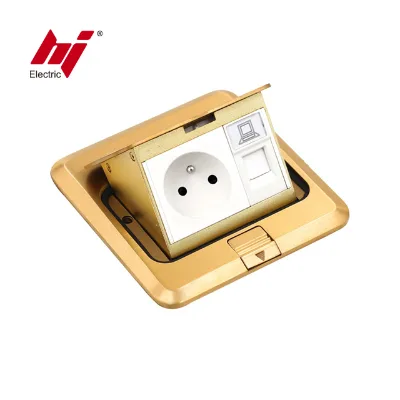
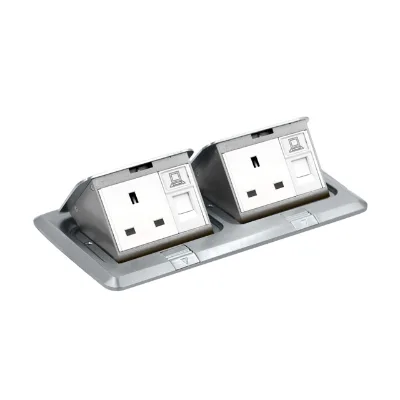
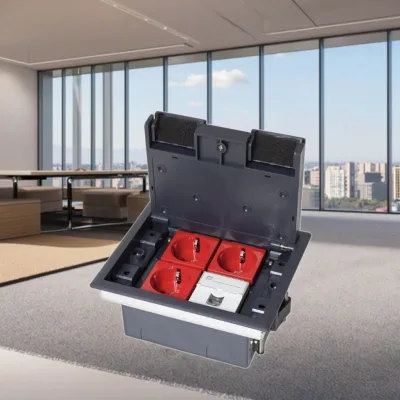
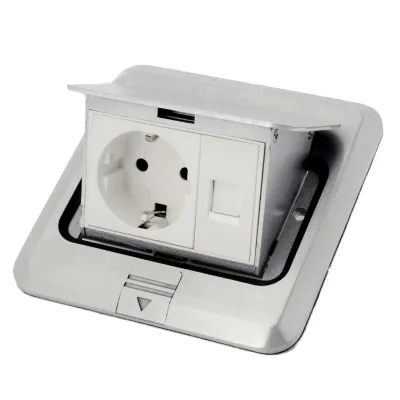
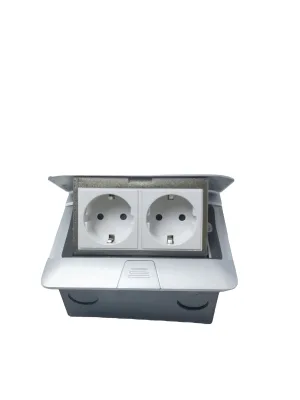
Raised Pop up Floor Box for Electrical French Socket with RJ45 Internet Jack
$16.80 - $27.00
MOQ: 100 pieces
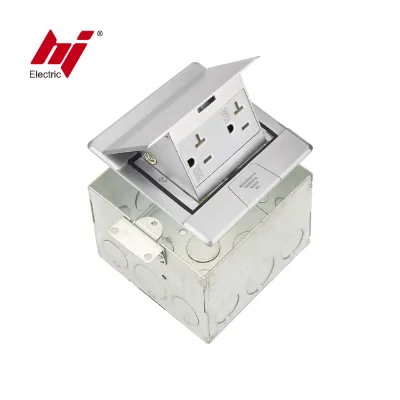
Wenzhou Sino-Amigo Import & Export Corp.
- Verified by TüVRheinland
- Trading Company
- Lead time20 days
- Avg. response≤ 1h
Main productsDesk Socket, Floor Box, Modular Socket, Power Track System, Smart Home
Main marketsNorth America(20%), Mid East(19%), Western Europe(19%)
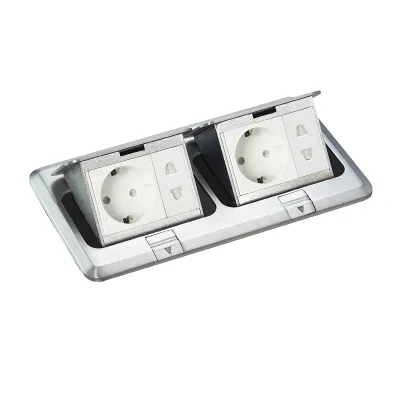
$20.0554 - $27.0656
MOQ: 100 pieces
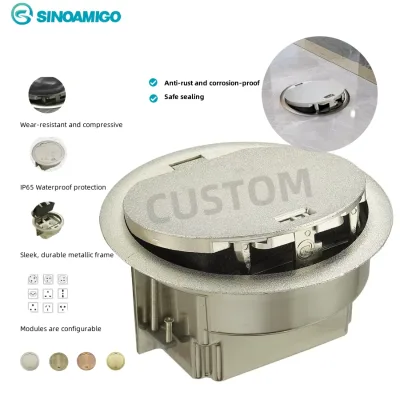
SINOAMIGO Pop up Floor Socket Waterproof Tomacorriente De Piso Empotrable Floor Socket Outlet Socket
$26.5375 - $34.1163
MOQ: 100 pieces
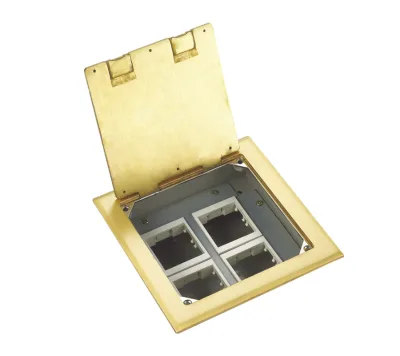
$19.9058 - $22.2096
MOQ: 100 pieces
$14.2509 - $17.192
MOQ: 100 pieces
Ningbo Exact Cables & Wire Co., Ltd.
- Verified by Intertek
- Manufacturer, Trading Company
- Lead time16 days
- Avg. response≤ 2h
Main productsFire Alarm Cable , Alarm Cable , Optical Cable , Coaxial Cable , Speaker Cable
Guangzhou Boente Technology Co., Ltd.
- Manufacturer, Trading Company
- Lead time旺季: "1 - 100":25,"> 100":"To be negotiated", 淡季: "1 - 100":25,"> 100":"To be negotiated"
- Avg. response≤ 2h
Main productsTable Socket, Pop Up Socket, Floor Socket, Monitor Lift, TV lift
Yueqing Iger Electric Co., Ltd.
- Verified by SGS Group
- Trading Company
- Lead time50 days
- Avg. response≤ 6h
Main productsSocket, Switch, Terminal
Main marketsSoutheast Asia(45%), Mid East(22%), Oceania(15%)

NINGBO EXACT CABLES & WIRE CO., LTD.
- Verified by BV
- Combined
- China Zhejiang
- Lead time30 days
- Avg. response≤ 5h
Main productsAlarm Cable, Fire Alarm Cable, Speaker Cable, Coaxial Cable, Security Cable, Fire Resistant Cable, HDMI Cable, PV Solar Cable, Telephone Cable, Optical Cable
Main marketsSouth America,Southeast Asia/ Mideast,Domestic,Europe,North America


Hidden Embedded Customized Best-Selling Power Quadrate Pop Up Floor Socket
$9.40 - $9.50
MOQ: 10 Pieces


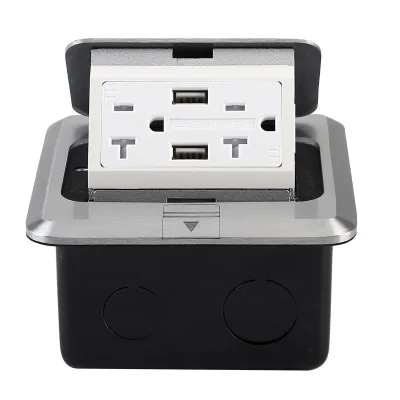
Customizable Hidden Pop Up Socket With Universal Power Outlet 2 USB Port Embedded Socket
$9.40 - $9.50
MOQ: 10 Pieces

Dongguan Baijie Electronic Co., Ltd.
- Manufacturer
- Guangdong, China
- Lead time30 days
- Avg. response≤ 4h
Main productsPower Outlet,USB Charger,Wireless charger,Punk light,LED strip
Main marketsNorth America(30.00%), South America(25.00%), Domestic Market(10.00%), Southeast Asia(5.00%), Central America(5.00%)
Zhejiang Jinfang Electric Co., Ltd.
- Manufacturer, Trading Company
- Zhejiang, China
- Lead time15 days
- Avg. response≤ 4h
Main productsSocket
Main marketsDomestic Market(60.00%), Eastern Europe(15.00%), North America(6.00%), Southeast Asia(6.00%), Africa(5.00%), Western Europe(5.00%), South Asia(3.00%)

Wenzhou Decoamigo Electric Co., Ltd.
- Verified by BV
- Combined
- China Zhejiang
- Lead time15 days
- Avg. response≤ 2h
Main productsFloor Socket, Table Socket, Pop up Socket, Power Track System, Module Wiring Accessories
Main marketsSouth America,Africa,Southeast Asia/ Mideast,East Asia(Japan/ South Korea),Europe,Australia,North America

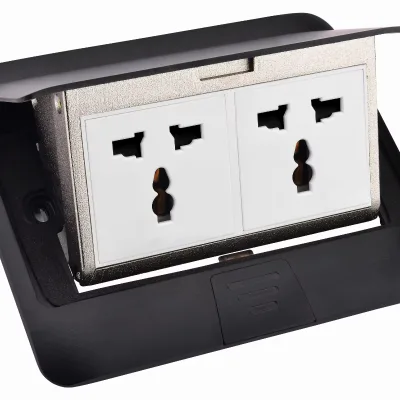
Decoamigo Pop out Power Socket Waterproof Room Hidden Double Floor Socket
$10.75 - $15.92
MOQ: 100 Pieces


Professional Floor Socket with Metal Cover and Screed Concrete Installation
$51.00 - $57.00
MOQ: 50 Pieces

Robust Floor Socket with Spring-Loaded Cover and Professional Aesthetic Design
$11.00 - $14.00
MOQ: 50 Pieces

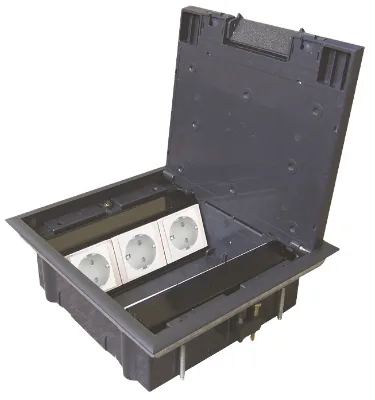
Open Type Floor Socket with Stainless Steel Construction and 203×203mm Cutout
$51.00 - $57.00
MOQ: 50 Pieces
- Verified by SGS Group
- Manufacturer, Trading Company
- Lead time15 days
- Avg. response≤ 5h
Main productsSwitch and Socket, Solar Light, Flood Light/Panel Light/MCB
Main marketsDomestic Market(66%), Southeast Asia(10%), South America(7%)

Wenzhou Huifeng Alloy Technology Co., Ltd.
- Manufacturer, Trading Company
- Zhejiang, China
- Lead time25 days
- Avg. response≤ 3h
Main productsSilver Contact, Socket, Switch Accessories, Wall Switches, Mould
Main marketsDomestic Market(50.00%), South Asia(10.00%), South America(10.00%), Mid East(10.00%), Southeast Asia(10.00%), North America(5.00%), Eastern Europe(5.00%)

Wenzhou Sunny Electrical Co., Ltd.
- Verified by CTI
- Trading Company,Manufacturer/Factory
- China Zhejiang
- Lead time23 days
- Avg. response≤ 5h
Main productsWall Switch, Socket, Light Switch, Electric Switch, Plug, Electrical Switch, Power Socket, Socket Outlet, Switch Plate, Lamp Holder
Main marketsSouth America,Mid East,North America,Southeast Asia,Eastern Asia,Africa


$12.00 - $16.00
MOQ: 100 Pieces
Shanghai Shinelite Electric Co., Ltd.
- Verified by TüVRheinland
- Trading Company
- Lead time25 days
- Avg. response≤ 3h
Main productsWall Switch, Switch Socket, Electrical Accessories, Smart Switch, Led Lighting
Main marketsAfrica(35%), Mid East(34%), Southeast Asia(20%)

Guangzhou Longgui Intelligent Technology Co., Ltd.
- Verified by BV
- Combined
- China Guangdong
- Lead time30 days
- Avg. response≤ 5h
Main productsCable Cubby, Projector Lift, TV Lift, TV Bracket, Monitor Lift, Pup-up Sockets, Wall Panel, Hotel Socekt, Customrized Goods, Customerized Alumnium or Steel Parts
Main marketsOthers(foreignTradeCapacity.exportBusinessCapacityMarketOther)

Yueqing Ruihua Cabinet & Whole Set Equipment Co., Ltd.
- Manufacturer
- China Zhejiang
- Lead time0 days
- Avg. response≤ 18h
Main productsSensor, PLC, Encoder, HMI, Ozone Generator, Distribution Box
Yueqing Joyhope Electrical Co., Ltd.
- Verified by Intertek
- Manufacturer, Trading Company
- Lead time20 days
- Avg. response≤ 2h
Main productsWall Switch, Wall Socket, Rail Socket, Smart Switch and Socket, Pop Up Desktop Socket
Main marketsEastern Europe(40%), North America(20%), Northern Europe(10%)
Zhejiang Huagong Electric Co., Ltd.
- Manufacturer, Trading Company
- Zhejiang, China
- Lead time15 days
- Avg. response≤ 4h
Main productsFloor Socket, Pop Up Socket, Waterproof Socket, Power Track Socket, Tabletop Socket
Main marketsDomestic Market(40.00%), Mid East(15.00%), Southeast Asia(10.00%), North America(5.00%), South America(5.00%), Central America(5.00%), South Asia(3.00%), Western Europe(3.00%), Southern Europe(3.00%), Northern Europe(3.00%), Eastern Europe(3.00%), Eastern Asia(2.00%), Africa(2.00%), Oceania(1.00%)
Wenzhou Hansilang Electric Appliance Co., Ltd.
- Verified by Intertek
- Manufacturer, Trading Company
- Lead time10 days
- Avg. response≤ 6h
Main productsLamp Holder, Expansion Socket, Switch, Travel Adapter
Main marketsDomestic Market(58%), Africa(28%), Mid East(12%)
$1.0248 - $6.2518
MOQ: 500 Minimum
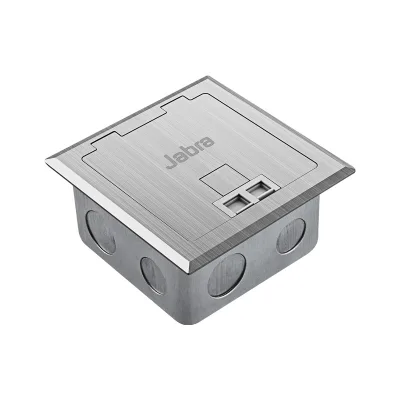
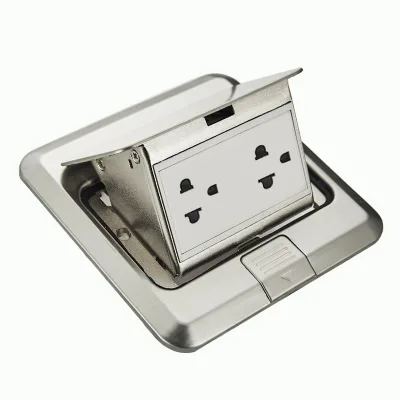


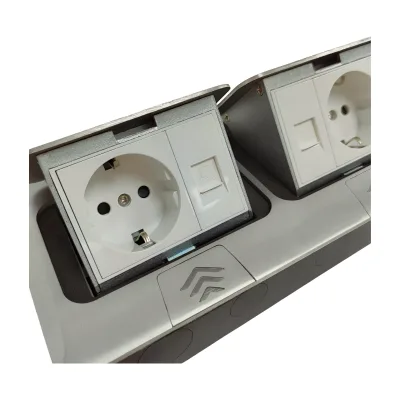
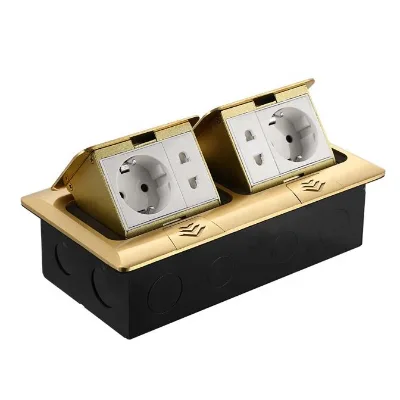
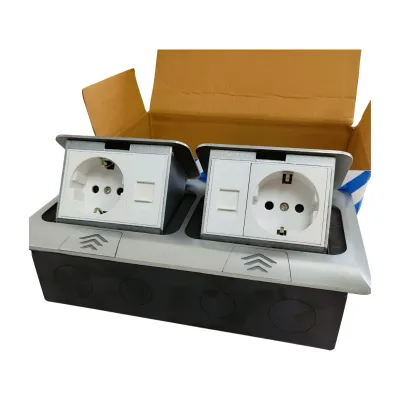
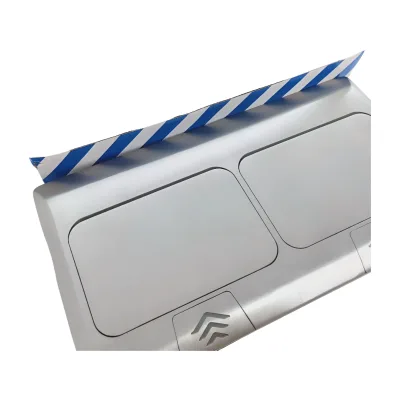
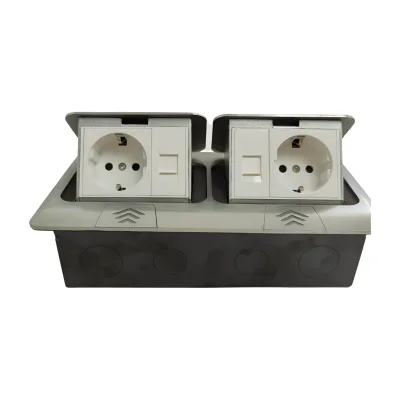
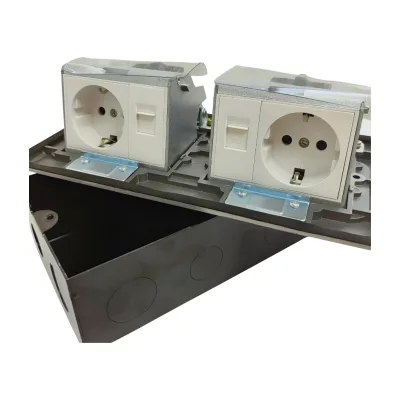
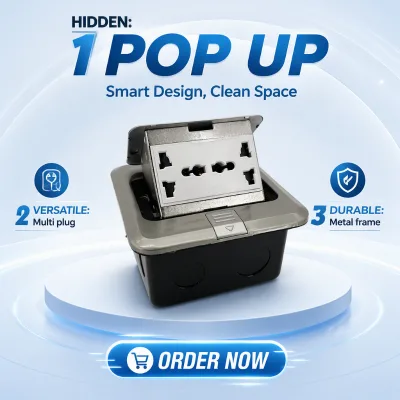
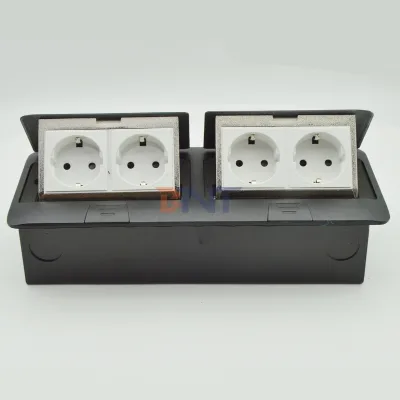
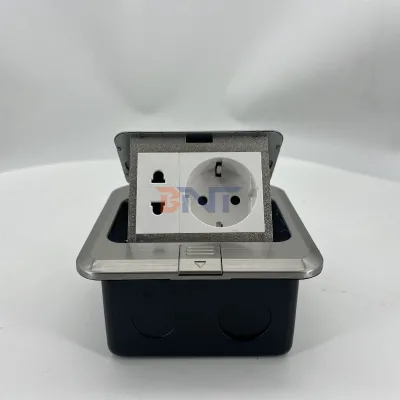
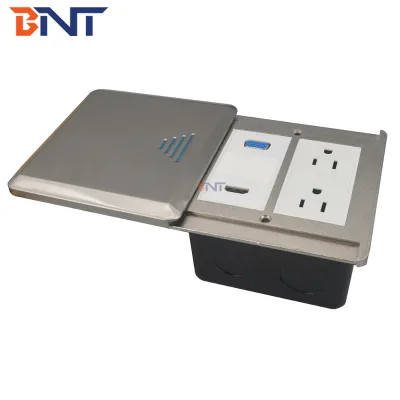
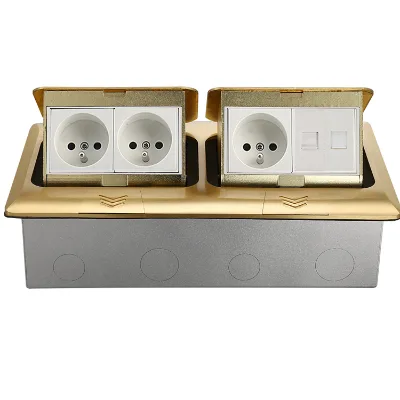
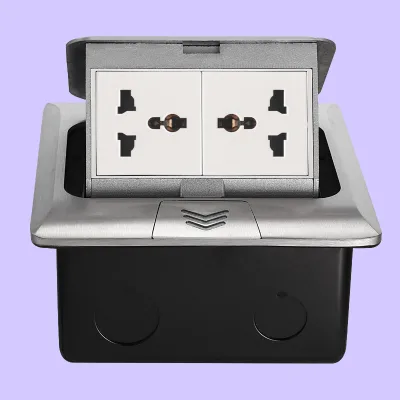
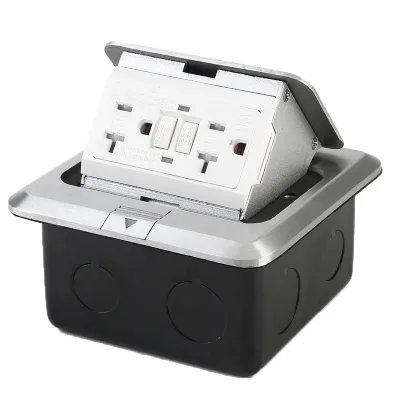
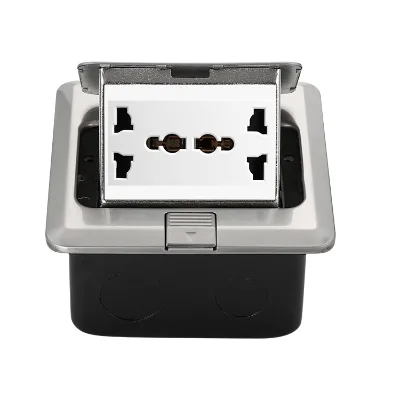
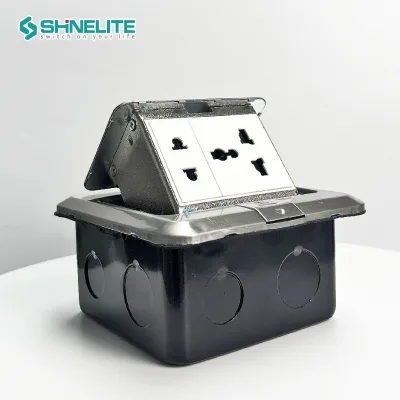


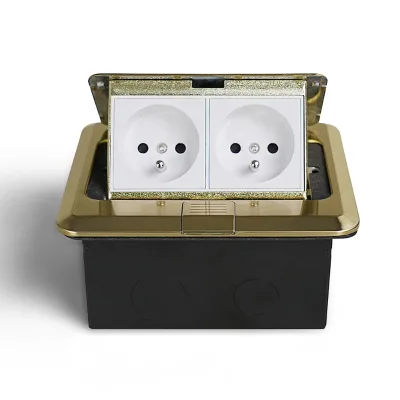
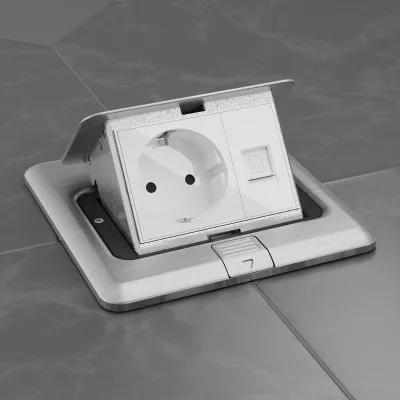
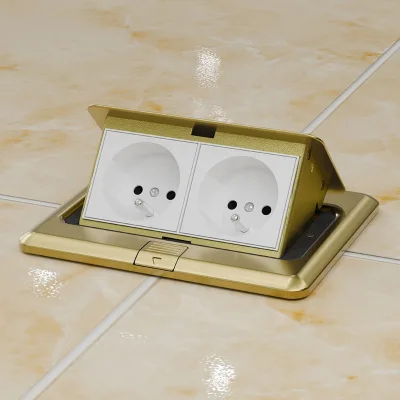
Comprehensive Sourcing Guide
Hidden Pop Up Floor Sockets Supplier Concentration and Factory Types
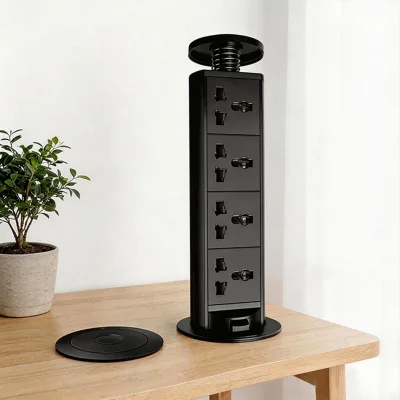
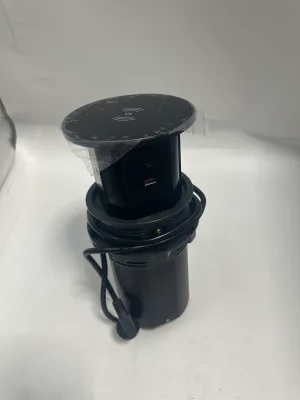
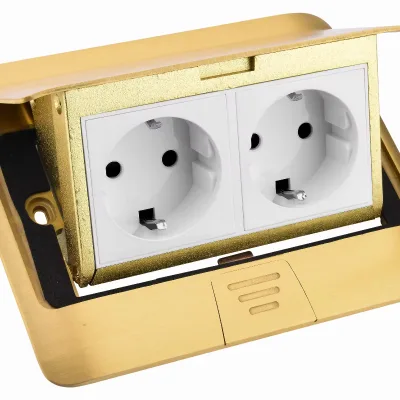
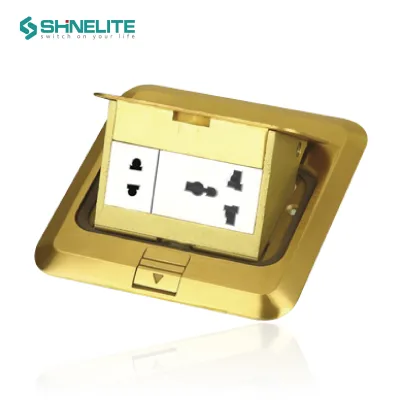
The current supplier results indicate a clear concentration of manufacturing activity in China, specifically within the Zhejiang province. This region serves as a primary hub for the production of floor boxes, floor sockets, and related electrical wiring solutions. When evaluating potential partners, buyers should prioritize facilities located in this area to ensure proximity to established supply chains for components like stainless steel housings and copper wiring. The data confirms that the majority of active suppliers in this category operate as manufacturers or factories rather than pure trading entities, which often implies direct control over the production process and quality assurance protocols.
These facilities typically offer a range of capabilities including Own Brand development, OEM, and ODM services, allowing for significant customization of the hidden pop-up mechanisms. Some suppliers also list themselves as a combination of manufacturer and trading company, which may offer flexibility in sourcing additional components like keystone jacks or patch panels alongside the primary floor socket units. Buyers should verify the specific company type listed in the supplier profile to understand whether they are dealing directly with the production line or an intermediary. This distinction is critical for negotiating pricing and ensuring that the technical specifications for the pop-up action and grounding systems are met without unnecessary markup or communication delays.
How to Verify Hidden Pop Up Floor Sockets Suppliers
Verification of supplier credibility relies heavily on third-party audit reports and system certifications rather than self-declared claims. The available data shows that some suppliers hold BV verification status, while others are verified by SGS Group, providing an external layer of trust regarding their business operations and financial stability. Additionally, system certifications such as ISO 9000 and ISO 9001 are present in the profiles of several manufacturers, indicating adherence to international quality management standards. Buyers must confirm that these certifications are current and specifically cover the production lines for electrical equipment and supplies, ensuring that the factory maintains consistent quality control for products like floor sockets and outlet boxes.
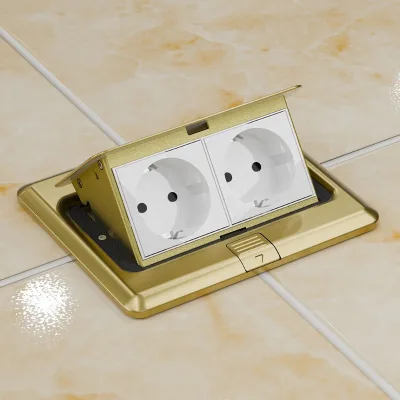
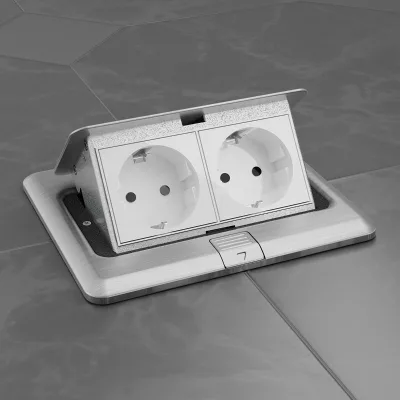
Product-specific evidence further aids in verification, with many listings displaying CE and TUV certifications alongside specific product attributes like IP22 or IP66 ratings. For waterproof and corrosion-resistant models, the presence of an IP66 tested standard is a crucial indicator of reliability for commercial and industrial applications. Buyers should request physical test reports or digital certificates that match the product models listed, such as the SPU-3B or SOB-2S series, to ensure the claims are not generic. It is also essential to check the response time metrics provided in the supplier profile, as a faster response time, such as 0.87 hours compared to 6 hours, often correlates with more responsive customer service and better communication during the pre-sales and post-sales phases.
What to Compare Across Hidden Pop Up Floor Sockets Suppliers
When comparing suppliers, buyers should focus on tangible operational metrics such as lead times, minimum order quantities, and response speeds to determine the best fit for their project timeline. The data reveals a lead time variance, with some suppliers offering a 15-day turnaround while others require 23 days. This difference can significantly impact project scheduling, especially for large-scale commercial installations where delivery dates are fixed. Similarly, minimum order quantities (MOQ) vary widely, ranging from 200 units for certain floor socket models to 500 units for others. Buyers must align these MOQs with their actual volume requirements to avoid excessive inventory costs or the inability to meet the supplier's threshold for production.
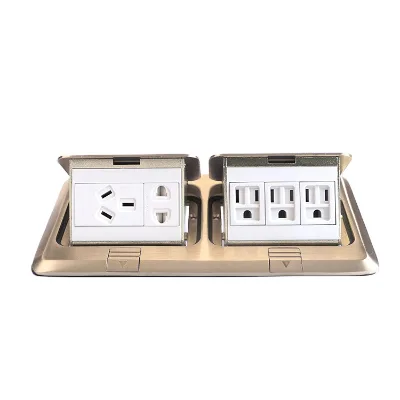
Product specifications and customization capabilities also serve as key comparison points across different supplier profiles. Some manufacturers offer standard grounding with fixed socket-outlet styles, while others provide advanced features like damping devices, stainless steel housing, or multi-socket configurations with pop-up actions. The ability to customize the product, such as selecting specific hole digits or panel materials like brass alloy, is another critical differentiator. Buyers should compare the range of available modules and the flexibility of the customization process, ensuring the supplier can meet specific design requirements for residential, hospital, or laboratory environments. Additionally, comparing the price ranges, which span from approximately $7.00 to $30.00 per unit depending on the model and material, helps in budgeting and value assessment.
Common Hidden Pop Up Floor Sockets Sourcing Risks
One significant risk in sourcing hidden pop-up floor sockets involves the discrepancy between advertised certifications and actual product compliance. While many listings claim CE, ISO, or TUV standards, buyers must verify that these certifications apply to the specific model being ordered, as generic claims may not cover custom variations or specific material compositions like copper or stainless steel. There is also a risk regarding the "Non-Grounding" or "Standard Grounding" attributes listed in product details; failing to confirm the grounding type can lead to safety hazards in commercial or industrial settings where electrical codes are strict. Buyers should explicitly request documentation proving that the grounding mechanism meets local safety regulations before finalizing any order.
Another potential risk lies in the variability of response times and lead times, which can affect project timelines if not managed proactively. A supplier with a slower response time, such as six hours, might delay critical communications regarding production issues or shipping updates compared to a supplier responding in under an hour. Furthermore, the lead time difference between 15 and 23 days can create bottlenecks if the buyer does not account for the longer duration in their logistics planning. Buyers should also be cautious of suppliers who list multiple company types, such as both manufacturer and trading company, as this can sometimes obscure the actual source of the product and complicate quality control responsibilities. Clear contracts defining these responsibilities are essential to mitigate these risks.
Hidden Pop Up Floor Sockets Regional Sourcing and Logistics
Sourcing from the identified manufacturing cluster in Zhejiang, China, offers logistical advantages due to the region's established infrastructure for exporting electrical equipment. The concentration of factories in this area facilitates efficient coordination for raw materials like copper and stainless steel, which are essential for the housing and internal components of floor sockets. Buyers should consider the proximity of these suppliers to major shipping ports to minimize inland transportation costs and reduce the overall lead time for international shipments. The data indicates that products are packed in cartons or inner boxes, which are standard for protecting delicate mechanical parts during transit, but buyers should verify the specific packing details to ensure adequate protection for fragile pop-up mechanisms.
Logistics planning must also account for the specific product attributes that may affect shipping, such as weight and dimensions. For instance, some models have a single gross weight of 1.300 kg and specific package sizes like 42X28X28 cm, which influences container loading efficiency and freight costs. Buyers should calculate the total volume and weight of their order to optimize shipping methods, whether by sea or air, depending on the urgency of the project. Additionally, the origin of the products being China allows for predictable customs procedures, but buyers must ensure that all necessary documentation, including certificates of origin and compliance reports, is prepared in advance to avoid delays at the destination port. Understanding these regional logistics nuances helps in creating a more accurate and reliable supply chain strategy.
Hidden Pop Up Floor Sockets Commercial Terms and Order Planning
Commercial terms for hidden pop-up floor sockets often include specific pricing structures based on order volume and customization levels. The observed price ranges, from $7.00 to $30.00 per unit, suggest that costs are highly dependent on the model complexity, material quality, and the extent of customization required. Buyers should negotiate based on the specific price tiers associated with their target order quantity, keeping in mind that higher volumes may unlock better rates. It is also important to clarify whether the quoted price includes packaging, such as the carton or inner box specifications, and if any additional fees apply for custom branding or special packaging requirements.
Order planning should integrate the supplier's capacity for light customization, sample processing, and graphic processing to ensure the final product meets exact project specifications. Suppliers offering OEM and ODM services can accommodate unique design needs, but buyers must provide clear technical drawings and material requirements early in the process to avoid production delays. The availability of specific models like the SPU-16 or SOB-2S with multi-switch capabilities should be confirmed against the project's electrical load requirements. Furthermore, buyers should establish a clear timeline that accounts for the supplier's lead time, whether it is 15 or 23 days, and factor in buffer time for quality inspections and potential rework. This proactive approach ensures a smooth transition from order placement to final delivery, minimizing disruptions to the overall project schedule.
FAQs
What certifications do Hidden Pop Up Floor Sockets carry?
Manufacturers typically provide CE and ISO 9001 certifications for these products. Some suppliers also hold ISO 9000 or RoHS standards. Verify specific test reports like TUV or IP66 ratings directly with the factory to ensure compliance with your regional electrical safety regulations and quality requirements.
What is the typical lead time for these sockets?
Production lead times generally range from 15 to 23 days depending on the manufacturer. Some factories offer faster turnaround for customized orders. Confirm the exact delivery schedule with your supplier before placing the order to align with your project installation timeline and avoid delays.
What is the minimum order quantity for floor sockets?
MOQs typically range from 200 to 500 units per model. Some suppliers may offer lower quantities for sample processing or light customization. Check the specific MOQ for your chosen model, as bulk orders often qualify for better pricing tiers and reduced per-unit costs.
What materials are used in pop up floor boxes?
Common housing materials include stainless steel, copper, and brass alloy. Some models feature zinc alloy or plastic components. Select materials based on your application environment, such as stainless steel for high-traffic commercial areas or copper for specific electrical conductivity needs in residential settings.
Are these sockets suitable for outdoor or wet areas?
Standard indoor models usually have IP22 ratings, while specialized versions offer IP66 waterproof ratings. IP66 sockets are designed for outdoor or wet environments. Ensure you select the correct IP rating for your installation location to guarantee safety and durability against moisture and dust ingress.
Can I customize the design of these floor sockets?
Most manufacturers offer customization options including OEM and ODM services. You can often customize the panel material, finish, and socket configuration. Confirm customization availability and any associated tooling costs with the supplier to ensure the final product meets your specific aesthetic and functional requirements.