Source EU Standard Matter Smart Switch for homes, offices, and hotels
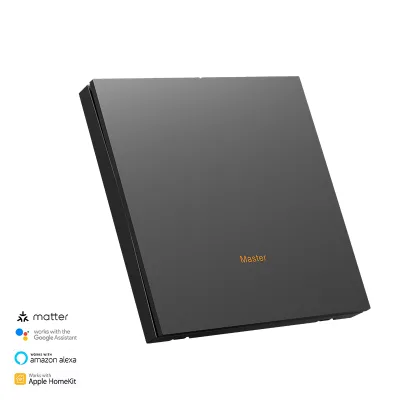
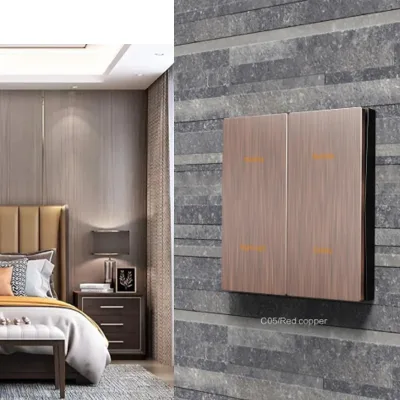
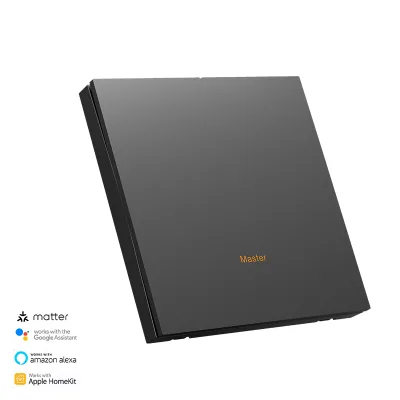
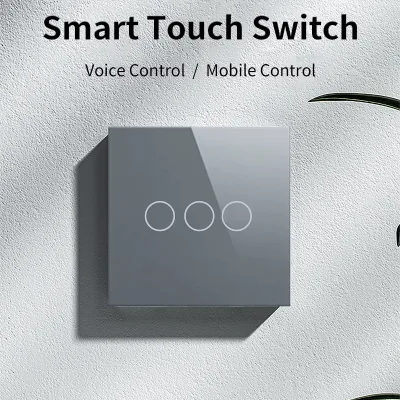
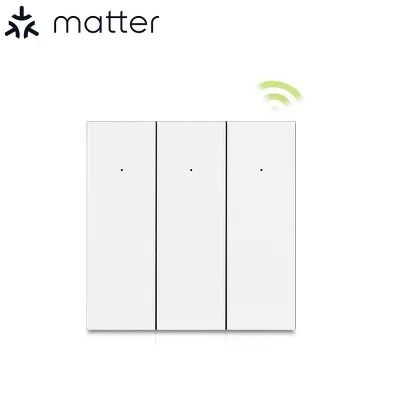
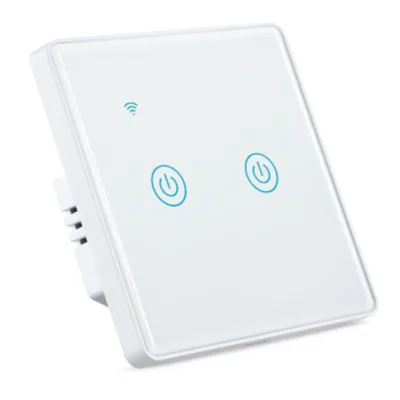
Compare 30 EU Standard Matter Smart Switch options from verified suppliers. Explore models with Wi-Fi connectivity, wall-mounted installation, and customizable features for residential and commercial applications. These switches support multiple standards including EU, UK, and China, with ratings up to 10A and 240V. Buyers can find various colors like black, white, and gold, along with different sizes such as 86x86mm.
Updated
Key considerations
Products List
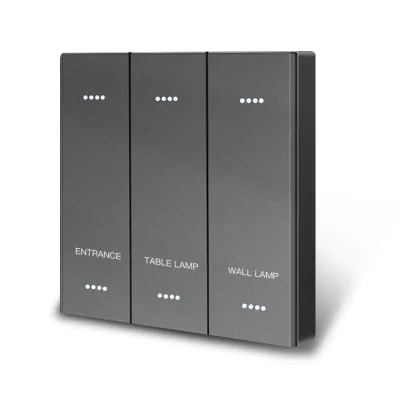

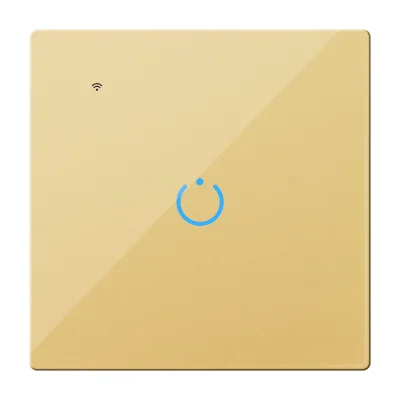
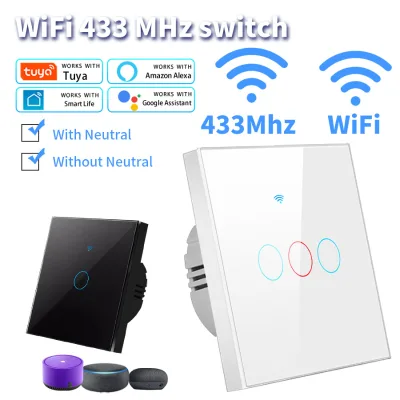
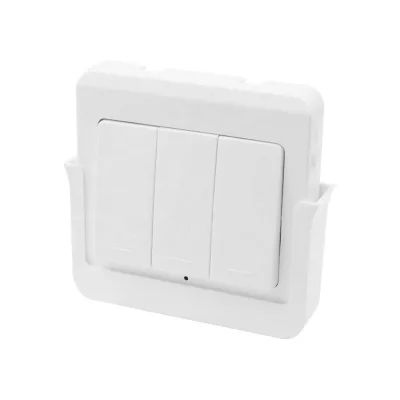
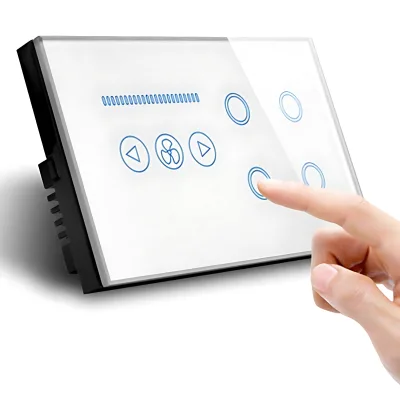
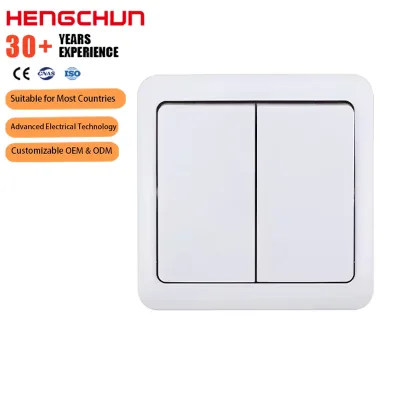


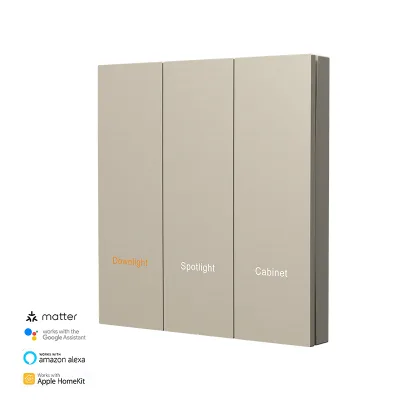
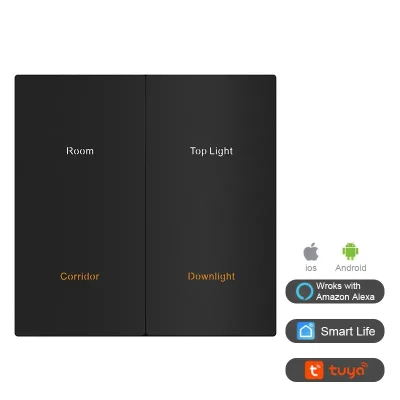





Comprehensive Sourcing Guide
EU Standard Matter Smart Switch Sourcing Guide
Sourcing EU standard Matter-enabled smart switches requires careful alignment of regional electrical standards with emerging interoperability protocols. Buyers must prioritize devices that explicitly support the Matter protocol to ensure seamless integration across diverse smart home ecosystems, including Apple Home, Google Home, and Amazon Alexa. This cross-platform compatibility reduces vendor lock-in and simplifies deployment for residential and commercial projects. The focus on EU standards ensures that the physical form factor and electrical ratings meet local regulatory requirements, particularly regarding plug types and voltage compatibility.
Procurement teams should verify that the selected switches support Wi-Fi or Thread connectivity, as these are critical for reliable Matter communication. While some listings may indicate SDK support or proprietary networks, Matter-certified devices typically rely on standardized protocols to guarantee interoperability. Buyers need to confirm that the switch’s network capabilities align with their existing infrastructure, ensuring stable connectivity without requiring additional hubs. This verification step is essential for maintaining system reliability and minimizing technical support issues post-installation.
Product Scope and Observed Listing Signals
The current market for smart switches includes a variety of form factors, with 86mm square designs being the most prevalent for wall-mounted installations. Observed listings show dimensions such as 86x86mm, 172x86mm, and larger variants, catering to different switch plate configurations. These physical dimensions are crucial for ensuring compatibility with existing EU electrical boxes and mounting systems. Buyers should carefully measure their installation sites to avoid fitment issues, as non-standard sizes may require custom adapters or new wiring setups.
Color options typically include black, white, grey, and gold, allowing for aesthetic integration into various interior designs. Some suppliers offer customization services, including logo printing and packaging adjustments, which are valuable for branded projects or bulk procurement. The material composition is primarily plastic or ABS, providing durability and safety insulation. Buyers should assess the build quality and finish to ensure the switches meet their aesthetic and functional requirements, particularly in high-traffic areas where durability is paramount.
Technical Specifications to Verify
Electrical ratings are a critical aspect of smart switch procurement, with typical rated voltages ranging from AC 110V to 240V. Buyers must ensure that the switches are compatible with their local grid voltage, particularly in regions with 230V standards. The rated current is often specified as 10A, which is suitable for most residential lighting and small appliance loads. However, for high-power devices, buyers should verify if the switch supports higher current capacities or if additional relays are needed.
Operating temperature ranges typically span from -20°C to 70°C, ensuring reliable performance in various environmental conditions. The IP rating, such as IP26, indicates protection against solid objects and water jets, which is important for switches installed in areas prone to moisture. Buyers should also check the single package dimensions and weight to optimize shipping costs and storage logistics. Understanding these technical parameters helps in selecting switches that are both safe and efficient for the intended application.
Compliance and Safety Documentation
Compliance with EU standards is non-negotiable for smart switches sold or installed in European markets. Buyers must request documentation proving adherence to relevant safety and electromagnetic compatibility directives. Certifications such as CE and RoHS are commonly cited, indicating that the products meet health, safety, and environmental protection standards. However, buyers should verify the validity of these certifications through official databases or third-party testing reports to avoid counterfeit or non-compliant products.
Additionally, specific product standards like EN 61010-1 may apply, depending on the device’s classification and usage. Buyers should ensure that the supplier provides clear evidence of compliance with these standards, including test reports from accredited laboratories. This documentation is essential for risk management and regulatory audits, particularly for commercial installations. Without proper compliance proof, buyers may face legal liabilities and safety hazards, making thorough verification a critical step in the sourcing process.
Cost Drivers and Commercial Terms
Pricing for smart switches varies based on features, volume, and customization options. Observed price ranges indicate that basic models may start at lower price points, while advanced Matter-enabled switches with additional features command higher prices. Buyers should consider the total cost of ownership, including shipping, tariffs, and potential customization fees. Bulk orders often benefit from volume discounts, but buyers must balance cost savings with quality assurance and supplier reliability.
Minimum order quantities (MOQ) can range from single units to thousands, depending on the supplier’s production capacity and business model. Buyers should negotiate terms that align with their inventory needs and cash flow constraints. Payment terms, lead times, and return policies are also critical commercial factors. Clear communication with suppliers regarding these terms helps in avoiding unexpected costs and delays, ensuring a smooth procurement process.
Supplier Qualification and Quality Control
Supplier qualification involves assessing their manufacturing capabilities, quality control processes, and customer support. Buyers should request samples to evaluate the switch’s build quality, connectivity stability, and user interface. Testing the switch in a real-world environment helps identify potential issues before committing to large orders. Suppliers with OEM/ODM capabilities offer flexibility for custom branding and feature adjustments, which can be advantageous for branded projects.
Quality control measures, such as incoming material inspections and final product testing, are essential for ensuring consistent product quality. Buyers should inquire about the supplier’s defect rate and warranty policies. A reliable supplier will provide transparent information about their quality assurance processes and be willing to address any issues promptly. Building a strong relationship with a qualified supplier helps in maintaining product consistency and reducing supply chain risks.
Long-Term Procurement Checks
Long-term procurement success depends on continuous monitoring of supplier performance and product updates. Buyers should establish key performance indicators (KPIs) to track delivery times, product quality, and customer satisfaction. Regular audits and feedback loops help in identifying areas for improvement and maintaining high standards. Additionally, staying informed about updates to Matter protocols and EU regulations ensures that the sourced switches remain compliant and compatible with evolving smart home ecosystems.
Supply chain resilience is another critical factor, particularly in the face of global disruptions. Buyers should diversify their supplier base and maintain safety stock to mitigate risks. Regular communication with suppliers regarding production schedules and inventory levels helps in anticipating potential shortages. By proactively managing these aspects, buyers can ensure a stable and efficient supply of smart switches, supporting their long-term business objectives.
FAQs
What are the available sizes for EU Standard Matter Smart Switch?
The available sizes are 86*86MM, 172*86MM, 258*86MM, 344*86MM, and 430*86MM. These dimensions accommodate various wall box configurations. The standard 86mm square shape is most common for residential installations. Larger sizes support additional outlets or smart features. Buyers should verify their existing box dimensions before ordering to ensure a proper fit.
Can I customize the logo on these smart switches?
Yes, customized logos are available for these products. The supplier welcomes OEM and ODM requests to support brand identity. This service allows buyers to apply their specific branding to the switch faceplate. Customization options help differentiate products in competitive markets. Buyers should contact the supplier directly to discuss logo placement and design requirements.
What is the maximum voltage rating for these switches?
The maximum voltage rating is AC 240 V. Some models support a broader range of AC 110-240V. This ensures compatibility with various regional power standards. The switches are designed to handle standard household electrical loads safely. Buyers must ensure their local voltage matches the product specifications to prevent damage.
Where are these smart switches manufactured?
These switches are manufactured in Wenzhou, Zhejiang, China. The origin is clearly stated as China for all listed models. Wenzhou is a known hub for electrical component production. Buyers can verify the place of origin on the product details. This location information helps in assessing logistics and supply chain reliability.
What network connectivity do these smart switches support?
These smart switches support Wi-Fi connectivity for remote control. Some models may utilize SDK for integration purposes. Wi-Fi allows users to control lights via smartphone apps. This feature enables smart home automation without additional hubs. Buyers should check the specific model details to confirm network capabilities.
What is the minimum order quantity for these products?
The minimum order quantity ranges from 1 to 1000 units. This flexibility supports both small sample orders and bulk purchases. Buyers can start with a low MOQ to test product quality. Higher volumes may offer better pricing tiers. The exact MOQ depends on the specific supplier and customization requirements.