Source Tuya Touch Panel Wall Switch for Smart Homes
Find and compare 30 Tuya Touch Panel Wall Switch options featuring Zigbee and Wi-Fi connectivity. These smart switches support voice control via Alexa and Google Home, offering APP control and scene modes for residential automation projects; compare the available evidence and request quotations based on your requirements.
Updated
Key considerations
Products List


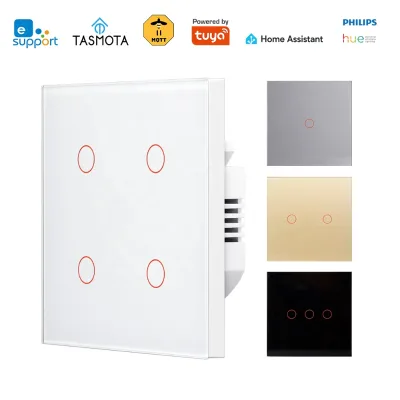
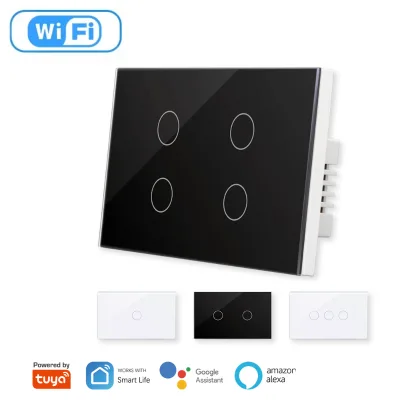


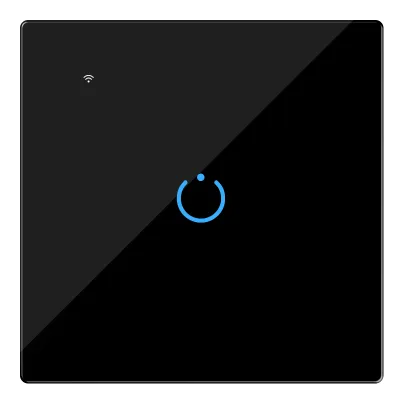
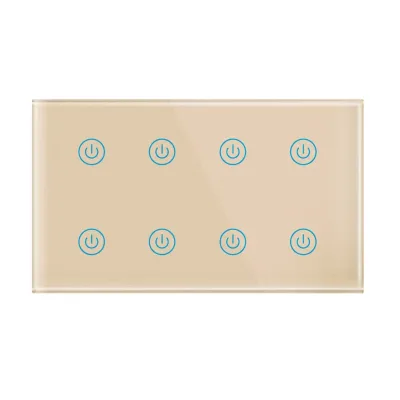
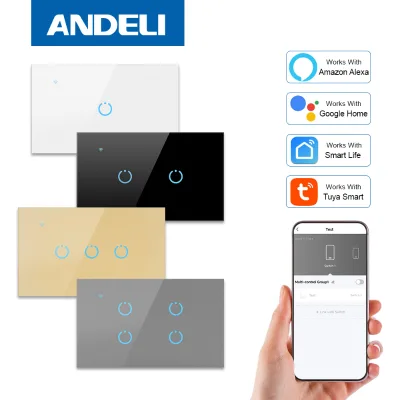
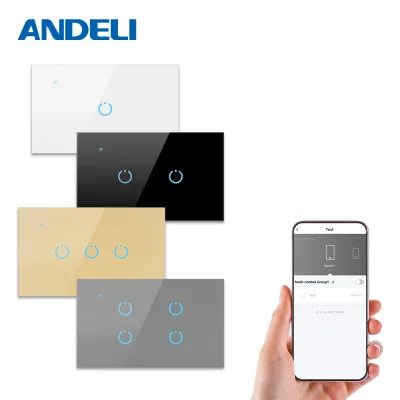
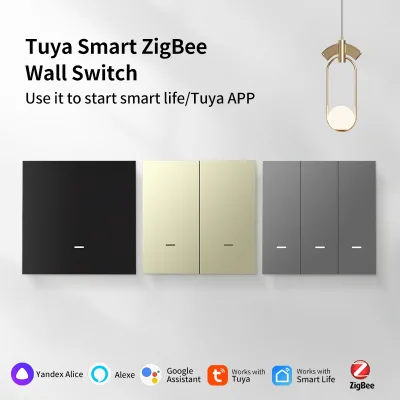
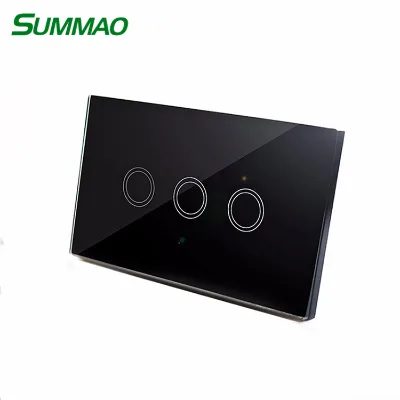
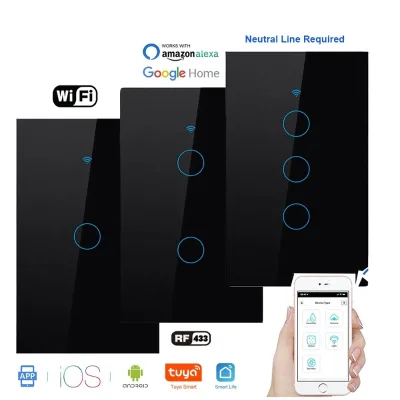
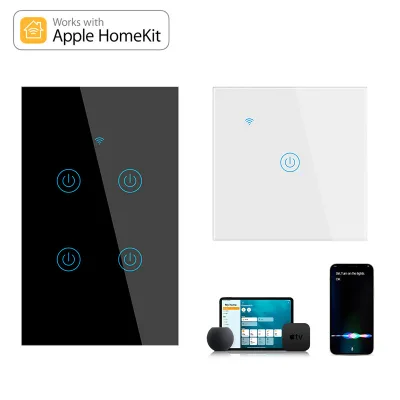


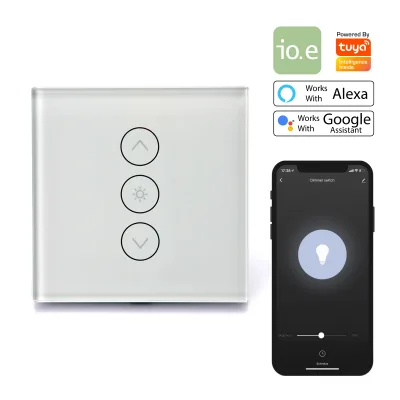
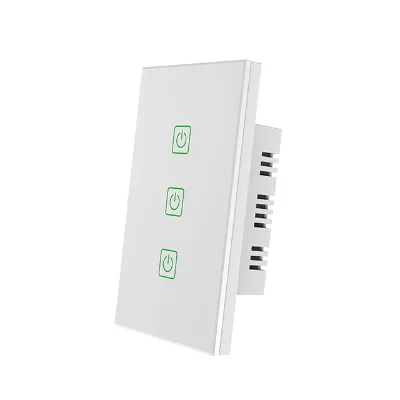
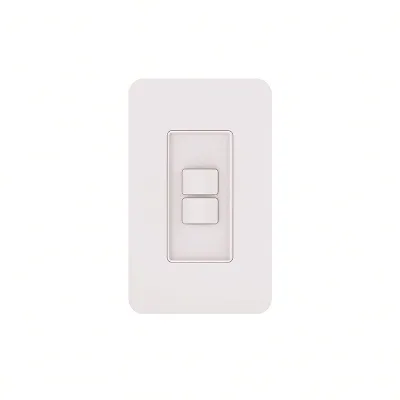
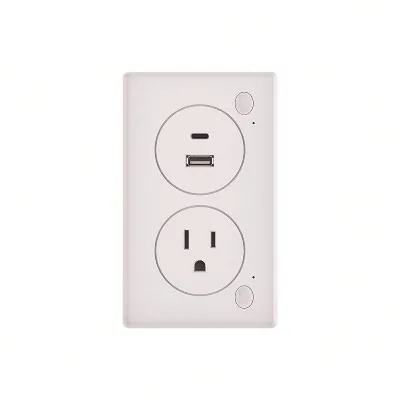
USA Standard OEM Customized Outlet Socket Tuya Wifi Smart Home Wall Switch
$5.27 - $5.41
MOQ: 500 pieces
Comprehensive Sourcing Guide
Tuya Touch Panel Wall Switch Sourcing Guide
Sourcing Tuya-compatible touch panel wall switches requires a clear understanding of the ecosystem’s flexibility and the hardware variations available in the current market. These devices serve as critical interface points for smart home automation, allowing users to control lighting, appliances, and scenes through intuitive touch interfaces. The primary value proposition lies in their seamless integration with the Tuya Smart Life platform, which supports voice control via Alexa, Google Home, and Home Assistant. Buyers must recognize that while the software layer is standardized, the hardware implementations vary significantly in material, connectivity, and physical design.
Procurement decisions should be driven by the specific functional requirements of the end-user environment. The observed product range includes models with high-resolution displays, built-in radar sensing for occupancy detection, and various connection types such as Wi-Fi and Zigbee. Understanding these distinctions is vital for selecting the right component for a given project. For instance, Zigbee-based switches offer mesh network stability, whereas Wi-Fi models may provide simpler setup processes but different latency characteristics. Aligning hardware capabilities with the intended smart home architecture ensures optimal performance and user satisfaction.
Product Scope and Observed Listing Signals
The current market landscape for Tuya touch panel wall switches exhibits a wide range of product attributes, reflecting diverse manufacturing capabilities and target segments. Observed listings indicate a price range from one to thirty-eight US dollars, suggesting significant variation in component quality, feature sets, and branding strategies. Minimum order quantities (MOQ) also vary, ranging from single units for sampling to five hundred units for bulk production, which impacts inventory planning and cash flow management for buyers. These signals help procurement teams gauge market maturity and identify potential suppliers based on their production scale and pricing models.
Material composition and physical design are key differentiators among the available products. Listings reveal the use of materials such as pure aluminum and plastic, with panel shapes predominantly being square and installation methods focused on wall-mounted setups. Standard dimensions like 86x86 mm are common, ensuring compatibility with standard electrical boxes in many regions. Additionally, features such as custom logos, programmable text displays, and multiple switch configurations (one to four gangs) are frequently advertised. Buyers should carefully review these physical and aesthetic attributes to ensure the switches meet the design specifications of their target installations.
Technical Specifications to Verify
Verifying technical specifications is crucial to ensure compatibility and performance in smart home deployments. Connectivity options observed include Wi-Fi, Zigbee, and wired connections, each with distinct implications for network architecture and reliability. Buyers must confirm the specific protocol supported by the switch, as Zigbee devices require a compatible hub or gateway, while Wi-Fi devices connect directly to the local network. Additionally, the presence of built-in radar sensing and high-resolution displays (e.g., 360x480 pixels) adds functionality but also increases complexity. These features should be validated against the project’s automation requirements to avoid unnecessary costs or integration issues.
Electrical ratings and power requirements are fundamental safety and performance parameters that must be strictly verified. Observed specifications indicate rated voltages ranging from 100-240V AC, with maximum voltages listed as 240V or 250V. Current ratings typically show 10A per circuit, with some models featuring 20A relays. It is essential to confirm the number of poles and switches, as options include single, double, or triple pole configurations. Mismatching electrical ratings with the load requirements can lead to device failure or safety hazards. Buyers should request detailed datasheets to confirm these electrical characteristics for each specific model under consideration.
Compliance and Safety Documentation
Compliance with regional safety and electromagnetic compatibility standards is non-negotiable for electrical products entering global markets. While specific certification statuses are not universally listed in general observations, buyers must insist on valid test reports from accredited laboratories for each target market. This includes verifying adherence to standards such as IEC, UL, or CE, depending on the destination country. The absence of explicit certification claims in product listings does not imply compliance; rather, it places the burden of verification on the procurement team. Ensuring that the manufacturer can provide up-to-date and valid certificates is a critical step in mitigating legal and liability risks.
Documentation should also cover environmental and material safety regulations, such as RoHS and REACH, particularly if the switches contain plastic or metal components. Buyers should request material safety data sheets (MSDSDs) to confirm the absence of hazardous substances. Additionally, packaging standards, such as carton packing, should be reviewed to ensure they meet shipping and storage requirements. Proper documentation not only facilitates customs clearance but also demonstrates due diligence in supply chain management. Maintaining a comprehensive file of all compliance documents for each supplier is essential for long-term procurement success and audit readiness.
Cost Drivers and Commercial Terms
Understanding the factors that influence pricing is essential for effective budget management and negotiation. The observed price range of one to thirty-eight US dollars reflects variations in material quality, feature complexity, and order volume. High-resolution displays, radar sensing, and custom branding options likely contribute to higher price points. Buyers should analyze the cost structure to identify areas where value can be optimized without compromising quality. Negotiating volume discounts and clarifying payment terms can significantly impact the total cost of ownership. It is also important to consider hidden costs, such as shipping, tariffs, and potential return logistics, when evaluating the final landed cost.
Commercial terms, including minimum order quantities and lead times, play a crucial role in supply chain planning. MOQs ranging from one to five hundred units allow for flexibility in testing and scaling, but larger orders may offer better unit economics. Lead times, while not explicitly detailed in all listings, should be confirmed with suppliers to ensure timely delivery for project milestones. Buyers should establish clear agreements on production schedules, quality acceptance criteria, and penalty clauses for delays. Transparent communication regarding commercial terms helps build trust and ensures a smoother procurement process, reducing the risk of disruptions in the supply chain.
Supplier Qualification and Quality Control
Supplier qualification is a critical step in ensuring the reliability and consistency of Tuya touch panel wall switches. Buyers should conduct thorough due diligence on potential suppliers, verifying their manufacturing capabilities, quality management systems, and financial stability. Factories located in regions like Zhejiang and Guangdong, China, are common sources for these products, but geographic location alone does not guarantee quality. It is essential to assess the supplier’s experience with smart home devices and their ability to maintain consistent production standards. Requesting samples and conducting factory audits can provide valuable insights into their operational practices and quality control processes.
Quality control measures should be integrated into the procurement process to minimize defects and ensure product performance. Buyers should define clear quality acceptance criteria, including functional tests for touch responsiveness, connectivity stability, and electrical safety. Implementing pre-shipment inspections can help identify and rectify issues before products leave the factory. Additionally, establishing a feedback loop with the supplier for continuous improvement is beneficial. Regular communication regarding quality performance and addressing any recurring issues promptly helps maintain high standards. A robust quality control framework protects the buyer’s brand reputation and ensures customer satisfaction in the end market.
Long-Term Procurement Checks
Long-term procurement success depends on continuous monitoring and adaptation to market changes and technological advancements. Buyers should regularly review supplier performance metrics, including on-time delivery rates, defect rates, and responsiveness to issues. Establishing key performance indicators (KPIs) and conducting periodic supplier evaluations helps identify areas for improvement and ensures accountability. Additionally, staying informed about updates to the Tuya ecosystem and emerging smart home standards is crucial for maintaining product relevance. Suppliers who actively invest in R&D and adapt to new technologies are more likely to provide sustainable solutions for future projects.
Building strong, collaborative relationships with suppliers fosters trust and facilitates smoother transactions over time. Regular communication, joint planning, and mutual respect are key components of successful partnerships. Buyers should also consider diversifying their supplier base to mitigate risks associated with single-source dependencies. Exploring alternative suppliers and negotiating favorable terms can enhance supply chain resilience. Furthermore, providing constructive feedback and recognizing supplier achievements can strengthen the partnership. A proactive approach to supplier management ensures a stable and efficient supply chain, supporting the long-term success of smart home product offerings.
FAQs
What connectivity options are available for Tuya touch panel wall switches?
Connectivity options include Zigbee, Wi-Fi, wired, and wireless protocols. The M8pro model utilizes a Zigbee network for stable smart home integration. Other models support Wi-Fi connections for APP control. These options allow flexible installation within various smart life ecosystems without requiring additional hubs for Wi-Fi variants.
Can these switches be customized with a custom logo?
Yes, customization is available for branding purposes. Buyers can request a custom logo to be applied to the device. This service supports private labeling for distributors. The panel material options include metal or plastic, allowing for tailored aesthetic finishes. Contact suppliers directly to confirm specific customization requirements and minimum order quantities.
What is the maximum voltage rating for these smart switches?
The maximum voltage rating is typically 240V or 250V depending on the specific model. The rated voltage generally covers 100-240V AC input. This ensures compatibility with standard household electrical systems in various regions. Always verify the exact voltage specification for the chosen model before installation to ensure safe and proper operation within your electrical grid.
Which voice assistants are supported by the Tuya smart switches?
The switches support voice control via Alexa, Google Home, and Home Assistant. This integration allows users to operate lights and scenes hands-free. The M8pro model explicitly lists these three platforms for compatibility. Voice commands can trigger scene modes or remote control functions, enhancing convenience for modern smart home automation setups.
What is the minimum order quantity for bulk purchases?
The minimum order quantity starts at 1 piece for some listings. Other suppliers may require up to 500 pieces for bulk orders. This range accommodates both sample testing and large-scale procurement needs. Buyers should check individual supplier terms to determine the exact MOQ applicable to their order size and desired customization level.
What materials are used for the switch panel construction?
Panel materials include pure aluminum and plastic options. The M8pro model features a metal construction for durability. Other models may use plastic for cost-effective solutions. The shape is typically square, fitting standard 86 boxes. Material choice affects the aesthetic and tactile feel, allowing buyers to select based on design preferences and budget constraints.