Source China Mainland Brass Fitting for plumbing, water supply, drainage
Compare 30 China Mainland Brass Fitting options from verified suppliers. Explore models like JBLBRASS and nosson with brass material, various thread types, and surface treatments for plumbing, water supply, and drainage applications; compare the available evidence and request quotations based on your requirements.
Updated
Key considerations
Products List

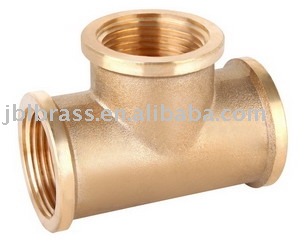
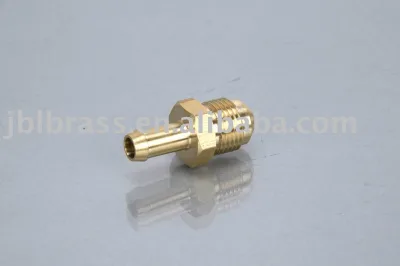
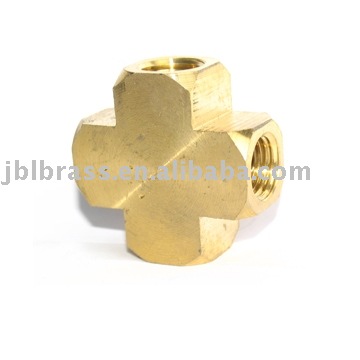
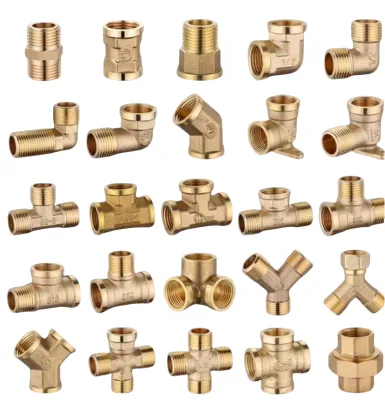

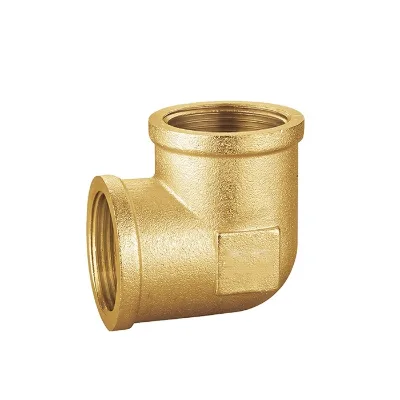
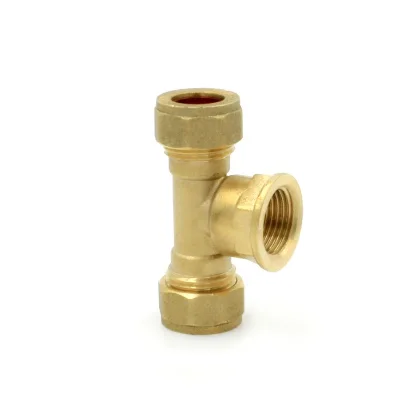
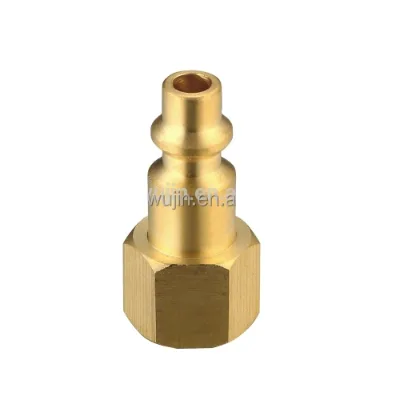
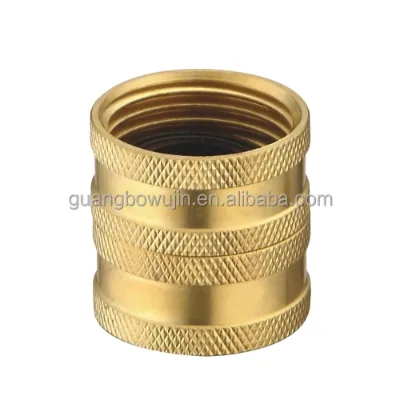
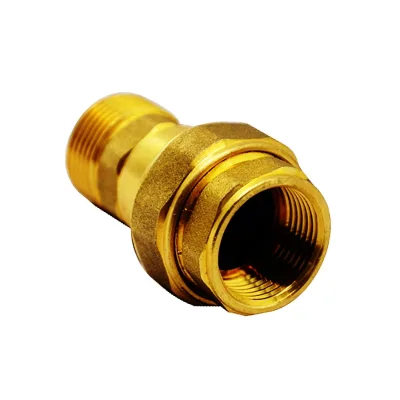
taizhou guangbo 1/4 female brass fitting for pneumatic tool air hose fitting
$1.2472 - $1.5575
MOQ: 3000 pieces
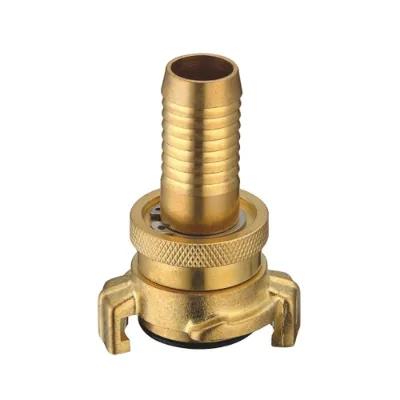


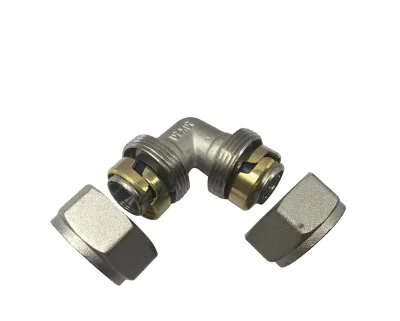
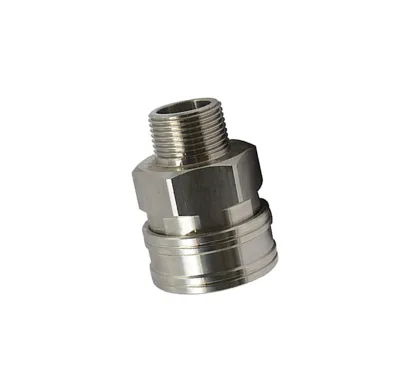
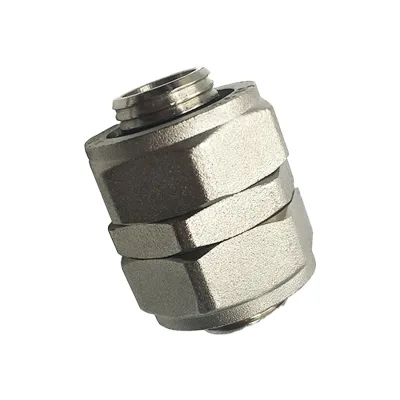
Comprehensive Sourcing Guide
China Mainland Brass Fitting Sourcing Guide
Sourcing brass fittings from China Mainland requires a disciplined approach to verifying material integrity and manufacturing precision. Buyers must navigate a market where origin claims are common, but specific alloy compositions vary significantly between suppliers. The primary advantage lies in the region’s mature supply chain for copper-based components, yet this density also increases the risk of encountering inconsistent quality if due diligence is not rigorous. Understanding the distinction between forged and cast techniques is essential, as each method impacts the final product’s durability and pressure rating.
Procurement teams should prioritize suppliers who provide transparent documentation regarding their raw material sources. The presence of specific copper alloys, such as C10200 or C11000, indicates high conductivity and corrosion resistance, which are critical for water applications. However, buyers must confirm that the stated material matches the physical product received. Relying solely on supplier descriptions without independent verification can lead to significant operational risks, particularly in systems where lead-free compliance or specific mechanical strengths are mandated by local regulations.
Product Scope and Observed Listing Signals
The observed market signals indicate a diverse range of brass components, including nipples, couplings, and quick connectors, with prices ranging from $0.14 to $10 USD. Minimum order quantities typically span from 500 to 100,000 units, reflecting the scalability of manufacturing operations in Zhejiang province. These figures suggest that buyers can access both small-batch prototyping and large-scale industrial supply, provided they align their volume requirements with the supplier’s production capacity. The wide price variance often correlates with differences in material thickness, surface treatment complexity, and packaging standards.
Listing attributes frequently highlight customization options, with many suppliers offering OEM and ODM support for specialized designs. Common features include hexagon heads, male and female threads, and NBR washers, which are standard for general plumbing and industrial fluid control. However, buyers should treat these listed attributes as observations rather than universal guarantees. Specific model numbers, such as DW-BF057 or JBL-GF-30, may correspond to distinct technical specifications that are not immediately apparent from the product title alone.
Technical Specifications to Verify
Technical verification must begin with confirming the exact thread standards and pipe sizes, as mismatches are a frequent source of installation failure. Listings may specify pipe sizes like 10mm or 12mm, but buyers must ensure these align with international standards such as ISO or local national codes. The mounting hole diameter, observed at 0.2 inches or 0.25 inches in some contexts, requires precise measurement to ensure compatibility with existing infrastructure. Without explicit confirmation of thread pitch and diameter, even minor deviations can compromise system integrity and lead to leaks.
Surface treatment and material composition are equally critical technical parameters. While some products are described as having plated copper or smooth finishes, others may specify brass fitting treatments that affect corrosion resistance. Buyers should request material test reports to verify the presence of specific copper alloys, such as TU1 or T2, which offer superior performance in water supply applications. Additionally, the manufacturing technique, whether forged or cast, significantly influences the fitting’s ability to withstand pressure, making this a key verification point before finalizing any purchase order.
Compliance and Safety Documentation
Compliance documentation is non-negotiable for brass fittings intended for potable water or critical industrial applications. Buyers must ensure that suppliers can provide certificates confirming lead-free status if required by regional regulations, even if not explicitly stated in the initial listing. The absence of specific certification mentions in product descriptions does not imply non-compliance, but it does place the burden of verification on the purchaser. Requesting third-party test reports from accredited laboratories is the most reliable way to confirm that the fittings meet safety standards for human contact and environmental impact.
Pressure rating and pipe class designations also require careful scrutiny. Some listings indicate a pipe class of 1000, while others describe the product as not rated, which presents a significant risk for high-pressure systems. Buyers must clarify the maximum working pressure and temperature limits with the supplier before procurement. Documentation should explicitly state the testing methods used to determine these ratings, ensuring that the fittings can safely operate within the intended system parameters without risk of catastrophic failure.
Cost Drivers and Commercial Terms
Cost structures for brass fittings are heavily influenced by raw material fluctuations, particularly the global price of copper. Buyers should anticipate that unit prices will vary based on the alloy composition and the thickness of the material used. Surface treatments, such as plating or specialized coatings, add additional processing costs that can impact the final price. Understanding these drivers allows procurement teams to negotiate more effectively and anticipate budget changes based on commodity market trends.
Commercial terms, including minimum order quantities and packaging methods, also play a crucial role in total landed cost. Listings often specify packing by pallets, which affects shipping efficiency and handling requirements. Buyers should evaluate whether the supplier’s MOQ aligns with their inventory management strategy, as excessive stockpiling can tie up capital, while frequent small orders may incur higher per-unit shipping costs. Clear agreement on lead times and payment terms is essential to avoid disruptions in the supply chain and ensure timely delivery of critical components.
Supplier Qualification and Quality Control
Supplier qualification should extend beyond basic company registration to include an assessment of their manufacturing capabilities and quality control processes. Buyers should verify whether the supplier operates its own foundry or relies on subcontractors, as this impacts consistency and traceability. Requesting samples for physical inspection is a critical step to evaluate the fit, finish, and dimensional accuracy of the fittings. This hands-on verification helps identify potential issues with thread alignment, surface defects, or material inconsistencies before committing to a larger order.
Quality control protocols must be clearly defined in the purchase agreement. Buyers should specify acceptable defect rates and require pre-shipment inspections by independent third-party agencies if the order value is significant. Documentation of the supplier’s internal testing procedures, such as pressure testing or salt spray corrosion tests, provides additional assurance of product reliability. Establishing a clear process for handling non-conforming goods ensures that any quality issues are resolved promptly, minimizing downtime and maintaining the integrity of the final assembly.
Long-Term Procurement Checks
Long-term procurement success depends on establishing a robust relationship with suppliers who demonstrate consistent quality and responsiveness. Regular performance reviews should track metrics such as on-time delivery rates, defect frequencies, and communication efficiency. Suppliers who proactively address issues and provide accurate updates are valuable partners in maintaining a stable supply chain. Building these relationships can lead to better pricing, priority production scheduling, and access to new product developments that may benefit future projects.
Continuous monitoring of regulatory changes and market trends is also essential for long-term sourcing strategies. Buyers should stay informed about updates to material standards, environmental regulations, and trade policies that may impact the import of brass fittings from China Mainland. Adapting sourcing strategies to align with these changes ensures compliance and mitigates risks associated with sudden regulatory shifts. By maintaining a flexible and informed approach, procurement teams can secure a reliable supply of high-quality brass fittings that meet evolving operational needs.
FAQs
What materials are commonly used for China Mainland Brass Fitting products?
Brass is the primary material for most China Mainland Brass Fitting products, and copper options such as C10200, C11000, C12000, C12200, T2, TU1, and TU2 are also available. Material selection depends on the application, with corrosion resistance being a common feature. Buyers should confirm the exact material grade with the supplier before ordering.
Can China Mainland Brass Fitting products be customized for specific projects?
Yes, customization is available for China Mainland Brass Fitting products, including OEM and ODM support. Thread length can be made according to customer requirements, and surface treatments such as plated copper or smooth finishes can be applied. Buyers should share drawings, specifications, and quantity requirements so suppliers can confirm feasibility and customization scope.
Which thread types and sizes are available for China Mainland Brass Fitting orders?
Available thread types include male, female, and male and female combinations, with common pipe sizes covering 1/2 to 1 inch and metric sizes such as 10mm and 12mm. Standards like ISO are referenced by some products. Buyers should confirm thread standards and dimensions match their piping system before placing an order.
What is the typical MOQ range for China Mainland Brass Fitting purchases?
Observed minimum order quantities for China Mainland Brass Fitting products generally range from 500 pieces to 100,000 pieces, depending on the product type and customization level. Lower MOQs usually apply to standard items, while customized specifications may require higher volumes. Buyers should negotiate MOQ directly with suppliers based on their project size.
How are China Mainland Brass Fitting products packed for shipment?
Packing methods include pallets for bulk shipments, with some items sold as single units. Typical package dimensions can be around 15x15x15 cm with single gross weights near 0.010 kg for smaller fittings. Buyers should confirm packing details, carton quantities, and pallet loading plans with suppliers to match their logistics requirements.
Where are China Mainland Brass Fitting products mainly produced?
Many China Mainland Brass Fitting products originate from Zhejiang, China, which is a well-known region for brass and copper fitting manufacturing. Suppliers in this region offer products made through forging or casting processes. Buyers can source from Zhejiang-based factories to access a broad range of fittings, couplings, and nipples.
What surface treatments are applied to China Mainland Brass Fitting products?
Common surface treatments for China Mainland Brass Fitting products include plated copper finishes, smooth surfaces, and brass fitting treatments, with brass color as a typical appearance. These treatments support corrosion resistance for water supply and water drainage applications. Buyers should specify the desired finish and verify treatment options with the supplier.
Can I source forged and cast China Mainland Brass Fitting types?
Yes, both forging and casting techniques are used for China Mainland Brass Fitting production. Forged fittings are often chosen for strength in threaded connections such as nipples and hexagon head parts, while cast fittings suit more complex shapes like couplings and quick connectors. Buyers should match the manufacturing process to their pressure and application needs.