High Pressure Quick Coupling Suppliers and Manufacturers
Explore 30 verified options for High Pressure Quick Coupling from factories in China. Compare response times, lead times, certifications, and MOQs to find the right fit. Contact suppliers directly to request quotes and samples; review the available evidence before requesting comparable quotations from suitable candidates.
Updated
Suppliers List

HEBEI YOULU FLUID TECHNOLOGY CO., LTD.
- Manufacturer
- China Hebei
- Lead time30 days
- Avg. response≤ 10h
Main productsHydraulic Hose, Hydraulic Fitting, Hose Assembly, Rubber Hose, Adapter Fittings
Main marketsAfrica,Southeast Asia/ Mideast


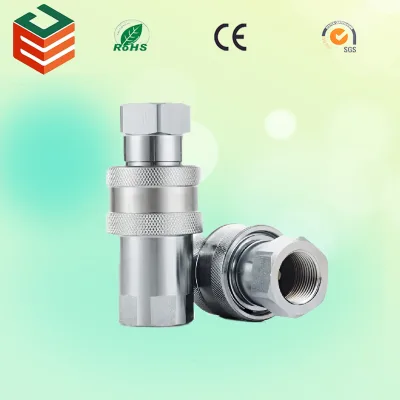
ISO Hydraulic Quick Release Coupling Extremely High Pressure Hose Quick Coupler
$2.00 - $100.00
MOQ: 500 Pieces

ISO Hydraulic Quick Coupler for Hydraulic Hose High Pressure Quick Coupling
$2.00 - $100.00
MOQ: 500 Pieces

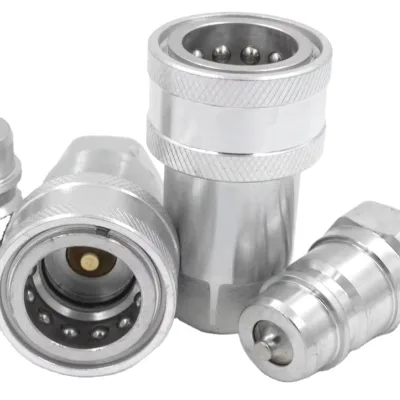
ISO High Pressure Stainless Steel 304 Hydraulic Quick Coupler Coupling Quick Connector
$2.00 - $100.00
MOQ: 500 Pieces

ISO High Pressure Hydraulic Fluid Transferring Hydraulic Quick Coupling Hydraulic Quick Coupler
$2.00 - $100.00
MOQ: 500 Pieces


Warrior Rescue Technology Jiangsu Co., Ltd.
- Verified by SGS
- Combined
- China Jiangsu
- Lead time15 days
- Avg. response≤ 16h
Main productsFire Blanket, Fire Nozzle, Fire Monitor, Fire Hose, Foam Concentrate
Main marketsDomestic
Yancheng Jingdong Hydraulic Machine Co., Ltd.
- Manufacturer, Trading Company
- Jiangsu, China
- Lead time15 days
- Avg. response≤ 2h
Main productsHydraulic Quick Coupling,hydraulic valves,pressure test couplings,hydraulic hose &fitting adapter,camlock quick couplings
Main marketsDomestic Market(45.00%), North America(10.00%), Central America(10.00%), Oceania(5.00%), South America(5.00%), Mid East(5.00%), South Asia(3.00%), Africa(3.00%), Northern Europe(3.00%), Southeast Asia(3.00%), Eastern Europe(2.00%), Western Europe(2.00%), Southern Europe(2.00%), Eastern Asia(2.00%)
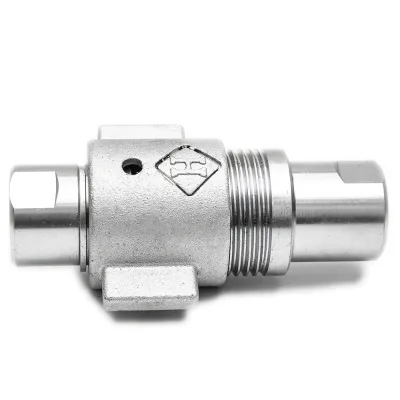
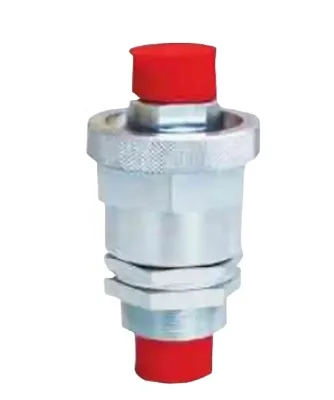
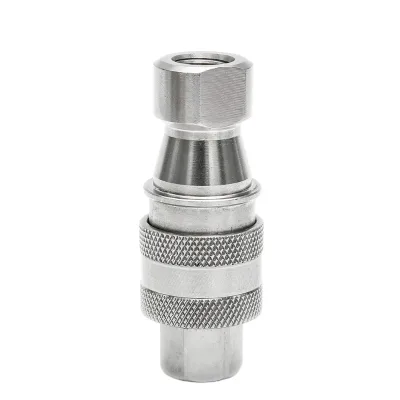
Double Self-sealing Stainless Steel High Pressure Quick Connector Quick Attach Hydraulic Couplers
$15.6062 - $21.6101
MOQ: 1 sets
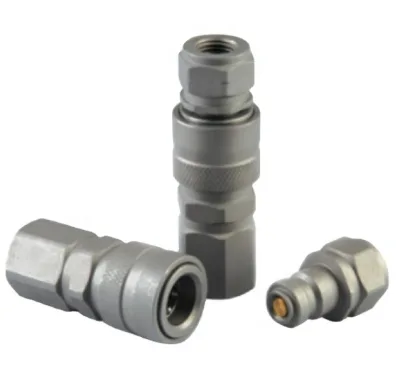
High Quality Nipple High Pressure Hydraulic 115 Series Hydraulic Quick Couplings
$14.00 - $21.10
MOQ: 1
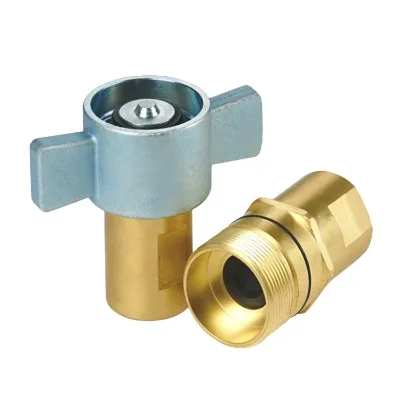
Connect Under Pressure Hydraulic Quick Couplings Wet Line Quick Coupler Set
$18.6216 - $28.7092
MOQ: 1 sets

Foshan Yijing Mold Parts Co., Ltd.
- Verified by TUVRHEINLAND
- Combined
- China Guangdong
- Lead time30 days
- Avg. response≤ 4h
Main productsPrecision Round Locating Unit, Hydraulic Quick Coupling, Air Poppt Valve
Main marketsSouth America,Domestic,Europe


Close Type Hydraulic Hose Quick Coupling Hose Connectors High Pressure Fitting
$5.931 - $11.586
MOQ: 1 Pieces


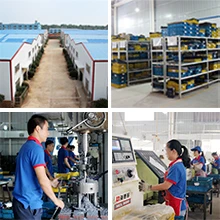
Jiangxi Aike Industrial Co., Ltd.
- Manufacturer, Trading Company
- Jiangxi, China
- Lead time30 days
- Avg. response≤ 4h
Main productsHydraulic Quick Coupling,Hydraulic quick disconnect,Air hose fitting,Pneumatic quick coupling,Hydraulic quick couplers
Main marketsDomestic Market(60.00%), Eastern Europe(14.00%), North America(7.00%), Western Europe(6.80%), Eastern Asia(3.50%), Oceania(3.50%), South Asia(2.00%), Mid East(1.00%), South America(0.50%), Southern Europe(0.50%), Northern Europe(0.50%), Central America(0.50%), Southeast Asia(0.20%)

Taizhou Ziduo Metal Products Co., Ltd
- Verified by SGS
- Combined
- China Jiangsu
- Lead time15 days
- Avg. response≤ 4h
Main productsStainless Steel Laser Cutting, Stainless Steel Rod, Stainless Steel Cold Drawn Profiles, Stainless Steel Wire, Stainless Steel Machining, Stainless Steel Quick Connector, Stainless Steel Seamless Pipe, Stainless Steel Sleeve Joint, Stainless Steel Fasteners, Stainless Steel Castings
Main marketsDomestic

Danyang YiCheng Fluid Equipment Co., Ltd.
- Verified by TUVRHEINLAND
- Combined
- China Jiangsu
- Lead time15 days
- Avg. response≤ 6h
Main productsHydraulic Fitting, Tube Fitting, Pipe Fitting, Tube Adapter, Tube Joint, Hose Fitting, Quick Coupling, Flange, Connector, Adapter
Main marketsSouth America

Factory Quickly Adapt High Pressure Hydraulic Coupling Fittings Reusable Hydraulic Quick Couplings
$0.30 - $0.90
MOQ: 20 Pieces


Quick Release Coupling Hydraulic Stainless Steel Quick Release Hose Fitting Coupling
$0.30 - $0.90
MOQ: 20 Pieces

Shijiazhuang Standards Rubber Products Trading Co., Ltd.
- Verified by SGS
- Trading Company,Manufacturer/Factory
- China Hebei
- Lead time23 days
- Avg. response≤ 15h
Main productsFuel Line, Fuel Return Line, Fuel Line Connectors, Silicone Hose, Rubber Hose, PVC Hose, Hydraulic Hose, Pneumatic Coupling, Crankcase Breather Hose, Hydraulic Fittings
Main marketsSouth America,Eastern Europe,Mid East,North America,Southeast Asia,Eastern Asia,Oceania,Western Europe,Africa

Ningbo Hi-Tech Smart Machinery Co., Ltd.
- Trading Company
- China Zhejiang
- Lead time15 days
- Avg. response≤ 4h
Main productsPneumatic Cylinder, Air Cylinder, Solenoid Valve, Pneumatic Component, Pneumatic, One Touch Fitting, Pneumatic Valve, Pneumatic Fitting, Push in Fitting, Brass Fitting
Main marketsSoutheast Asia/ Mideast,Europe,North America

NINGBO MATCH-LIGHT HARDWARE CO., LTD.
- Verified by TUVRHEINLAND
- Trading Company
- China Zhejiang
- Lead time30 days
- Avg. response≤ 6h
Main productsCamlock Coupling, Universal Coupling, Air Hose Coupling, Fire Hose Coupling, Guillemin Coupling, Bauer Coupling, Industrial Coupling, Hose Clamp, Garden Hose Coupling, Storz Coupling
Main marketsSoutheast Asia/ Mideast,Europe,North America
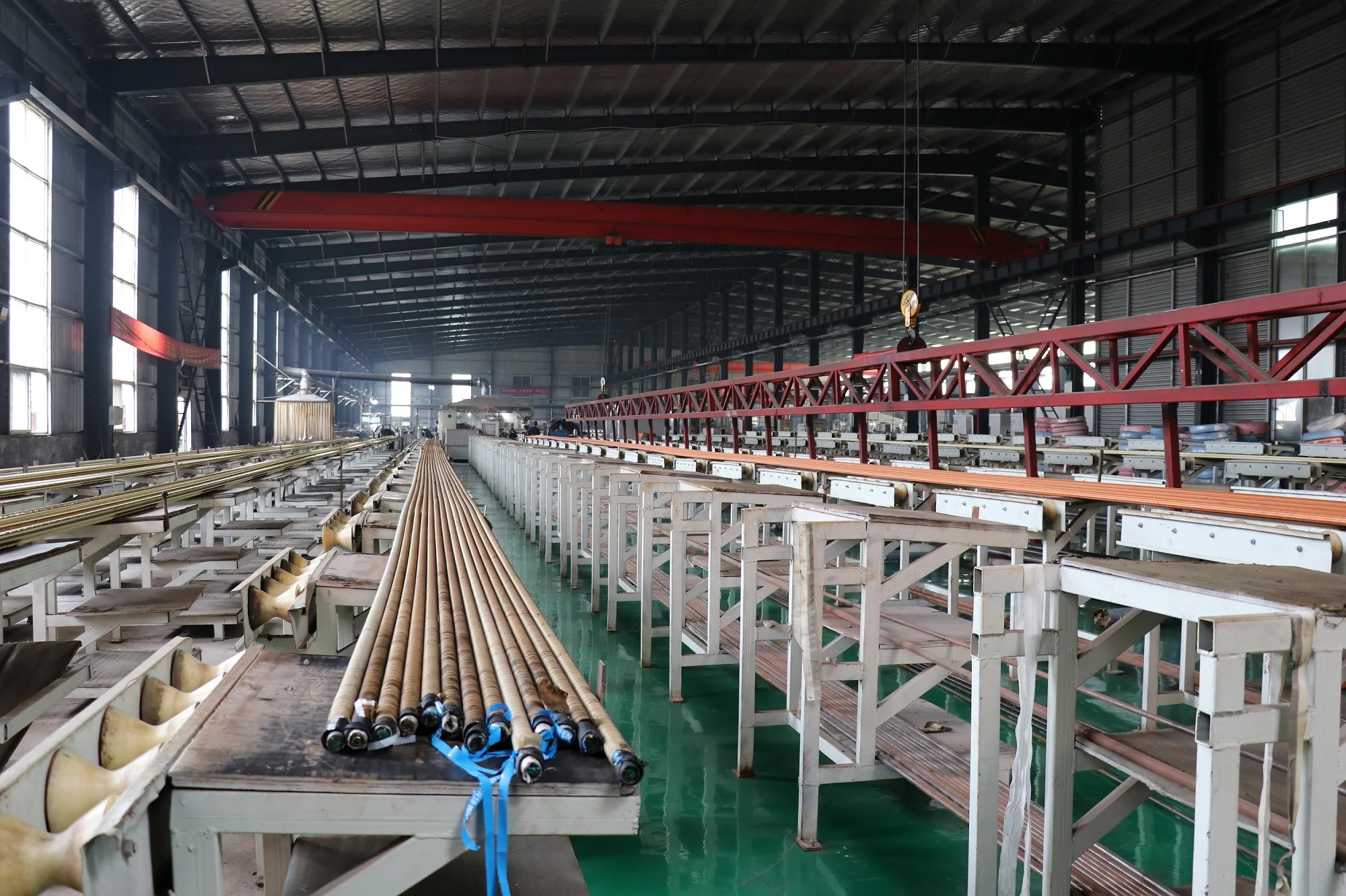
Henan Lange Hydraulic Technology Co., Ltd.
- Manufacturer, Trading Company
- Henan, China
- Lead time15 days
- Avg. response≤ 2h
Main productshydraulic hose,high pressure hose,steam hose,mining rubber hose,braided hydraulic hose
Main marketsDomestic Market(70.00%), Africa(9.00%), South America(8.00%), Southeast Asia(7.00%), Eastern Asia(5.00%), South Asia(1.00%)
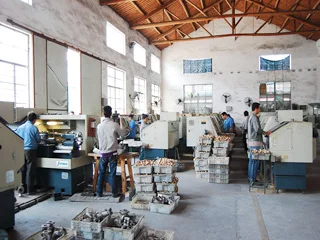
Taizhou Guangbo Hardware Products Co., Ltd.
- Manufacturer
- Zhejiang, China
- Lead time7 days
- Avg. response≤ 19h
Main productsBrass Valve,Brass Nozzle,Quick Coupling,Stainless Steel Parts,Brass Fitting
Main marketsNorth America(40.00%), Eastern Europe(15.00%), Southeast Asia(10.00%), South America(10.00%), Oceania(7.00%), Mid East(6.00%), Western Europe(5.00%), Africa(3.00%), Eastern Asia(3.00%)

Guangzhou Dingtaichang International Trading Co., Ltd.
- Verified by SGS
- Trading Company
- China Guangdong
- Lead time15 days
- Avg. response≤ 6h
Main productsStainless Steel Flange, Valve, Steel Elbow, Pipe Flange, Pipe Fitting
Main marketsSouth America,Europe
Dongguan Tianying Mold Fitting Limited
- Verified by SGS Group
- Manufacturer, Trading Company
- Lead time7 days
- Avg. response≤ 4h
Main productsQuick Coupling, Male Nipple, Brass Plug, Quick Release Coupling, Brass Reducer
Main marketsDomestic Market(30%), North America(25%), Eastern Europe(15%)

Jingjiang Acepom Instrument Manufacturing Co., Ltd.
- Manufacturer, Trading Company
- Jiangsu, China
- Lead time7 days
- Avg. response≤ 9h
Main productsbearing heater,induction heater,laser alignment,dynamic balancer,vibration meter
Main marketsSouthern Europe(10.00%), Northern Europe(10.00%), Western Europe(10.00%), Eastern Asia(10.00%), Oceania(10.00%), Africa(10.00%), Southeast Asia(10.00%), Eastern Europe(10.00%), South America(10.00%), North America(10.00%)
Taizhou Cai's Machinery Co., Ltd.
- Manufacturer, Trading Company
- Zhejiang, China
- Lead time30 days
- Avg. response≤ 2h
Main productspneumatic tool,machine parts,spray gun and accessories,pneumatic fittings,motor and accessories
Main marketsDomestic Market(50.00%), North America(5.00%), South Asia(5.00%), Southern Europe(5.00%), Northern Europe(5.00%), Western Europe(5.00%), Eastern Asia(5.00%), Mid East(5.00%), Southeast Asia(5.00%), Eastern Europe(5.00%), South America(5.00%)

Hebei Orient ADMA Tech Group Co., Ltd.
- Verified by SGS
- Trading Company,Manufacturer/Factory
- China Hebei
- Lead time30 days
- Avg. response≤ 6h
Main productsPVC Hose, Rubber Hose, Hydraulic Hose, Silicone Hose, Pneumatic Hose, Oil Field Hose/Dredging Hose, Hose Crimping Machine, Hose Couplings and Clamps, Hose Protection Sleeve, Packaging Film
Main marketsSouth America,Eastern Europe,Mid East,North America,Southeast Asia,Eastern Asia,Oceania,Western Europe,Africa
Wenzhou Angrui Machinery Co., Ltd.
- Verified by Intertek
- Trading Company
- Lead time15 days
- Avg. response≤ 2h
Main productsPneumatic Fittings, Solenoid Valve, Air Cylinder, Air Source, Air Tube
Main marketsSouth America(40%), North America(10%), Africa(10%)
Ningbo Fenghua Gogo Automatic Trading Company Limited
- Trading Company
- Lead time旺季: "1 - 2":31,"> 2":"To be negotiated", 淡季: "1 - 2":31,"> 2":"To be negotiated"
- Avg. response≤ 7h
Main productsMechanical Parts, Auto Parts, Electric Parts, Pneumatic, Valve
Cixi Zonghan Xinyi Hardware Factory
- Verified by SGS Group
- Manufacturer, Trading Company
- Lead time30 days
- Avg. response≤ 3h
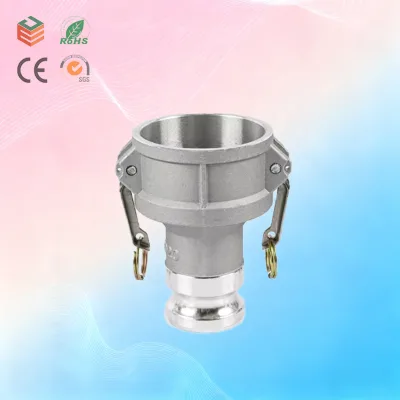
Main productsCamlock Coupling, Guillemin Coupling, Storz Coupling, Hose Clamp, Camlock Reducer
Main marketsDomestic Market(30%), North America(28%), South America(14%)
Hengshui Jiaer Rubber & Plastic Technology Co., Ltd.
- Verified by TüVRheinland
- Manufacturer, Trading Company
- Lead time10 days
- Avg. response≤ 3h
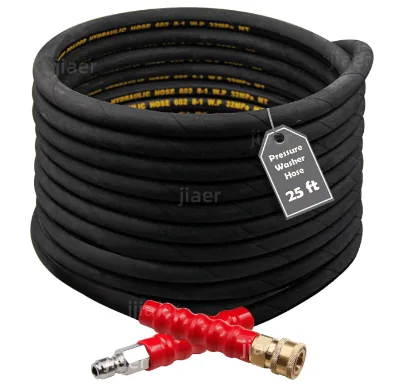
Main productsHydraulic Hose, Contracting Pipe Machine, Joint, Hose Fitting
Main marketsNorth America(10%), South America(10%), Eastern Europe(9%)

Qingdao Hyrotech Rubber & Plastic Products Co., Ltd.
- Verified by SGS
- Manufacturer/Factory
- China Shandong
- Lead time23 days
- Avg. response≤ 6h
Main productsHydraulic Hose, Rubber Hose, Welding Hose, Teflon Hose, Oil Hose, PVC Hose, Sand Blast Hose, Chemical Hose, Food Hose, Air Hose
Main marketsSouth America,Eastern Europe,Mid East,North America,Southeast Asia,Eastern Asia,Oceania,Western Europe,Africa
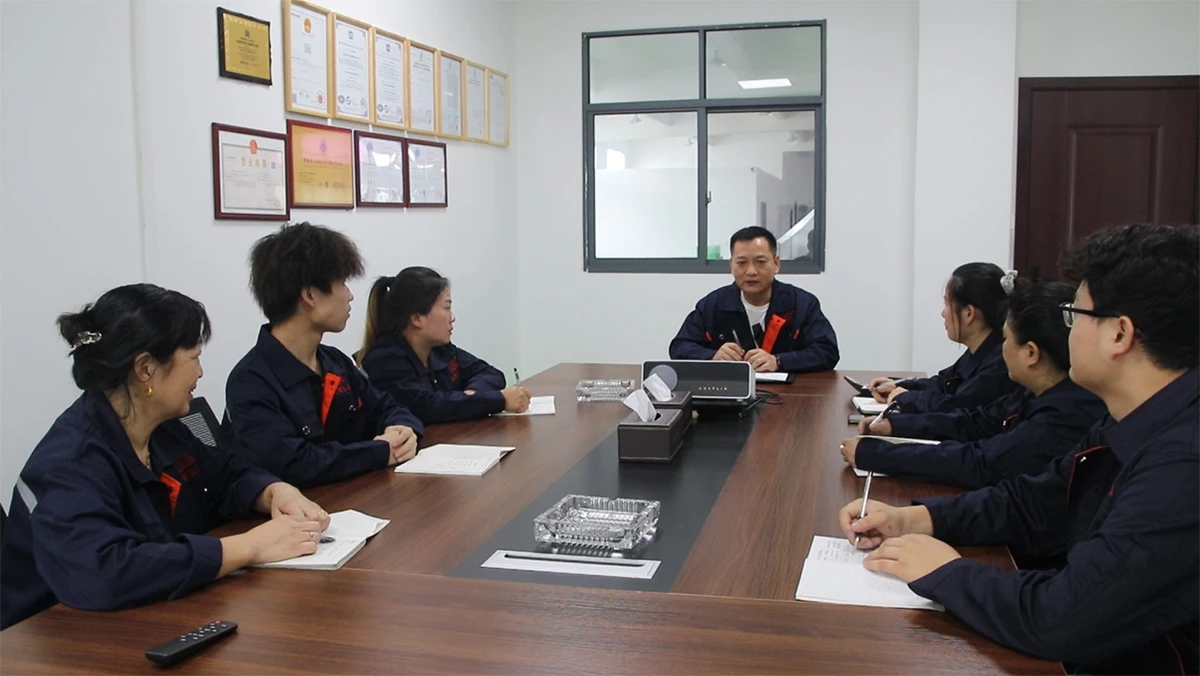
Ji`an 505 Metal Products Co., Ltd.
- Manufacturer, Trading Company
- Jiangxi, China
- Lead time30 days
- Avg. response≤ 4h
Main productsBrass fitting,Pipe Fitting,Plumbing Fittings,Angle Valve,Brass Valves
Main marketsEastern Europe(20.00%), Northern Europe(10.00%), North America(10.00%), South America(10.00%), Domestic Market(5.00%), South Asia(5.00%), Southern Europe(5.00%), Southeast Asia(5.00%), Central America(5.00%), Western Europe(5.00%), Eastern Asia(5.00%), Mid East(5.00%), Oceania(5.00%), Africa(5.00%)

Hebei Naiwo Fluid Technology Co., Ltd.
- Trading Company,Manufacturer/Factory
- China Hebei
- Lead time23 days
- Avg. response≤ 2h
Main productsQuick Coupling, Stainless Steel Coupling, Hydraulic Fitting, Pipe Fitting, Quick Coupler
Main marketsSouth America,Eastern Europe,Mid East,North America,Southeast Asia,Eastern Asia,Oceania,Western Europe,Africa
Ningbo Leihuojian Machinery Co., Ltd.
- Trading Company
- Zhejiang, China
- Lead time30 days
- Avg. response≤ 8h
Main productspneumatic joint,air duct hose,an air gun,Hydraulic quick couplings,Pneumatic Tool Accessories
Main marketsEastern Europe(20.00%), South America(20.00%), Mid East(20.00%), Northern Europe(10.00%), Central America(10.00%), North America(10.00%), Southeast Asia(10.00%)
Ningbo Fenghua Gogo Automatic Trading Company Limited
- Trading Company
- Lead time旺季: "1 - 10":30,"> 10":"To be negotiated", 淡季: "1 - 10":30,"> 10":"To be negotiated"
- Avg. response≤ 7h
Main productsPneumatic Parts, Hhydraulic Parts, Auto Parts, Valve, Pump

Renqiu Chuangyi Machinery Parts Co., Ltd.
- Verified by BV
- Manufacturer/Factory
- China Hebei
- Lead time98 days
- Avg. response≤ 13h
Main productsgear sprocket
Main marketsMid East,North America,Southeast Asia,Eastern Asia,Africa

Xuzhou Xuqi International Trade Co., Ltd
- Verified by SGS
- Combined
- China Jiangsu
- Lead time15 days
- Avg. response≤ 3h
Main productsValve, Ball Valve, Gate Valve, Check Valve, Screw Valve, Flanged Valve, Tank Car Accessories, Oil Station Oil Depot Accessories, Refueling Gun Series and Accessories, Quick Connector
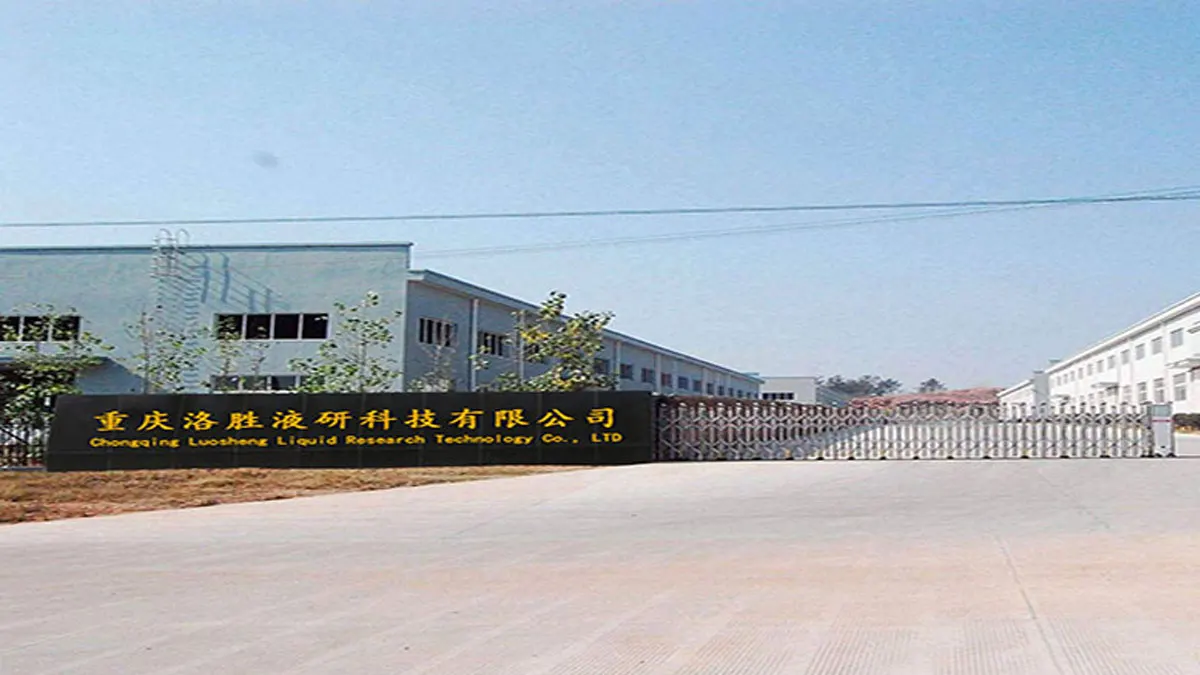
Chongqing Luosheng Liquid Research Technology Co., Ltd.
- Manufacturer, Trading Company
- Chongqing, China
- Lead time3 days
- Avg. response≤ 6h
Main productshydraulic pump,electromagnetic valve,hyadraulic motor,vane pump,gear pump
Main marketsSouth America(9.00%), Southeast Asia(9.00%), South Asia(8.40%), Mid East(8.00%), Africa(8.00%), Western Europe(8.00%), Central America(7.90%), Eastern Europe(7.70%), Eastern Asia(7.00%), Domestic Market(7.00%), North America(6.80%), Northern Europe(3.00%), Oceania(2.00%), Southern Europe(1.00%)
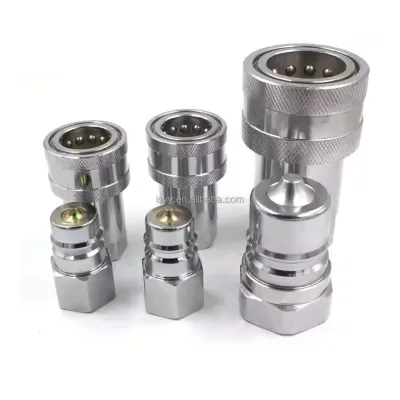
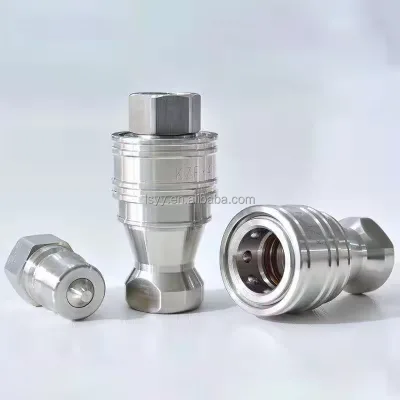
Stainless Steel Close Type Pneumatic and Hydraulic Quick Release Coupling
$17.00 - $65.00
MOQ: 2 Minimum

Rizhao Fenghua Scaffoldings Co., Ltd.
- Verified by BV
- Combined
- China Shandong
- Lead time45 days
- Avg. response≤ 13h
Main productsScaffolding, Scaffold, Forging, Formwork, Scaffold Couplers, Swivel Coupler, Frame System, Hand Tools, Scaffold Plank
Main marketsSouth America,East Asia(Japan/ South Korea),Europe,North America




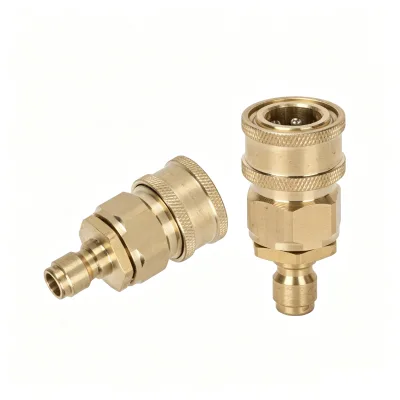
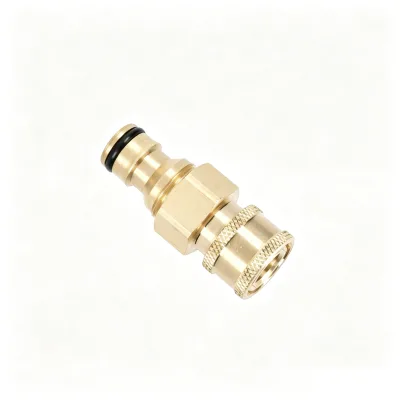
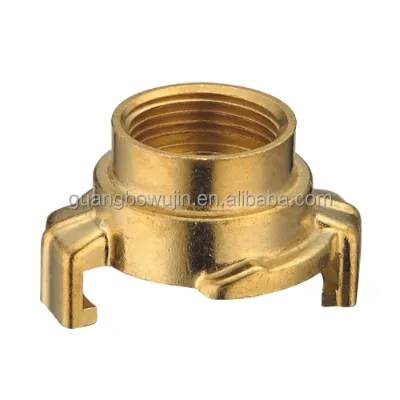
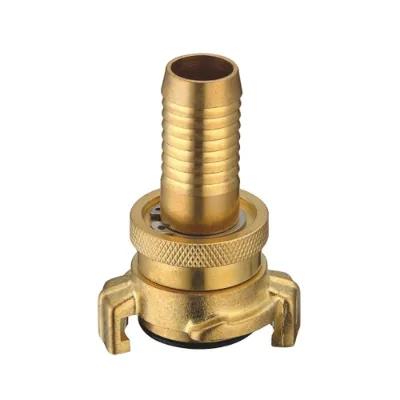




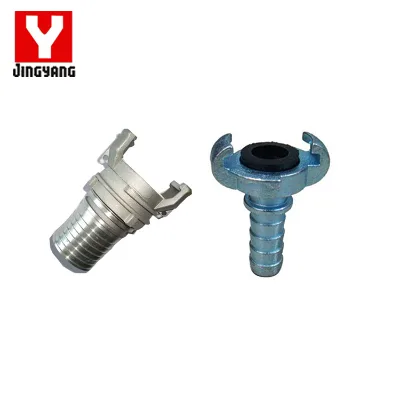
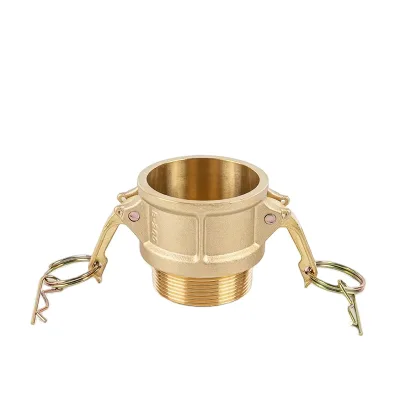
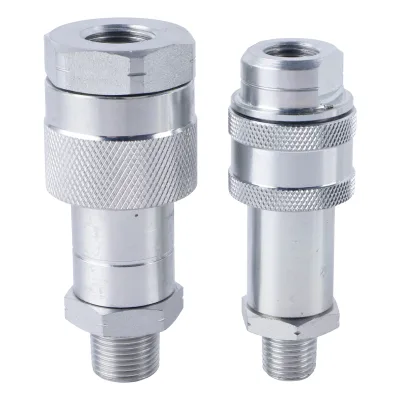
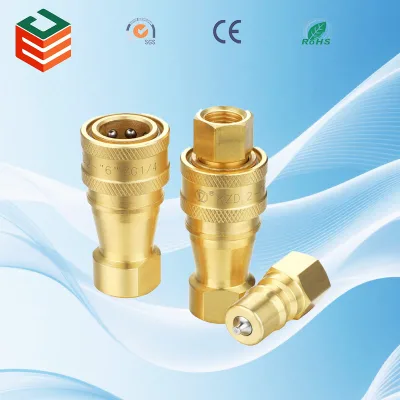






Comprehensive Sourcing Guide
High Pressure Quick Coupling Supplier Concentration and Factory Types
The current supplier landscape for High Pressure Quick Coupling components reveals a distinct geographic and structural concentration within China, specifically highlighting manufacturing hubs in Hebei and Jiangsu provinces. Suppliers located in Hebei are predominantly identified as manufacturers with established capabilities in producing hydraulic hoses, fittings, and rubber hose assemblies, indicating a strong industrial base for heavy-duty fluid power components. These entities often hold comprehensive system certifications, including ISO9001:2015, ISO14001:2015, and OHSAS18001:2007, which suggests a mature approach to quality management and environmental standards in their production facilities. In contrast, suppliers based in Jiangsu province exhibit a more diversified company structure, with some operating as combined entities that function as both manufacturers and trading companies. This dual role allows them to offer a broader range of products, such as hydraulic quick couplings, valves, and camlock fittings, potentially providing greater flexibility in sourcing multiple related components from a single point of contact. The presence of these varied supplier types means buyers must carefully distinguish between pure manufacturing operations and trading intermediaries to understand the true source of their components and the associated value chain dynamics.
Beyond geographic location, the operational focus of these suppliers varies significantly based on their primary product lines and target industries. Some manufacturers specialize in high-pressure hydraulic applications, offering products like stainless steel quick couplers and flat face couplings designed for extreme pressure environments, while others focus on fire fighting equipment, producing aluminum alloy couplings for fire hoses with specific working pressure ratings. This specialization is crucial for buyers, as the material composition and design standards for hydraulic systems differ markedly from those required for firefighting or pneumatic applications. For instance, hydraulic quick couplings may be constructed from carbon steel with zinc plating or stainless steel 304, whereas fire fighting couplings often utilize aluminum alloy for lightweight durability. Understanding these distinctions helps buyers align their sourcing strategy with suppliers who possess the specific technical expertise and production capacity relevant to their end-use requirements. Furthermore, the availability of OEM and ODM services among these suppliers indicates that many are equipped to handle custom specifications, allowing for tailored solutions that meet unique operational needs rather than relying solely on standard off-the-shelf products.
How to Verify High Pressure Quick Coupling Suppliers
Verifying the legitimacy and capability of High Pressure Quick Coupling suppliers requires a multi-layered approach that goes beyond basic company profiles. Buyers should prioritize suppliers who display third-party verification badges, such as SGS verification, which provides an additional layer of confidence regarding the supplier's operational integrity and business practices. Additionally, examining the specific system certifications held by the supplier is essential; for example, ISO9001:2015 certification indicates a standardized quality management system, while ISO14001:2015 and OHSAS18001:2007 certifications reflect commitments to environmental management and occupational health and safety. These certifications are particularly relevant for manufacturers in Hebei, where heavy industrial production is common. Buyers should also scrutinize the product evidence provided, looking for detailed attributes such as material composition, surface treatment, and pressure ratings. For instance, verifying that a supplier offers carbon steel couplings with specific thread types and pressure ratings ensures that the components meet the technical demands of the intended application. Cross-referencing these product details with the supplier's stated main products helps confirm that they are a specialized manufacturer rather than a generalist trader with limited technical knowledge.
Another critical aspect of verification is assessing the supplier's responsiveness and transparency in communication. The response time metric serves as a key indicator of the supplier's operational efficiency and customer service quality. Suppliers with faster response times, such as those reporting a response time of 2 hours, are likely more engaged and capable of handling urgent inquiries or complex technical questions promptly. Buyers should also look for clear information regarding customization options, such as available OEM and ODM services, which demonstrate the supplier's flexibility and willingness to adapt to specific buyer requirements. Furthermore, examining the product packaging and shipping methods listed in the product attributes can provide insights into the supplier's logistical capabilities. For example, suppliers offering sea freight, air transport, and express delivery options indicate a robust logistics network capable of handling various order sizes and delivery timelines. Buyers should also verify the origin of the products, ensuring that the stated place of origin matches the supplier's location, as discrepancies may indicate misrepresentation or third-party sourcing. By combining these verification steps, buyers can build a comprehensive profile of each supplier's reliability and suitability for their High Pressure Quick Coupling needs.
What to Compare Across High Pressure Quick Coupling Suppliers
When evaluating multiple suppliers for High Pressure Quick Coupling components, buyers must systematically compare key operational and commercial metrics to identify the most suitable partner. One of the primary factors to compare is the minimum order quantity (MOQ), which varies significantly across different suppliers and product types. For example, some hydraulic quick coupling suppliers may require an MOQ of 500 pieces, reflecting the economies of scale in their manufacturing processes, while others, particularly those offering specialized or custom components, may accept much lower MOQs, such as 5 or even 1 piece. This variation allows buyers to align their procurement strategy with their inventory needs and budget constraints. Additionally, comparing the price ranges is essential, as costs can fluctuate based on material quality, certification levels, and order volume. Suppliers offering products in the lower price brackets, such as those starting at $0.50, may be targeting high-volume, cost-sensitive markets, whereas suppliers with higher price points, starting at $18.00 or more, may be focusing on premium quality, specialized applications, or smaller batch sizes. Understanding these price dynamics helps buyers balance cost efficiency with quality requirements.
Lead time and response speed are also critical comparative metrics that impact supply chain reliability and project timelines. Suppliers with shorter lead times, such as 15 days, can offer faster turnaround for urgent orders, which is beneficial for just-in-time manufacturing or emergency repairs. In contrast, suppliers with longer lead times, such as 30 days, may be better suited for planned, large-scale procurement where inventory buffers can be maintained. Response time, measured in hours, indicates how quickly a supplier can address inquiries, provide quotations, or resolve issues. Suppliers with rapid response times, such as 2 hours, demonstrate high operational efficiency and customer-centricity, which can be crucial for maintaining smooth communication throughout the procurement process. Furthermore, buyers should compare the range of main products offered by each supplier. Suppliers specializing in hydraulic components may offer a more comprehensive range of fittings and hoses, while those focusing on fire fighting equipment may provide specialized couplings and nozzles. By systematically comparing these metrics, buyers can create a weighted scoring model to objectively assess and select the supplier that best aligns with their specific operational and commercial requirements.
Common High Pressure Quick Coupling Sourcing Risks
Sourcing High Pressure Quick Coupling components from international suppliers introduces several potential risks that buyers must proactively manage to ensure supply chain integrity. One significant risk is the mismatch between product specifications and actual delivery, particularly when dealing with suppliers who offer a wide range of products without clear specialization. For instance, a supplier listing both hydraulic couplings and fire fighting equipment may lack the deep technical expertise required for high-pressure hydraulic applications, potentially leading to suboptimal product performance or safety issues. Buyers must carefully verify that the materials, pressure ratings, and certifications of the supplied components match their exact operational requirements. Another risk is the variability in quality control standards among different suppliers. While some manufacturers hold comprehensive ISO certifications, others may not, leading to inconsistencies in product durability and reliability. Buyers should request detailed product attributes, such as surface treatment, material composition, and thread type, to ensure that the components meet the necessary technical standards for their specific application.
Logistical and communication risks are also prevalent in international sourcing, particularly when dealing with suppliers who have slower response times or longer lead times. A supplier with a response time of 15.63 hours may be less responsive to urgent inquiries or changes in order specifications, potentially causing delays in project timelines. Additionally, discrepancies in shipping methods and packaging can lead to product damage during transit, especially for delicate or precision-engineered components. Buyers should verify the supplier's packaging standards and shipping options to ensure that products are adequately protected. Furthermore, there is a risk of misrepresentation regarding the supplier's location or manufacturing capabilities. Some suppliers may claim to be manufacturers when they are actually trading companies, which can impact pricing, quality control, and communication efficiency. Buyers should conduct thorough due diligence, including verifying business licenses and factory audits, to confirm the supplier's true identity and capabilities. By identifying and mitigating these risks early in the sourcing process, buyers can establish a more secure and reliable supply chain for their High Pressure Quick Coupling needs.
High Pressure Quick Coupling Regional Sourcing and Logistics
The geographic location of suppliers plays a crucial role in determining logistics efficiency, shipping costs, and overall supply chain resilience for High Pressure Quick Coupling components. Suppliers located in Hebei and Jiangsu provinces in China offer distinct logistical advantages based on their proximity to major ports and industrial infrastructure. Hebei, being a major industrial hub, often provides access to robust manufacturing networks and established supply chains for raw materials like steel and rubber, which are essential for producing hydraulic hoses and fittings. This concentration of manufacturing capabilities can lead to competitive pricing and consistent product availability. On the other hand, Jiangsu province, with its advanced industrial base and diverse supplier types, including both manufacturers and trading companies, offers flexibility in sourcing and potentially faster access to specialized components. Buyers should consider the specific location of their chosen supplier when planning logistics, as proximity to major shipping ports can reduce transit times and freight costs. Additionally, understanding the regional industrial strengths helps buyers anticipate potential supply chain disruptions and plan accordingly.
Logistics planning also involves selecting the appropriate shipping method based on order size, urgency, and product characteristics. Suppliers offering multiple shipping options, such as sea freight, air transport, and express delivery, provide buyers with the flexibility to choose the most cost-effective or time-efficient solution. For large, bulk orders of hydraulic couplings, sea freight is often the most economical choice, despite longer transit times. Conversely, for urgent replacements or smaller, high-value components, air transport or express delivery may be necessary to minimize downtime. Buyers should also consider the packaging standards provided by suppliers, as proper packaging is essential to prevent damage during transit. Suppliers offering standard export packing or customized packaging solutions can help ensure that products arrive in optimal condition. Furthermore, buyers should factor in customs clearance and import regulations when planning logistics, as these can impact delivery timelines and costs. By carefully evaluating regional logistics advantages and shipping options, buyers can optimize their supply chain for efficiency, cost-effectiveness, and reliability.
High Pressure Quick Coupling Commercial Terms and Order Planning
Effective order planning for High Pressure Quick Coupling components requires a thorough understanding of commercial terms, including pricing structures, payment conditions, and warranty policies. Suppliers often provide a range of price points based on product specifications, material quality, and order volume. For example, hydraulic quick couplings may be priced between $0.50 and $15.00, while specialized fire fighting couplings may range from $8.00 to $100.00. Buyers should negotiate pricing based on their expected order volume and long-term partnership potential, seeking discounts for bulk purchases or recurring orders. Additionally, understanding the warranty terms is crucial, as some suppliers offer warranties of up to one year, providing assurance against manufacturing defects. Buyers should also clarify the payment terms, such as advance payment, letter of credit, or open account, to manage cash flow and financial risk effectively. Clear communication regarding
FAQs
What is the typical lead time for high pressure quick couplings?
Manufacturers in China Hebei typically require 30 days to produce and ship these fittings. Buyers should confirm specific delivery schedules with the supplier before placing orders to ensure production aligns with project timelines and avoids potential delays in supply chain operations.
What certifications are available for hydraulic quick couplings?
Suppliers often provide ISO9001:2015, ISO14001:2015, and OHSAS18001:2007 certificates for their hydraulic products. Some fire fighting equipment may carry CCC or CCCF certifications. Buyers must verify the specific documentation required for their industry compliance standards before finalizing procurement decisions.
What is the minimum order quantity for these couplings?
Minimum order quantities vary significantly by product type. Some hydraulic fittings require a minimum of 500 pieces, while specialized fire fighting couplings may only need 20 units. Other industrial options might accept orders as low as one piece. Always check the specific listing details.
What materials are used for high pressure quick couplings?
Common materials include carbon steel, stainless steel 304, and aluminum alloy. Carbon steel is often used for general hydraulic applications, while aluminum is preferred for fire fighting hoses. Surface treatments like galvanized sheet or zinc plating are available to enhance corrosion resistance and durability.
What is the price range for hydraulic quick couplings?
Prices generally range from $0.50 to $100.00 per unit depending on specifications. Basic carbon steel fittings may start around $0.50, while high-pressure stainless steel or specialized aluminum couplings can cost up to $100.00. Volume discounts often apply for larger bulk orders.
How quickly do suppliers respond to inquiries?
Response times vary among suppliers, with some responding within 2 hours and others taking up to 15.63 hours. Faster response times indicate active sales teams ready to assist with technical questions. Buyers should prioritize suppliers with quicker response rates for efficient communication.
Can suppliers provide OEM or ODM services?
Many manufacturers offer both OEM and ODM services for custom hydraulic fittings. Buyers can request custom branding, specific thread types, or unique surface treatments. This flexibility allows companies to tailor products to their specific operational needs and branding requirements effectively.