y-shaped filter for water supply and drainage systems Suppliers and Manufacturers
Source 17 verified suppliers for y-shaped filter for water supply and drainage systems. Compare Hebei and Tianjin manufacturers on lead times, MOQs, and OEM support. Request quotes to evaluate pricing and certifications; review the available evidence before requesting comparable quotations from suitable candidates.
Updated
Suppliers List
Botou Longguan Valve Co., Ltd.
- Manufacturer, Trading Company
- Hebei, China
- Lead time15 days
- Avg. response≤ 2h
Main productsCopper Core Gate Valve, Soft Sealed Gate Valve, Check Valve, Filter, Exhaust Valve
Main marketsDomestic Market(100.00%)
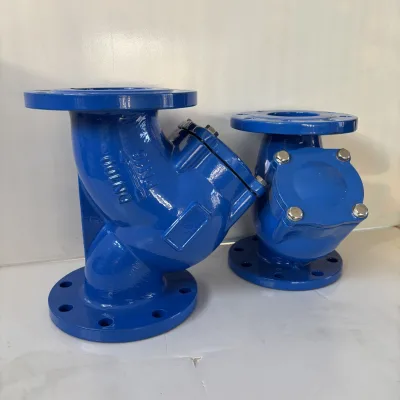
$13.3219 - $504.1311
MOQ: 1 Minimum
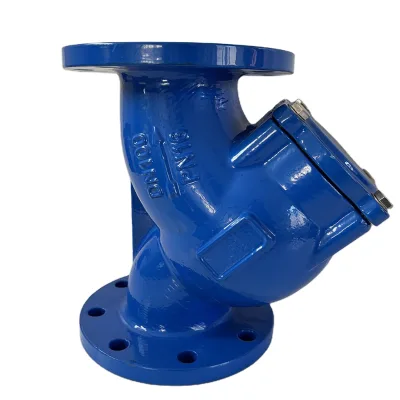
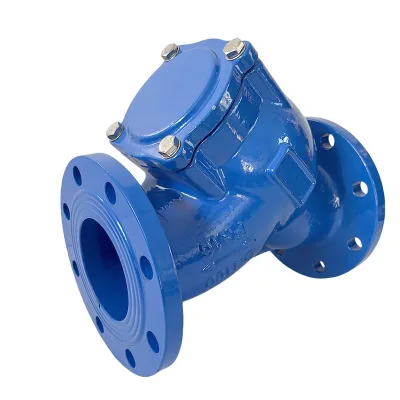

Maitolead Pipeline Technology(Tianjin)Co., Ltd.
- Verified by TUVRHEINLAND
- Trading Company,Group Corporation
- China Tianjin
- Lead time23 days
- Avg. response≤ 3h
Main productsMalleable Iron Pipe Fitting, Grooved Pipe Fitting, Steel Pipe Fitting, Stainless Steel Pipe Fitting, Flange, Valves, Clamp&Hanger, Flexible Hose, Sprinkler&Fire Hose, HDPE /CPVC Pipe & Fitings
Main marketsSouth America,Eastern Europe,Mid East,North America,Southeast Asia,Eastern Asia,Oceania,Western Europe,Africa

Fuzhou Arthas Fluid Equipment Technology Co., Ltd.
- Verified by BV
- Combined
- China Fujian
- Lead time23 days
- Avg. response≤ 16h
Main productsIrrigation, Disc Filter, Sand Media Filter, Irrigation System, Air Valve, Irrigation Filter, Hydraulic Control Valve, Venturi Injector, Centrifugal Filter, Filter Backwash Hydraulic Valve
Main marketsSouth America,Southeast Asia/ Mideast,East Asia(Japan/ South Korea),Europe,North America

Top Valves Manufacture(Nantong) Co., Ltd.
- Verified by CTI
- Combined
- China Jiangsu
- Lead time45 days
- Avg. response≤ 2h
Main productsValves
Main marketsEast Asia(Japan/ South Korea),Domestic


Water Oil Valve Y-Type Filter for Water Treatment Systems - Oil Valve
$49.00 - $23285.00
MOQ: 1 Pieces


Oil Valve Y-Type Filter for Industrial Water and Oil Treatment - Oil Valve
$49.00 - $23285.00
MOQ: 1 Pieces
Guangtuo Fluid Equipment Co., Ltd.
- Verified by SGS Group
- Manufacturer, Trading Company
- Lead time7 days
- Avg. response≤ 2h
Main productsValve
Fuzhou Arthas Fluid Equipment Technology Co., Ltd.
- Verified by SGS Group
- Manufacturer, Trading Company
- Lead time8 days
- Avg. response≤ 6h
Main productsIrrigation Filter System, T Type Disc and Screen Filter, Y Type Disc and Screen Filter, Air Valve, Pressure Reducing Valve
Main marketsDomestic Market(70%), Mid East(12%), Southeast Asia(9%)

DFSHOU IRRIGATION TECHNOLOGY CO., LTD.
- Verified by BV
- Combined
- China Fujian
- Lead time23 days
- Avg. response≤ 2h
Main productsDrip Irrigation System
Main marketsSouth America,Southeast Asia/ Mideast,Europe,Australia,North America

- Verified by SGS
- Trading Company
- China Shandong
- Lead time15 days
- Avg. response≤ 2h
Main productsDrip Tape, Rain Hose, PE Pipe, Cylindrical Pipe, Rain Gun, Micro Sprinkler, Mesh/Disc Filter, Fitting for Irrigation, Seedling Tray, Mulch Film
Main marketsAfrica

Wenzhou Safety Stainless Steel Co., Ltd.
- Verified by BV
- Manufacturer
- China Zhejiang
- Lead time23 days
- Avg. response≤ 3h
Main productsStainless Steel Flanges, Pipe Fittings, Ball Valves, Gate Valves, Globe Valve, Butterfly Valve, Check Valve, Ss Pipes

Customized Y-Shaped Filter for Industrial-Grade Liquid Separation Solutions
$1.00 - $20.00
MOQ: 1 Pieces


SHANDONG GUYU PLASTIC CO.,LTD.
- Verified by SGS Group
- Manufacturer, Trading Company
- Lead time0 days
- Avg. response≤ 10h
Main productsIrrigation Tools, Irrigation Filter, Irrigation Fittings, Sunshade Net, Ground Cover Net
Main marketsSouth America(25%), Africa(25%), Domestic Market(20%)
Guangzhou Baifeng Environmental Technology Co., Ltd.
- Verified by SGS Group
- Manufacturer, Trading Company
- Guangdong, China
- Lead time5 days
- Avg. response≤ 3h
Main productsMicron Nano Mixing Machine/Micron Nano Generator, PSA Oxygen Generator, Venturi Injector, Ozone Generator, Ozone Parts
Main marketsDomestic Market(65%), Western Europe(15%), Southeast Asia(10%)
Shandong Hyrt International Trading Co., Ltd.
- Verified by SGS Group
- Manufacturer, Trading Company
- Lead time15 days
- Avg. response≤ 2h
Main productsSprinklers and Drippers, Compression Fittings, Drip Fittings and Valves, Filters and Fertilizer, Drip Pipe and Tape
Main marketsAfrica(30%), North America(17%), Mid East(15%)

Huhang Technology Group Co., Ltd.
- Verified by BV
- Combined
- China Fujian
- Lead time30 days
- Avg. response≤ 3h
Main productsDrain Valve, HAVC Valve, Industrial Valve, Brass Valve, Groove Pipe Fittings, Fire Protection Valve
Main marketsDomestic

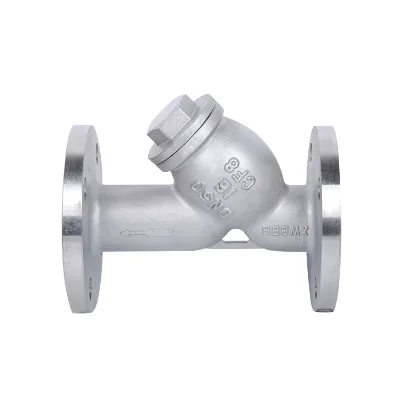
Customizable Y Strainer Filter for Efficient Water Treatment and Filtration
$27.00 - $95.00
MOQ: 1 Pieces


- Manufacturer, Trading Company
- Henan, China
- Lead time0 days
- Avg. response≤ 1h
Main productsProduction.,Sales.,Import and export business,Machining,Gold electromechanical
Main marketsMid East(10.00%), Africa(6.00%), Oceania(5.00%), South America(5.00%), Southeast Asia(5.00%), Eastern Europe(5.00%), Eastern Asia(4.00%), Northern Europe(4.00%), Southern Europe(3.00%), North America(3.00%), South Asia(3.00%), Central America(2.00%), Domestic Market(1.00%), Western Europe(1.00%)
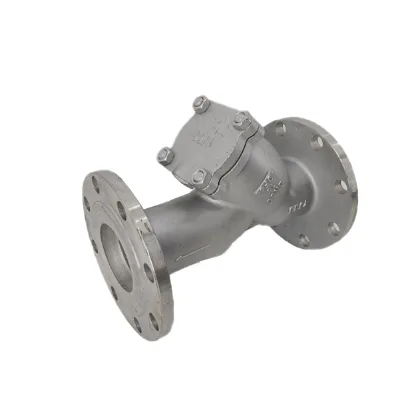
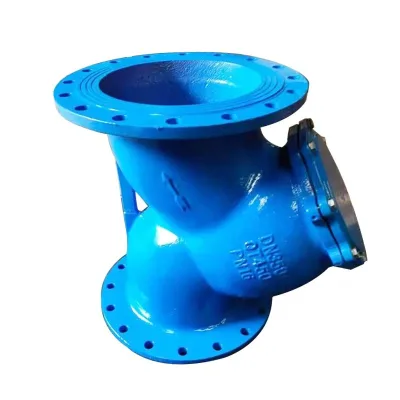
$45.984 - $51.0929
MOQ: 1 pieces

Hebei Xiong'an Anzheng Engineering Materials Technology Co., Ltd.
- Verified by SGS
- Trading Company
- China Hebei
- Lead time15 days
- Avg. response≤ 8h
Main productsHDPE Pipe, PVC Pipe, PPR Pipe, Mpp Pipe, HDPE Fittings, PVC Fittings, Plastic Tubing, Plastic Pipe, Water Supply Pipe, Drain Pipe
Main marketsDomestic

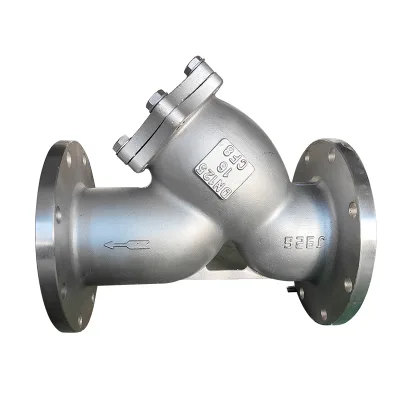
Industrial Grade Y Shape Filter High Flow Rate for Water Treatment Filtration Systems
$20.00 - $80.00
MOQ: 200 Meters

Y Type Filter with Stainless Steel Mesh High Flow for Industrial Filtration Systems
$20.00 - $80.00
MOQ: 200 Meters

Stainless Steel 304 Y Shape Filter High Precision for Drinking Water Filtration Systems
$20.00 - $80.00
MOQ: 200 Meters

Stainless Steel 304 Y Type Filter High Flow Rate for Water Treatment Plant Pipeline Systems
$20.00 - $80.00
MOQ: 200 Meters

High Pressure Industrial Y Type Filter for Hydraulic System Pipeline Filtration
$20.00 - $80.00
MOQ: 200 Meters

Y Shape Water Filter High Precision Industrial for Residential Commercial Pipeline
$20.00 - $80.00
MOQ: 200 Meters

Foshan Bofan Filtration Equipment Co., Ltd.
- Verified by CTI
- Combined
- China Guangdong
- Lead time15 days
- Avg. response≤ 1h
Main productsFilter Housing, Filter Bags, Filling Machines, Filter Element, Magnetic Separator, Mixing Tank
Main marketsSouth America,Southeast Asia/ Mideast,East Asia(Japan/ South Korea),Europe,Australia,North America

Taizhou Yixing Metal Products Factory
- Verified by SGS
- Combined
- China Jiangsu
- Lead time15 days
- Avg. response≤ 4h
Main productscustom cnc part
Main marketsDomestic


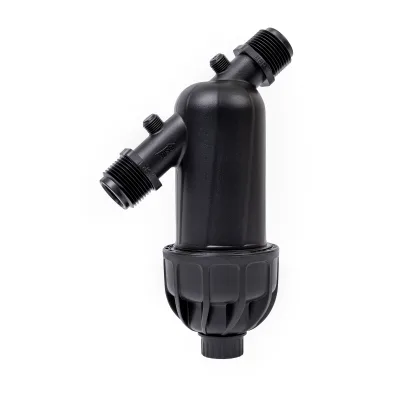


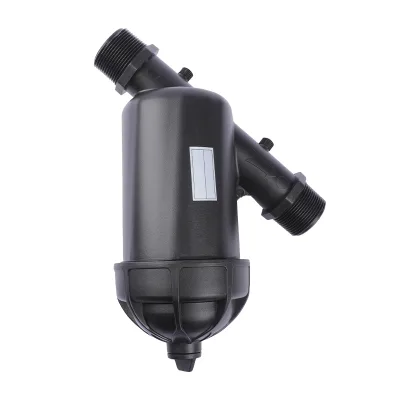
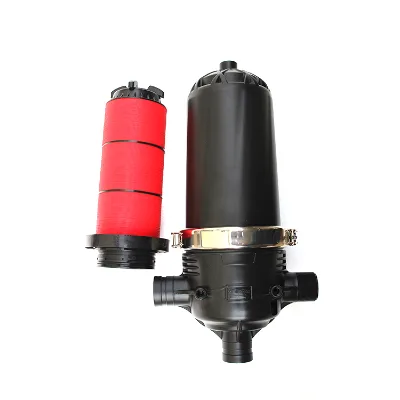


Comprehensive Sourcing Guide
Y-Shaped Filter For Water Supply And Drainage Systems Supplier Concentration and Factory Types
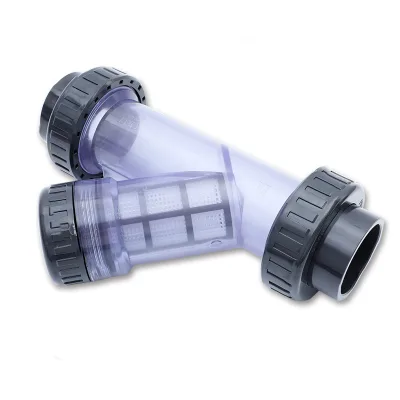
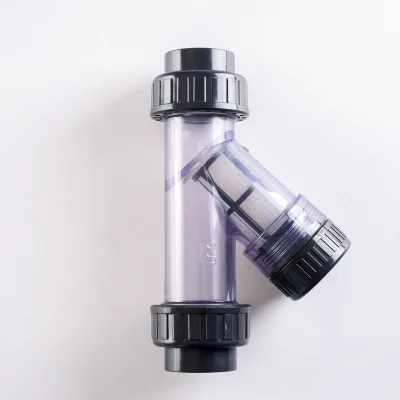
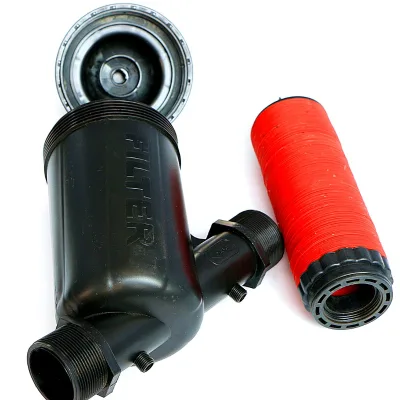
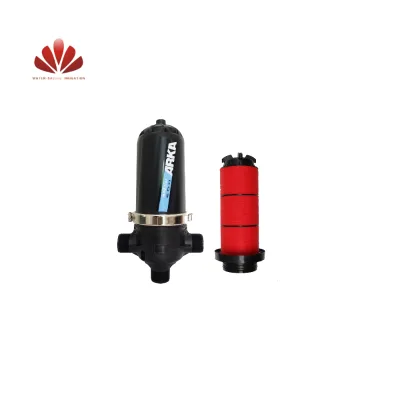
When you search for y-shaped filter for water supply and drainage systems, the visible results cluster heavily in northern China, and two provinces dominate the listings. Hebei appears repeatedly as the stated place of origin, with suppliers producing Y-shaped pipeline filters, automatic sewage filters, and water treatment strainers alongside gate valves, check valves, and exhaust valves. Tianjin also features prominently, represented mainly by trading companies and group corporations whose catalogs span malleable iron and grooved pipe fittings, flanges, flexible hoses, and fire-fighting components in addition to Y-type strainers. This concentration matters because it tells you where casting capacity, ductile iron know-how, and valve-adjacent machining sit, but it should not be treated as proof that every listing in the region is a true factory.
Supplier types split into recognizable groups. Some listings describe themselves as manufacturers and trading companies simultaneously, which is common in this category and means you must ask which products are cast and machined in-house versus resold. Others are pure trading companies or group corporations, often with broader fitting and valve portfolios, ISO 9000 or ISO 9001 system certification, and third-party verification such as TÜV Rheinland. Manufacturer-type listings tend to show narrower, more technical product lines, such as Y-shaped sewage filters in QT450 ductile iron with model numbers like GL41H. When no location or company-type data is displayed for a given result, ask the supplier directly and confirm through business registration documents rather than assuming a factory role from product photos.
How to Verify Y-Shaped Filter For Water Supply And Drainage Systems Suppliers
Verification starts with separating factory claims from reseller reality, because this category mixes both on every results page. Ask each supplier for its business license, the registered scope, and photos or a live video walkthrough of the casting, machining, and assembly areas relevant to Y-shaped strainers. If a listing claims both manufacturing and trading, request a product-by-product breakdown of what is made on site. Check whether the supplier holds a documented quality management system; some Tianjin-area results display ISO 9000 and ISO 9001 certification and third-party verification from TÜV Rheinland, which are useful signals, but absent credentials on other listings mean you must request certificates and confirm their validity with the issuing body rather than accepting screenshots.
Second, verify the product itself against the listing data. Genuine results in this category show concrete attributes: materials such as QT450 ductile iron or brass castings, port sizes spanning DN50 to DN800 or 32–800 mm, pressure classes in the medium-pressure range, and model numbers like GL41H. A supplier that cannot state material grade, applicable standards, test pressure, or coating spec for its own filter body should not advance to sampling. Cross-check the origin field, warranty terms, and customization support (OEM or ODM) shown on listings against what the salesperson states in writing. For any supplier where verification evidence is missing, request material mill certificates, hydrostatic test reports, and photos of stamped markings on finished castings before committing funds.
What to Compare Across Y-Shaped Filter For Water Supply And Drainage Systems Suppliers
Build a comparison sheet from the attributes suppliers actually display, since coverage varies. Lead time is directly comparable on several results: one Hebei manufacturer-type listing shows around 15 days, while a Tianjin trading company shows roughly 23 days, a meaningful gap for project schedules. Response time is another dimension; figures near two hours appear on multiple listings, so log the stated number and then measure actual reply speed during your own inquiry cycle. MOQ differs sharply even within this category, ranging from a single-piece minimum on some Hebei filter listings to ten-piece minimums on others, which matters if you need samples or small replacement orders. Never assume a displayed MOQ or lead time applies to your size; DN300 ductile iron bodies will not ship as fast as DN50.
Beyond logistics, compare scope and depth. Review each supplier's main-product list: some focus on valves and water treatment filters, while trading firms cover pipe fittings, flanges, hoses, and fire products, which affects whether one vendor can supply a mixed bill of materials. Compare customization support (OEM versus ODM), warranty length, which ranges from one to three years on visible listings, material options, and compliance with named standards where stated. Establishment year and escrow or trade-assurance status are useful comparison fields when displayed, but do not penalize or credit a supplier for attributes it simply has not shown; ask instead and record the answer.
Common Y-Shaped Filter For Water Supply And Drainage Systems Sourcing Risks
The most frequent risk in this category is mixing up filter suppliers with valve resellers. Many results sell Y-type strainers as one line among dozens of valve SKUs, and some listings bolt filter keywords onto gate-valve catalogs. If your core need is the strainer screen, basket, drainage plug, and flange drilling, a supplier whose expertise sits in gate valves may deliver inconsistent screening elements or mesh specs. Related to this is the dual manufacturer-trader identity: a listing may advertise factory prices while the casting is subcontracted, so cost or quality changes without notice when the sub-supplier changes.
Technical risks follow from the product's working environment. Y-shaped filters in water supply and drainage face debris loading, corrosion, and pressure surges, so common failure points are screen deformation, body porosity in castings, gasket leakage at the cover, and coating failure on buried or humid installations. Risks materialize when buyers order from listing attributes alone: a listing may show DN50–DN400 while you need DN800, or quote one material while the factory substitutes a cheaper iron. Watch also for warranty terms that sound strong on the listing but exclude labor, shipping, or corrosion in fine print. Mitigate by specifying material grade, mesh size, pressure rating, flange standard, and coating in a signed drawing, requiring pre-shipment hydrostatic and dimensional checks, and holding final payment until samples of the actual production batch pass inspection.
Y-Shaped Filter For Water Supply And Drainage Systems Regional Sourcing and Logistics
The evidence in current results points to Hebei and Tianjin as the practical sourcing regions for this product, and each carries different logistics implications. Hebei-origin listings, with stated origins in Hebei, China, sit close to ductile iron casting capacity, which suits heavier DN-range filter bodies and allows shorter quoted lead times, in one case around 15 days. Tianjin adds a major port advantage: suppliers there, often trading companies or group corporations handling pipe fittings, flanges, and hoses alongside Y-shaped filters, can consolidate mixed container loads and typically quote around 23 days lead time. For buyers combining strainers with fittings and valves, a Tianjin-based consolidator reduces the number of shipments, though it may add a trading margin.
Where no location is displayed for a supplier, do not guess; ask for the factory address and check its distance from the nearest seaport, since inland origins add trucking cost and time to every shipment. Filter bodies are cast-iron goods: they are heavy, non-stackable in fine meshes, and vulnerable to flange-face damage, so confirm packing method, wooden-box crating is standard on several listings, and palletization before comparing freight quotes. Weight per unit rises sharply across DN sizes, so freight can exceed product cost for large diameters. Ask each supplier to state FOB terms and included inland charges, and confirm whether screen elements and spare gaskets ship with the main order or require a separate parcel.
Y-Shaped Filter For Water Supply And Drainage Systems Commercial Terms and Order Planning
Commercial terms in this category reward buyers who anchor on listed data and then negotiate size-specific terms. Visible price ranges on comparable Y-shaped filter listings run from roughly the low tens of dollars at small sizes up to several hundred dollars at large diameters, with one Hebei listing spanning about USD 13 to USD 504 and a Tianjin listing between USD 10 and USD 30 for smaller sanitary-grade units. Use these as reference brackets only; your final price depends on diameter, material, pressure class, and mesh. Match MOQ to your order structure: single-piece minimums on some listings suit sampling and emergency spares, while ten-piece minimums fit project lots. Confirm warranty in the contract, noting the one-to-three-year spread on displayed listings, and specify what the warranty covers.
Plan the order around lead-time realism and payment protection. Quote lead times per size rather than accepting a blanket figure, since the 15-to-23-day spread on visible listings reflects standard sizes, not engineered DN800 units. Use staged payments, a deposit with balance after inspection, and prefer escrow-style or trade-assurance coverage where the platform offers it, since several suppliers advertise escrow-supported transactions. Lock the specification package before production: material certificate, flange standard, coating, mesh, and marking. Finally, schedule a pre-shipment inspection window inside the production timeline, order spare screens and gaskets with the initial run to avoid a costly second small shipment, and calendar annual reorders so the supplier retains your tooling and drawings without re-quoting from scratch.
Word count check: sections are approximately 232, 232, 228, 228, 230, and 230 words, totaling about 1380 words including headings.
FAQs
What is the price range for Y-shaped water filters?
Prices typically range from $10 to $504 per unit depending on specifications. The lowest cost options start around $10 for basic models, while high-end industrial units reach over $500. Buyers should check specific product listings for exact pricing based on size and material requirements.
What is the minimum order quantity for these filters?
Minimum order quantities vary by supplier, with some accepting orders as low as one piece. Other suppliers require a minimum of ten units. Buyers should verify the specific MOQ on individual product pages to ensure their order volume meets the seller's requirements before proceeding with purchase.
How long does delivery take for these filters?
Lead times generally range from 15 to 23 days for production and shipping. Some suppliers offer faster turnaround times, while others may require additional time for custom orders. Buyers should confirm the exact lead time with the supplier before placing an order to manage project schedules effectively.
What materials are used in Y-shaped water filters?
Common materials include QT450, ductile iron, brass, and casting metals. These materials ensure durability and resistance to corrosion in water supply systems. Buyers should select materials based on the specific application requirements, such as pressure ratings and media compatibility, to ensure optimal performance and longevity of the filter.
Are these filters customizable for specific applications?
Yes, many suppliers offer OEM and ODM customization services. Buyers can request specific sizes, colors, and pressure ratings to match their system requirements. Customization options allow for tailored solutions, ensuring the filter integrates seamlessly with existing infrastructure while meeting specific operational needs and standards.
What certifications do these suppliers hold?
Suppliers often hold ISO 9000 and ISO 9001 certifications, ensuring quality management standards. Some products comply with ASTM, BS, DIN, ISO, and JIS standards. Buyers should verify specific certifications and standards on product pages to ensure compliance with local regulations and industry requirements for their specific application.